
Programowanie

Linear Algebra. Learn the Foundations and Applications of Vector Spaces
Mercury Learning and Information, L. Shen, Haohao...
This book introduces the fundamental concepts of linear algebra and applies the theorems in computation-oriented applications. It is suitable for a one-semester course and combines definitions and proofs with a focus on computational applications. Examples illustrate the use of software packages such as Mathematica, Maple, and Sage.The journey begins with vector spaces and progresses through linear transformations and operators. It then covers orthogonal bases and matrix decomposition. The material includes a brief introduction to aspects of abstract algebra related to linear algebra, such as groups, rings, modules, fields, and polynomials over fields.Understanding these concepts is crucial for solving complex problems in various fields. This book transitions readers from basic definitions to advanced computational applications, blending theoretical knowledge with practical skills. It is an essential resource for mastering linear algebra and its applications.
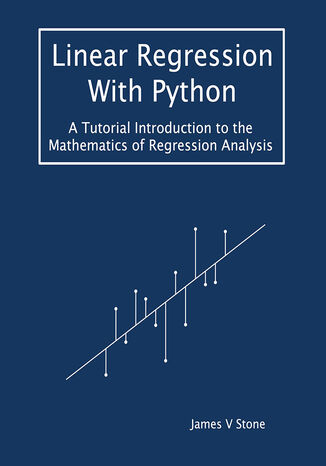
Linear Regression With Python. A Tutorial Introduction to the Mathematics of Regression Analysis
James V Stone
This book offers a detailed yet approachable introduction to linear regression, blending mathematical theory with Python-based practical applications. Beginning with fundamentals, it explains the best-fitting line, regression and causation, and statistical measures like variance, correlation, and the coefficient of determination. Clear examples and Python code ensure readers can connect theory to implementation.As the journey continues, readers explore statistical significance through concepts like t-tests, z-tests, and p-values, understanding how to assess slopes, intercepts, and overall model fit. Advanced chapters cover multivariate regression, introducing matrix formulations, the best-fitting plane, and methods to handle multiple variables. Topics such as Bayesian regression, nonlinear models, and weighted regression are explored in depth, with step-by-step coding guides for hands-on practice.The final sections tie together these techniques with maximum likelihood estimation and practical summaries. Appendices provide resources such as matrix tutorials, key equations, and mathematical symbols. Designed for both beginners and professionals, this book ensures a structured learning experience. Basic mathematical knowledge or foundation is recommended.
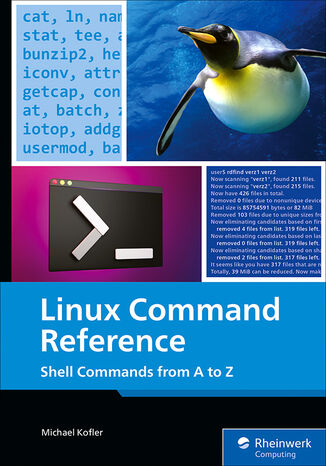
Linux Command Reference. Shell Commands from A to Z
Rheinwerk Publishing, Inc, Michael Kofler
This guide takes readers through the essentials of Linux commands, starting with basic commands and progressing to advanced techniques. The first few sections focus on foundational commands and their practical applications. As the book progresses, it introduces more complex concepts, including bash scripting, advanced command usage, and system management techniques. This ensures readers build a strong command-line proficiency step by step.The book’s structure is organized alphabetically from A to Z, making it easy to find and reference commands. It also covers important special bash characters and configuration files, essential for system administrators. Readers will also learn about efficient keyboard shortcuts that can enhance productivity when working in the terminal.By the end of the book, readers will be equipped with the tools to effectively manage Linux systems, automate tasks with scripts, and troubleshoot common issues. With this knowledge, users will gain confidence in navigating and optimizing their Linux environments.
Kamil Błasiak, Marek Czerwik
Linux dla każdego Technika IT to książka w głównej myśli kierowana do każdego ucznia oraz studenta uczącego się na kierunku informatycznym lub pokrewnym. Krótko mówiąc dla wszystkich, którzy na co dzień nie pracują z systemem Linux, a chcą się nauczyć jego obsługi zarówno za pośrednictwem interfejsu graficznego jak i tekstowego. Tematyka książki jest bardzo szeroka. Przygotowuje użytkownika do instalacji systemu i konfiguracji: sprzętu, sieci, środowiska pracy, użytkowników. Pokazuje jak pracować z plikami, stosować uprawnienia, a także tworzyć skrypty systemowe. W treści poruszone też zostały kwestie związane z bezpieczeństwem sytemu oraz danych. Na końcu książki znajduje się próbny egzamin zawodowy, w którym każde pytanie poddane zostaje szczegółowej analizie w wyniku której, prezentowana jest poprawna odpowiedź, co stanowi wartość dodaną zarówno dla ucznia jak i nauczyciela. Znajdziemy tutaj również wykaz najważniejszych poleceń systemowych – niezbędnych do codziennej pracy.
Linux Magazine (czerwiec 2022)
Praca zbiorowa
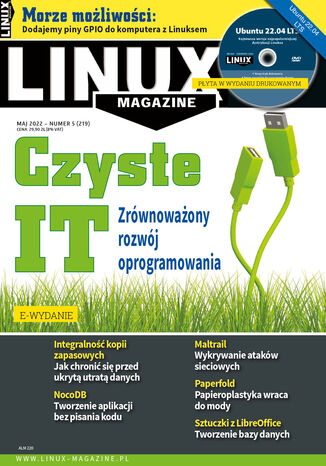
Miesięcznik ten dedykowany jest przede wszystkim profesjonalistom z branży IT, którzy na co dzień pracują z systemem Linux, w tym administratorom systemów, programistom oraz zaawansowanym użytkownikom. Publikacja ta została również stworzona z myślą o menedżerach IT oraz specjalistach technologicznych, którzy poszukują efektywnych sposobów wykorzystania Linuxa w swoich infrastrukturach informatycznych. Zawartość miesięcznika skupia się na dostarczaniu praktycznych wskazówek oraz strategicznych porad, które pomagają w podejmowaniu decyzji dotyczących implementacji Linuxa w różnorodnych środowiskach. Czytelnicy znajdą tu szczegółowe analizy przypadków użycia (real life deployments), obiektywne testy porównawcze produktów oraz dogłębne opracowania na temat technologii open source i systemu Linux. W najnowszym wydaniu: "Czyste IT - Kierunek na Eko-Programowanie i Zarządzanie Systemami" W kontekście zrównoważonego rozwoju, dyskusje w branży IT często koncentrują się na aspekcie sprzętowym, lecz równie ważny jest wpływ, jaki oprogramowanie i systemy IT mają na środowisko. W naszym najnowszym artykule, skupiamy się na tym, jak programiści i administratorzy systemów mogą przyczynić się do tworzenia i zarządzania bardziej efektywnymi energetycznie systemami IT. W artykule omawiamy innowacyjne podejścia i praktyki, które mogą być wdrożone w procesie tworzenia oprogramowania i zarządzania infrastrukturą IT, aby zmniejszyć ich ślad węglowy i zużycie energii. Poruszamy kwestie takie jak efektywność energetyczna w kodowaniu, wybór odpowiednich technologii i platform, a także strategie zarządzania serwerami i danymi, które wspierają zrównoważony rozwój. Artykuł ten stanowi przewodnik po tym, jak pracownicy IT mogą aktywnie wpływać na ekologiczne aspekty swojej pracy, zachęcając do myślenia o programowaniu i zarządzaniu IT z perspektywy ekologicznej. Jest to kluczowy krok w kierunku bardziej zrównoważonego przemysłu IT, który uwzględnia nie tylko efektywność, ale również odpowiedzialność ekologiczną.
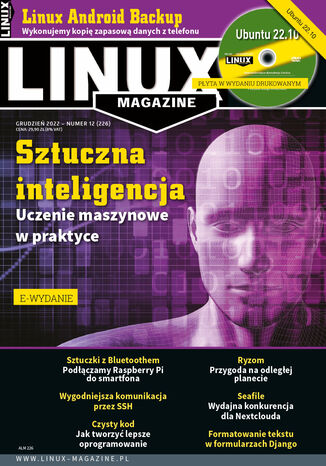
Linux Magazine (grudzień 2022)
Praca zbiorowa
Miesięcznik ten dedykowany jest przede wszystkim profesjonalistom z branży IT, którzy na co dzień pracują z systemem Linux, w tym administratorom systemów, programistom oraz zaawansowanym użytkownikom. Publikacja ta została również stworzona z myślą o menedżerach IT oraz specjalistach technologicznych, którzy poszukują efektywnych sposobów wykorzystania Linuxa w swoich infrastrukturach informatycznych. Zawartość miesięcznika skupia się na dostarczaniu praktycznych wskazówek oraz strategicznych porad, które pomagają w podejmowaniu decyzji dotyczących implementacji Linuxa w różnorodnych środowiskach. Czytelnicy znajdą tu szczegółowe analizy przypadków użycia (real life deployments), obiektywne testy porównawcze produktów oraz dogłębne opracowania na temat technologii open source i systemu Linux. Temat numeru: Mądrość płynąca z doświadczenia - czym jest uczenie maszynowe? Ludzie czasem sobie obiecują: "Nigdy więcej nie popełnię tego błędu"- jest to typowy przykład nauki na bazie przeszłych doświadczeń. Jeśli zamienimy doświadczenia na dane, okaże się, że nauka nie jest jedynie domeną ludzi. W niniejszym artykule przedstawimy podstawowe formy uczenia maszynowego
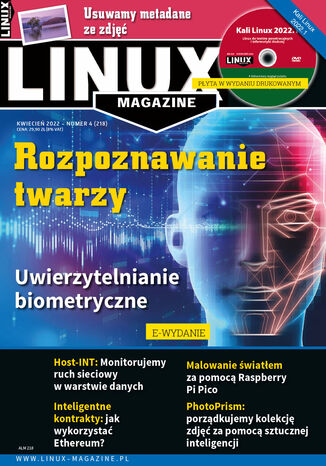
Linux Magazine (kwiecień 2022)
Praca zbiorowa
Miesięcznik ten dedykowany jest przede wszystkim profesjonalistom z branży IT, którzy na co dzień pracują z systemem Linux, w tym administratorom systemów, programistom oraz zaawansowanym użytkownikom. Publikacja ta została również stworzona z myślą o menedżerach IT oraz specjalistach technologicznych, którzy poszukują efektywnych sposobów wykorzystania Linuxa w swoich infrastrukturach informatycznych. Zawartość miesięcznika skupia się na dostarczaniu praktycznych wskazówek oraz strategicznych porad, które pomagają w podejmowaniu decyzji dotyczących implementacji Linuxa w różnorodnych środowiskach. Czytelnicy znajdą tu szczegółowe analizy przypadków użycia (real life deployments), obiektywne testy porównawcze produktów oraz dogłębne opracowania na temat technologii open source i systemu Linux. W najnowszym numerze m.in.: "Witaj, przyjacielu - Howdy i Rewolucja Rozpoznawania Twarzy w Linuxie" Uwierzytelnianie biometryczne od dłuższego czasu fascynuje futurystów i przedsiębiorców ze względu na jego unikalny i bezpieczny charakter. Każdy człowiek posiada unikalne cechy fizyczne, ale czy można je wykorzystać do skutecznej weryfikacji tożsamości? Metody takie jak odciski palców są powszechnie stosowane przez organy ścigania, a niektóre systemy komputerowe już teraz umożliwiają autoryzację za pomocą linii papilarnych. Jednak to rozpoznawanie twarzy od dawna uznawane jest za najbardziej zaawansowaną formę uwierzytelniania biometrycznego. W tym wydaniu przyglądamy się rewolucyjnemu krokowi w dziedzinie bezpieczeństwa Linuxa - wprowadzeniu przez Howdy technologii rozpoznawania twarzy. Howdy przekształca sposób, w jaki użytkownicy Linuxa mogą zabezpieczać swoje urządzenia i dane, oferując nowy, bardziej intuicyjny sposób na uwierzytelnianie. Dowiedz się więcej o tym, jak Howdy wykorzystuje zaawansowane algorytmy do analizy cech twarzy i jak ta technologia może zmienić sposób, w jaki postrzegamy bezpieczeństwo w świecie open source. Zapraszamy do zapoznania się z pełną analizą i dyskusją na temat potencjału i wyzwań związanych z tą innowacyjną technologią w środowisku Linuxa.
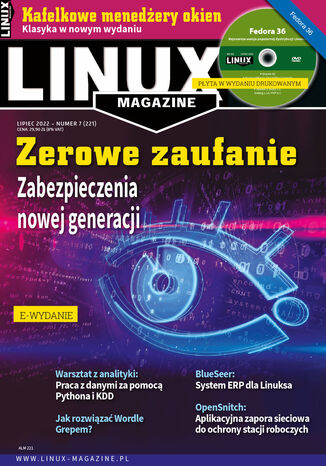
Praca zbiorowa
Miesięcznik ten dedykowany jest przede wszystkim profesjonalistom z branży IT, którzy na co dzień pracują z systemem Linux, w tym administratorom systemów, programistom oraz zaawansowanym użytkownikom. Publikacja ta została również stworzona z myślą o menedżerach IT oraz specjalistach technologicznych, którzy poszukują efektywnych sposobów wykorzystania Linuxa w swoich infrastrukturach informatycznych. Zawartość miesięcznika skupia się na dostarczaniu praktycznych wskazówek oraz strategicznych porad, które pomagają w podejmowaniu decyzji dotyczących implementacji Linuxa w różnorodnych środowiskach. Czytelnicy znajdą tu szczegółowe analizy przypadków użycia (real life deployments), obiektywne testy porównawcze produktów oraz dogłębne opracowania na temat technologii open source i systemu Linux. Tematem tego wydania jest : "Dążenie do Zera - Nowa Era Zabezpieczeń z Zero Trust" Współczesne podejście do bezpieczeństwa sieciowego przechodzi ewolucję, odchodząc od tradycyjnych koncepcji sieci wewnętrznych uważanych za bezpieczne. Eksperci z branży IT skupiają się teraz na strategiach opartych na koncepcji Zero Trust, które oferują skuteczniejszą ochronę przed różnorodnymi zagrożeniami, zarówno tymi pochodzącymi z wnętrza sieci, jak i z zewnątrz. W naszym artykule zagłębiamy się w ideę architektur o zerowym zaufaniu (Zero Trust), wyjaśniając, jak ten model może zmienić sposób, w jaki organizacje podchodzą do zabezpieczeń swoich sieci. Zero Trust opiera się na założeniu, że żaden element sieci - niezależnie od tego, czy jest wewnętrzny, czy zewnętrzny - nie powinien być domyślnie uznawany za bezpieczny. To podejście wymaga kompleksowej, warstwowej strategii zabezpieczeń, która obejmuje zarówno weryfikację tożsamości, jak i ciągłe monitorowanie i kontrolę dostępu do zasobów sieciowych. Przedstawiamy w nim, jak administratorzy i specjaliści IT mogą wdrożyć te zasady w swoich organizacjach, aby zwiększyć ogólną odporność na cyberzagrożenia. Artykuł ten stanowi cenny przewodnik dla tych, którzy chcą zrozumieć i zastosować model Zero Trust, aby zapewnić wyższy poziom ochrony w dynamicznie zmieniającym się środowisku cyberbezpieczeństwa.
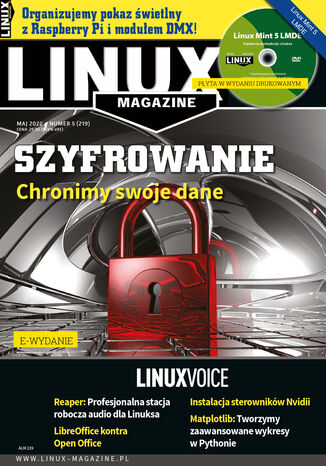
Praca zbiorowa
Miesięcznik ten dedykowany jest przede wszystkim profesjonalistom z branży IT, którzy na co dzień pracują z systemem Linux, w tym administratorom systemów, programistom oraz zaawansowanym użytkownikom. Publikacja ta została również stworzona z myślą o menedżerach IT oraz specjalistach technologicznych, którzy poszukują efektywnych sposobów wykorzystania Linuxa w swoich infrastrukturach informatycznych. Zawartość miesięcznika skupia się na dostarczaniu praktycznych wskazówek oraz strategicznych porad, które pomagają w podejmowaniu decyzji dotyczących implementacji Linuxa w różnorodnych środowiskach. Czytelnicy znajdą tu szczegółowe analizy przypadków użycia (real life deployments), obiektywne testy porównawcze produktów oraz dogłębne opracowania na temat technologii open source i systemu Linux. W najnowszym numerze: "Brak dostępu - Opanuj Szyfrowanie Dysku w Linuksie" W obecnych czasach, gdy bezpieczeństwo danych jest na wagę złota, zaszyfrowane woluminy stały się standardem w świecie technologii. Coraz częściej, zarówno polityki korporacyjne, jak i wymogi związane z przestrzeganiem przepisów, nakładają obowiązek stosowania szyfrowania dla ochrony wrażliwych informacji. W najnowszym wydaniu naszego miesięcznika przybliżamy temat szyfrowania dysków w systemie Linux, prezentując dostępne narzędzia i metody zapewniające skuteczną ochronę danych. Artykuł ten stanowi kompleksowy przewodnik po technikach szyfrowania, od podstawowych po bardziej zaawansowane, dostosowane do różnorodnych potrzeb użytkowników systemu Linux. Dowiedz się, jak zaimplementować niezbędne mechanizmy szyfrowania w swoim środowisku Linuxa, aby zapewnić maksymalną ochronę Twoich danych. Przedstawiamy w nim praktyczne wskazówki, które pomogą Ci zrozumieć, jak skonfigurować i używać narzędzi szyfrowania, zwiększając tym samym bezpieczeństwo Twoich danych i systemów.
Linux. Programowanie systemowe
Robert Love
Wykorzystaj moc Linuksa i twórz funkcjonalne oprogramowanie systemowe! Jak zarządzać plikowymi operacjami wejścia i wyjścia? Jak zablokować fragmenty przestrzeni adresowej? Jak sterować działaniem interfejsu odpytywania zdarzeń? Dzisiaj systemu Linux nie musimy już nikomu przedstawiać, dzięki swojej funkcjonalności i uniwersalności stał się niezwykle popularny i szeroko wykorzystywany. Działa wszędzie ― poczynając od najmniejszych telefonów komórkowych, a na potężnych superkomputerach kończąc. Z Linuksa korzystają agencje wywiadowcze i wojsko, jego niezawodność doceniły również banki i instytucje finansowe. Oprogramowanie z przestrzeni użytkownika w systemie Linux może być uruchamiane na wszystkich platformach, na których poprawnie działa kod jądra. Czytając książkę "Linux. Programowanie systemowe", dowiesz się, jak utworzyć oprogramowanie, które jest niskopoziomowym kodem, komunikującym się bezpośrednio z jądrem oraz głównymi bibliotekami systemowymi. Opisany został tu sposób działania standardowych i zaawansowanych interfejsów zdefiniowanych w Linuksie. Po lekturze napiszesz inteligentniejszy i szybszy kod, który działa we wszystkich dystrybucjach Linuksa oraz na wszystkich rodzajach sprzętu. Nauczysz się budować poprawne oprogramowanie i maksymalnie je wykorzystywać. Programowanie systemowe Biblioteka języka C Kompilator języka C Interfejs odpytywania zdarzeń Zarządzanie procesami i pamięcią Użytkownicy i grupy Ograniczenia zasobów systemowych Zarządzanie plikami i katalogami Identyfikatory sygnałów Struktury danych reprezentujące czas Konwersje czasu Poznaj i ujarzmij potęgę Linuksa!
Linux. Programowanie systemowe. Wydanie II
Robert Love
Przewodnik po jądrze sytemu Linux! Jądro systemu Linux to jeden z największych projektów rozwijanych przez ogromną społeczność. Setki wolontariuszy dniami i nocami rozwijają najważniejszy element tego systemu operacyjnego. I robią to naprawdę skutecznie! Każde kolejne wydanie Linuksa zawiera dziesiątki nowinek oraz ulepszeń - jest coraz szybsze, bezpieczniejsze i po prostu lepsze. Jednak początkujący programiści mogą mieć problemy z wykorzystaniem usług dostarczanych przez kernel. Masz obawy, że nie odnajdziesz się w gąszczu możliwości współczesnego jądra systemu Linux? Ta książka rozwieje je w mig. Jest to wyjątkowa pozycja na rynku wydawniczym, zgłębiająca właśnie te tajemnice. W trakcie lektury nauczysz się tworzyć niskopoziomowe oprogramowanie, które będzie się komunikowało bezpośrednio z jądrem systemu. Operacje wejścia i wyjścia, strumienie, zdarzenia, procesy to tylko część elementów, które błyskawicznie opanujesz. Ponadto nauczysz się zarządzać katalogami i plikami oraz poznasz koncepcję sygnałów. Książka ta jest niezastąpionym źródłem informacji dla wszystkich programistów pracujących z jądrem Linuksa. Docenisz tę lekturę! Poznaj: metody zarządzania procesami zastosowanie sygnałów zaawansowane interfejsy wejścia i wyjścia jądro systemu od podszewki Poznaj jądro systemu od podszewki! Robert Love - od wielu lat jest użytkownikiem i współtwórcą systemu Linux. Rozwija środowisko graficzne GNOME oraz jądro systemu. Pracuje jako projektant oprogramowania w firmie Google, był też członkiem zespołu projektującego system operacyjny Android. Jest autorem licznych książek poświęconych programowaniu w systemie Linux.
Dr. Edward Lavieri Jr.
If you are a LiveCode mobile developer looking to improve your existing skills, add efficiencies to your code, or want a better understanding of LiveCode’s capabilities, then LiveCode Mobile Development Cookbook is a must-have for you. The reader should at least have a basic understanding of LiveCode and mobile application development.
Paul Iusztin, Maxime Labonne, Julien Chaumond, Hamza...
Artificial intelligence has undergone rapid advancements, and Large Language Models (LLMs) are at the forefront of this revolution. This LLM book offers insights into designing, training, and deploying LLMs in real-world scenarios by leveraging MLOps best practices. The guide walks you through building an LLM-powered twin that’s cost-effective, scalable, and modular. It moves beyond isolated Jupyter notebooks, focusing on how to build production-grade end-to-end LLM systems.Throughout this book, you will learn data engineering, supervised fine-tuning, and deployment. The hands-on approach to building the LLM Twin use case will help you implement MLOps components in your own projects. You will also explore cutting-edge advancements in the field, including inference optimization, preference alignment, and real-time data processing, making this a vital resource for those looking to apply LLMs in their projects.By the end of this book, you will be proficient in deploying LLMs that solve practical problems while maintaining low-latency and high-availability inference capabilities. Whether you are new to artificial intelligence or an experienced practitioner, this book delivers guidance and practical techniques that will deepen your understanding of LLMs and sharpen your ability to implement them effectively.*Email sign-up and proof of purchase required
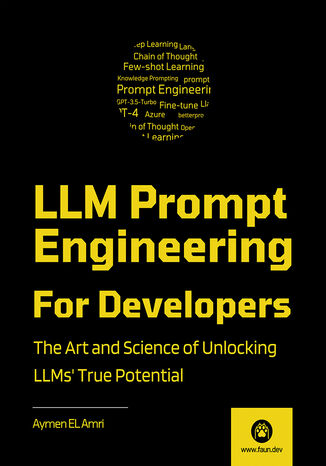
LLM Prompt Engineering for Developers. The Art and Science of Unlocking LLMs' True Potential
Aymen El Amri
LLM Prompt Engineering For Developers begins by laying the groundwork with essential principles of natural language processing (NLP), setting the stage for more complex topics. It methodically guides readers through the initial steps of understanding how large language models work, providing a solid foundation that prepares them for the more intricate aspects of prompt engineering.As you proceed, the book transitions into advanced strategies and techniques that reveal how to effectively interact with and utilize these powerful models. From crafting precise prompts that enhance model responses to exploring innovative methods like few-shot and zero-shot learning, this resource is designed to unlock the full potential of language model technology.This book not only teaches the technical skills needed to excel in the field but also addresses the broader implications of AI technology. It encourages thoughtful consideration of ethical issues and the impact of AI on society. By the end of this book, readers will master the technical aspects of prompt engineering & appreciate the importance of responsible AI development, making them well-rounded professionals ready to focus on the advancement of this cutting-edge technology.
Valentina Alto
Duże modele językowe (LLM) stały się technologicznym przełomem. Ich wszechstronność i funkcjonalność sprawiły, że coraz częściej mówi się o nowej erze inteligentnie działających urządzeń i aplikacji. Umiejętność zastosowania LLM we własnych projektach już dziś jest koniecznością dla wielu projektantów i programistów. Dzięki tej książce opanujesz podstawowe koncepcje związane z użyciem LLM. Poznasz unikatowe cechy i mocne strony kilku najważniejszych modeli (w tym GPT, Gemini, Falcon). Następnie dowiesz się, w jaki sposób LangChain, lekki framework Pythona, pozwala na projektowanie inteligentnych agentów do przetwarzania danych o nieuporządkowanej strukturze. Znajdziesz tu również informacje dotyczące dużych modeli podstawowych, które wykraczają poza obsługę języka i potrafią wykonywać różne zadania związane na przykład z grafiką i dźwiękiem. Na koniec zgłębisz zagadnienia dotyczące ryzyka związanego z LLM, a także poznasz techniki uniemożliwiania tym modelom potencjalnie szkodliwych działań w aplikacji. Najciekawsze zagadnienia: architektura dużych modeli językowych unikatowe funkcje LLM komponenty służące do koordynacji sztucznej inteligencji, w tym tworzenia frontendu użycie wiedzy nieparametrycznej i wektorowych baz danych dostrajanie dużych modeli językowych do własnych potrzeb odpowiedzialność i etyka w systemach korzystających z LLM Odkryj, jak łatwo model generatywnej AI zintegruje się z Twoją aplikacją! O książce w mediach: Eksperyment Myślowy - recenzja książki
Ahmed Menshawy, Mahmoud Fahmy
The integration of large language models (LLMs) into enterprise applications is transforming how businesses use AI to drive smarter decisions and efficient operations. LLMs in Enterprise is your practical guide to bringing these capabilities into real-world business contexts. It demystifies the complexities of LLM deployment and provides a structured approach for enhancing decision-making and operational efficiency with AI.Starting with an introduction to the foundational concepts, the book swiftly moves on to hands-on applications focusing on real-world challenges and solutions. You’ll master data strategies and explore design patterns that streamline the optimization and deployment of LLMs in enterprise environments. From fine-tuning techniques to advanced inferencing patterns, the book equips you with a toolkit for solving complex challenges and driving AI-led innovation in business processes.By the end of this book, you’ll have a solid grasp of key LLM design patterns and how to apply them to enhance the performance and scalability of your generative AI solutions.*Email sign-up and proof of purchase required