
Programowanie
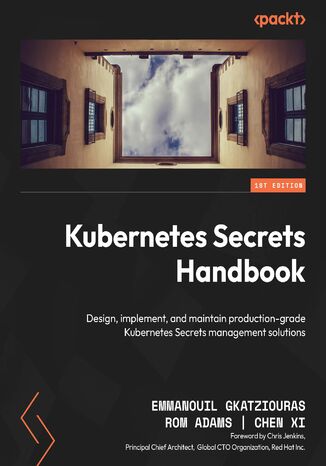
Emmanouil Gkatziouras, Chris Jenkins, Rom Adams, Chen...
Securing Secrets in containerized apps poses a significant challenge for Kubernetes IT professionals. This book tackles the critical task of safeguarding sensitive data, addressing the limitations of Kubernetes encryption, and establishing a robust Secrets management system for heightened security for Kubernetes.Starting with the fundamental Kubernetes architecture principles and how they apply to the design of Secrets management, this book delves into advanced Kubernetes concepts such as hands-on security, compliance, risk mitigation, disaster recovery, and backup strategies. With the help of practical, real-world guidance, you’ll learn how to mitigate risks and establish robust Secrets management as you explore different types of external secret stores, configure them in Kubernetes, and integrate them with existing Secrets management solutions.Further, you'll design, implement, and operate a secure method of managing sensitive payload by leveraging real use cases in an iterative process to enhance skills, practices, and analytical thinking, progressively strengthening the security posture with each solution.By the end of this book, you'll have a rock-solid Secrets management solution to run your business-critical applications in a hybrid multi-cloud scenario, addressing operational risks, compliance, and controls.
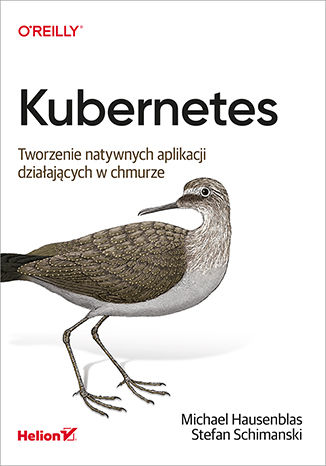
Kubernetes. Tworzenie natywnych aplikacji działających w chmurze
Michael Hausenblas, Stefan Schimanski
Mimo że w 2018 roku Kubernetes zyskał reputację standardowego narzędzia do zarządzania kontenerami, wciąż należy traktować tę technologię jako znajdującą się w dość wczesnej fazie rozwoju. Możliwości tej platformy z czasem rosną i stają się coraz ciekawsze. Standardowym działaniem jest uruchamianie klastrów w Kubernetesie, jednak o wiele bardziej interesujące wydaje się samodzielne rozszerzanie tej platformy o własne kontrolery i rozbudowa API Kubernetesa w celu dostosowania do swoich wymagań. W przypadku niektórych złożonych projektów programowanie potrzebnych komponentów jest jedynym racjonalnym rozwiązaniem. To książka przeznaczona dla programistów, którzy chcą maksymalnie wykorzystać możliwości Kubernetesa, również poprzez pisanie własnych zasobów. W praktyczny sposób pokazuje, jak rozwijać natywne, działające w chmurze aplikacje dla Kubernetesa. Wyjaśnia, w jaki sposób działa biblioteka API client-go i jak należy budować zasoby niestandardowe. Znalazło się tu obszerne i szczegółowe omówienie interfejsu programowania i działania platformy Kubernetes, a także pisania stabilnego oprogramowania w języku Go. Nie zabrakło szeregu wskazówek dotyczących samego pisania kodu oraz przeprowadzania testów. Dużo uwagi poświęcono niestandardowym zasobom, kontrolerom, webhookom i niestandardowym serwerom API oraz wzorcom rozszerzania Kubernetesa. W tej książce między innymi: zasady programowania dla Kubernetesa API Kubernetesa i client-go korzystanie z niestandardowych zasobów pisanie i udostępnianie operatorów tworzenie niestandardowych serwerów API Kubernetes: wykorzystaj w pełni jego potencjał!
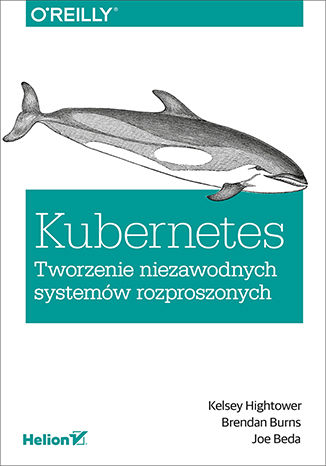
Kubernetes. Tworzenie niezawodnych systemów rozproszonych
Kelsey Hightower, Brendan Burns, Joe Beda
Systemy rozproszone miały być odpowiedzią na zwiększone wymagania wobec systemów informatycznych. Chodziło o takie cechy jak łatwe współużytkowanie zasobów, odporność na awarie, prostota rozbudowy czy skalowalność. Z czasem okazało się, że możliwości systemów rozproszonych mogą być jeszcze bardziej atrakcyjne. Równocześnie jednak architekci, programiści i w końcu również administratorzy systemów doświadczali na własnej skórze, że projektowanie, budowa i utrzymywanie systemu rozproszonego niesie ze sobą wyzwania, o jakich nie mieli pojęcia twórcy systemów wcześniejszych generacji. Wyjściem z tej trudnej sytuacji mogą być rozwijane w ostatnich latach kontenery i interfejsy API orkiestracji kontenerów, takie jak Kubernetes. Ta książka jest znakomitym wprowadzeniem do Kubernetesa - udostępnionego na licencji open source orkiestratora klastrów (ang. orchestrator). Kontenery i orkiestratory są bardzo młodą technologią, jednak już teraz umożliwiają programistom budowanie i wdrażanie aplikacji z nieosiągalną dotychczas szybkością i niezawodnością. Dzięki tej książce dowiesz się, jaką rolę odgrywa Kubernetes w cyklu życia aplikacji rozproszonej. Nauczysz się wykorzystywać narzędzia i interfejsy API do automatyzacji skalowalnych systemów rozproszonych, niezależnie od tego, czy są to usługi internetowe, aplikacje do uczenia maszynowego, czy klastry komputerów Raspberry Pi. Przekonasz się, że Kubernetes i technologia kontenerowa mogą pomóc w osiągnięciu nowych poziomów prędkości, zwinności, niezawodności i wydajności. W książce między innymi: zakres działania Kubernetesa tworzenie aplikacji kontenerowych za pomocą Dockera kontenery w Kubernetesie i ich środowisko wykonawcze uruchamianie aplikacji w środowisku produkcyjnym przykłady wdrażania rzeczywistych aplikacji w Kubernetesie Niezawodny system rozproszony? Kubernetes, koniecznie!
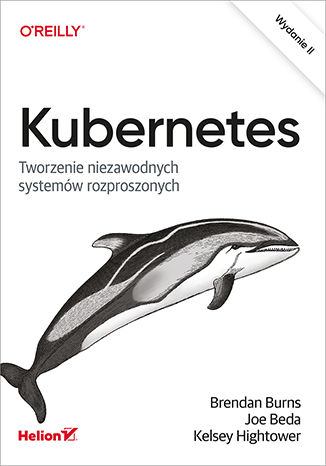
Kubernetes. Tworzenie niezawodnych systemów rozproszonych. Wydanie II
Brendan Burns, Joe Beda, Kelsey Hightower
Kubernetes jest czymś więcej niż platformą do orkiestracji kontenerów. W ciągu zaledwie kilku lat stał się najpopularniejszym i najbogatszym narzędziem do tworzenia, wdrażania i utrzymywania aplikacji w chmurze. Tak radykalna zmiana sposobu funkcjonowania systemów informatycznych wymaga przemodelowania podejścia i stylu pracy zespołów programistycznych. Jeśli jednak wypróbujesz Kubernetesa, przekonasz się, że bardzo upraszcza on tworzenie, wdrażanie i utrzymywanie systemów rozproszonych. Jego twórcy, bazując na własnych wieloletnich doświadczeniach, zaprojektowali go od podstaw, aby zapewnić inżynierom wydajną, efektywną i przyjemną pracę. Ta książka jest przeznaczona dla początkujących i zaawansowanych użytkowników Kubernetesa. Dzięki niej osiągniesz nowe poziomy prędkości, zwinności, niezawodności i wydajności budowanych systemów. Opisano tu, jak działa orkiestrator klastrów Kubernetes oraz jak wykorzystać jego narzędzia i interfejsy API do usprawnienia procesów rozwoju, dostarczania i utrzymywania rozproszonych aplikacji. Wyjaśniono niezbędne szczegóły dotyczące aplikacji kontenerowych, uruchamiania i obsługi klastrów oraz wdrażania aplikacji w Kubernetesie. Przedstawiono sposoby integracji magazynów danych i rozszerzania platformy. Przydatnym podsumowaniem treści zawartych w książce jest kilka praktycznych przykładów tworzenia i wdrażania rzeczywistych aplikacji w Kubernetesie, a także omówienie metod organizowania aplikacji w systemie kontroli źródła. Najciekawsze zagadnienia: tworzenie i uruchamianie klastrów Kubernetesa projektowanie aplikacji: kapsuły, usługi, narzędzia Ingress i obiekty ReplicaSet integracja magazynów danych z kontenerowymi mikrousługami obiekty specjalne: DaemonSet, Job, ConfigMap i tajne dane praktyczne przykłady tworzenia i wdrażania rzeczywistych aplikacji w Kubernetesie Kubernetes: systemy rozproszone mogą być skalowalne i niezawodne!
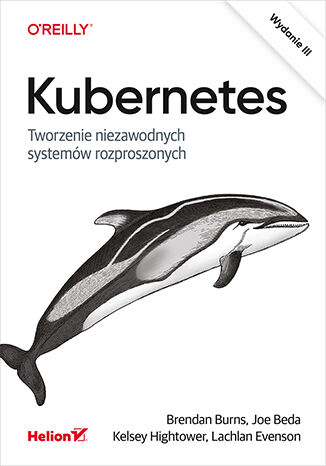
Kubernetes. Tworzenie niezawodnych systemów rozproszonych. Wydanie III
Brendan Burns, Joe Beda, Kelsey Hightower, Lachlan...
Kubernetes jest ważnym narzędziem do tworzenia, wdrażania i utrzymywania aplikacji w chmurze. Obecnie pozwala na uzyskiwanie prędkości, zwinności, niezawodności i wydajności na wysokim poziomie, a samo tworzenie i utrzymywanie systemów rozproszonych jest proste, efektywne i satysfakcjonujące. Trzeba tylko zrozumieć, na czym polega abstrakcja kontenerów i interfejsów API orkiestracji kontenerów i poświęcić trochę czasu na zapoznanie się z samym Kubernetesem. Oto podstawowe źródło wiedzy na temat systemu Kubernetes, okraszone przykładami, które umożliwiają samodzielne poznawanie tego produktu! Liz Rice To trzecie wydanie przewodnika autorstwa twórców Kubernetesa. Zostało starannie zaktualizowane i wzbogacone o tak ważne zagadnienia jak bezpieczeństwo, dostęp do Kubernetesa za pomocą kodu napisanego w różnych językach programowania czy tworzenie aplikacji wieloklastrowych. Dzięki książce poznasz podstawy funkcjonowania Kubernetesa, a naukę rozpoczniesz od budowy prostej aplikacji. Później dowiesz się, jak używać narzędzi i interfejsów API do automatyzacji skalowalnych systemów rozproszonych, w tym usług internetowych, aplikacji do uczenia maszynowego czy klastrów komputerów Raspberry Pi. Omówiono tu również zaawansowane zagadnienia, takie jak obiekty specjalne czy siatki usług i system kontroli źródła. Najciekawsze zagadnienia: budowa i działanie Kubernetesa na podstawie prostego przykładu specjalne obiekty, takie jak DaemonSet, Job, ConfigMap i tajne dane cykl życia kompletnej aplikacji rozproszonej zabezpieczanie wdrażanych aplikacji aplikacje wieloklastrowe i dostęp do Kubernetesa za pomocą własnego kodu Poznaj przyszłość infrastruktury!
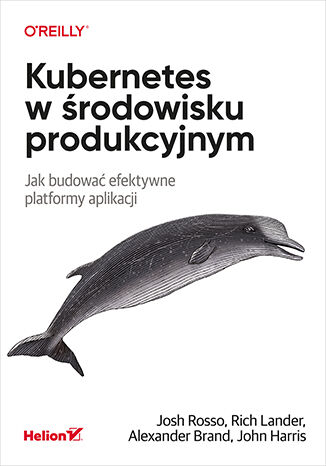
Kubernetes w środowisku produkcyjnym. Jak budować efektywne platformy aplikacji
Josh Rosso, Rich Lander, Alex Brand, John...
Kubernetes zmienił podejście do budowy i wdrażania oprogramowania korporacyjnego. Przedsiębiorstwa szybko zrozumiały, że dzięki tej potężnej technologii mogą korzystać z zalet wysoce dostępnych, samonaprawiających się i autoskalujących wdrożeń oprogramowania. Systemy są zdolne do automatycznego zapewniania pożądanych reakcji na podstawie zadanych warunków, a przy tym są szybsze i bardziej niezawodne od jakichkolwiek operacji wykonywanych ręcznie. Jednak ceną za ten postęp jest konieczność poradzenia sobie z większą złożonością. To książka przeznaczona dla osób, które chcą z powodzeniem uruchomić Kubernetes w środowisku produkcyjnym jako platformę dla aplikacji przedsiębiorstwa. Zawiera wiele wniosków płynących z praktycznych doświadczeń autorów, omawia też kluczowe wyzwania i najlepsze praktyki. Pokazuje, w jaki sposób można sobie poradzić z różnymi kwestiami związanymi z technologiami, abstrakcjami i ze wzorcami, aby bez zbędnych problemów osiągnąć sukces w swoim wdrożeniu. Proces projektowy i wdrożeniowy potraktowano tu z dużą dozą pragmatyzmu i zwrócono uwagę na jego wczesne etapy. Omówiono także wiele punktów decyzyjnych i potencjalne przyczyny problemów, a poszczególne zagadnienia zostały poparte praktycznymi przykładami. W książce między innymi: podstawy projektowania platform opartych na Kubernetesie praktyczne aspekty rozwiązywania problemów podczas budowania platformy wykorzystywanie architektury Kubernetesa w rozwijaniu platformy prowadzenie analiz przedprojektowych zasady wyboru stosowanych narzędzi i abstrakcji podczas pracy z Kubernetesem typowe opcje narzędziowe i kompromisy projektowe Kubernetes: zbuduj najlepsze środowisko dla aplikacji w swojej firmie
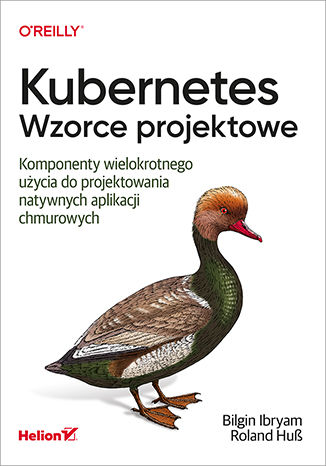
Bilgin Ibryam, Roland Huß
Kubernetes jest platformą do orkiestracji kontenerów. Projekt ten należy dziś do najpopularniejszych i najbogatszych narzędzi w swojej klasie, stanowi także podstawę dla wielu innych platform, znanych jako systemy typu PaaS. Dzięki nim Kubernetes zyskał możliwość tworzenia aplikacji, jednak tego rodzaju narzędzia wymagają od programistów i architektów zastosowania odpowiednich wzorców projektowych. Opisują one schematy rozwiązywania problemów na różnych poziomach dokładności, a tym samym umożliwiają efektywne projektowanie i implementację nowoczesnych, elastycznych natywnych aplikacji chmurowych w Kubernetesie. To książka przeznaczona dla programistów, którzy chcą rozwijać chmurowe aplikacje dla Kubernetesa. Opisano w niej wiele przydatnych wzorców, przedstawiono ich możliwości i wytyczne do stosowania. Poszczególne zagadnienia zostały zilustrowane praktycznymi przykładami. Wśród wzorców znalazły się te, które ułatwiają tworzenie aplikacji chmurowych, oraz umożliwiające zarządzanie interakcjami między kontenerami i platformami. Opisano tu różne metody konfiguracji aplikacji w Kubernetesie oraz zasady organizowania kontenerów w ramach kapsuły. Wprowadzono również szereg bardziej zaawansowanych tematów, takich jak techniki rozszerzania platformy czy tworzenie obrazów kontenerów. Poszczególne wzorce nadają się do wielokrotnego użytku i są szczególnie przydatne w przypadku natywnych środowisk chmurowych. W książce opisano następujące kategorie wzorców: wzorce podstawowe wzorce zachowań wzorce strukturalne wzorce konfiguracji wzorce zaawansowane Kubernetes: rzeczywiste rozwiązanie istotnych problemów!
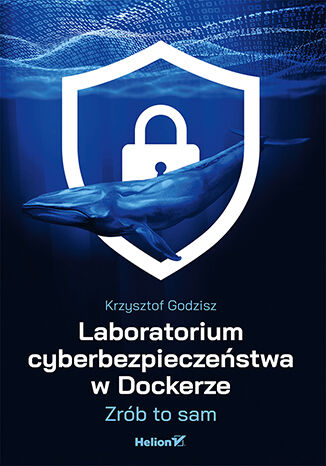
Laboratorium cyberbezpieczeństwa w Dockerze. Zrób to sam
Krzysztof Godzisz
Izolacja procesów i środowisk to dziś jeden z najważniejszych mechanizmów zapewniania bezpieczeństwa systemów IT. Dzięki temu możemy nie tylko bezpiecznie uruchamiać niezaufane zasoby, ale przede wszystkim przeprowadzać testy penetracyjne i badać złośliwe oprogramowanie bez ryzyka, że zainfekuje ono natywne środowisko. Jedną z najwyższych form izolacji jest konteneryzacja - użytkownik ma wówczas praktycznie całkowitą kontrolę na relacją pomiędzy kontenerem a systemem operacyjnym hosta. W ostatnich latach na lidera konteneryzacji wyrosło środowisko uruchomieniowe Docker. Dzięki funkcjonalności, wygodnej obsłudze i szerokiej kompatybilności z różnymi systemami operacyjnymi stanowi on dziś techniczny standard. Docker otwiera przed badaczami cyberbezpieczeństwa nowe możliwości testowania oprogramowania pod kątem bezpieczeństwa i analizy wszelkiej maści malware bez konieczności budowania kosztownej infrastruktury - dzięki Dockerowi i konteneryzacji swoje laboratorium można zbudować w obrębie pojedynczej stacji roboczej. Laboratorium cyberbezpieczeństwa w Dockerze. Zrób to sam to przewodnik instruujący krok po kroku, jak zbudować własne laboratorium w kontenerze Dockera. Szczegółowo omawia proces instalacji środowiska na różnych dystrybucjach Linuksa i jego konfiguracji, a także kwestie związane z zarządzaniem kontenerami i budowaniem zależności. Najważniejsze zagadnienia: instalacja i konfiguracja Dockera zarządzanie kontenerami budowanie sieci Dockera obsługa narzędzi pentesterskich budowanie i uruchamianie multikontenerów zarządzanie podatnościami Zbuduj własny cybersec lab - najlepiej w Dockerze!
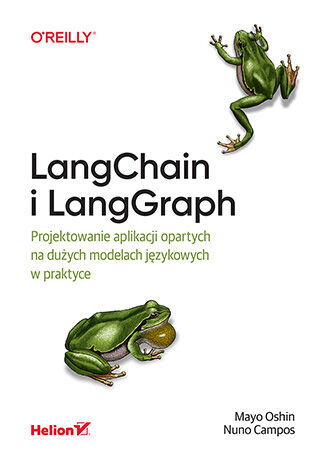
LangChain i LangGraph. Projektowanie aplikacji opartych na dużych modelach językowych w praktyce
Mayo Oshin, Nuno Campos
Jak zacząć tworzyć aplikacje AI, które potrafią wnioskować i wyszukiwać zewnętrzne dane w celu zapewniania odpowiedniego kontekstu? Sięgnij po LangChain! To popularne narzędzie programistyczne służy do tworzenia, uruchamiania aplikacji LLM, a także zarządzania nimi. LangChain jest używany przez wiele znanych firm, a jego popularność dynamicznie rośnie. To lektura obowiązkowa dla programistów, którzy chcą przesuwać granice możliwości LangChain! Tom Taulli, konsultant IT i autor książek Jeśli znasz Pythona lub JavaScript i chcesz rozpocząć przygodę z aplikacjami AI ta książka jest dla Ciebie! Krok po kroku zbudujesz agenta AI korzystającego ze wskazanego źródła danych, wyposażysz go w mechanizmy autoryzacji działań i umożliwisz mu zdobywanie dodatkowych informacji lub wyjaśnień. Dowiesz się, jak przygotować go do pracy w środowisku produkcyjnym z uwzględnieniem kwestii opóźnień, niezawodności i bezpieczeństwa. Nauczysz się również monitorować i stale ulepszać swoje aplikacje. Najciekawsze zagadnienia: zwiększanie dokładności LLM za pomocą techniki RAG inteligentna komunikacja aplikacji AI z użytkownikami architektura agentowa z wykorzystaniem LangGraph integracja z interfejsami API i narzędziami firm trzecich monitorowanie, testowanie i ewaluacja aplikacji AI praktyczne zastosowanie biblioteki LangChain Ta książka sprawia, że nauka LangChain jest interesująca i zabawna! Rajat K. Goel, IBM
LangChain in your Pocket. LangChain Essentials: From Basic Concepts to Advanced Applications
Mehul Gupta
LangChain in your Pocket offers a detailed exploration into the LangChain framework, designed to enhance your skills in developing sophisticated language understanding models and applications. This book begins with the basics, introducing you to the fundamental concepts of LangChain through a simple Hello World example. As you progress, you'll delve into various LangChain modules, learning how to create agents, manage memory, and utilize output parsers effectively.The journey continues as you explore the RAG Framework, vector databases, and their applications in natural language processing, providing you with the tools to tackle common NLP problems efficiently. The book also addresses critical aspects of working with large language models (LLMs), such as prompt engineering, handling hallucinations, and evaluating model outputs. Advanced topics like autonomous AI agents and the integration of LangSmith and LangServe are covered, giving you a holistic view of what you can achieve with LangChain.By the end of this book, you will not only understand the technical aspects of LangChain but also how to apply these principles in real-world scenarios, making it an essential resource for anyone looking to advance their capabilities in AI and language processing.
Terry Matula, Alfred Nutile
Laravel is a prominent member of a new generation of web frameworks. It is one of the most popular PHP frameworks and is also free and an open source. Laravel 5 is a substantial upgrade with a lot of new toys, at the same time retaining the features that made Laravel wildly successful. It comes with plenty of architectural as well as design-based changes.The book is a blend of numerous recipes that will give you all the necessary tips you need to build an application. It starts with basic installation and configuration tasks and will get you up-and-running in no time. You will learn to create and customize your PHP app and tweak and re-design your existing apps for better performance. You will learn to implement practical recipes to utilize Laravel’s modular structure, the latest method injection, route caching, and interfacing techniques to create responsive modern-day PHP apps that stand on their own against other apps. Efficient testing and deploying techniques will make you more confident with your Laravel skills as you move ahead with this book.Towards the end of the book, you will understand a number of add-ons and new features essential to finalize your application to make it ready for subscriptions. You will be empowered to get your application out to the world.
Mercury Learning and Information, Oswald Campesato
This book provides a comprehensive overview of large language models (LLMs) and generative AI, covering foundational principles, advanced concepts, and practical applications. It begins with an introduction to the generative AI landscape, examining key features, popular techniques, and its influence on industries like art, business, and technology. The book also explores prominent models like ChatGPT and GPT-4, detailing their architectures, capabilities, and applications in text generation, code assistance, and conversational AI.Additionally, the book traces the evolution of LLMs, particularly focusing on the BERT family and its wide-ranging applications in natural language processing, translation, and multilingual tasks. Readers will also gain expertise in prompt engineering, learning practical tips and examples to interact more effectively with LLMs.In later chapters, the book tackles advanced topics such as fine-tuning LLMs, working with SVG, and concepts like few-shot learning and reinforcement learning. It concludes with discussions on ethical issues, biases in generative AI, and emerging trends like AI’s integration with IoT, quantum computing, and neuromorphic computing. This guide equips professionals and enthusiasts with a thorough understanding of generative AI's present and future.
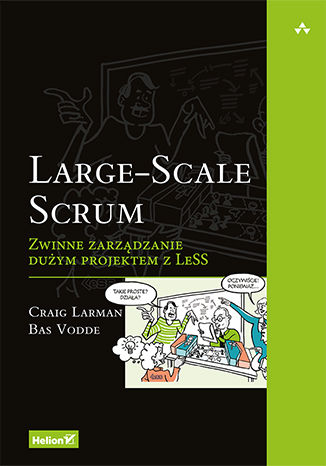
Large-Scale Scrum. Zwinne zarządzanie dużym projektem z LeSS
Craig Larman, Bas Vodde
Large-Scale Scrum. Zwinne zarządzanie dużym projektem Scrum stoi w opozycji do tradycyjnych, hierarchicznych sposobów zarządzania procesami rozwoju oprogramowania. Pozwala na uzyskanie elastyczności i szybkości działania, dzięki czemu możliwe jest zaspokojenie coraz bardziej złożonych wymagań klientów. Metody zwinne doskonale sprawdzają się również w większej skali. Large-Scale Scrum, czyli LeSS, umożliwia pomyślne zarządzanie olbrzymimi międzynarodowymi projektami o dużej złożoności technicznej dzięki prostocie, skupieniu się na najistotniejszych aspektach zagadnień, a przede wszystkim dzięki ciągłemu zwracaniu uwagi na doskonałość techniczną. Niniejsza książka jest przeznaczona dla każdego, kto chce poznać praktyczne aspekty wdrażania LeSS w procesach rozwijania oprogramowania. Jest szczególnie wartościowa dla osób zarządzających dużymi, skomplikowanymi projektami. Poza wyjaśnieniem koncepcji i zasad Scruma przedstawiono tu wnioski płynące z wielu lat doświadczeń wdrażania LeSS w przeróżnych organizacjach. Pokazano, jak można zapewnić, że dostarczony produkt będzie wyższej jakości, będzie prezentował wartości szczególnie cenne dla klienta, zespół będzie pracował wydajniej, elastyczniej i w o wiele prostszy sposób, a poszczególne cele będą osiągane przy znacznie mniejszej formalizacji! Najważniejsze zagadnienia: podstawowe pojęcia LeSS, obowiązujące reguły i zasady techniki skalowania procesów zwinnych zarządzanie pracą zespołów stosujących Scrum stosowanie frameworka LeSS Huge zasady pracy Mistrza Młyna sprinty LeSS Craig Larman urodził się w Kanadzie. Specjalizuje się w kilku technikach projektowania oprogramowania, w tym również w metodykach zwinnych. Jest uznanym konsultantem i autorem wielu książek dotyczących rozwoju oprogramowania. Jako współtwórca LeSS od kilku lat angażuje się we wdrażanie tej metody w różnych organizacjach. Bas Vodde urodził się w Holandii, obecnie mieszka w Singapurze. Jest trenerem, konsultantem, programistą i autorem książek. Specjalizuje się we wdrażaniu nowoczesnych technik rozwijania aplikacji, przede wszystkim w metodykach zwinnych. Wdrażał metodę Scrum w wielu różnych firmach, w tym w Nokia Networks. LeSS: przygotuj swój zespół na sukces w dużej skali!

Marcin Szpyrka
Poznaj profesjonalny system składu dokumentów technicznych i naukowych LaTeX to system składu - zarówno oprogramowanie, jak i zestaw instrukcji - umożliwiający tworzenie dowolnego typu dokumentów o wysokiej jakości typograficznej. Sprawdza się szczególnie w pracy z treściami technicznymi i naukowymi. Dokumenty złożone w LaTeX-u cechuje determinizm, co oznacza, że niezależnie od systemu operacyjnego, pod którym odbywa się ich kompilacja, czy też drukarki użytej do drukowania tych materiałów uzyskuje się ten sam, w pełni przewidywalny efekt. Ten podręcznik, bazujący na bogatym doświadczeniu praktycznym i dydaktycznym autora, powstał z myślą o osobach, które chcą rozpocząć pracę w systemie LaTeX. Dzięki lekturze: Poznasz popularne środowiska pracy z systemem LaTeX Dowiesz się, jak dostosować wygląd dokumentu - od formatowania fragmentów tekstu po szczegóły kompozycji całych stron Opanujesz umiejętność składania tabel, wzorów matematycznych i eleganckich listingów z kodem Nauczysz się tworzyć grafikę w narzędziach najlepiej współpracujących z systemem LaTeX i zarządzać nią z perspektywy dokumentu Przygotujesz swoją pierwszą prezentację w LaTeX-u Wszystkie poruszone w podręczniku tematy zostały zilustrowane licznymi i szczegółowo omówionymi przykładami, a złożone zagadnienia wyjaśniono krok po kroku, prostym językiem, co czyni tę książkę przystępną dla każdego czytelnika - bez względu na obszar zainteresowań.
Vladimir Dementyev
Rails accelerates web development with its convention-over-configuration principle and MVC pattern. But as your app grows, that simplicity can turn into tangled complexity, making it harder to maintain and extend. The second edition of Layered Design for Ruby on Rails Applications helps tackle this challenge head on, guiding you toward a more scalable and maintainable architecture.Written by a seasoned software engineer and open source contributor to Ruby on Rails, this updated edition refines the proven techniques from the first edition and introduces timely new topics that reflect today’s development challenges. You’ll dive deeper into state machines and workflows, learning how to identify, embed, and eventually isolate them for clarity and resilience. You’ll also explore the exciting frontier of abstractions in the AI era, treating LLMs as APIs, structuring agent layers, and integrating third-party libraries to keep your AI features organized and testable.By embracing layered abstractions, you’ll not only reduce complexity but also improve your ability to adapt to change - whether adding new features, scaling systems, or weaving AI capabilities into your applications.By the end of the book, you’ll be equipped to design clean, extensible, and future-ready Rails applications.*Email sign-up and proof of purchase required
Mike van Drongelen, Aravind Krishnaswamy, Adam Dennis
Lean is the ultimate methodology for creating a startup that succeeds. Sounds great from a theoretical point of view, but what does that mean for you as an a technical co-founder or mobile developer? By applying the Lean Start-up methodology to your mobile App development, it will become so much easier to build apps that take Google Play or the App Store by storm. This book shows you how to bring together smarter business processes with technical know-how.It makes no sense to develop a brilliant app for six months or longer only to find out later that nobody is interested in it. Build a Minimum Viable Product (MVP) first. Validate your hypotheses early and often. Discover effective product development strategies that let you put Facebook's famous axiom move fast and break thingsinto practice. A great app without visibility and marketing clout is nothing, so use this book to market your app, making use of effective metrics that help you track and iterate all aspects of project performance.