
Programowanie
Niezależnie czy dopiero rozpoczynacie swoją przygodę z programowaniem, czy jesteście już uznanymi na rynku profesjonalistami, to w kategorii Programowanie na pewno znajdziecie podręczniki, które pomogą Wam w przebiegu pracy, czy też w nauce podstaw programowania.
W książkach z tego działu zawarta jest wiedza zarówno związana z czysto technicznymi sprawami typu składnia języków, ale także z umiejętnościami bardziej "miękkimi" jak obsługa i wykorzystanie pełnych możliwości środowisk programistycznych, czy też projektowanie oprogramowania lub metody numeryczne czy oraz struktury danych.
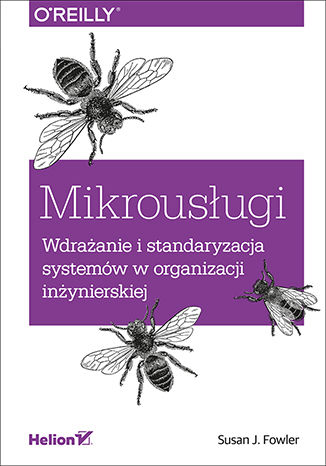
Mikrousługi. Wdrażanie i standaryzacja systemów w organizacji inżynierskiej
Susan J. Fowler
Ostatnio coraz częściej projektuje się systemy oparte na mikrousługach. W odróżnieniu od aplikacji monolitycznych są one bardziej skalowalne, efektywniejsze, a także łatwiejsze w implementacji, rozwijaniu i utrzymaniu. Dzięki zastosowaniu architektury mikrousług i kontenerów programiści mogą skupić się na danym elemencie, nie zajmując się całością aplikacji. Okazuje się jednak, że przejście na architekturę mikrousług nie jest proste. Problemem jest brak gotowych standardów architektonicznych, operacyjnych i organizacyjnych, które ułatwiałyby pełne wykorzystanie niewątpliwych zalet architektury mikrousług. Niniejsza książka jest praktycznym poradnikiem dla inżynierów, menedżerów i architektów oprogramowania odpowiedzialnych za przygotowanie i funkcjonowanie systemów w firmach inżynierskich. Nie jest to podręcznik przedstawiający operacje wdrożeniowe „krok po kroku”, jednak wyjaśniono tu niezbędne pojęcia i pokazano zasady budowania mikrousług. Opisano również szereg strategii ich implementacji. Niezwykle cenną cechą książki jest podejście oparte na standaryzacji: dzięki temu łatwiej jest zaprojektować mikrousługi, które są stabilne, niezawodne, skalowalne, odporne na uszkodzenia, wydajne, monitorowane i udokumentowane. Najważniejsze zagadnienia: mikrousługi, ich budowa i ekosystem standardy gotowości bazujące na dostępności mikrousług standardy projektowania cyklu życiowego mikrousług budowa odporności na awarie i strategie wykrywania błędów właściwe podejście do dokumentacji konserwacja systemu i strategie zarządzania zależnościami Wdrażaj mikrousługi w najlepszym sprawdzonym standardzie! Susan Fowler pracuje w firmie Uber Technologies, gdzie zajmuje się przygotowaniem mikrousług do wdrożenia w produkcji. Przed dołączeniem do Ubera pracowała nad platformami aplikacji i infrastrukturą w kilku małych firmach. Wcześniej studiowała fizykę cząstek elementarnych na Uniwersytecie w Pensylwanii. Interesuje się nie tylko technologiami informatycznymi i fizyką, ale i matematyką oraz filozofią. Jednym z jej marzeń jest napisanie symfonii i... scenariusza sitcomu.
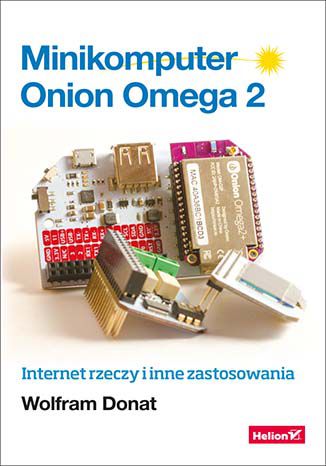
Minikomputer Onion Omega 2. Internet rzeczy i inne zastosowania
Wolfram Donat
Minikomputer Onion Omega 2 jest jedną z ciekawszych propozycji na rynku małych urządzeń jednopłytkowych (SBC). Został opracowany do zastosowań w internecie rzeczy. Działa pod kontrolą jednej z odmian Linuksa, systemu OpenWrt. Ma niewielkie rozmiary (43x26x10 mm), jego procesor MIPS pracuje z częstotliwością 580 MHz, może obsłużyć pamięć RAM do 256 MB i czytnik kart SD. Radzi sobie z kilkoma różnymi protokołami łączności, dzięki czemu bez trudu można go podłączyć do zwykłego komputera i komunikować się z nim za pomocą konsoli wyświetlanej w przeglądarce. Możliwości "cebuli" można łatwo rozszerzać za pomocą dostępnych płytek i modułów. To świetna propozycja dla każdego amatora elektroniki i robotyki! Ta książka jest wyjątkowo zwięzłym, a przy tym przystępnie napisanym i praktycznym podręcznikiem, dzięki któremu błyskawicznie uzyskasz wiedzę potrzebną do uruchomienia minikomputera Onion Omega 2 i rozpoczęcia pracy. Aby wykonać opisane tu projekty, potrzebujesz minikomputera Omega 2, modułu zasilającego, rozszerzenia przekaźnikowego i rozszerzenia z ekranem OLED. Przyda się też podstawowa znajomość Linuksa i Pythona. Dzięki książce w krótkim czasie poszerzysz horyzonty, zdobędziesz kilka nowych umiejętności, nauczysz się pracy z komponentami sprzętowymi - i będziesz gotów, by w pełni samodzielnie przygotować i wykonać kolejne projekty z zastosowaniem tego świetnego minikomputera. Najważniejsze zagadnienia: montaż i konfiguracja minikomputera konsola Onion Omegi zastosowanie Pythona własne projekty: "Tweetująca cebula" i "Światłolub" Onion Omega 2: pasjonująca droga do internetu rzeczy!
Nick Proud
Written by an esteemed technology leader, a .NET specialist, and Microsoft MVP for Developer Technologies, Minimal APIs in ASP.NET 9 provides you with specialized insights into the latest advancements in .NET technology, particularly minimal APIs.You’ll get your first minimal API set up and running, before exploring the anatomy of a typical minimal API project, seeing how the framework can be used to create various HTTP endpoints, route, and validate requests, as well as enhancing those requests with custom middleware. After covering the basics, you’ll move on to data mapping, managing important dependencies through dependency injection and integrating your minimal APIs with data sources such as Entity Framework, Dapper, and SQL databases for creating CRUD operations. The chapters also walk you through performance optimization, asynchronous programming, and caching, which’ll allow you to examine the more advanced aspects of minimal API development, with code examples reflecting real-world scenarios.By the end of this book, you’ll be armed with the necessary best practices and skills needed for deploying performant, elegant, and scalable minimal APIs in .NET.
Mistrz czystego kodu. Kodeks postępowania profesjonalnych programistów
Robert C. Martin
Mistrz czystego kodu. Kodeks postępowania profesjonalnych programistów Podręcznik profesjonalnego programisty! Robert C. Martin, znany jako Uncle Bob, to jeden z prawdziwych gwiazdorów branży IT, człowiek o niezwykłej charyzmie, rewelacyjnym podejściu do słuchaczy i poczuciu humoru. O jego czas wciąż biją się konferencje branżowe. Poza działalnością ekspercką Martin zajmuje się pisaniem książek - m.in. jest autorem znanego każdemu programiście tytułu Czysty kod. Książka, którą trzymasz w rękach, jest udaną kontynuacją tej pozycji. W trakcie lektury dowiesz się, jakie cechy charakteryzują profesjonalnego programistę, a jest ich sporo! W pierwszej kolejności musisz nauczyć się mówić "nie". Są też sytuacje, kiedy trzeba powiedzieć "tak" - dowiesz się, kiedy i jak to robić. Ponadto poznasz najlepsze techniki zarządzania czasem oraz przekonasz się, jak presja, zmęczenie i pośpiech wpływają na jakość Twojego kodu. W kolejnych rozdziałach Robert C. Martin zapozna Cię z różnymi sposobami podejścia do testowania kodu oraz współpracy między programistami a innymi ludźmi. Książka ta jest długo wyczekiwaną pozycją na rynku - nie pozwól, żeby ktoś miał ją przed Tobą! Zobacz, jak Uncle Bob: radzi sobie z presją mówi "nie" i "tak" zarządza czasem tworzy kod wysokiej jakości Obowiązkowa lektura każdego programisty!
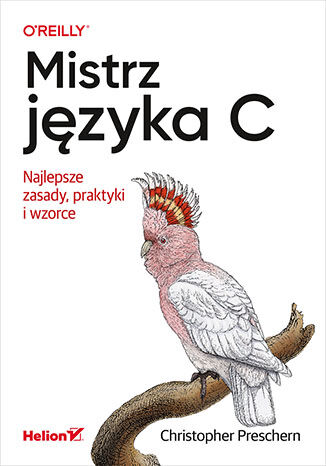
Mistrz języka C. Najlepsze zasady, praktyki i wzorce
Christopher Preschern
Język C mimo upływu lat wciąż wydaje się niezastąpiony. Umożliwia pisanie zwięzłego kodu, który działa szybko mimo niewielkich zasobów sprzętowych. Choć wielu programistów używa C, trudno jest znaleźć eksperckie wskazówki dotyczące programowania w tym języku. Tymczasem w profesjonalnych zastosowaniach podjęcie optymalnych decyzji projektowych warunkuje uzyskanie wysokiej jakości gotowego kodu. To świetna pozycja, dzięki której Twój kod będzie bardziej przejrzysty i łatwiejszy w konserwacji. David Griffiths, autor książki Head First C W tym poradniku, skierowanym do początkujących i doświadczonych programistów języka C, zawarto wiele informacji o podejmowaniu decyzji projektowych, pokazano też krok po kroku, jak wpływają one na tworzenie złożonego oprogramowania. Znajdziesz tu odpowiedzi na trudne pytania o projektowanie struktury programów w C, obsługę błędów czy tworzenie elastycznych interfejsów. Liczne wskazówki i przykłady ułatwią Ci przekładanie wiedzy projektowej na działające implementacje. Druga część książki stanowi omówienie zastosowania licznych wzorców projektowych z języka C do tworzenia większych aplikacji. Dowiesz się, jakie wzorce stosuje się w konkretnych sytuacjach, a także w jaki sposób mogą ułatwić Ci pracę dzięki wskazywaniu dobrych decyzji projektowych. W książce omówiono wzorce dotyczące: obsługi błędów i komunikatów o błędach zarządzania pamięcią elastycznych API i interfejsów iteratorów organizowania plików w programach modułowych ucieczki z piekła instrukcji #ifdef Ta książka pokaże początkującym, jak tworzyć w C produkty klasy przemysłowej! Robert Hanmer, architekt oprogramowania
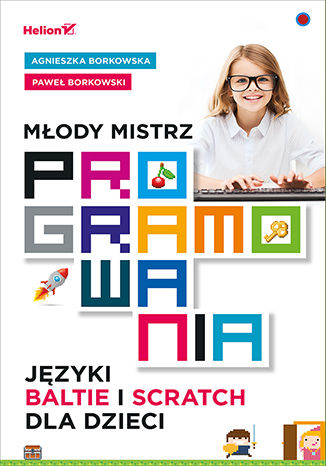
Młody mistrz programowania. Języki Baltie i Scratch dla dzieci
Agnieszka Borkowska, Paweł Borkowski
Czarowanie na ekranie! W krainie Baltiego, czyli poznaj świat czarodzieja Na Skreczowisku, czyli zaprogramuj sobie grę Gry komputerowe to jedna z tych rzeczy, które dzieci lubią najbardziej. Zwykle mogłyby bez końca siedzieć przed ekranem i zabijać kolejne smoki, projektować domy, przedzierać się przez dżunglę lub jeździć wyścigówkami. Jednak rzadko przychodzi im do głowy, że równie wielką przyjemność może sprawić zaprojektowanie i zbudowanie własnej gry! Tu zaczyna się Twoje zadanie. Nie musisz być programistą, żeby pomóc swojemu dziecku odkryć fascynujący świat programowania — wystarczy Ci ta książka. Zainstaluj proste, przyjazne dzieciom środowiska Baltie i Scratch, by rozpocząć podróż po czarodziejskiej krainie. Z pierwszymi zadaniami z powodzeniem poradzą sobie nawet kilkulatki, a im dalej w las, tym ciekawsze stają się wyzwania. Dzieci szybko uczą się, jak działać w świecie duszków, obiektów i poleceń. Co więcej, sprawia im to dużą frajdę. I wreszcie nadchodzi ten moment, gdy wiedzą już, o co chodzi w tym całym programowaniu — a jest to wiedza niezwykle cenna w dzisiejszych czasach! Na pomoc czarodziejowi Korespondencja To, czego nigdy nie było Drugi stopień wtajemniczenia Porwanie Karciane pola Księga Czarów Hokus, fokus, pokus Pierwsze spotkanie z kotem Budujemy grę Najtrudniejsze zagadnienia Łagodnie wprowadź dziecko w świat programowania!
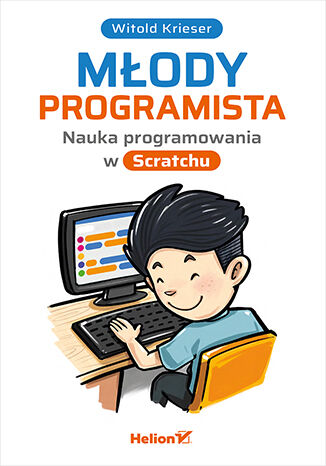
Młody programista. Nauka programowania w Scratchu
Witold Krieser
Baw się ― i ucz się programowania! Programowanie to dziś niezwykle ważna umiejętność. I wszystko wskazuje na to, że jego znaczenie będzie tylko rosło. Warto więc zawczasu pomyśleć o przyszłości swojego dziecka i pomóc mu rozpocząć przygodę z programowaniem. Tym bardziej że istnieje Scratch ― język kodowania, wokół którego skupia się liczna społeczność internetowa ― pozwalający tworzyć własne interaktywne historie, gry i animacje i dzielić się nimi z ludźmi na całym świecie. A że Scratch powstał z myślą o młodych programistach, w wieku 8 – 16 lat, idealnie się sprawdza jako pierwszy język przyszłego informatyka. Na rynku jest dostępnych wiele opracowań poświęconych obsłudze Scratcha. Tę książkę wyróżnia to, że zawiera niezbędne minimum tekstu, za to maksymalnie dużo grafik. Za ich pośrednictwem autor pokazuje podstawowe instrukcje języka i programy pomagające kreować rozmaite kształty. Młody czytelnik będzie w stanie każdy z tych programów przeanalizować, wprowadzić do Scratcha, wreszcie ― sprawdzić jego działanie. Wszystko po to, by samodzielnie tworzyć ciekawe efekty graficzne, animacje i gry.
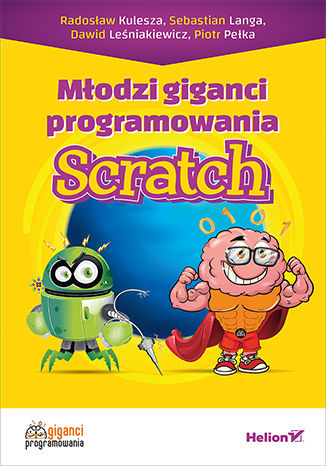
Młodzi giganci programowania. Scratch
Radosław Kulesza, Sebastian Langa, Dawid Leśniakiewicz, Piotr...
Nauka programowania? Ze Scratchem to nic trudnego! Nudzą Cię już gry komputerowe i zwykłe przeglądanie internetu? Uważasz, że stać Cię na więcej? Masz ochotę zaskoczyć kolegów z klasy? A może po prostu... chcesz nauczyć się programować? Jeśli tak, to dobrze trafiłeś! Scratch to doskonałe narzędzie, dzięki któremu młodzi pasjonaci na całym świecie bez trudu poznają tajniki programowania komputerów od podstaw. Scratch ułatwia rozpoczęcie nauki i umożliwia szybkie tworzenie atrakcyjnych gier, animacji i aplikacji, będąc przy tym narzędziem zupełnie bezpłatnym. Jeśli chcesz dołączyć do społeczności użytkowników Scratcha, jesteś na dobrym tropie! Książka Młodzi giganci programowania. Scratch szybko i bezboleśnie wprowadzi Cię w niezwykły świat. Krok po kroku poznasz sposób tworzenia gier komputerowych i przeżyjesz przy tym wspaniałą przygodę! Ta publikacja sprawdzi się zarówno w przypadku młodych adeptów sztuki programowania, jak i nauczycieli zainteresowanych prowadzeniem zajęć z informatyki dla najmłodszych. Pierwsza część zawiera bardzo dokładny opis środowiska, a druga to doskonałe pomysły na rozbudowane gry komputerowe. Elementy środowiska Scratch i sposoby ich wykorzystania Używanie i edycja postaci, kostiumów oraz teł Korzystanie z możliwości ruchu i efektów dźwiękowych Posługiwanie się danymi, blokami i wyrażeniami Obsługa zdarzeń i czujników, korzystanie z możliwości kontroli Praktyczne pomysły na prawdziwe gry komputerowe Zacznij programować już dziś i szybko opracuj swoją pierwszą grę komputerową!