
Programowanie
Niezależnie czy dopiero rozpoczynacie swoją przygodę z programowaniem, czy jesteście już uznanymi na rynku profesjonalistami, to w kategorii Programowanie na pewno znajdziecie podręczniki, które pomogą Wam w przebiegu pracy, czy też w nauce podstaw programowania.
W książkach z tego działu zawarta jest wiedza zarówno związana z czysto technicznymi sprawami typu składnia języków, ale także z umiejętnościami bardziej "miękkimi" jak obsługa i wykorzystanie pełnych możliwości środowisk programistycznych, czy też projektowanie oprogramowania lub metody numeryczne czy oraz struktury danych.
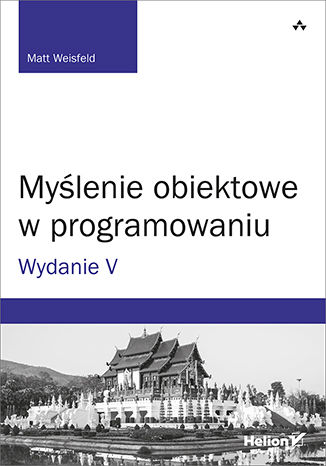
Myślenie obiektowe w programowaniu. Wydanie V
Matt Weisfeld
Burzliwy rozwój obiektowości nastąpił w połowie lat 90. wraz z upowszechnieniem się takich języków jak C++ czy Smalltalk. Obecnie programowanie zorientowane obiektowo wciąż jest jednym z najważniejszych paradygmatów projektowania. Łatwo zauważyć, że większość nowoczesnych języków programowania i technologii sieciowych opiera się na technikach obiektowych. Nieco trudniej jest dostrzec, że mimo szybkiego ewoluowania technik i języków programistycznych podstawowe pojęcia programowania obiektowego pozostają niezmienne i niezależne od jakiejkolwiek platformy. Początkujący programiści powinni więc poświęcić nieco czasu na zapoznanie się z tymi pojęciami i naukę czegoś, co można nazwać "myśleniem obiektowym w programowaniu". Ta książka jest kolejnym, poprawionym i uzupełnionym wydaniem wyczerpującego wprowadzenia do programowania zorientowanego obiektowo. Jej głównym celem jest przedstawienie podstaw myślenia obiektowego i najważniejszych pojęć w tym zakresie. Wyjaśniono tu, w jaki sposób poprawnie posługiwać się dziedziczeniem i kompozycją, odróżniać agregację od asocjacji oraz zrozumieć różnice między interfejsem a implementacją. Szczególną uwagę zwrócono na technologie, które przetrwały próbę czasu ostatnich 20 lat i stały się rdzeniem koncepcji programowania obiektowego. Opisano też najważniejsze wzorce projektowe, wskazano techniki unikania zależności i zaprezentowano zasady zwane SOLID, których przestrzeganie pozwala tworzyć kod wysokiej jakości, zrozumiały i elastyczny. Dzięki tej książce: zrozumiesz podstawowe pojęcia obiektowości zaczniesz myśleć abstrakcyjnie podczas projektowania interfejsów nauczysz się budowy i zasad modelowania klas będziesz tworzyć kod, który będzie się nadawał do wielokrotnego wykorzystania zaczniesz unikać zależności i silnych powiązań między klasami przyswoisz sobie i będziesz stosować zasady SOLID Techniki obiektowe. Zrozum, zanim zaimplementujesz!
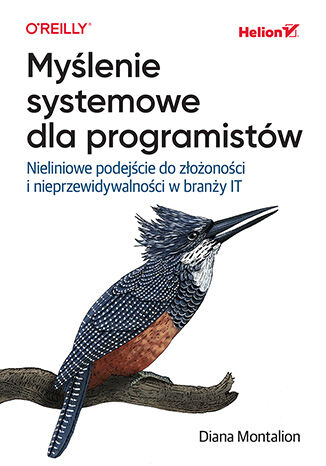
Diana Montalion
Dziś programiści nie piszą już programów, tylko tworzą systemy oprogramowania. Wymaga to ciągłego wdrażania zmian w ekosystemach oprogramowania koordynowanych przez responsywną infrastrukturę. A to oznacza, że musisz myśleć inaczej: systemowo. Myślenie systemowe zwiększa efektywność i ułatwia wprowadzanie istotnych zmian. Jednak aby nauczyć się myśleć, komunikować i funkcjonować systemowo, musisz rozszerzyć swój zestaw umiejętności. Dzięki tej książce opanujesz kluczowe koncepcje myślenia systemowego i nauczysz się stosować je w praktyce. Poznasz podejście nieliniowe, które pozwala lepiej rozumieć złożoność współczesnych systemów IT i skutecznie nimi zarządzać. Nauczysz się identyfikować wzorce, przewidywać konsekwencje decyzji technologicznych, a także budować skalowalne, elastyczne architektury. Praktyczne przykłady i klarowne wyjaśnienia pomogą Ci zastosować zdobytą wiedzę w codziennej pracy, niezależnie od tego, czy tworzysz małe aplikacje, czy projektujesz wielkoskalowe systemy. To niezbędny przewodnik dla każdego, kto chce myśleć jak inżynier systemowy! Dowiedz się, jak: myślenie liniowe ogranicza zdolność do rozwiązywania problemów systemowych pokonać typowe przeszkody utrudniające myślenie systemowe w praktyce zmienić sposób myślenia, uczenia się i przewodzenia skutecznie opracowywać solidne rekomendacje mierzyć sukces w obliczu złożoności i niepewności Gdy wprowadzanie zmian w kodzie jest łatwe, ale modyfikowanie oprogramowania okazuje się coraz trudniejsze, nadchodzi czas na lekturę tej książki. Jessica Kerr, ekspertka
Tom Ryder
Network monitoring requires significantly more than just pinging hosts. This cookbook will help you to comprehensively test your networks' major functions on a regular basis.Nagios Core Administration Cookbook will show you how to use Nagios Core as a monitoring framework that understands the layers and subtleties of the network for intelligent monitoring and notification behaviour. Nagios Core Administration Guide introduces the reader to methods of extending Nagios Core into a network monitoring solution. The book begins by covering the basic structure of hosts, services, and contacts and then goes on to discuss advanced usage of checks and notifications, and configuring intelligent behaviour with network paths and dependencies. The cookbook emphasizes using Nagios Core as an extensible monitoring framework. By the end of the book, you will learn that Nagios Core is capable of doing much more than pinging a host or to check if websites respond.
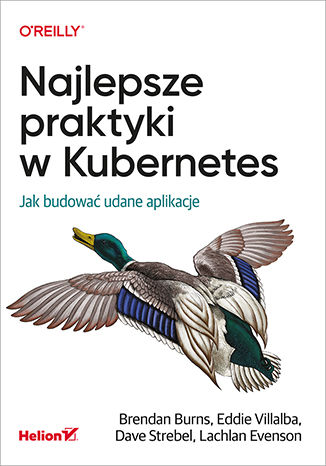
Najlepsze praktyki w Kubernetes. Jak budować udane aplikacje
Brendan Burns, Eddie Villalba, Dave Strebel, Lachlan...
Systemy informatyczne oparte na chmurze stały się atrakcyjną alternatywą dla standardowej infrastruktury. Wymusiły jednak radykalne zmiany w praktykach tworzenia, wdrażania i utrzymywania aplikacji. Dziś uwaga profesjonalistów skupiona jest na Kubernetes, który w ciągu zaledwie kilku lat stał się faktycznym standardem wdrażania natywnej chmury. Aby tworzone aplikacje funkcjonowały wydajnie, bezawaryjnie i niezawodnie, warto wdrożyć i stosować wzorce i najlepsze praktyki. Konieczne jest również przemodelowanie sposobu pracy programistów. Ta książka jest przeznaczona dla profesjonalnych użytkowników Kubernetes, którzy chcą poznać wzorce i najlepsze praktyki przy wdrażaniu rzeczywistych rozwiązań. Znalazły się tu informacje o jego działaniu w różnych skalach, topologiach i domenach, a także liczne przykłady zastosowania omawianych technologii. Sporo miejsca poświęcono zagadnieniom projektowania aplikacji, konfiguracji i działania usług Kubernetes, a także ciągłej integracji i testowania aplikacji. Ważnym zagadnieniem są takie aspekty zarządzania klastrem jak przydzielanie zasobów, zapewnienie bezpieczeństwa czy autoryzacja i dostęp do klastra. Prezentowane treści zilustrowano fragmentami przejrzystego kodu, co dodatkowo zwiększa przydatność tej książki w pracy inżyniera. Najciekawsze zagadnienia: konfiguracja i projektowanie aplikacji w Kubernetes wzorce monitorowania i zarządzanie uaktualnieniami aplikacji wdrażanie i wycofywanie aplikacji Kubernetes polityka sieciowa i współpraca Kubernetes z architekturą Service Mesh platformy wysokiego poziomu na bazie Kubernetes Kubernetes i uczenie maszynowe Najlepsze praktyki w Kubernetes: poradzisz sobie z każdym wyzwaniem!
NativeScript for Angular Mobile Development. Creating dynamic mobile apps for iOS and Android
Nathanael J. Anderson, Nathan Walker
NativeScript is an open source framework that is built by Progress in order to build truly native mobile apps with TypeScript, JavaScript or just Angular which is an open source framework built by Google that offers declarative templates, dependency injection, and fully featured modules to build rich applications. Angular’s versatile view handling architecture allows your views to be rendered as highly performant UI components native to iOS and Android mobile platforms. This decoupling of the view rendering layer in Angular combined with the power of native APIs with NativeScript have together created the powerful and exciting technology stack of NativeScript for Angular.This book focuses on the key concepts that you will need to know to build a NativeScript for Angular mobile app for iOS and Android. We’ll build a fun multitrack recording studio app, touching on powerful key concepts from both technologies that you may need to know when you start building an app of your own. The structure of the book takes the reader from a void to a deployed app on both the App Store and Google Play, serving as a reference guide and valuable tips/tricks handbook.By the end of this book, you’ll know majority of key concepts needed to build a successful NativeScript for Angular app.
Natura kodu. Symulowanie systemów naturalnych przy użyciu JavaScript
Daniel Shiffman
Co by było, gdyby za pomocą kodu można było odtworzyć budzące podziw wzory stada ptaków lub hipnotyczny taniec świetlików? Książka Natura kodu już od ponad dekady umożliwia to niezliczonym czytelnikom, wypełniając lukę między twórczą ekspresją a programowaniem. Ten innowacyjny przewodnik autorstwa Daniela Shiffmana, twórcy uwielbianego Coding Train, zaprasza zarówno początkujących, jak i doświadczonych programistów do świata, w którym kod spotyka się z radosną kreatywnością. To wydanie przełomowego dzieła Shiffmana, oparte na JavaScripcie, powoli odkrywa tajemnice świata przyrody, zamieniając złożone tematy, takie jak algorytmy genetyczne, symulacje oparte na fizyce i sieci neuronowe, w przystępne i oszałamiające wizualnie kreacje. Praca Shiffmana przekształciła tysiące dociekliwych umysłów w twórców, przełamując bariery między nauką, sztuką i technologią oraz zachęcając Czytelników do postrzegania kodu nie tylko jako narzędzia do wykonywania zadań, ale jako płótna dla nieograniczonej kreatywności. Niezależnie od tego, czy rozszyfrowujesz eleganckie wzorce zjawisk naturalnych, czy też tworzysz własne cyfrowe ekosystemy, wskazówki Shiffmana z pewnością dostarczą informacji i inspiracji. W Naturze kodu nie chodzi tylko o kodowanie, lecz o nowe spojrzenie na świat przyrody i sprawienie, aby jego cuda zainspirowały twoje następne dzieła. Zanurz się i odkryj radość z przekształcania kodu w sztukę - a to wszystko przy jednoczesnym opanowaniu podstaw kodowania. Rozpocznij tę niezwykłą przygodę z projektami obejmującymi: Mechanizmy fizyki: symuluj przyciąganie grawitacyjne. Stado ptaków: twórz choreografię hipnotyzującego tańca stada. Rozgałęziające się drzewa: twórz realistyczne i organiczne struktury drzew. Sieci neuronowe: twórz inteligentne systemy, które uczą się i adaptują. Automaty komórkowe: odkrywaj magię samoorganizujących się wzorców. Algorytmy ewolucyjne: bądź świadkiem naturalnej selekcji we własnym kodzie. O autorze Daniel Shiffman, twórca kanału The Coding Train na YouTube (www.youtube.com/c/TheCodingTrain), większość swojego wolnego czasu poświęca, ucząc kodowania prawie 2 miliony subskrybentów, poprzez połączenie szczegółowych samouczków i filmów z projektami. Jako profesor sztuki w NYU Tisch School of the Arts i współzałożyciel Processing Foundation, Shiffman ma misję umożliwienia dociekliwym uczniom i ludziom na całym świecie wyrażania siebie poprzez kod.
Brian Sacash, Bhargav Srinivasa-Desikan, Reddy Anil Kumar
Modern text analysis is now very accessible using Python and open source tools, so discover how you can now perform modern text analysis in this era of textual data.This book shows you how to use natural language processing, and computational linguistics algorithms, to make inferences and gain insights about data you have. These algorithms are based on statistical machine learning and artificial intelligence techniques. The tools to work with these algorithms are available to you right now - with Python, and tools like Gensim and spaCy.You'll start by learning about data cleaning, and then how to perform computational linguistics from first concepts. You're then ready to explore the more sophisticated areas of statistical NLP and deep learning using Python, with realistic language and text samples. You'll learn to tag, parse, and model text using the best tools. You'll gain hands-on knowledge of the best frameworks to use, and you'll know when to choose a tool like Gensim for topic models, and when to work with Keras for deep learning.This book balances theory and practical hands-on examples, so you can learn about and conduct your own natural language processing projects and computational linguistics. You'll discover the rich ecosystem of Python tools you have available to conduct NLP - and enter the interesting world of modern text analysis.
Sohom Ghosh , Dwight Gunning
If NLP hasn't been your forte, Natural Language Processing Fundamentals will make sure you set off to a steady start. This comprehensive guide will show you how to effectively use Python libraries and NLP concepts to solve various problems.You'll be introduced to natural language processing and its applications through examples and exercises. This will be followed by an introduction to the initial stages of solving a problem, which includes problem definition, getting text data, and preparing it for modeling. With exposure to concepts like advanced natural language processing algorithms and visualization techniques, you'll learn how to create applications that can extract information from unstructured data and present it as impactful visuals. Although you will continue to learn NLP-based techniques, the focus will gradually shift to developing useful applications. In these sections, you'll understand how to apply NLP techniques to answer questions as can be used in chatbots. By the end of this book, you'll be able to accomplish a varied range of assignments ranging from identifying the most suitable type of NLP task for solving a problem to using a tool like spacy or gensim for performing sentiment analysis. The book will easily equip you with the knowledge you need to build applications that interpret human language.