
Techniki programowania
W kategorii Techniki programowania znajdziecie książki dobrane pod względem merytorycznym zarówno dla amatorów jak i profesjonalistów z dziedziny programowania.
Dowiecie się jak poprawnie napisać i udokumentować własny kod oraz przeczytacie o najskuteczniejszych metodach refaktoryzacji czyli w jaki sposób poprawiać i optymalizować kod napisany przez innych programistów. Poznacie sposoby optymalizacji algorytmów, analizy złożoności, kompresji danych czy elementy algorytmiki grafów. Zaznajomicie się nie tylko z najlepszymi wzorcami w wytwarzaniu oprogramowania ale także nauczycie się rozpoznawać najczęstsze błędy i czyhające na Was pułapki.
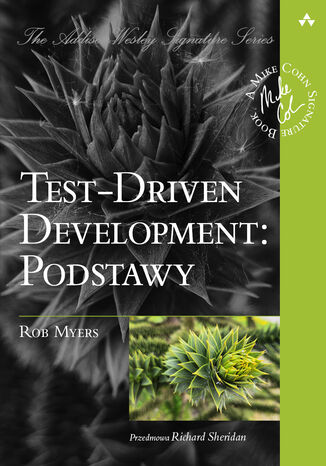
Test-Driven Development. Podstawy
Rob Myers
Techniki i wskazówki tworzenia wysokiej jakości kodu, który jest łatwy w utrzymaniu. Sterowane testami tworzenie oprogramowania (TDD) to nie tylko sposób na testowanie kodu, ale całościowa metoda tworzenia oprogramowania: sposób myślenia o kodzie, sam proces pisania kodu oraz sposób ciągłej interakcji z kodem tworzonym przez zespół. Podręcznik Test-driven development prowadzi Czytelników przez proces pisania testów przed kodem, który daje gwarancję, że każda funkcja zostanie jasno zdefiniowana, dokładnie zweryfikowana i będzie gotowa do sprostania zmieniającym się potrzebom biznesowym. Książka ta pokazuje, jak TDD może zmienić proces tworzenia oprogramowania, ograniczając liczbę kosztownych błędów i umożliwiając zespołowi niezawodne dostarczanie wartości. Dzięki temu będzie mniej usterek i mniej troski o zakłócenie działania istniejących funkcji podczas wdrażania nowych. Programiści mogą śmiało przekształcać wewnętrzną strukturę kodu, aby dostosować go do nowych funkcji, i poświęcać mniej czasu na usuwanie błędów. Dzięki technikom i praktycznym przykładom zawartym w tej książce TDD staje się przystępne zarówno dla programistów, jak i menedżerów oraz właścicieli produktów. Dowiecie się, jak stworzyć sieć zabezpieczeń w postaci zautomatyzowanych testów, które chronią Waszą inwestycję, przyspieszają wdrażanie i umożliwiają śmiałe wprowadzanie innowacji - niezależnie od tego, czy korzystacie z istniejących systemów czy nowych technologii. Przyjmując podejście oparte na testach, zdobędziecie umiejętności potrzebne do tworzenia oprogramowania, które nie tylko jest niezawodne dzisiaj, ale także odporne na przyszłe zmiany. - Opanowanie podstawowego procesu TDD opartego na zasadzie "Red, Green, Refactor", aby tworzyć iteracyjnie oprogramowanie zorientowane na jakość. - Tworzenie i rozszerzanie zachowania na podstawie jasnych, możliwych do wykonania specyfikacji. - Projektowanie z uwzględnieniem wyjątkowych przypadków i warunków brzegowych, aby uniknąć kosztownych niespodzianek. - Utrzymywanie sprawnego i łatwego w utrzymaniu zestawu testów dzięki sprawdzonym, długoterminowym strategiom. - Wykorzystywanie dublerów testowych do izolowania zależności i zapewniania szybkości oraz precyzji testów. - Zastosowanie technik TDD w istniejących kodach źródłowych, dzięki czemu stare oprogramowanie stanie się łatwiejsze do testowania i bardziej niezawodne. - Zrozumienie korzyści biznesowych wynikających z pełnego wdrożenia TDD: mniej błędów, szybsze wprowadzanie nowych funkcji i większa elastyczność. - Poznanie sposobu, w jaki zasady TDD są stosowane w różnych językach programowania, środowiskach programistycznych i nowoczesnym tworzeniu sztucznej inteligencji opartej na agentach. Książka pozwala na wykonanie praktycznego kroku w kierunku zmniejszenia liczby błędów i płynniejszych wdrożeń, zgłębiając TDD we własnym tempie dzięki konkretnym przykładom i wskazówkom, które naprawdę przydadzą się w praktyce. Rob Myers to doświadczony programista i instruktor z ponad pięćdziesięcioletnim stażem. Szkolił i doradzał zespołom na całym świecie w zakresie TDD i praktyk Agile, pomagając organizacjom różnej wielkości osiągnąć trwałą doskonałość w tworzeniu oprogramowania.
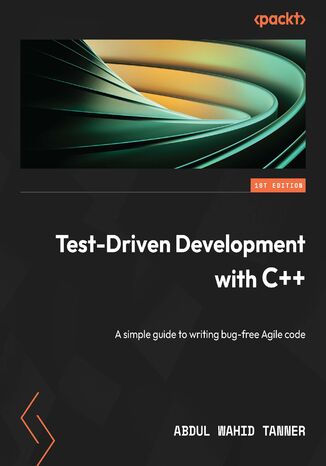
Test-Driven Development with C++. A simple guide to writing bug-free Agile code
Abdul Wahid Tanner
Modern, standard C++ is all that is needed to create a small and practical testing framework that will improve the design of any project. This allows you to think about how the code will be used, which is the first step in designing intuitive interfaces. TDD is a modern balanced software development approach that helps to create maintainable applications, provide modularity in design, and write minimal code that drastically reduces defects. With the help of this book, you'll be able to continue adding value when designs need to change by ensuring that the changes don't break existing tests.In this book, you will use test-driven development (TDD) to gain practical skills by writing a simple testing framework and then using it to drive the design of a logging library. The book will help you enhance your software development skills with test cases. You'll understand how to design and implement test cases. The chapters will also show you how to utilize the TDD approach to be more productive in software development than attempting to code in large unstructured steps.By the end of this book, you'll have gained knowledge of TDD and testing and also built a working logging library with unique features not found in other libraries.
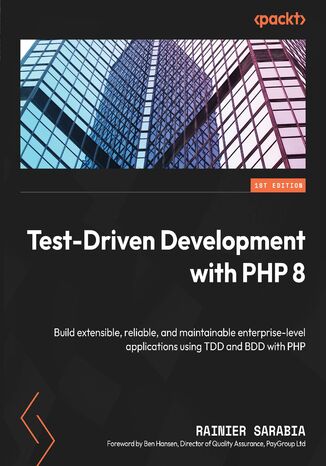
Rainier Sarabia
PHP web developers end up building complex enterprise projects without prior experience in test-driven and behavior-driven development which results in software that’s complex and difficult to maintain. This step-by-step guide helps you manage the complexities of large-scale web applications. It takes you through the processes of working on a project, starting from understanding business requirements and translating them into actual maintainable software, to automated deployments.You’ll learn how to break down business requirements into workable and actionable lists using Jira. Using those organized lists of business requirements, you’ll understand how to implement behavior-driven development (BDD) and test-driven development (TDD) to start writing maintainable PHP code. You’ll explore how to use the automated tests to help you stop introducing regressions to an application each time you release code by using continuous integration.By the end of this book, you’ll have learned how to start a PHP project, break down the requirements, build test scenarios and automated tests, and write more testable and maintainable PHP code. By learning these processes, you’ll be able to develop more maintainable, and reliable enterprise PHP applications.
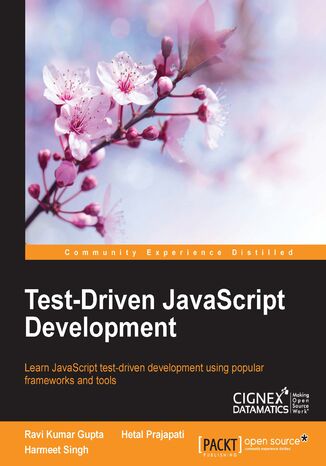
Ravi Kumar Gupta
Initially, all processing used to happen on the server-side and simple output was the response to web browsers. Nowadays, there are so many JavaScript frameworks and libraries created that help readers to create charts, animations, simulations, and so on. By the time a project finishes or reaches a stable state, so much JavaScript code has already been written that changing and maintaining it further is tedious. Here comes the importance of automated testing and more specifically, developing all that code in a test-driven environment. Test-driven development is a methodology that makes testing the central part of the design process – before writing code developers decide upon the conditions that code must meet to pass a test. The end goal is to help the readers understand the importance and process of using TDD as a part of development.This book starts with the details about test-driven development, its importance, need, and benefits. Later the book introduces popular tools and frameworks like YUI, Karma, QUnit, DalekJS, JsUnit and goes on to utilize Jasmine, Mocha, Karma for advanced concepts like feature detection, server-side testing, and patterns. We are going to understand, write, and run tests, and further debug our programs. The book concludes with best practices in JavaScript testing. By the end of the book, the readers will know why they should test, how to do it most efficiently, and will have a number of versatile tests (and methods for devising new tests) to get to work immediately.
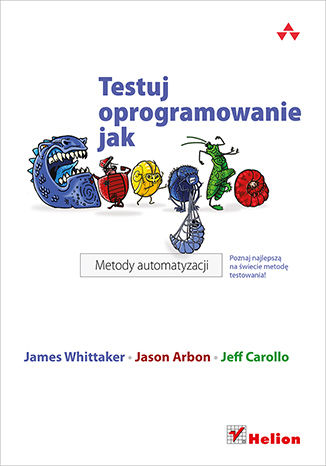
Testuj oprogramowanie jak Google. Metody automatyzacji
James A. Whittaker, Jason Arbon, Jeff Carollo
Poznaj najlepszą na świecie metodę testowania! Oprogramowanie firmy Google to miliony linii kodu źródłowego, dziesiątki wersji językowych, różne systemy operacyjne, przeglądarki i preferencje użytkownika. Jak przy takich wymogach dostarczyć klientom produkt najwyższej jakości? Tu mogą pomóc tylko testy automatyczne. Dzięki nim codziennie bez trudu można uruchomić miliony testów! Google opanowało tę sztukę do mistrzostwa. Warto uczyć się od najlepszych! Dzięki tej książce dowiesz się, jak zorganizować proces testowania tak, żeby był elastyczny, skuteczny i spełniał Twoje oczekiwania. Poznasz rolę inżyniera do spraw testowania oprogramowania, kierownika zespołów inżynierskich oraz inżyniera testującego. Zobaczysz, na jakie problemy natykają się oni każdego dnia oraz jak sobie z nimi radzą. Ponadto nauczysz się oceniać ryzyko, dokumentować proces testowania czy raportować błędy. Książka ta jest obowiązkową lekturą dla wszystkich osób, które doskonalą swoje umiejętności programistyczne i chcą polepszyć jakość dostarczanego oprogramowania. Dzięki tej książce: poznasz najlepsze metody zapewniania jakości oprogramowania nauczysz się planować i przeprowadzać testy poprawnie ocenisz ryzyko udoskonalisz proces wytwarzania oprogramowania! Sprawdź, jak testują najlepsi!
Christopher J Mears
Not all text editors are created equal. TextMate was created with versatility and power to the developer. Whether you want to organize your files in projects, utilize the efficiency of code completion, take advantage of the thousands of publicly available bundles, or gain insight using powerful regular expression searching, TextMate is an essential and easy-to-use tool you need in your development arsenal.TextMate How-To is a practical guide filled with conventional recipes on using one of the most popular text editors on the OS X platform. It is a great resource for anyone who wants to learn how to code more efficiently and effectively, no matter what programming or scripting language you use.This book will guide the reader through using TextMate for practical purposes. It will start with configuring the application, then cover navigation and editing of files, and finish with bundles and advanced features. Throughout the book, the reader will quickly master the key features of the application through easy to follow tasks.Using this book, the reader will learn the most common text editing and coding tasks including navigation through the document and searching of text. The reader will then learn about working with and navigating between files and projects as well as utilizing bundles to greatly speed up development. Finally, explore the ability to use shell commands and macros to increase productivity.With just a few hours, TextMate How-To will teach the reader everything necessary to hit the ground running with this powerful text editor.
Avisekhar Roy
Gaming in android is an already established market and growing each day. Previously games were made for specific platforms, but this is the time of cross platform gaming with social connectivity. It requires vision of polishing, design and must follow user behavior. This book would help developers to predict and create scopes of improvement according to user behavior.You will begin with the guidelines and rules of game development on the Android platform followed by a brief description about the current variants of Android devices available. Next you will walk through the various tools available to develop any Android games and learn how to choose the most appropriate tools for a specific purpose. You will then learn JAVA game coding standard and style upon the Android SDK. Later, you would focus on creation, maintenance of Game Loop using Android SDK, common mistakes in game development and the solutions to avoid them to improve performance. We will deep dive into Shaders and learn how to optimize memory and performance for an Android Game before moving on to another important topic, testing and debugging Android Games followed by an overview about Virtual Reality and how to integrate them into Android games. Want to program a different way? Inside you’ll also learn Android game Development using C++ and OpenGL. Finally you would walk through the required tools to polish and finalize the game and possible integration of any third party tools or SDKs in order to monetize your game when it’s one the market!
Sam Morley
Solve complex problems in C++ by learning how to think like a computer scientist. This book introduces computational thinking—a framework for solving problems using decomposition, abstraction, and pattern recognition—and shows you how to apply it using modern C++ features. You'll learn how to break down challenges, choose the right abstractions, and build solutions that are both maintainable and efficient. Through small examples and a large case study, this book guides you from foundational concepts to high-performance applications. You’ll explore reusable templates, algorithms, modularity, and even parallel computing and GPU acceleration. With each chapter, you’ll not only expand your C++ skillset, but also refine the way you approach and solve real-world problems. Written by a seasoned research engineer and C++ developer, this book combines practical insight with academic rigor. Whether you're designing algorithms or profiling production code, this book helps you deliver elegant, effective solutions with confidence.