
Webmasterstwo

Drupal 7 w praktyce. Własna strona WWW w jeden dzień
Krzysztof Palikowski
Stwórz stronę WWW z Drupalem - zrealizuj dowolny pomysł! Przygotowania i instalacja, czyli jak zacząć pracę z Drupalem na własnym komputerze. Projekt i budowa strony, czyli jak zadbać o strukturę i prezentację treści. Przenosiny do internetu, czyli jak uniknąć szkolnych błędów i głupich pomyłek. Rozwijany od 2001 roku Drupal jest jednym z najlepszych dostępnych obecnie systemów zarządzania treścią. Kolejne wersje tego CMS-a zjednywały sobie rzesze nowych entuzjastów, a ostatnia z nich zasługuje na wyjątkową uwagę wszystkich - początkujących i zaawansowanych - twórców stron WWW. Drupal 7 odznacza się ogromną elastycznością, a ponadto oferuje swoim użytkownikom ponad 1500 modułów, pozwalających niezwykle precyzyjnie zaprojektować platformę zarządzania treścią i stworzyć mechanizmy sprawnego zarządzania serwisem. Książka "Drupal 7 w praktyce. Własna strona WWW w jeden dzień" pozwoli Ci zapoznać się z tym systemem, oswoić z jego założeniami i możliwościami oraz efektywnie wykorzystać jego potencjał do własnych celów. Jej autor poprowadzi Cię od zupełnych podstaw, przez proces przygotowań i instalacji systemu, po kwestie poświęcone budowaniu strony dla klienta bądź dla siebie. Ponadto skupi się na zagadnieniach dotyczących rozmaitych uprawnień użytkowników witryny, przenoszenia jej do internetu i dalszej rozbudowy serwisu. Jeśli interesuje Cię pełne spektrum możliwości Drupala 7 i chcesz zastosować je w praktyce, nie mogłeś trafić lepiej! Drupal i inne systemy zarządzania treścią Przygotowania do instalacji systemu Instalacja i pierwsze kroki Struktura i prezentacja treści Uprawnienia i administracja Przenosiny gotowej strony WWW do internetu Utrzymanie i rozbudowa serwisu Drupal 7 - Twoja przepustka do internetu!
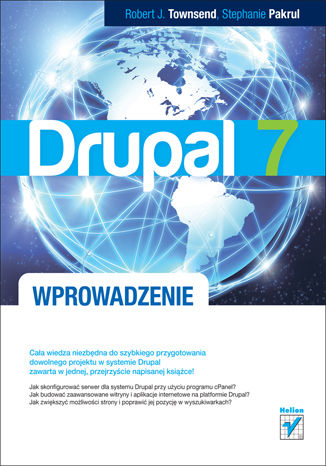
R.J. Townsend
Cała wiedza niezbędna do szybkiego przygotowania dowolnego projektu w systemie Drupal, zawarta w jednej, przejrzyście napisanej książce! Jak skonfigurować serwer dla systemu Drupal przy użyciu programu cPanel? Jak budować zaawansowane witryny i aplikacje internetowe na platformie Drupal? Jak zwiększyć możliwości strony i poprawić jej pozycję w wyszukiwarkach? Dlaczego powinieneś wreszcie opanować system Drupal? To oczywiste - przy prostym w obsłudze, a oferującym ogromne możliwości interfejsie oraz niezwykle elastycznej architekturze pozwoli Ci on osiągnąć wszystko, czego oczekują Twoi najbardziej wymagający klienci: od prostych blogów i eleganckich witryn wizerunkowych po bardzo zaawansowane serwisy, zawierające narzędzia społecznościowe i rozbudowane aplikacje e-commerce. Pracując w Drupalu, wszelkie projekty zrealizujesz znacznie szybciej i bardziej profesjonalnie niż przy użyciu jakiegokolwiek innego popularnego CMS-a. Dzięki swojej sprytnej modułowej budowie, systemowi szablonów, skutecznym mechanizmom zabezpieczeń oraz edytorom WYSIWYG Drupal daje Ci wszelkie narzędzia potrzebne do szybkiego stworzenia w pełni funkcjonalnego i atrakcyjnie wyglądającego serwisu. W dodatku ta całkowicie darmowa platforma zarządzania treścią jest stale rozwijana przez liczną, zaangażowaną społeczność programistów na całym świecie. Teraz, kiedy już wiesz, ile możesz zyskać dzięki opanowaniu możliwości Drupala, jedyne, co Ci pozostaje, to sięgnąć po ten podręcznik. Znajdziesz tu całą wiedzę niezbędną do szybkiego i sprawnego stworzenia rozbudowanej witryny w Drupalu, nawet jeśli dotąd nie miałeś żadnego doświadczania z tym (ani żadnym innym) CMS-em. Naukę zaczniesz od wyboru i optymalnego skonfigurowania serwera, poznania zasad pracy z popularną aplikacją cPanel, instalacji systemu oraz opanowania jego interfejsu administracyjnego. Następnie przeczytasz o tworzeniu treści, dodawaniu elementów menu, definiowaniu strony głównej i przygotowywaniu efektownego wyglądu graficznego serwisu za pomocą motywu Fusion. Jednak przede wszystkim opanujesz tak istotne zagadnienia, jak techniki włączania i konfigurowania modułów rdzenia oraz wykorzystania przeszło pięćdziesięciu praktycznych modułów dodatkowych! Ta książka pomoże Ci: znacząco skrócić czas potrzebny na zbudowanie rozwiniętej aplikacji internetowej zrozumieć, jak działa system Drupal, i wyrobić sobie dobre nawyki, dzięki którym z łatwością zastosujesz go w każdym projekcie skonfigurować serwer, zarządzać wieloma witrynami i pracować w środowisku testowym, w którym działa aplikacja cPanel skonfigurować programy Photoshop i Illustrator oraz zaprojektować grafikę na potrzeby serwisów w systemie Drupal znaleźć odpowiedzi na pytania w najpopularniejszych źródłach zasobów systemu Drupal w sieci Idealny podręcznik dla początkujących - od przygotowania środowiska pracy po samodzielną realizację nawet najbardziej złożonych projektów!
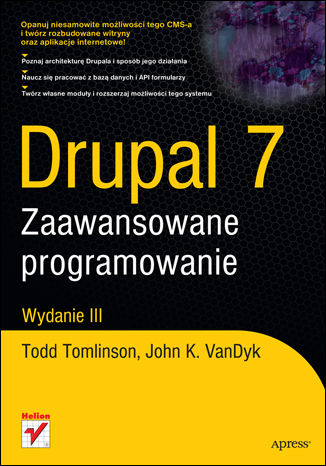
Drupal 7. Zaawansowane programowanie
Todd Tomlinson, John K. VanDyk
Opanuj niesamowite możliwości tego CMS-a i twórz rozbudowane witryny oraz aplikacje internetowe! Poznaj architekturę Drupala i sposób jego działania Naucz się pracować z bazą danych i API formularzy Twórz własne moduły i rozszerzaj możliwości tego systemu Zobacz, jak optymalnie wykorzystać jQuery w Drupalu Drupal to nie tylko kolejny, nieco lepszy od innych CMS. Ten system zarządzania treścią zrobił ostatnio oszałamiającą karierę jako doskonały framework do tworzenia wszelkiej maści aplikacji internetowych. Dzięki niezwykłej łatwości i szybkości, z jaką Drupal pozwala programistom tworzyć rozbudowane blogi, profesjonalne witryny korporacyjne czy serwisy społecznościowe, zainteresowanie tą technologią zaczęło dynamicznie wzrastać. Co więcej, choć już dziś wydaje się, że sposoby wykorzystania tego CMS-a ogranicza jedynie ludzka wyobraźnia, system jest wciąż intensywnie rozwijany przez liczną społeczność entuzjastów na całym świecie. Możliwość czerpania z ogromnych zasobów wiedzy tysięcy programistów poprawi jakość Twoich nawet najbardziej wyrafinowanych internetowych projektów. Jeśli chcesz tworzyć nowoczesne, rozbudowane witryny internetowe z wykorzystaniem Drupala 7, właśnie znalazłeś idealny podręcznik dla siebie! Omówiono tu wszystko, co będzie Ci potrzebne, począwszy od podstawowych zagadnień, takich jak architektura i struktura plików systemu, przez sposoby wykorzystania API formularzy czy dodawania własnych modułów w celu rozszerzania możliwości, aż po metody tworzenia bezpiecznego, wydajnego kodu. Dowiesz się więcej na temat pracy z bazą danych, uruchomienia własnej strony wyszukiwarki oraz korzystania z jQuery w Drupalu. Nauczysz się także sprawnie optymalizować Drupal i przeprowadzać skuteczne testy oraz poznasz wiele innych praktycznych zagadnień, które sprawią, że bez trudu zrozumiesz zasady działania tego CMS-a oraz pokonasz wszelkie problemy napotykane w trakcie pracy. Z tej książki dowiesz się między innymi: jak działa Drupal i jaką ma architekturę jak tworzyć dodatkowe, funkcjonalne moduły jak pracować z bazą danych i API formularzy jak wygląda obsługa użytkowników, segmentów i pól jak przechowywać dane w sesjach jak zapewnić wyszukiwanie i indeksowanie informacji jak wykorzystać jQuery w Drupalu jak tworzyć czysty, bezpieczny kod jak optymalizować działanie Drupala jak przeprowadzić efektywny proces testowania Todd Tomlinson - przez piętnaście lat zajmował się projektowaniem, rozwijaniem, wdrażaniem i konserwacją zaawansowanych rozwiązań internetowych. Pracował m.in. w Oracle Corporation jako specjalista od opracowywania planów strategicznych pod kątem najlepszego wykorzystania możliwości Internetu. Todd uwielbia Drupal, który jest przez niego wykorzystywany jako główne narzędzie do tworzenia przyjemnych dla oka i funkcjonalnych witryn. Jest autorem książki "Drupal 7. Od podstaw". John K. VanDyk jest starszym architektem aplikacji webowych w Lullabot — firmie zajmującej się szkoleniami i konsultingiem Drupala. Wcześniej był analitykiem i adiunktem na Stanowym Uniwersytecie Naukowo-Technicznym w Iowa (USA). Na swoim koncie ma już jedną książkę na temat tego CMS-a: "Pro Drupal Development. Second Edition".
Drupal 8 Blueprints. Step along the creation of 7 professional-grade Drupal sites
Alex Burrows
Drupal is an open source content management framework that can be used for developing websites and simplifying online management of content for users.This book is a must-have for web developers who are looking to create professional-grade websites using Drupal 8. While building 7 different Drupal websites, we will focus on implementing the out of the box features that come with Drupal 8 and see how we can make some complex sites with minimal custom code. Focusing completely on Drupal 8, this book will help you leverage the new Drupal 8 features such as creating a different types and layouts of content using configuration to build in core with its built-in web services facilities, and effortless authoring using the new CKEditor with an effortless and efficient industry standard approach.The book starts with getting started with the development environment of Drupal. Each chapter will start with a brief overview of the site to be built and the required features. Then, we will proceed to create customized modules and themes and integrate third-party plugins. Lastly, you will learn about headless Drupal that uses RESTful services that would help you to display content outside of DrupalBy the end of the book, you will be able to implement the knowledge gained to build your own custom websites using Drupal 8.
Drupal 8 Configuration Management
Stefan Borchert, Anja Schirwinski
Drupal 8 Configuration Management is intended for people who use Drupal 8 to build websites, whether you are a hobbyist using Drupal for the first time, a long-time Drupal site builder, or a professional web developer.
Matt Glaman
Began as a message board, Drupal today is open source software maintained and developed by a community of over 1,000,000 users and developers. Drupal is used by numerous local businesses to global corporations and diverse organizations all across the globe. With Drupal 8’s exciting features it brings, this book will be your go-to guide to experimenting with all of these features through helpful recipes.We’ll start by showing you how to customize and configure the Drupal environment as per your requirements, as well as how to install third-party libraries and then use them in the Drupal environment. Then we will move on to creating blocks and custom modules with the help of libraries. We will show you how to use the latest mobile-first feature of Drupal 8, which will help you make your apps responsive across all the major platforms. This book will also show you how to incorporate multilingual facilities in your sites, use web services and third-party plugins with your applications from inside Drupal 8, and test and deploy your apps.
Drupal 8 Module Development. Build and customize Drupal 8 modules and extensions efficiently
Daniel Sipos
Drupal is an open source web-based content management system (CMS) that can be used for building anything from simple websites to complex applications. It enables individuals and organizations to build platforms that engage users and deliver the right content at the right time.Drupal 8 is an exciting new development in the Drupal community. However, the differences from the previous version are substantial and this can put quite some pressure on Drupal 7 developers that need to catch up. This book aims to help such developers in getting up to speed with Drupal 8 module development. The book first introduces you to the Drupal 8 architecture and its subsystems before diving into creating your first module with basic functionality. Building upon that, you will cover many core APIs and functionalities available to module developers.You will work with the Drupal logging and mailing systems, learn how to output data using the theme layer and work with menus and links programmatically. Then, you will learn how to work with different kinds of data storages, create custom entities, field types and leverage the Database API for lower level database queries. Moreover, you will learn about the Drupal 8 access system and caching layer as well as the APIs used for data processing (queues and batches).You will further see how to introduce javascript into your module, work with the various file systems and ensure the code you write works on multilingual sites. Finally, you will learn how to programmatically work with Views, write automated tests for your functionality and also write secure code in general.By the end of the book, you will have learned how to develop your own custom module from scratch that can help solve a small problem or even provide complex functionality. And who knows, maybe you’ll even contribute it back to the Drupal community.
Daniel Sipos
Drupal 8 comes with a release cycle that allows for new functionality to be added at a much faster pace. However, this also means code deprecations and changing architecture that you need to stay on top of. This book updates the first edition and includes the new functionality introduced in versions up to, and including 8.7.The book will first introduce you to the Drupal 8 architecture and its subsystems before diving into creating your first module with basic functionality. You will work with the Drupal logging and mailing systems, learn how to output data using the theme layer and work with menus and links programmatically. Then, you will learn how to work with different kinds of data storages, create custom entities, field types and leverage the Database API for lower level database queries. You will further see how to introduce JavaScript into your module, work with the various file systems and ensure the code you write works on multilingual sites. Finally, you will learn how to programmatically work with Views, write automated tests for your functionality and also write secure code in general.By the end, you will have learned how to develop your own custom module that can provide complex business solutions. And who knows, maybe you’ll even contribute it back to the Drupal community.Foreword by Dries Buytaert, founder of Drupal.