
Hardware
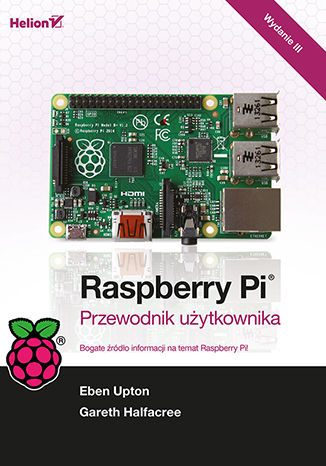
Raspberry Pi. Przewodnik użytkownika. Wydanie III
Eben Upton, Gareth Halfacree
Bogate źródło informacji na temat Raspberry Pi! Raspberry Pi to komputer wielkości karty kredytowej. Wśród jego głównych atutów można wymienić ogrom możliwości oraz niską cenę. Początkowo miał pełnić rolę platformy do nauki programowania, jednak szybko znalazł tysiące innych zastosowań! Raspberry Pi jest używany jako serwer WWW, domowe media center, sterownik urządzeń lub baza do zaawansowanych projektów elektronicznych. Jaki Ty masz pomysł na jego zastosowanie? Ta książka to kolejne wydanie instrukcji użytkownika, dzięki której poznasz tajniki pracy z platformą Raspberry Pi. Została wzbogacona i zaktualizowana o informacje o najnowszej wersji Pi, oznaczonej symbolem B+. Nowa wersja to jeszcze większa moc oraz ciekawe możliwości. Sięgnij po tę książkę i przekonaj się, czym charakteryzuje się architektura ARM oraz jak przygotować Pi do pracy. Naucz się pracować z systemem Linux, a także tworzyć programy i skrypty między innymi za pomocą języka Python. Dowiedz się, jak zbudować centrum multimedialne na podstawie platformy Raspberry Pi oraz jak podłączyć do Pi dodatkowe urządzenia. Książka ta jest obowiązkową lekturą dla wszystkich osób zafascynowanych możliwościami Raspberry Pi. Dzięki tej książce: poznasz historię platformy oraz jej możliwości dowiesz się, jak podłączyć do Pi zewnętrzne urządzenia wykorzystasz złącza GPIO zbudujesz centrum multimedialne z Pi na czele wykorzystasz w pełni możliwości tej niesamowitej platformy Kompletne źródło informacji o Raspberry Pi!
Simon Monk
Wyobraź sobie komputer o rozmiarach niewiele większych od karty kredytowej, posiadający całkiem sporą moc obliczeniową, pracujący pod kontrolą systemu Linux i kosztujący grosze. Tak, taki sprzęt istnieje naprawdę! Mowa o Raspberry Pi — urządzeniu zaprojektowanym z myślą o nauce programowania dla dzieci, które sprawdziło się w wielu zastosowaniach i odniosło ogromny sukces na rynku komercyjnym jako serwer WWW, odtwarzacz filmów oraz platforma do budowy niezwykłych projektów elektronicznych. Brzmi intrygująco? Otwórz tę książkę i poznaj najlepsze przepisy na wykorzystanie możliwości Raspberry Pi. Stąd dowiesz się wszystkiego o budowie i możliwościach tego urządzenia. Po lekturze kolejnych rozdziałów podłączysz Pi do sieci — zarówno kablowej, jak i bezprzewodowej, oraz wykorzystasz złącza GPIO. Ponadto poznasz podstawy języka Python i zobaczysz, jak zastosować go w Pi. Po lekturze tej książki będziesz umiał samodzielnie sterować sprzętem elektronicznym i silnikami oraz zbierać dane z czujników różnego typu. Książka ta jest obowiązkową pozycją dla każdego posiadacza tej niezwykłej platformy! Dzięki tej książce: rozpoczniesz pracę z Raspberry Pi, podłączysz Raspberry Pi do sieci, będziesz pracował w środowisku opartym na systemie Linux, skorzystasz z gotowych aplikacji przeznaczonych dla Raspberry Pi, będziesz sterował pracą elektroniki podłączonej do złącza GPIO, poznasz zagadnienia dotyczące sterowania za pomocą Raspberry Pi pracą różnych silników, rozpoczniesz pracę z przełącznikami, blokami klawiszy i innymi cyfrowymi urządzeniami wejściowymi, wykonasz różne pomiary za pomocą czujników podłączonych do Raspberry Pi, podłączysz do Raspberry Pi różne wyświetlacze — między innymi matryce diodowe, stworzysz dynamiczne projekty korzystające z możliwości Arduino i Raspberry Pi. Twój przewodnik po platformie Raspberry Pi!

Raspberry Pi. Receptury. Wydanie III
Simon Monk
Raspberry Pi sukcesywnie zdobywa coraz więcej użytkowników. Dla niektórych jest to sposób na realizację życiowych pasji, dla innych - praktyczny, tani komputer, który może pracować pod kontrolą Linuksa i pełnić funkcję platformy obsługującej przeróżne urządzenia elektroniczne. Skupiona wokół Raspberry Pi społeczność nieprzerwanie tworzy nowe oprogramowanie oraz płytki interfejsów. To wszystko sprawia, że możliwości Raspberry stale rosną. Pojawiające się technologie przy odrobinie kreatywności mogą łatwo przeobrazić się w praktyczne i niedrogie, a przy tym zdecydowanie innowacyjne i nowoczesne rozwiązania. To zaktualizowane wydanie znakomitego zbioru receptur ułatwiających wykorzystanie potencjału Raspberry Pi. Uwzględniono tu nowe modele tego komputera, a także zmiany i ulepszenia systemu operacyjnego Raspbian. Dodano rozdziały traktujące o dźwięku i automatyce domowej. Te receptury bez trudu wykorzystasz dla zwiększenia wygody we własnym domu. Dzięki lekturze poznasz podstawowe reguły tej technologii, aby łatwiej zrozumieć zagadnienia dotyczące konkretnej płytki czy kodu. Z tej pozycji możesz korzystać podobnie jak z książki kucharskiej: przeczytać od deski do deski albo skupić się na rozwiązaniu jednego, konkretnego problemu. Być może docenisz, że w recepturach dotyczących sprzętu uwzględniono przede wszystkim rozwiązania niewymagające lutowania obwodów. W tej książce znajdziesz receptury, dzięki którym: rozpoczniesz pracę z Raspberry Pi, również w sieci zaprogramujesz Raspberry Pi w języku Python wykorzystasz technologię rozpoznawania obrazów będziesz sterować pracą silników, czujników i innych elementów elektroniki połączysz Raspberry Pi z różnymi urządzeniami wejściowymi podłączysz swój dom do internetu rzeczy Szczęśliwcy, którzy znają Simona Monka, uważają go za autorytet w dziedzinie elektroniki praktycznej, specjalistę w łączeniu projektów komputerowych ze światem fizycznym, wreszcie eksperta w zakresie sprzętu komputerowego i oprogramowania. Ta książka zawiera wiele przydatnych projektów i jest niezbędnym źródłem wiedzy o Raspberry Pi Alan O'Donohoe, exa.foundation, twórca inicjatywy Raspberry Jams Raspberry Pi: morze możliwości dla inżyniera z pasją!
Richard Grimmett
If you are a programmer with an interest in building advanced robotics projects using inexpensive hardware and open source software, then this book is for you. Some experience with computer programming and implementing simple mechanical systems is required.
Andrew K. Dennis
A cluster is a type of parallel/distributed processing system which consists of a collection of interconnected stand-alone computers cooperatively working together. Using Raspberry Pi computers, you can build a two-node parallel computing cluster which enhances performance and availability.This practical, example-oriented guide will teach you how to set up the hardware and operating systems of multiple Raspberry Pi computers to create your own cluster. It will then navigate you through how to install the necessary software to write your own programs such as Hadoop and MPICH before moving on to cover topics such as MapReduce. Throughout this book, you will explore the technology with the help of practical examples and tutorials to help you learn quickly and efficiently.Starting from a pile of hardware, with this book, you will be guided through exciting tutorials that will help you turn your hardware into your own super-computing cluster. You'll start out by learning how to set up your Raspberry Pi cluster's hardware. Following this, you will be taken through how to install the operating system, and you will also be given a taste of what parallel computing is about. With your Raspberry Pi cluster successfully set up, you will then install software such as MPI and Hadoop. Having reviewed some examples and written some programs that explore these two technologies, you will then wrap up with some fun ancillary projects. Finally, you will be provided with useful links to help take your projects to the next step.
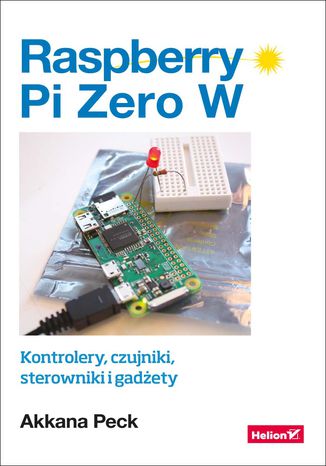
Raspberry Pi Zero W. Kontrolery, czujniki, sterowniki i gadżety
Akkana Peck
Raspberry Pi Zero W potrafi komunikować się z komputerem, ma wbudowane moduły Wi-Fi i Bluetooth Low Energy (BLE), posiada także złącza służące do podłączania zewnętrznych elementów elektronicznych. Może posłużyć do budowy najprzeróżniejszych robotów, sterowników, czujników czy interfejsów do komunikacji z innymi urządzeniami. Przy tym wszystkim jest małe, tanie i energooszczędne. Dodatkowo praca z Raspberry Pi to znakomity i bardzo przyjemny sposób nauki podstaw elektroniki, informatyki czy programowania. Dzięki tej niewielkiej książeczce błyskawicznie zaczniesz realizować własne projekty z zastosowaniem Raspberry Pi Zero W. Najpierw przygotujesz się do pracy, a następnie nauczysz się sterować pracą diod LED, i to zarówno z poziomu wiersza poleceń, jak i programu napisanego w Pythonie. Wykonasz monitor stanu środowiska wyposażony w sterownik, dzięki któremu możliwe będzie utrzymywanie temperatury w domu na żądanym poziomie - naturalnie z wykorzystaniem klimatyzatora lub wentylatora. Ostatnim projektem przedstawionym w książce jest bransoletka - pasek z diod LED, który monitoruje wybrane serwisy internetowe i powiadamia o ciekawych wydarzeniach. To, jak wykorzystasz wiedzę z tej książki, zależy wyłącznie od Twojej wyobraźni! Najważniejsze zagadnienia: przygotowanie środowiska i konfiguracja płytki praca z diodami LED i czujnikami temperatury aplikacje współpracujące z Twitterem projekty zastosowań przenośnych Raspberry Pi: małe wymagania, wiele świetnych zastosowań!
Rajnish Harjika
Agile implementation of enterprise architecture (EA) in the cloud is a powerful organizational tool, but it is challenging, particularly for architects who are used to on-premises environments. This in-depth guide will tell you all you need to know to reap the benefits of applying EA in your organization to achieve operational efficiency.Starting with an overview of the foundations of enterprise architecture, you'll see how it can be applied to AWS as well as explore the frameworks AWS provides for EA, such as the AWS Well-Architected Framework. That's not all – the book shows you how these frameworks align with The Open Group Architecture Framework (TOGAF) architecture development method (ADM) and the Zachman Framework so that you can choose the right fit for your organization. As you advance, you'll learn how to apply SAFe to make your organization agile as well as efficient. Once you've gotten to grips with the theory, you can explore use cases and take a quiz at the end of the book to test yourself and see how EA is applied in practice.By the end of this enterprise architecture book, you'll have the skills and knowledge required to apply EA in the cloud with AWS and drive your organization to become super-efficient and agile.
Red Hat Enterprise Linux 8 Essentials. Learn to install, administer and deploy RHEL 8 systems
Neil Smyth
Red Hat Enterprise Linux 8 is one of the most secure and dependable operating systems available. For this reason, the ambitious system or network engineer will find a working knowledge of Red Hat Enterprise 8 to be an invaluable advantage in their respective fields. This book, now updated for RHEL 8.1, begins with a history of Red Enterprise Linux and its installation. You will be virtually perform remote system administration tasks with cockpit web interface and write shell scripts to maintain server-based systems without desktop installation. Then, you will set up a firewall system using a secure shell and enable remote access to Gnome desktop environment with virtual network computing (VNC). You’ll share files between the Red Hat Enterprise Linux 8 (RHEL 8) and Windows System using Samba client and NFS. You will also run multiple guest operating systems using virtualization and Linux containers, and host websites using RHEL 8 by installing an Apache web server. Finally, you will create logical disks using logical volume management and implement swap space to maintain the performance of a RHEL 8 system. By the end of this book, you will be armed with the skills and knowledge to install the RHEL 8 operating system and use it expertly.