
Bezpieczeństwo sieci
Bezpieczeństwo sieci komputerowych jest aktualnie ważnym, lecz coraz bardziej skomplikowanym zagadnieniem. Książki zebrane w tej kategorii przedstawiają praktycznie wszystkie jego aspekty. Nauczycie się implementacji bezpiecznych połączeń z wykorzystaniem szeregu różnych protokołów sieciowych, a także wykorzystywać protokół SSH do pracy na zdalnych systemach.
Opanujecie ponadto umiejętność konfiguracji tuneli VPN z wykorzystaniem protokołów SSL i IPSec. Dzięki wiedzy zawartej w tym dziale, nauczycie się skutecznie bronić przed włamaniami, atakami DDoS czy działaniom typu IP-spoofing.
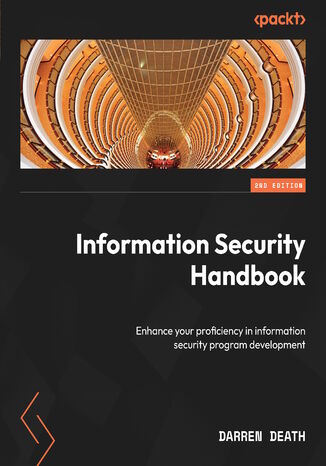
Darren Death
Information Security Handbook is a practical guide that’ll empower you to take effective actions in securing your organization’s assets. Whether you are an experienced security professional seeking to refine your skills or someone new to the field looking to build a strong foundation, this book is designed to meet you where you are and guide you toward improving your understanding of information security.Each chapter addresses the key concepts, practical techniques, and best practices to establish a robust and effective information security program. You’ll be offered a holistic perspective on securing information, including risk management, incident response, cloud security, and supply chain considerations. This book has distilled years of experience and expertise of the author, Darren Death, into clear insights that can be applied directly to your organization’s security efforts. Whether you work in a large enterprise, a government agency, or a small business, the principles and strategies presented in this book are adaptable and scalable to suit your specific needs.By the end of this book, you’ll have all the tools and guidance needed to fortify your organization’s defenses and expand your capabilities as an information security practitioner.
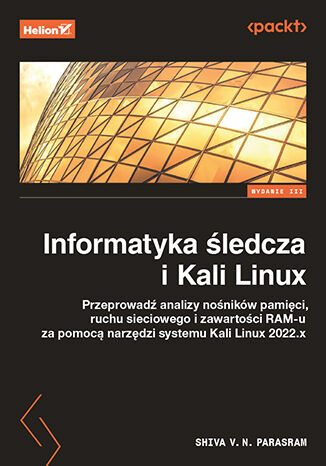
Shiva V. N. Parasram
Aby pomyślnie przeprowadzić dochodzenie cyfrowe, poza specjalnymi umiejętnościami i wiedzą techniczną musisz dysponować odpowiednimi narzędziami. Z rozwoju technologii korzystają również przestępcy, którzy popełniają swoje występki na wiele dotychczas nieznanych sposobów. W tych warunkach bezcenną pomoc możesz znaleźć w Kali Linuksie - potężnym systemie specjalnie przygotowanym do prowadzenia testów penetracyjnych i dochodzeń w informatyce śledczej. Ta książka pomoże Ci w doskonaleniu umiejętności potrzebnych na każdym etapie dochodzenia cyfrowego, od zbierania dowodów, poprzez ich analizę, po tworzenie raportów. Dzięki wielu wskazówkom i praktycznym ćwiczeniom przyswoisz techniki analizy, ekstrakcji danych i raportowania przy użyciu zaawansowanych narzędzi. Poznasz różne systemy przechowywania plików i nauczysz się wyszukiwać urządzenia sieciowe za pomocą skanerów Nmap i Netdiscover. Zapoznasz się też ze sposobami utrzymywania integralności cyfrowego materiału dowodowego. Znajdziesz tu ponadto omówienie kilku bardziej zaawansowanych tematów, takich jak pozyskiwanie ulotnych danych z sieci, nośników pamięci i systemów operacyjnych. Z książki dowiesz się: jak przygotować do pracy system Kali Linux na różnych platformach sprzętowych po co w analizach DFIR bada się zawartość RAM, a także systemy plików i nośniki danych jak używać narzędzi takich jak Scalpel, Magic Rescue, Volatility 3 czy Autopsy 4 czym jest ransomware i jak korzystać z artefaktów systemowych w dochodzeniach DFIR jak za pomocą narzędzi NFAT przechwytywać pakiety i analizować ruch sieciowy Kali Linux: Twój najlepszy partner w cyfrowej dochodzeniówce!

Gerard Johansen
Informatyka śledcza zapewnia narzędzia nie tylko prowadzącym dochodzenia kryminalne, ale również specjalistom do spraw cyberbezpieczeństwa. Na tym polu trwa ciągły wyścig zbrojeń między nimi a przestępcami, gdyż konsekwencje udanego ataku mogą się okazać niezwykle poważne. Umiejętność poprawnego reagowania na incydenty bezpieczeństwa jest tu kluczową sprawą. Ta książka jest przewodnikiem dla profesjonalistów do spraw cyberbezpieczeństwa. Przedstawia podstawowe zasady reagowania na incydenty bezpieczeństwa i szczegółowo, na przykładach, omawia proces tworzenia zdolności szybkiej i skutecznej reakcji na takie zdarzenia. Zaprezentowano tu techniki informatyki śledczej, od pozyskiwania dowodów i badania pamięci ulotnej po badanie dysku twardego i dowodów pochodzących z sieci. Szczególną uwagę poświęcono zagrożeniom atakami ransomware. Nie zabrakło omówienia roli analizy zagrożeń w procesie reagowania na incydenty, a także zasad sporządzania raportów dokumentujących reakcję na incydent i wyniki analizy. Pokazano również, w jaki sposób prowadzi się polowania na zagrożenia. Z tą książką: zbudujesz zdolność reagowania na incydenty w swojej organizacji nauczysz się poprawnego zbierania i analizowania dowodów zintegrujesz techniki i procedury śledcze z ogólnym procesem reagowania na incydenty przyswoisz różne metody polowania na zagrożenia opanujesz sposoby tworzenia raportów z incydentów wdrożysz odpowiednie praktyki reagowania na ataki ransomware Przygotuj się, znajdź i zlikwiduj zagrożenie!
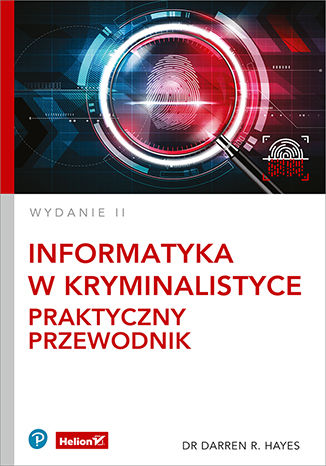
Informatyka w kryminalistyce. Praktyczny przewodnik. Wydanie II
Darren R. Hayes
Nasilanie się zjawiska cyberprzestępczości sprawia, że prowadzenie dochodzeń kryminalnych wymaga specjalnych umiejętności i wiedzy technicznej. Bez odpowiedniego materiału dowodowego niemożliwe jest oskarżenie i osądzenie winnych. Sytuację utrudnia rozwój technologii: serwisy społecznościowe, urządzenia mobilne czy internet rzeczy są wykorzystywane do popełniania przestępstw na wiele dotychczas nieznanych sposobów. W tych warunkach informatycy śledczy są bardzo potrzebni, a specjaliści dysponujący aktualną wiedzą - wręcz bezcenni. Oto znakomity i w pełni zaktualizowany przewodnik po informatyce śledczej, uwzględniający najnowsze techniki, narzędzia i rozwiązania. W książce omówiono praktyczne aspekty zarówno umiejętności technicznych, jak i spraw ważnych z punktu widzenia prowadzenia dochodzeń w internecie i laboratorium. Opisano istotne zagadnienia dotyczące dokumentacji, dopuszczalności dowodów i innych aspektów prawnych. Szczegółowo zaprezentowano technologie ubieralne, analizy śledcze urządzeń IoT, kwestie komunikacji 5G, analizy śledczej pojazdów i analiz aplikacji mobilnych. Opracowanie uwzględnia też postępy w dziedzinie reagowania na incydenty oraz nowe techniki badania urządzeń mobilnych. Treści zostały uzupełnione praktycznymi zadaniami, realistycznymi przykładami oraz fascynującymi studiami przypadków. Dzięki książce dowiesz się, jak: wygląda praca informatyka śledczego wykorzystywać nowinki technologiczne w procesie zbierania dowodów rozpoznać naruszenia bezpieczeństwa i prawidłowo reagować na incydenty badać oszustwa finansowe analizować technologie ubieralne i urządzenia IoT zapewnić, aby zdobyte dowody zostały uznane w sądzie Wykryj. Znajdź dowody. Zabezpiecz je i zbadaj!

Fabrizio Volpe
UAG provides your employees, clients, or partners secure remote access to your vital corporate resources, while delivering a seamless integration with your existing network environment. UAG is able to optimize content for different mobile devices, and is also able to publish complex applications in a simple manner. You are also able to integrate UAG with multiple domains and federated authentications, to give the highest quality service in a mobility scenario. Instant Microsoft Forefront UAG Mobile Configuration Starter is a concise and informative book that allows you to set up and start using UAG without any existing knowledge of the area.This book will start by expertly guiding you through the installation and setup of UAG, and then show you how to publish a simple application for mobile devices, in order to familiarize you with concepts and operations that you will use throughout with UAG.The main body of the book focuses on a series of essential, and incredibly practical, recipes and examples designed to help you in utilizing UAG features for their maximum effect. By the end of Instant Microsoft Forefront UAG Mobile Configuration Starter, you will know all the vital information you need to deploy UAG in a successful and efficient manner, in order to tailor the configuration to your company’s specific requirements.
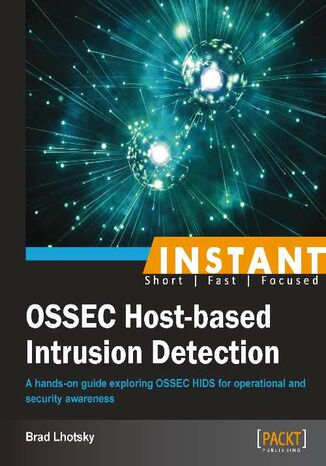
Brad Lhotsky
Security software is often expensive, restricting, burdensome, and noisy. OSSEC-HIDS was designed to avoid getting in your way and to allow you to take control of and extract real value from industry security requirements. OSSEC-HIDS is a comprehensive, robust solution to many common security problems faced in organizations of all sizes.Instant OSSEC-HIDS is a practical guide to take you from beginner to power user through recipes designed based on real- world experiences. Recipes are designed to provide instant impact while containing enough detail to allow the reader to further explore the possibilities. Using real world examples, this book will take you from installing a simple, local OSSEC-HIDS service to commanding a network of servers running OSSEC-HIDS with customized checks, alerts, and automatic responses.You will learn how to maximise the accuracy, effectiveness, and performance of OSSEC-HIDS' analyser, file integrity monitor, and malware detection module. You will flip the table on security software and put OSSEC-HIDS to work validating its own alerts before escalating them. You will also learn how to write your own rules, decoders, and active responses. You will rest easy knowing your servers can protect themselves from most attacks while being intelligent enough to notify you when they need help!You will learn how to use OSSEC-HIDS to save time, meet security requirements, provide insight into your network, and protect your assets.
Borja Merino
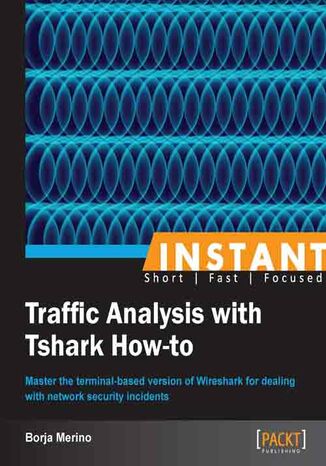
Malware, DoS attacks, SQLi, and data exfiltration are some of the problems that many security officers have to face every day. Having advanced knowledge in communications and protocol analysis is therefore essential to investigate and detect any of these attacks. Tshark is the ideal tool for professionals who wish to meet these needs, or students who want to delve into the world of networking.Instant Traffic Analysis with Tshark How-to is a practical, hands-on guide for network administrators and security officers who want to take advantage of the filtering features provided by Tshark, the command-line version of Wireshark. With this guide you will learn how to get the most out of Tshark from environments lacking GUI, ideal for example in Unix/Linux servers, offering you much flexibility to identify and display network traffic.The book begins by explaining the basic theoretical concepts of Tshark and the process of data collection. Subsequently, you will see several alternatives to capture traffic based on network infrastructure and the goals of the network administrator. The rest of the book will focus on explaining the most interesting parameters of the tool from a totally practical standpoint.You will also learn how to decode protocols and how to get evidence of suspicious network traffic. You will become familiar with the many practical filters of Tshark that identify malware-infected computers and lots of network attacks such as DoS attacks, DHCP/ARP spoof, and DNS flooding. Finally, you will see some tricks to automate certain tasks with Tshark and python scripts.You will learn everything you need to get the most out of Tshark and overcome a wide range of network problems. In addition you will learn a variety of concepts related to networking and network attacks currently exploited.
Megan Roddie, Jason Deyalsingh, Gary J. Katz
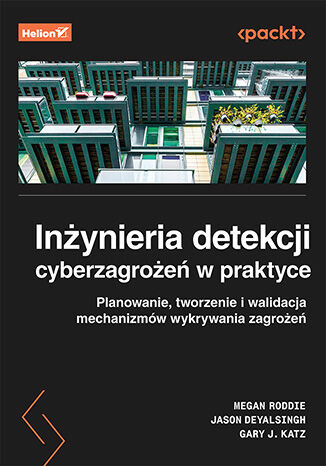
Efektywny potok detekcji zagrożeń jest niezbędnym elementem programu cyberbezpieczeństwa. W procesach inżynierii detekcji szczególną uwagę należy poświęcić technikom tworzenia i walidacji mechanizmów detekcji. To oczywiste - od ich jakości zależy skuteczność zabezpieczeń w organizacji. Trzeba więc zrozumieć, czym jest inżynieria detekcji i jakie ma znaczenie dla cyberbezpieczeństwa. Oto przewodnik po inżynierii detekcji, przeznaczony dla inżynierów zabezpieczeń i analityków bezpieczeństwa. Zaprezentowano w nim praktyczną metodologię planowania, budowy i walidacji mechanizmów wykrywania zagrożeń. Opisano zasady pracy z frameworkami służącymi do testowania i uwierzytelniania programu inżynierii detekcji. Książka zawiera przykłady dotyczące zagadnień z całego cyklu, od utworzenia reguły detekcji po jej walidację, a omawianej tematyce towarzyszy bogaty zestaw samouczków, projektów i pytań sprawdzających. To doskonałe źródło wiedzy o zasadach pracy inżyniera detekcji i o ciągłym rozwoju tej dziedziny. W książce: przebieg procesu inżynierii detekcji budowa laboratorium testowego utrzymywanie mechanizmów detekcji w formie ustandaryzowanego kodu tworzenie mechanizmów detekcji wczesne wykrywanie cyberataków i złośliwej aktywności ścieżki kariery w inżynierii detekcji Nie oczekuj, że wróg się nie zjawi. Przygotuj się, aby go odpowiednio przyjąć!