
Informatyka
Derek Wilson
SQL Server Analysis Service (SSAS) has been widely used across multiple businesses to build smart online analytical reporting solutions. It includes two different types of modeling for analysis services: Tabular and Multi Dimensional. This book covers Tabular modeling, which uses tables and relationships with a fast in-memory engine to provide state of the art compression algorithms and query performance.The book begins by quickly taking you through the concepts required to model tabular data and set up the necessary tools and services. As you learn to create tabular models using tools such as Excel and Power View, you’ll be shown various strategies to deploy your model on the server and choose a query mode (In-memory or DirectQuery) that best suits your reporting needs. You’ll also learn how to implement key and newly introduced DAX functions to create calculated columns and measures for your model data. Last but not least, you’ll be shown techniques that will help you administer and secure your BI implementation along with some widely used tips and tricks to optimize your reporting solution.By the end of this book, you’ll have gained hands-on experience with the powerful new features that have been added to Tabular models in SSAS 2016 and you’ll be able to improve user satisfaction with faster reports and analytical queries.
Tajemnice JavaScriptu. Podręcznik ninja
John Resig, Bear Bibeault
Najlepsze porady dla programistów JavaScript! JavaScript to język programowania, który wymaga od programisty szerokiej wiedzy i dokładności. Chwila nieuwagi może spowodować poważne problemy, trudne do wykrycia. Jak sobie radzić w tym wymagającym środowisku? Jak zwinnie poruszać się pomiędzy zastawionymi pułapkami? Na te i wiele innych pytań znajdziesz odpowiedź w tej książce. Dzięki niej będziesz zwinnie jak ninja przemykał pomiędzy niuansami języka JavaScript. W trakcie lektury poznasz dogłębnie najlepszą broń przeciw błędom — debuger oraz testy automatyczne. W kolejnych rozdziałach nauczysz się korzystać z potencjału funkcji oraz domknięć. W tej doskonałej książce znajdziesz również szerokie omówienie wyrażeń regularnych — tematu, który spędza programistom sen z oczu. Ponadto szczegółowo poznasz zasady programowania obiektowego w JavaScripcie, modyfikowania drzewa DOM, wsparcia dla różnych przeglądarek oraz obsługi zdarzeń. Książka ta zawiera praktyczne porady, które sprawdzą się w codziennej pracy z językiem JavaScript. Jest to obowiązkowa pozycja dla każdego programisty! Dzięki tej książce: - nauczysz się pisać testy automatyczne - wykorzystasz wyrażenia regularne w JavaScripcie - zmodyfikujesz drzewo DOM - opanujesz niuanse języka JavaScript Pisz kod JavaScript jak prawdziwy ninja!

Krzysztof Boruń
Autor opisuje przypadki konstruowanych w XX wieku sztucznych zwierząt. Pierwszy elektryczny pies Philidog został zaprezentowany na Międzynarodowej Wystawie w Paryżu w 1929 roku. Potrafił on "tropić" światło, czyli podążać za jego źródłem. To dość prosta umiejętność, jednak ostatnie opisane przez autora zwierzęta wykazują znacznie bardziej skomplikowane działania - przy ich budowie zastosowano techniki maszynowego modelowania zjawisk i procesów psychicznych.
Tajniki Java 9. Pisanie reaktywnego, modularnego, współbieżnego i bezpiecznego kodu
Edward Lavieri, Peter Verhas
Pisanie reaktywnego, modularnego, współbieżnego i bezpiecznego kodu Wersja Java 9 i jej nowe funkcje rozwijają bogactwo języka Java, jednego z najczęściej używanych języków programowania do budowania sprawnych aplikacji. Java 9 kładzie specjalny nacisk na modularność dzięki integracji z Jigsaw. Ta książka stanowi przewodnik pozwalający dokładnie opanować ten język. Zapewnia ogólny przegląd oraz szczegółowe wyjaśnienia nowych funkcji, wprowadzonych w wersji Java 9 oraz podkreśla znaczenie nowych interfejsów API i innych ulepszeń. Niektóre nowe funkcje Java 9 mają przełomowe znaczenie, a doświadczonemu programiście pomogą usprawnić tworzone aplikacje korporacyjne. Ten podręcznik zapewnia praktyczne wskazówki, pozwalające zastosować nowo zdobytą wiedzę, dotyczącą wersji Java 9, a także dodatkowe informacje, związane z przyszłym rozwojem platformy Java. Dzięki tej książce można poprawić swoją wydajność i przyspieszyć działanie swoich aplikacji. Poznając najlepsze praktyki związane z językiem Java, można stać się ekspertem od tego języka w swojej firmie. Przeczytanie tej książki pozwoli nie tylko poznać najważniejsze pojęcia języka Java 9, ale również zrozumieć niuanse związane z ważnymi aspektami programowania w tym świetnym języku. Dzięki tej książce można: Pisać modularne aplikacje w języku Java, korzystając z nowo wprowadzonego systemu modułów. Migrować istniejące aplikacje Java do wersji modularnych. Zrozumieć, jak korzystać z odśmiecania G1 w celu poprawienia wydajności swoich aplikacji. Odkryć możliwości zapewniane przez nowo wprowadzoną powłokę Java. Testować wydajność swoich aplikacji przy użyciu JVM. Poznać, jak Java 9 wspiera standard HTTP 2.0. Korzystać z nowego interfejsu API dla procesów. Odkryć dodatkowe usprawnienia i funkcje zapewniane przez Java 9.
Aaron Dietzen aka 'The SketchUp Guy'
Anyone who’s worked with it will know that SketchUp is the quickest and easiest way to create 3D models. While its approachable interface makes it super easy to learn, this book will show you how the extremely capable SketchUp software can take you far beyond what you may have initially thought possible. Get ready to level up from a basic user to becoming a SketchUp ninja!Each chapter will take you through the capabilities of SketchUp, challenging you to use tools in innovative ways. This includes organizing your model, modifying native commands, customizing your interface, utilizing inferencing, and much more. Additionally, you’ll learn about the extensions that can be added to SketchUp to supplement the tools you have been using, allowing you to make your 3D modeling process quicker, easier, and more powerful.By the end of this SketchUp book, you’ll have an enhanced understanding of how to use the impressive range of tools and be on your way to customizing SketchUp for your one-of-a-kind workflow.
Jason Erdreich
Discover the user-friendly interface and versatility of Tinkercad and find out how it’s revolutionizing digital creation. This comprehensive guide explores Tinkercad’s 3D design features, equipping you with the skills to harness its full potential for advanced projects and creations. Written by a patented inventor and Tinkercad expert with over a decade of experience in technology education, this book offers an accessible, yet thorough approach to mastering Tinkercad for users of all levels.You'll enhance your 3D design skills as you delve into professional modeling topics and techniques in Tinkercad. As you progress, you’ll build your skills by mastering essential tools for 3D modeling, such as technical drawings and measurement methods, paving the way for efficient constructive solid geometry abilities. Advanced Tinkercad modeling techniques, including ruler and workplane tools, patterns, and shape generators, will guide you in bringing your designs to life through 3D printing. You'll also learn about advanced concepts such as tolerances, dimensions, material choice, and practical applications with step-by-step guides for creating items like threaded containers, puzzles, phone cases, and more.By the end of the book, you’ll be proficient in crafting intricate designs ready for successful production through 3D printing.
Rick Barton
Data integration is a key component of an organization's technical strategy, yet historically the tools have been very expensive. Talend Open Studio is the world's leading open source data integration product and has played a huge part in making open source data integration a popular choice for businesses worldwide.This book is a welcome addition to the small but growing library of Talend Open Studio resources. From working with schemas to creating and validating test data, to scheduling your Talend code, you will get acquainted with the various Talend database handling techniques. Each recipe is designed to provide the key learning point in a short, simple and effective manner.This comprehensive guide provides practical exercises that cover all areas of the Talend development lifecycle including development, testing, debugging and deployment. The book delivers design patterns, hints, tips, and advice in a series of short and focused exercises that can be approached as a reference for more seasoned developers or as a series of useful learning tutorials for the beginner.The book covers the basics in terms of schema usage and mappings, along with dedicated sections that will allow you to get more from tMap, files, databases and XML.Geared towards the whole lifecycle, the Talend Open Studio Cookbook shows readers great ways to handle everyday tasks, and provides an insight into all areas of a development cycle including coding, testing, and debugging of code to provide start-to-finish coverage of the product.
Alexander Kolesnikov
This book is for those who want to build sophisticated Java web applications quickly and easily. It assumes that the reader is reasonably comfortable with the Java programming language, but no knowledge of web technologies is needed. For experienced Servlet, JSP, or Struts developers, the book will show an alternative way that will allow them to raise their productivity to an incomparable level. With this book you will see that a contemporary component-based framework can be easy to learn and a pleasure to work with.
Wojciech Kocjan, Piotr Beltowski
Tcl (Tool Command Language) is a very powerful and easy to learn dynamic programming language, suitable for a very wide range of uses. Tcl is regarded as one of the best-kept secrets in the software industry. This book gives you a hands-on experience on Tcl, helping you develop network-aware applications using this mature yet evolving language.This book shows you how to create network-aware applications with Tcl language. Packed with practical examples, the book not only takes you through the implementation of network protocols in Tcl, but also key aspects of Tcl programming.The book starts with the basic element of Tcl programming as we take a look at the syntax and fundamental commands of the language. To get us ready for network programming, we look at important Tcl features such as object-oriented programming, accessing files, packaging in TCL, event driven programming, and multithreaded applications. To create standalone single-file executable applications with Tcl we take a look at the Starpack technology, and ensure that we’ll be able to create robust applications with a thorough coverage of troubleshooting and debugging Tcl applications.The book is really about network programming, and it will not let you down with its deep coverage of these topics. Of course we look at protocols, but there are plenty of practical examples to keep things moving along. We start with the TCP and UDP protocols, and look at some other protocols to see examples of synchronizing time with other servers, querying user information and authenticating users over LDAP and performing DNS queries.The book explains Simple Network Management Protocol (SNMP), which is often used for monitoring and gathering information from various devices, such as routers, gateways, printers and many other types of equipment. We’ll also look at web programming in Tcl; processing the requests coming from the clients via the HTTP protocol and responding to these requests. You’ll be able to create a complete solution for creating a client-server application in Tcl.To round things off, you’ll see how to secure your networked applications, build public key infrastructure into your application and use Tcl’s safe interpreter feature to reduce risk of running code from unknown source.
Delbert A Wheeler
With Tcl/Tk, you can create full-featured cross-platform applications in a simple and easy-to-understand way without any expensive development package; the only tools required are a simple text editor and your imagination. This practical cookbook will help you to efficiently interact with editors, debuggers, and shell type interactive programs using Tcl/Tk 8. This cookbook will comprehensively guide you through practical implementation of Tcl/Tk 8.5 commands and tools.This book will take you through all the steps needed to become a productive programmer in Tcl/Tk 8. Right from guiding you through the basics to creating a stand-alone application, it provides complete explanation of all the steps along with handy tips and tricks.The book begins with an introduction to the Tcl shell, syntax, variables, and programming best practices in the language. It then explores procedures and the flow of events with control constructs followed by advanced error trapping and recovery. From Chapter 4, a detailed study of string expressions and handling enables you to handle various string functions and use lists to expand the string functionality. The book then discusses in-depth the Tcl Dictionary and how to utilize it to store and retrieve data. File operations and Tk GUI handling are covered extensively along with a developing a real-world address book application to practice the concepts learned.
TDD. Programowanie w Javie sterowane testami
Viktor Farcic, Alex Garcia
Programowanie sterowane testami (ang. test-driven development — TDD) nie jest nową metodyką. Jej praktyczne zastosowanie pozwala na rozwiązanie wielu problemów związanych z procesami rozwijania i wdrażania oprogramowania. Mimo ogromnych zalet, programowanie sterowane testami nie jest zbyt popularne wśród programistów. Wynika to z tego, że techniki TDD nie są łatwe do opanowania. Choć teoretyczne podstawy wydają się logiczne i zrozumiałe, nabranie wprawy w stosowaniu TDD wymaga długiej praktyki. Książka, którą trzymasz w ręce, została napisana przez programistów dla programistów. Jej celem jest przekazanie podstaw TDD i omówienie najważniejszych praktyk związanych z tą metodyką, a przede wszystkim — nauczenie praktycznego stosowania TDD w pracy. Autorzy nie ukrywają, że nabranie biegłości w takim programowaniu wymaga sporo wysiłku, jednak korzyści płynące z metodyki TDD są znaczne: skrócenie czasu wprowadzania produktów na rynek, łatwiejsza refaktoryzacja, a także wyższa jakość tworzonych projektów. Z tą książką dogłębnie zrozumiesz metodykę TDD i uzyskasz wystarczającą pewność siebie, by z powodzeniem stosować to podejście w trakcie programowania aplikacji w Javie. Dzięki tej książce: Nauczysz się podstaw metodyki TDD Poznasz potrzebne narzędzia, platformy i środowiska wraz ze szczegółami ich konfiguracji Wykonywasz praktyczne ćwiczenia i stopniowo wdrożysz się w TDD Poznasz proces „czerwone, zielone, refaktoryzacja” Dowiesz się, jak pisać testy jednostkowe wykonywane w izolacji od reszty kodu Dowiesz się, jak tworzyć prosty i łatwy w konserwacji kod, nauczysz się refaktoryzować już istniejący Nauczysz się pracować z atrapami, stosować programowanie sterowane zachowaniami, a także udostępniać połowicznie ukończone funkcje w środowisku produkcyjnym za pomocą przełączników funkcji Programowanie sterowane testami to metodyka dla prawdziwych profesjonalistów!
TDD. Sztuka tworzenia dobrego kodu
Kent Beck
Idealny kod, pokryty w pełni testami, to marzenie każdego dewelopera. Niestety, marzenia zazwyczaj rozmijają się z rzeczywistością. Codzienność większości programistów to nieczytelny kod i brak testów. Są to doskonałe warunki do powstawania błędów, często bardzo trudnych do wykrycia. Czy jest sposób, żeby wybrnąć z tego ślepego zaułka? Czy są techniki pozwalające tworzyć przejrzysty kod, którego zmiana nie będzie sprawiała trudności? Oczywiście, że tak - wykorzystaj TDD (ang. Test Driven Development). Programowanie sterowane testami można sprowadzić do prostej zasady: w pierwszej kolejności napisz test, a następnie kod, który ma być testowany. Kent Beck w swojej książce zaprezentuje Ci w praktyce podejście TDD i pokaże, jak wdrożyć jego zasady w codziennej pracy. Zapoznaj się z licznymi przykładami zastosowania tej metody, przydatnymi poradami i najlepszymi wzorcami. To doskonały początek, żeby wdrożyć TDD w Twoim projekcie. Dowiedz się, jak tworzyć idealny kod! Dzięki tej książce: poznasz technikę programowania sterowanego testami stworzysz czytelny kod, doskonale pokryty testami nie będziesz się bał dokonywać zmian w Twoim kodzie Twój kod osiągnie nowe standardy jakości Twoja przepustka do świata idealnego kodu!
TDD z wykorzystaniem C# 7. Programowanie sterowane testami
John Callaway, Clayton Hunt
Coraz więcej profesjonalnych środowisk produkcyjnych opiera się na oprogramowaniu. Ewentualne błędy w pracy kodu mogą prowadzić do poważnych konsekwencji - dlatego od rozwiązań informatycznych wymaga się solidności i poprawności. Równocześnie oczekuje się wydajnego działania, skalowalności i podatności na modyfikacje, a także możliwości łatwego utrzymania kodu. Aplikacje utworzone zgodnie z paradygmatem TDD są w większym stopniu testowalne i zapewniają wysoki poziom poprawnej, stabilnej pracy. Sprawia to, że coraz więcej zespołów programistycznych skłania się ku TDD, mimo że zautomatyzowane testowanie bywa czasochłonne, pracochłonne i dość trudne w implementacji. To książka przeznaczona dla tych, którzy chcą dogłębnie zrozumieć istotę TDD. Omówiono tu wszystkie aspekty TDD, włączając w to podstawy, dzięki którym średnio zaawansowany programista komfortowo rozpocznie budowę aplikacji zgodnie z tym paradygmatem. Przedstawiono zasady definiowania i testowania granic, a także pojęcie abstrahowania kodu zewnętrznego. W książce pojawiają się też - wprowadzane stopniowo - bardziej zaawansowane koncepcje, takie jak szpiedzy, imitacje i fałszywki. Pokazano w niej, w jaki sposób za pomocą TDD można przekształcić wymagania i historie użytkownika w funkcjonującą aplikację. Sporo miejsca poświęcono pisaniu różnych rodzajów testów, również integracyjnych. Poszczególne koncepcje zostały zilustrowane praktycznymi fragmentami kodu napisanego w C# i JavaScripcie. W tej książce między innymi: koncepcje programowania sterowanego testami i przygotowanie środowiska do pracy różne podejścia do budowania aplikacji i sterowania testami poprawa elastyczności aplikacji i jej podatności na przyszłe modyfikacje TDD w warunkach zmieniających się wymagań rozwiązywanie problemów z kodem zastanym TDD: tak pracują najlepsi programiści!

Te małe seksowne cyferki. Jak rozwinąć biznes przy użyciu danych, które już mamy
Paul Brown, Dimitri Maex
Czy możesz sobie wyobrazić, że jesteś w stanie zidentyfikować klientów przynoszących największe zyski, wypracować lepszą strategię komunikowania się z nimi i zainspirować ich, aby kupowali więcej? A więc, naprawdę możesz to zrobić. A najlepsze jest to, że możesz to osiągnąć używając danych, które już masz. Wszystko, co robimy, tworzy dane. Za każdym razem, gdy ktoś ogląda coś w sieci, szuka w Google lub nawet przegląda sieć w swoim telefonie, tworzona jest kolejna cząstka danych, które mogą pomóc nam zrozumieć i przewidzieć zachowanie konsumentów. Rewolucja w analizowaniu danych właśnie się toczy i metody oraz narzędzia radzące sobie z tym „potopem danych” stają się coraz prostsze i mniej kosztowne, a jednocześnie bardziej precyzyjne, niż kiedykolwiek wcześniej. Dimitri Maex, Managing Director globalnej agencji reklamowej OgilvyOne New York i mózg praktyki analitycznej stosowanej w agencji pokazuje, jak możemy przekształcić swoje dane – te małe seksowne cyferki, które mogą zapewnić więcej zysków naszemu biznesowi – w skuteczne strategie prawdziwego wzrostu. W jasnym, przejrzystym stylu wyjaśnia, jak: • Ustalić, którzy klienci mają największy potencjał zwiększenia wartości, po których można spodziewać się większych zakupów, a którzy nie są warci targetowania. • Alokować zasoby marketingowe w najlepszy możliwy sposób. • Przewidzieć, jakich produktów lub usług klienci będą potrzebować w przyszłości. • Zoptymalizować swoją obecność w sieci, aby uzyskać największy zwrot z wyszukiwania. Lektura obowiązkowa dla marketerów starających się uzyskać najwyższy zwrot z inwestycji, właścicieli małych firm pragnących rosnąć szybciej lub kreatywnych twórców pragnących poznać reakcję na swoje działania – i nie tylko.
Teaching with Google Classroom. To provide a step-by-step guide to setup and use Google Classroom
Michael Zhang
Google Classroom helps teachers bring their work online. According to Google Trends, it’s already bigger than Moodle after barely a year in the wild. This book is a complete start-to-finish guide for teachers using Google Classroom for the first time. It explains what Google Classroom is, what it can do, how to set it up, and how to use it to enhance student learning while making your life as a teacher easier. It shows you how to place resources and activities online, gather assignments, and develop group and individual activities. It’s not just a manual, you’ll also discover inspiring, easy ways to put Google Classroom to work for you and your class.
Shubhangi Harsha, Sumit Kataria
The iPad is a great teaching tool. It is an amazing eReader for accessing textbooks and journals. It is also great for multimedia content like videos, audio, presentations, and 3D animations. Most importantly Apple's app ecosystem makes it very powerful. You can find apps for almost any teaching task in app store and use them instantly.You will start with simple tasks like creating presentations and visualizations. Soon you will be making interactive books and resources as well as teaching practical lessons such as music and art! Teaching with iPad How-to starts with the most basic task of planning your lessons. As you go through the book you will learn how to 'carry' your textbooks on Little Books, create your own resources and finally publish your courseware.Be it organizing your notes, creating charts and presentations, or just recording attendance, this book will help you do all these tasks very efficiently on your iPad. In this book, you will also learn to create and distribute timetables, create your own textbooks and make your classes interesting and full of information by using the iPad's 3D and subject-specific resources.You will learn to make your teaching job interesting and engaging for your students by using iPad as your teaching and organizing tool.
Gordon Beeming
Team Foundation Server is an efficacious collaboration tools that will allow you to share code, track records, software, all in a single package. Integrate it with your existing IDE or editor and let your team work in a flexible environment that adapts to projects of all shapes and sizes.Explore what gives you the edge over other developers by knowing the tips and quick fixes of customizing TFS. Effectively minimize the time users spend interacting with TFS so that they can be more productive.In this book you will quickly cover lots of TFS extension points, from the very basic task of customizing and configuring dashboards to customizing automated builds and check-in policies.You will learn how to create dashboards in TFS 2015, as well as add tiles, graphs, and more useful modifications. You'll perform customizations that make TFS work for you by streamlining your team’s boards. You'll cast modifications to the process template and learn the tips and tricks required to make efficient and valuable uses of your team’s board.From team-specific dashboards to complex server plugins, everything is covered in this concentrated guide to aid your knowledge. Delving deep, this book covers the pros and cons of check-in policies, as well as their proper debugging and deployment strategies. After that you will learn about advanced XAML builds and TFS jobs to further experiment with the activities of your jobs on your system. Finally, you will learn about service hooks and the amazing utility of .VSO extensions to help you create new extensions and explore new levels of customization.

Tech Trends of the 4th Industrial Revolution. Navigating the Future of Technology in Business
Mercury Learning and Information, D. Pyo, J....
The term 4th Industrial Revolution is often mentioned in the media, but public understanding of its technologies lags behind their rapid development. This book bridges the gap, explaining essential technologies like IoT, blockchain, AI, cloud computing, and big data. It aims to enhance comprehension by minimizing technical content.The book introduces key technologies and their applications, emphasizing their importance in contemporary business models. Readers will find accessible descriptions and practical examples to aid understanding. Covering topics and trends vital for modern business, this book ensures readers grasp the technological landscape shaping the future.Throughout the book, you'll explore how these technologies are revolutionizing industries and their integration into business strategies. This journey provides a comprehensive understanding of the 4th Industrial Revolution, equipping readers with the knowledge needed to navigate and leverage these advancements effectively.
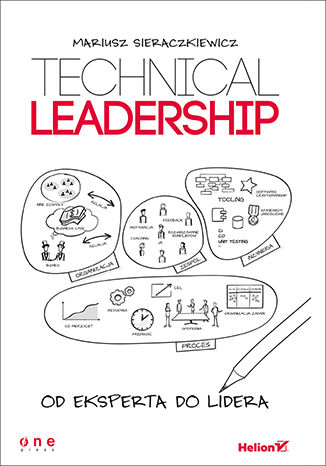
Technical Leadership. Od eksperta do lidera
Mariusz Sieraczkiewicz
Programista na stanowisku Ścieżka kariery ambitnego specjalisty w branży IT wygląda zwykle tak: junior–senior–lider. Kierownictwo firmy wychodzi ze słusznego skądinąd założenia, że szefować zespołowi programistów powinien także programista, tyle że bardziej doświadczony. Takie myślenie przeważnie sprawdza się w zakresie zagadnień technicznych, ale już niekoniecznie w kwestii kontaktów międzyludzkich; to, że ktoś jest świetnym fachowcem, nie oznacza automatycznie, że ma także naturalne predyspozycje do zarządzania pracą kolegów. Na szczęście można się tego nauczyć — najlepiej od ludzi, którzy mają spore doświadczenie na stanowisku lidera technicznego i postanowili się nim podzielić. Podczas pisania tej książki Mariusz Sieraczkiewicz czerpał z wielu źródeł: literatury o przywództwie, 11 lat osobistych doświadczeń (w tym 6-letniej pracy konsultanta i trenera zespołów programistycznych), wielu przeprowadzonych szkoleń tematycznych oraz wystąpień na konferencjach. Przede wszystkim jednak opierał się na pracy nad rozwojem liderów w takich firmach, jak ING, Tieto, YDP, Opera, Samsung, Cybercom Poland Sp. z o. o., Trapeze Poland Sp. z o. o., Apator S.A., LSI Software S.A., SAS Institute Sp. z o.o., Compensa Towarzystwo Ubezpieczeń SA, PRUFTECHNIK Technology Sp. z o. o. Ten podręcznik łączy w sobie najlepsze wzorce biznesowego przywództwa ze specyfiką przewodzenia zespołom programistycznym — wszystko z uwzględnieniem specyfiki naszego rynku.
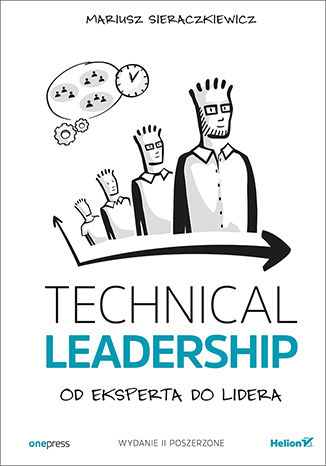
Technical Leadership. Od eksperta do lidera. Wydanie II poszerzone
Mariusz Sieraczkiewicz
"Dotąd nie było takiej książki na rynku" (z recenzji pierwszego wydania) Wybitne umiejętności techniczne i naturalny talent do zarządzania ludźmi nie zawsze idą w parze. A szkoda, bo losem świetnego programisty zatrudnionego na etacie jest, prędzej czy później, awans: z juniora na seniora, z seniora na lidera... I tu zaczyna się problem. Człowieka, który doskonale zna swój koderski fach, stawia się nagle przed koniecznością częściowego bądź całkowitego porzucenia go na rzecz zarządzania zespołem innych koderów - do tej pory kolegów z pracy, a teraz nagle podwładnych. Skąd czerpać wiedzę i inspiracje? W jaki sposób twarde umiejętności, które ma programista, uzupełnić o niezbędne na nowym stanowisku umiejętności miękkie? Czy każdy musi sam i w bólach przejść tę trudną drogę "od eksperta do menedżera", czy też można liczyć na wsparcie i podpowiedzi bardziej doświadczonych technicznych liderów? Otóż można, a nawet należy, tyle tylko, że trzeba dobrze wybrać mentora. Proponujemy, by Twoim "mistrzem" stał się ten podręcznik. Jego autor od kilkunastu lat współpracuje z zespołami programistycznymi jako trener i konsultant, zna więc specyfikę branży, z którą związałeś się zawodowo, i jest świadom tego, jakie problemy stoją przed nowo mianowanym liderem technicznym. Co więcej, wie, co zrobić, by te problemy szybko i skutecznie rozwiązać. W tym podręczniku mówi o roli, jaką odgrywa lider techniczny, o różnicach między ekspertem a liderem, o tym, jak skutecznie pracować ze swoim zespołem oraz jak budować relacje z biznesem. Wskazuje, skąd czerpać motywację - dla siebie i powierzonych sobie ludzi, jak z nimi rozmawiać, by chcieli słuchać, i jak ich słuchać, by wyciągać budujące wnioski. Drugie wydanie książki wzbogacone zostało o rozdział poświęcony wdrażaniu zmian, czyli temu, co jest chlebem powszednim każdego lidera.
Joshua Alan Teter
The role of the Technical Program Manager (TPM) is crucial in the tech industry, bridging the gap between technical expertise and business acumen. The second edition of the Technical Program Manager’s Handbook offers a comprehensive guide to excelling in this role. Building on the foundational concepts from the first edition, this updated version introduces new chapters that explore the integration of AI and Emotional Intelligence (EI) in program management. These crucial additions complement the broader focus of the book on bridging business and technology but don’t overshadow it. You'll learn how to apply AI-driven tools to enhance project planning, risk management, and stakeholder communication, as well as how to leverage EI to build strong team relationships and improve leadership effectiveness.This book provides practical tools, methodologies, and case studies, offering insights from industry leaders to help both aspiring and practicing TPMs apply advanced concepts and strategies effectively. It also explores the unique aspects of the TPM role in major tech companies, helping you to navigate and thrive in your career.By the end of this book, you'll have a clear understanding of the TPM role, along with a breakdown of the necessary technical and program management skills, to develop a clear roadmap for your career.*Email sign-up and proof of purchase required
Chris Chinchilla
Effective documentation is key to the success of products in remote software development teams, facilitating clear instructions that benefit the entire development team. Technical Writing for Software Developers lays a solid foundation of essential grammar, providing language tips and explaining how precise writing enhances documentation, and walks you through the fundamental types and styles of documentation.Starting with an exploration of the current state of the tech writing industry and its significance in both the software and hardware realms, you’ll master the building blocks of technical writing, exploring tooling choices and style guides, and create dynamic multimedia-laden documentation. This book equips you with valuable insights into the writing and feedback process to ensure continuous improvement. Additionally, you’ll take a peek at the emerging trends and technologies, including AI tools, shaping the future of technical writing.By the end of this technical writing book, you’ll have developed the expertise you need to tackle documentation requests effectively, armed with the knowledge of the best approach for documenting any topic, encompassing text, media elements, structure, and appropriate tools. The skills acquired will enable you to achieve seamless teamwork, enhanced project efficiency, and successful software development.
Technologia w e-commerce. Teoria i praktyka. Poradnik menedżera
Piotr Karwatka, Tomasz Ejtminowicz, Marcin Engelmann, Przemysław...
Dowiedz się więcej o Autorach E-handel w pytaniach i odpowiedziach Nadzór nad procesem tworzenia i utrzymaniem sklepu internetowego lub dowolnej innej formy obecności firmy na rynku e-commerce jest naprawdę trudnym zadaniem. Wymaga ogromnej wiedzy i ogromnego doświadczenia w kwestiach biznesowych i prawnych, a przede wszystkim technicznych. Do pracy nad tą książką Piotr Karwatka zaprosił grono uznanych ekspertów: dyrektorów IT oraz niezależnych konsultantów, którzy zajmują się m.in. wdrożeniami, audytami oraz utrzymaniem produkcyjnym zaawansowanych sklepów internetowych. Znajdziesz tutaj odpowiedzi na kluczowe pytania, dotykające całego spektrum technicznych zagadnień związanych z handlem w internecie. Technologia w e-commerce… wypełnia ważną niszę na rynku wydawniczym, ponieważ proponuje kompleksowe podejście do zagadnień, które do tej pory omawiane były osobno w ramach literatury informatycznej i biznesowej. Większość dostępnych dziś książek skupia się albo na technicznych aspektach e-handlu (sposoby korzystania z baz danych, języków programowania i frameworków), albo na ujęciu biznesowym. Autorzy niniejszej publikacji starali się połączyć te dwa światy i stworzyć swoiste FAQ e-biznesu. Jeśli wciąż masz wątpliwości, czy dobrze prowadzisz swój e-biznes, sięgnij po tę pozycję. Tak cennej wiedzy nie znajdziesz nigdzie indziej! Z tej książki dowiesz się między innymi: jak dokonać dobrego wyboru platformy sklepowej i na jakie aspekty zwrócić uwagę w jaki sposób zintegrować się z systemami ERP, stworzyć szynę wymiany danych oraz umiejscowić system w obecnym środowisku informatycznym jak poradzić sobie z dużym obciążeniem i wykorzystać skalowalność oraz jakich narzędzi użyć jak zapewnić bezpieczeństwo danych i nie narazić się GIODO jak stworzyć procedury w zespole wdrożeniowym i przestrzegać tych procedur jak dbać o jakość projektów od etapu analitycznego po wdrożenie i utrzymanie jak zapewnić wysoką dostępność aplikacji, SLA oraz wydajny hosting i wirtualizację Kompendium wiedzy menedżerskiej w jednym podręczniku! Masz pytanie o e-commerce? Sięgnij po niezbędnik menedżera! PATRONAT MEDIALNY:
Technologie cyfrowe w przemyśle. Możliwości i wyzwania
Paweł Gepner, Jerzy Krawiec
Publikacja kompleksowo ujmuje implementację technologii cyfrowych w przemyśle w obliczu koncepcji Przemysłu 4.0/5.0/6.0. Szybko postępująca rewolucja technologiczna wprowadza pojęcia, które stały się podstawowymi terminami w dyskusji o przyszłości produkcji i technologii. Chociaż te koncepcje przemysłowe są ze sobą powiązane, znacznie różnią się pod względem podejścia do technologii i roli człowieka w procesie produkcyjnym. Ogólnie rzecz ujmując, Przemysł 4.0, znany również jako czwarta rewolucja przemysłowa, to era, w której dominuje automatyzacja i cyfryzacja procesów przemysłowych. Charakteryzuje się wzajemnym połączeniem systemów, takich jak chmura obliczeniowa, internet rzeczy (IoT), a właściwie przemysłowy internet rzeczy (IIoT) z wykorzystaniem danych do podejmowania decyzji oraz podniesienia wydajności. Jest to etap, w którym technologia i maszyny zaczęły odgrywać kluczową rolę w produkcji, minimalizując udział czynnika ludzkiego w rutynowych procesach.