
Informatyka
Programowanie obrabiarek sterowanych numerycznie w systemie CAD/CAM CATIA V5
Janusz Pobożniak
Wejdź w świat cyfrowego wytwarzania! System Catia i jego moduły - od czego zacząć naukę programowania obrabiarek sterowanych numerycznie? Cykle tokarskie i frezarskie - jak najszybciej i najwygodniej zaprogramować obróbkę? Procedury wspólne - które zaawansowane procedury programowania na pewno przydadzą się w praktyce? System Catia jest dziś jednym z najlepszych dostępnych na rynku systemów inżynierskich, używanych do komputerowo wspomaganych: projektowania CAD, wykonywania obliczeń inżynierskich CAE oraz wytwarzania CAM. Jego możliwości w zakresie integracji danych, narzędzi, metodologii oraz programowania współbieżnego są wprost niewiarygodne, a ich wykorzystanie pozwala znacząco obniżyć koszty wytwarzania niemal dowolnego elementu czy urządzenia. Jeśli jesteś członkiem zespołu projektowego opracowującego bądź udoskonalającego maszyny, instalacje, podzespoły czy elementy, które muszą spełniać ściśle określone wymagania, system Catia jest właśnie dla Ciebie. Jednak modelowanie geometrii to nie wszystko. Jeśli chcesz wyprodukować przedmiot zaprojektowany w systemie Catia, będziesz potrzebował także informacji, jak zaprogramować różnego typu obrabiarki. Z tej książki dowiesz się, jak wygląda procedura programowania i jak programować obróbkę części obrotowych czy pryzmatycznych. Poznasz szczegóły definiowania cyklów tokarskich i frezarskich oraz możliwości różnych narzędzi wspomagających. Zobaczysz, jak efektywnie symulować obróbkę, analizować poprawność programu, tworzyć bazy narzędzi oraz modele obrabiarek do symulacji czy automatycznie rozpoznawać obrabiane elementy przedmiotu. Niezwykle ułatwi Ci to pracę! Podstawowe informacje o obrabiarkach sterowanych numerycznie CNC i ich programowaniu Procedura programowania obróbki w systemie Catia V5 i środowisko pracy Programowanie obróbki części obrotowych i pryzmatycznych Modele geometryczne używane w czasie programowania Generowanie programu sterującego Programowanie obróbki w wielu zamocowaniach Budowa bazy danych narzędzi Rozpoznawanie cech technologicznych Budowa modeli obrabiarek Obróbka naroży i przejść (tylko dla frezowania) Pracuj (z) głową - wykorzystaj siłę Catii w programowaniu obrabiarek!
Programowanie równoległe i asynchroniczne w C# 5.0
Mateusz Warczak, Jacek Matulewski, Rafał Pawłaszek, Piotr...
Programowanie współbieżne - wykorzystaj w pełni moc procesorów! Opanuj wątki, zadania i TPL Poznaj sprytne rozwiązania z użyciem bibliotek DSS i CCR Wejdź na wyższy poziom z Reactive Extensions i CUDAfy.NET Programowanie współbieżne jest w dzisiejszych czasach absolutnym standardem, jedyną drogą pozwalającą w pełni wykorzystać moc wielordzeniowych procesorów, umieszczanych we współczesnych komputerach. Jednak nadal niewielu programistów potrafi poprawnie i efektywnie korzystać z tej technologii. Czas to zmienić! Jeśli chcesz być naprawdę świetnym programistą C#, tworzącym aplikacje na platformę .NET, a do tej pory nie przestudiowałeś jeszcze porządnie kwestii współbieżności, pora to nadrobić. W tej książce znajdziesz informacje o podstawach tej technologii, takich jak wątki, a także o klasycznych pułapkach związanych z programowaniem współbieżnym. Kolejne rozdziały odkryją przed Tobą tajemnice zadań oraz bibliotek TPL. Poznasz również technologie DSS i CCR oraz dowiesz się co nieco na temat asynchroniczności. Potem przyjdzie kolej na omówienie technologii Reactive Extensions oraz biblioteki CUDAfy.NET, pozwalającej efektywnie wykorzystać karty graficzne do obliczeń niezwiązanych z grafiką. Odkryj zalety programowania równoległego! Dla niecierpliwych: asynchroniczność i pętla równoległa Wątki i zadania Zmienne w aplikacjach wielowątkowych Synchronizacja wątków, zadań i kontrolek interfejsu z zadaniami Wątki i zadania a interfejs użytkownika Dane w programach równoległych Analiza aplikacji wielowątkowych. Debugowanie i profilowanie Wstęp do CCR i DSS Skalowalne rozwiązanie dla systemów rozproszonych na bazie technologii CCR i DSS Wprowadzenie do Reactive Extensions. Zarządzanie sekwencjami zdarzeń Współbieżność w Rx Przykłady użycia technologii Rx w aplikacjach WPF CUDA w .NET Biblioteka TPL w WinRT Dobre praktyki programowania aplikacji wielowątkowych Zostań mistrzem programowania współbieżnego!
Programowanie serwera Oracle 11g SQL i PL/SQL
Adam Pelikant
Twórz przejrzyste bazy danych i właściwie przetwarzaj informacje Podstawy -- organizacja serwera, instalacja bazy danych i końcówki klienta Język SQL -- tworzenie różnych rodzajów zapytań, funkcjonalności dodatkowe Język PL/SQL -- procedury, funkcje, dynamiczny SQL Bazy danych Oracle od lat stanowią najlepszą alternatywę dla wszystkich tych, którzy potrzebują funkcjonalnych i pojemnych struktur przechowywania danych, wyposażonych dodatkowo w możliwość wszechstronnego przeszukiwania i zestawiania potrzebnych informacji. Jednak podstawowa wiedza na temat środowiska Oracle nie wystarczy, aby zaprojektować naprawdę przejrzystą, prostą w obsłudze bazę. Do tego potrzebna jest solidna wiedza, którą znajdziesz właśnie w tym podręczniku. "Programowanie serwera Oracle 11g SQL i PL/SQL " to kontynuacja książki Adama Pelikanta "Bazy danych. Pierwsze starcie", a poruszane w niej zagadnienia są bardziej zaawansowane, choć przy odrobinie samozaparcia także nowicjusz w tej dziedzinie będzie w stanie przyswoić sobie zawartą tu praktyczną wiedzę. Oprócz organizacji serwera, instalacji bazy danych i składni języka SQL szczegółowo omówione są tutaj różne rodzaje zapytań w tym języku (prostych i złożonych), a także funkcje rozszerzenia proceduralnego PL/SQL. W książce opisano także zastosowanie Javy do tworzenia oprogramowania po stronie serwera oraz funkcje analityczne, stanowiące wstęp do przetwarzania OLAP. Całość uzupełniono praktycznymi przykładami, obrazującymi działanie poszczególnych konstrukcji i procedur. Organizacja serwera Instalacja bazy i końcówki klienta Zapytania wybierające, modyfikujące dane i tworzące tabele Dodatkowe funkcjonalności SQL Procedury składowane i wyzwalane Funkcje w PL/SQL Pakiety, kursory, transakcje Dynamiczny SQL Zastosowanie Javy do tworzenia oprogramowania po stronie serwera Elementy administracji -- zarządzanie uprawnieniami z poziomu SQL Obiektowość w Oracle Wydajna, bezpieczna i prosta w obsłudze -- zaprojektuj doskonałą bazę danych!
Programowanie układów AVR dla praktyków
Elliot Williams
Programowanie układów AVR dla pasjonatów! Reaguj natychmiastowo na tyle zewnętrznych zdarzeń, ile układ AVR ma pinów. Zbuduj niedrogi wykrywacz kroków. Zaprojektuj elektronikę sterującą silnikami prądu stałego i silnikami krokowymi oraz innymi elementami o dużym poborze prądu. Przygotuj gadający woltomierz, w którym próbki dźwięku zapisane są w nieulotnej pamięci mikrokontrolera. Wykorzystaj protokoły SPI i I2C. Współczesny świat elektroniki jest podbijany przez układ Arduino. Przemawia za nim wygoda oraz proste tworzenie całkiem zaawansowanych projektów. Jeżeli jednak wymagasz najwyższej wydajności, reakcji na zdarzenia w czasie rzeczywistym lub wielozadaniowości, warto, żebyś wykonał kolejny krok i poznał układy AVR firmy Atmel. Brzmi zachęcająco? Doskonale! W Twoje ręce oddajemy książkę, która pozwoli Ci poznać pasjonujący świat tych układów. W kolejnych rozdziałach nauczysz się wykorzystywać ich potencjał do pisania swoich własnych programów w języku C oraz komunikowania się ze światem zewnętrznym. Ponadto dowiesz się, jak korzystać z komunikacji szeregowej, wejść cyfrowych oraz przerwań sprzętowych. Na sam koniec, w części poświęconej zaawansowanym zagadnieniom, zobaczysz, jak używać przełączników i protokołu I2C oraz sterować silnikami. Książka ta przyda się wszystkim pasjonatom elektroniki, którzy pragną odkryć potencjał układów AVR. Dzięki tej książce: skompletujesz potrzebne narzędzia nauczysz się programować układy AVR wykorzystasz Arduino do programowania AVR zastosujesz przerwania sprzętowe użyjesz układu AVR w zaawansowanych projektach Wykorzystaj potencjał układów AVR!
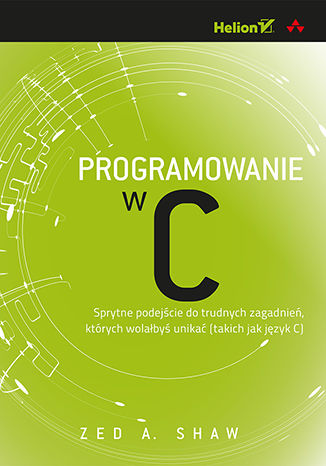
Zed A. Shaw
Istnieje bardzo wiele nowoczesnych języków programowania, które pozwalają na szybkie wdrożenie i pracę. Takim językiem na pewno nie jest C. Niektóre jego cechy bardzo utrudniają tworzenie bezpiecznego i bezawaryjnego kodu. Warto więc dogłębnie poznać C — przy bardzo prostej składni i niewielkich wymaganiach sprzętowych ma potężne możliwości! Niniejsza książka jest bardzo dobrym podręcznikiem dla początkujących programistów. Nauczysz się C, wykonując 52 sprytnie skonstruowane zadania zilustrowane kodem i specjalnie opracowanymi klipami wideo. Duży nacisk został położony na dogłębną analizę tworzonego kodu — autor zmusza Czytelnika do zrozumienia znaczenia każdej linii programu, do koncentracji i dokładności. Zachęca też do praktykowania tzw. programowania defensywnego, dzięki któremu możliwe jest podniesienie jakości i bezpieczeństwa tworzonego oprogramowania. Wartościowym elementem książki są wskazówki, jak zepsuć napisany kod, a następnie go zabezpieczyć. Bardzo ułatwia to unikanie wielu poważnych, często spotykanych błędów. Najistotniejsze zagadnienia poruszone w książce: Podstawowa składnia C Konfiguracja środowiska programistycznego, kompilacja kodu, pliki Makefile i linkery Kontrola przebiegu działania programu, alokacja pamięci Operacje wejścia-wyjścia i pliki, stosy i kolejki Usuwanie błędów, programowanie defensywne i automatyczne testowanie Eliminacja błędu przepełnienia stosu, niedozwolonego dostępu do pamięci itd. Hakowanie własnego kodu utworzonego w C Zrozum C, programuj starannie — dobrze działać może tylko dobry kod!

Programowanie w Go. Poznaj prosty i wydajny język od Google
Andrzej Gromczyński
Trzy, dwa, jeden, Go! Wielu programistów szuka prostego, bardziej intuicyjnego sposobu na tworzenie aplikacji. Przeszkadza im złożoność języków programowania, nieczytelność ich składni i stopień skomplikowania konfiguracji. W trakcie poszukiwań narzędzi zapewniających prostotę i dużą wydajność trafiają często na stworzony przez inżynierów Google język Go i... okazuje się, że spełnia on te oczekiwania, jest prosty jak Python i wydajny jak Java. Jeśli i Ty chcesz tworzyć aplikacje szybciej i efektywniej, nie tracić przy tym czasu na skomplikowane konfiguracje czy debugowanie, ta książka jest dla Ciebie. Dowiesz się z niej między innymi: jak łatwo rozpocząć pracę z Go, nawet jeśli jesteś początkującym programistą jak prosto i efektywnie korzystać z bibliotek graficznych odpowiednich dla tego języka jak zrealizować w Go pierwszy sprawny projekt, na przykład grę w stylu retro Zacznij programować w języku Go i przekonaj się, jak uprości to Twoje projekty. Napisz i wdróż w nim aplikację - i daj się zaskoczyć jej stabilnością, wydajnością, a także tym, jak mało zasobów zużywa w porównaniu z aplikacjami pisanymi w innych językach.
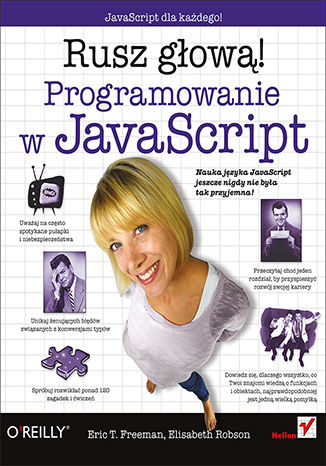
Programowanie w JavaScript. Rusz głową!
Eric Freeman, Elisabeth Robson
Naucz się jak używać języka JavaScript do prowadzenia interakcji ze stronami WWW. Rozwiń swoje umiejętności poza pisanie prostych skryptów — poznaj programowanie obiektowe. Buduj prawdzie, interaktywne aplikacje internetowe. Zobacz jak rozwiązywać realne problem, aby poznać najlepsze sposoby pisania kodu. Spróbuj rozwikłać ponad 120 zagadek i ćwiczeń. Jeżeli chcesz stworzyć atrakcyjną aplikację internetową lub stronę WWW, to poza znajomością języka HTML powinieneś również umieć korzystać z JavaScriptu. Język ten jeszcze całkiem niedawno wzbudzał wiele negatywnych emocji — ale te czasy odeszły w niepamięć! Bez jego pomocy współczesne strony WWW nie byłyby takie funkcjonalne! Jeżeli chcesz poznać możliwości JavaScriptu oraz w pełni wykorzystać jego potencjał, trafiłeś na doskonałą książkę. Należy ona do cenionej serii „Rusz głową” i opisuje wszystkie aspekty programowania w tym języku. Sięgnij po nią i poznaj język JavaScript od podstaw. Każda kolejna strona to spora dawka wiedzy podanej w przystępny sposób. Pomoże Ci poznać składnię języka, jego podstawowe elementy i konstrukcje. W momencie, kiedy opanujesz podstawy, przejdziesz do bardziej zaawansowanych tematów — programowania obiektowego, manipulowania drzewem DOM, obsługi zdarzeń oraz korzystania z funkcji anonimowych i domknięć. Książka ta jest doskonałą lekturą dla wszystkich osób chcących biegle władać językiem JavaScript! Dzięki tej książce: poznasz składnię i podstawowe elementy języka JavaScript nauczysz się tworzyć obiekty i obsługiwać zdarzenia zobaczysz, jak wykorzystać domknięcia i funkcje anonimowe stworzysz prawdziwą grę Nauka języka JavaScript jeszcze nigdy nie była tak przyjemna! „Doskonałe wprowadzenie do programowania, połączone z zaawansowanymi zagadnieniami, takimi jak tworzenie obiektów, dziedziczenie i domknięcia, pozwalające czytelnikom przejść od samych podstaw, aż do najbardziej interesujących pojęć nowoczesnego programowania”. — Peter Casey, profesor, Central Oregon Community College „Ta książka przenosi Cię za kulisy języka JavaScript i zapewnia dogłębne zrozumienie zasad działania tego wyjątkowego języka programowania”. — Chris Fuselier, konsultant techniczny „Szkoda, że nie miałam książki Programowanie w JavaScript. Rusz głową! kiedy zaczynałem”. — Daniel Konopacki; projektant oprogramowania kadrowego; The Wald Disney Company
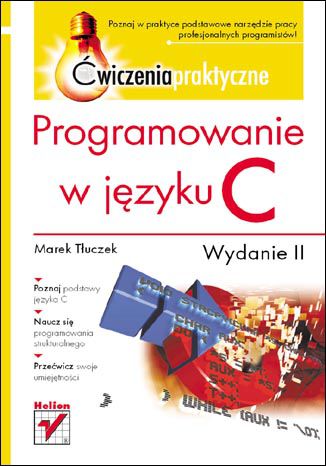
Programowanie w języku C. Ćwiczenia praktyczne. Wydanie II
Marek Tłuczek
Poznaj podstawy języka C Naucz się programowania strukturalnego Przećwicz swoje umiejętności Poznaj w praktyce podstawowe narzędzie pracy profesjonalnych programistów! Opracowanie języka C było milowym krokiem w historii rozwoju informatyki i choć od czasu jego powstania minęło już niemal czterdzieści lat, nadal jest to jeden z najbardziej popularnych języków programowania na świecie. Zawdzięcza to swojej elastyczności, dużym możliwościom, wysokiej wydajności działania, łatwości tworzenia i konserwacji kodu oraz niezależności od platformy sprzętowej. Nie bez znaczenia jest też fakt, że na jego składni oparte są inne nowoczesne języki wysokiego poziomu, takie jak C++, C# czy Java — i że to właśnie jego poznanie jest często pierwszym krokiem na drodze do kariery profesjonalnego programisty. Niezależnie od tego, z jakich powodów chcesz nauczyć się języka C, doskonałą pomocą okaże się książka "Programowanie w języku C. Ćwiczenia praktyczne. Wydanie II ". Poprawiona i uzupełniona edycja ćwiczeń bezboleśnie wprowadzi Cię w świat programowania strukturalnego. Poznasz podstawowe pojęcia związane z językiem C i zasady tworzenia poprawnego kodu, nauczysz się prawidłowo korzystać z różnych typów danych i instrukcji, a także dowiesz się, jak przeprowadzać operacje wejścia-wyjścia. Zgłębisz również tajniki bardziej zaawansowanych technik, takich jak używanie wskaźników, tablic i struktur. Jeśli chcesz zacząć przygodę z programowaniem w C, trafiłeś na idealną książkę! Podstawy tworzenia kodu w C Definiowanie stałych i zmiennych oraz ich używanie Stosowanie prostych i złożonych typów danych Używanie instrukcji warunkowych i tworzenie pętli Korzystanie z funkcji standardowych Posługiwanie się łańcuchami znakowymi Operacje związane ze strumieniami wejścia-wyjścia Definiowanie i używanie wskaźników do danych i funkcji Nauka języka C jeszcze nigdy nie była tak prosta!