
Informatyka
Zajrzyj do kategorii Informatyka w księgarni internetowej Ebookpoint. Znajdziesz tutaj bestsellerowe książki, ebooki i kursy video z branży IT. Sięgnij po najlepszą literaturę dla specjalistów i rozwijaj doświadczenie, które już posiadasz, lub rozpocznij swoją przygodę z programowaniem, cyberbezpieczeństwem lub grafiką komputerową. Pogłębiaj swoją wiedzę tak, jak Ci wygodnie - z tradycyjną książką, wygodnym ebookiem lub nowoczesnym videokursem. Sprawdź, jakie tytuły znajdziesz w kategorii Informatyka!
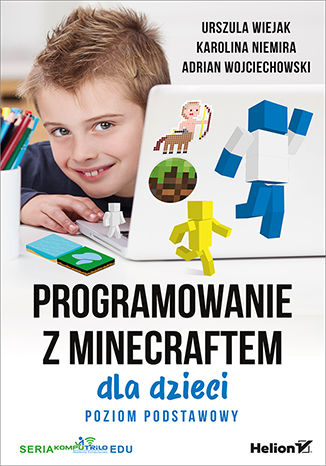
Programowanie z Minecraftem dla dzieci. Poziom podstawowy
Urszula Wiejak, Karolina Niemira, Adrian Wojciechowski
Przyszli inżynierowie i programiści na start! Programowanie to wspaniała, pełna przygód zabawa. Ty i Twoje dziecko możecie się o tym przekonać dzięki tej wyjątkowej książce. Przedstawione w niej treści zostały opracowane na bazie kilkuletnich doświadczeń zgromadzonych podczas warsztatów programowania dla dzieci i młodzieży w Komputrilo Akademii Komputerowej. Książka jest przeznaczona dla dzieci w wieku 8 lat, ale znakomicie nadaje się również dla dzieci starszych i dorosłych rozpoczynających przygodę informatyczną. Szczególny nacisk położono na przedstawienie trudnych zagadnień w sposób przystępny dla każdego dziecka. Prosty i przyjemny w nauce język programowania Lua Efektywna nauka przez zabawę w świecie Minecrafta Zagadnienia przydatne do zrozumienia różnych języków programowania Rozwój myślenia analitycznego oraz kompetencji cyfrowych Elementy matematyki Rozwiązanie każdego zadania Z nami i Minecraftem nauka programowania to przyjemność!
Programowanie z Minecraftem dla dzieci. Poziom podstawowy. Wydanie II
Urszula Wiejak, Karolina Niemira, Adrian Wojciechowski
Zacznij programować już dziś! To kolejne wydanie książki, która zachwyciła tysiące dzieci i rodziców! Programowanie to wspaniała, pełna przygód zabawa. Przekonajcie się o tym wraz z dziećmi - dzięki tej wyjątkowej książce! Zaprezentowane w niej treści i zadania powstały na bazie kilkuletnich doświadczeń zebranych podczas zajęć dla dzieci i młodzieży w Komputrilo Akademii Komputerowej. Choć to przewodnik przeznaczony dla dzieci, może być również świetną pomocą dydaktyczną dla dorosłych towarzyszących swoim pociechom w nauce oraz osób, które po prostu chcą poznać podstawy programowania komputerowego. Łatwo, szybko i praktycznie - właśnie tak nauczycie się programować z tą książką! Prosty i przyjemny w nauce edytor graficzny Efektywna nauka przez zabawę w świecie Minecrafta Wsparcie w zrozumieniu różnych języków programowania Rozwój myślenia analitycznego oraz kompetencji cyfrowych Przydatna wiedza matematyczna Zadania z rozwiązaniami Zostań programistą i specjalistą od Minecrafta!
Programowanie z Minecraftem dla dzieci. Poziom podstawowy. Wydanie III
Urszula Wiejak, Karolina Niemira, Adrian Wojciechowski
Fenomen gry Minecraft nie przestaje zadziwiać. Od wielu lat produkcja spod znaku Mojang Studios utrzymuje się na szczycie najlepiej sprzedających się gier wideo w historii. Minecraft to jednak znacznie więcej niż gra - w jego świecie powstają całe miasta, biblioteki, odwzorowywane są dzieła sztuki. Ma także duże walory edukacyjne. Nic bowiem nie stoi na przeszkodzie, aby z Minecraftem uczyć się programowania. Poprzez połączenie nauki i zabawy gra pomaga najmłodszym stawiać pierwsze kroki w tworzeniu oprogramowania. Trzecie wydanie Programowania z Minecraftem dla dzieci to kolejna odsłona cieszącego się uznaniem przewodnika, dzięki któremu Twoje dziecko rozpocznie przygodę z programowaniem. To książka adresowana do dzieci od ósmego roku życia, ale i starsi znajdą coś dla siebie. Przeprowadzi sprawnie młodych czytelników przez omówienie poszczególnych klas, funkcji i typów zmiennych, instrukcji warunkowych czy pętli. Co więcej, każde zagadnienie zostało uzupełnione o praktyczne zadania, a to pozwoli na bieżąco weryfikować przyswojone informacje. Dzięki osadzeniu w systemach Minecrafta, gry dobrze znanej wielu dzieciom, nauka z tym przewodnikiem jest niezwykle efektywna - właśnie dlatego, że łączy przyjemne z pożytecznym. Z tą książką Twoje dziecko: postawi pierwszy krok w programowaniu dowie się, jak budować algorytmy zaznajomi się z podstawami logiki pozna kluczowe zagadnienia programistyczne Efektywna nauka przez zabawę w świecie Minecrafta!
Programowanie z Minecraftem dla dzieci. Poziom średnio zaawansowany
Urszula Wiejak, Adrian Wojciechowski
Przyszli inżynierowie i programiści na start! Programowanie to wspaniała, pełna przygód zabawa. Ty i Twoje dziecko możecie się o tym przekonać dzięki tej wyjątkowej książce. Przedstawione w niej treści zostały opracowane na bazie kilkuletnich doświadczeń zgromadzonych podczas warsztatów programowania dla dzieci i młodzieży w Komputrilo Akademii Komputerowej. To wydanie stanowi kontynuację naszej wcześniejszej publikacji, Programowanie z Minecraftem dla dzieci. Poziom podstawowy. Książka uczy programowania w języku Lua. Jest przeznaczona dla dzieci w wieku od 10 lat; znakomicie nadaje się również dla nastolatków rozpoczynających przygodę informatyczną. Szczególny nacisk położono na to, by trudne zagadnienia przedstawić w sposób przystępny dla każdego dziecka. Zadania są wykonywane w edytorze tekstowym, co daje przedsmak profesjonalnego pisania kodu. Prosty i przyjemny w nauce język programowania Lua Wizualizacja napisanych programów w świecie Minecrafta Zagadnienia przydatne do zrozumienia różnych języków programowania Rozwój myślenia analitycznego oraz kompetencji cyfrowych Elementy matematyki Nawiązania do podstawy programowej zajęć komputerowych i informatyki Zaawansowane zagadnienia Rozwiązanie każdego zadania Nauka programowania z Minecraftem to prawdziwa przyjemność!
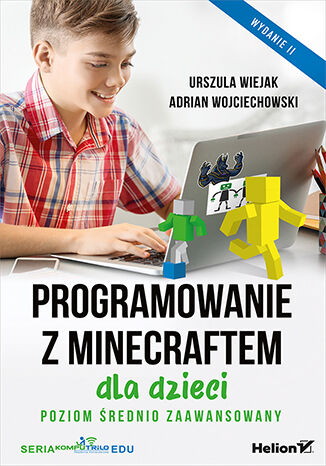
Programowanie z Minecraftem dla dzieci. Poziom średnio zaawansowany. Wydanie II
Urszula Wiejak, Adrian Wojciechowski
Minecraft to nie tylko seria gier wideo, w które chętnie grają dzieci na całym świecie. Stworzony przez Markusa Perssona i rozwijany przez Mojang Studios, stał się także fenomenem popkultury. Kilkunastoletnia kariera gry jest znaczona kolejnymi książkami, filmami, ubraniami, gadżetami i zabawkami, uhonorowano ją nawet tematyczną serią klocków Lego. Dorośli, doceniając rozrywkowe walory gry, dostrzegli także jej aspekty edukacyjne. Minecraft stał się na przykład bazą zajęć z programowania dla dzieci i młodzieży. Ta książka powstała na podstawie warsztatów dla średnio zaawansowanych i jest przeznaczona dla dzieci od dziesiątego roku życia. Uczy programowania, przekazuje także trudniejsze zagadnienia w prosty, przyjazny dla młodego umysłu sposób. Do każdego zadania podane zostało rozwiązanie, bardziej skomplikowane zaś można rozwiązywać wspólnie z autorami podręcznika. Z tą książką Twoje dziecko: Pozna prosty i przyjazne zasady programowania Opanuje zagadnienia przydatne w różnych językach programowania Rozwinie umiejętność myślenia analitycznego Pogłębi kompetencje cyfrowe Będzie się świetnie bawić, a równocześnie zdobędzie pierwsze informatyczne szlify Zdobywanie wiedzy jest najefektywniejsze w praktyce!
Dorota Kowalczyk
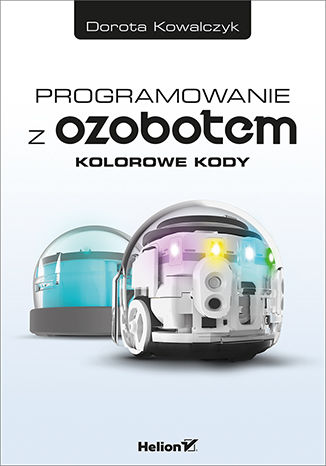
Przez zabawę do nauki programowania Ozobot to niewielki, ale bardzo sprytny robot, którego pokochały dzieci oraz docenili rodzice i nauczyciele informatyki. Ten edukacyjny automat, dwukrotny zdobywca polskiego tytułu Zabawki Roku oraz laureat robotycznych konkursów w USA, ma misję. Każdego chętnego, który ukończył piąty rok życia, gotów jest zabrać w podróż pełną radosnego rysowania, ciekawych problemów do rozwiązania i pracy zespołowej. Ozobot, bawiąc, uczy programowania. Dzieci bowiem komunikują się z nim za pomocą kolorowych kodów ― robot odczytuje je i wykonuje dawane mu polecenia. Nim jednak zajmiemy młodych adeptów informatyki pracą z Ozobotem, musimy go najpierw odpowiednio przygotować. Jak to zrobić? Najlepiej z tą książką! Jej autorka w przystępny sposób tłumaczy zasady komunikacji z robotem, w tym analizowanie i testowanie konkretnych przypadków, które mogą użytkownikowi sprawiać problemy w codziennym użytkowaniu Ozobota. Nie zagłębiając się w zbędne detale, wyjaśnia najważniejsze dla nauczycieli i rodziców kwestie dotyczące budowy tego niedużego robota o wielkich możliwościach. Proponuje także przystosowanie jej do realizacji własnych pomysłów i podpowiada, jak się do tego zabrać.
Chris Love
Are you a developer that wants to create truly cross-platform user experiences with a minimal footprint, free of store restrictions and features customers want? Then you need to get to grips with Progressive Web Applications (PWAs), a perfect amalgamation of web and mobile applications with a blazing-fast response time.Progressive Web Application Development by Example helps you explore concepts of the PWA development by enabling you to develop three projects, starting with a 2048 game. In this game, you will review parts of a web manifest file and understand how a browser uses properties to define the home screen experience. You will then move on to learning how to develop and use a podcast client and be introduced to service workers. The application will demonstrate how service workers are registered and updated. In addition to this, you will review a caching API so that you have a firm understanding of how to use the cache within a service worker, and you'll discover core caching strategies and how to code them within a service worker.Finally, you will study how to build a tickets application, wherein you’ll apply advanced service worker techniques, such as cache invalidation. Also, you'll learn about tools you can use to validate your applications and scaffold them for quality and consistency. By the end of the book, you will have walked through browser developer tools, node modules, and online tools for creating high-quality PWAs.
Scott Domes
For years, the speed and power of web apps has lagged behind native applications. Progressive Web Apps (PWAs) aim to solve this by bridging the gap between the web apps and native apps, delivering a host of exciting features. Simultaneously, React is fast becoming the go-to solution for building modern web UIs, combining ease of development with performance and capability. Using React alongside PWA technology will make it easy for you to build a fast, beautiful, and functional web app.After an introduction and brief overview of the goals of PWAs, the book moves on to setting up the application structure. From there, it covers the Webpack build process and the process of creating React components. You'll learn how to set up the backend database and authentication solution to communicate with Firebase and how to work with React Router. Next, you will create and configure your web app manifest, making your PWA installable on mobile devices. Then you'll get introduced to service workers and see how they work as we configure the app to send push notifications using Firebase Cloud Messaging. We'll also explore the App Shell pattern, a key concept in PWAs and look at its advantages regarding efficient performance. Finally, you'll learn how to add of?ine capabilities to the app with caching and confirm your progress by auditing your PWA with Lighthouse. Also, you'll discover helper libraries and shortcuts that will help you save time and understand the future of PWA development.