
Informatyka
Zajrzyj do kategorii Informatyka w księgarni internetowej Ebookpoint. Znajdziesz tutaj bestsellerowe książki, ebooki i kursy video z branży IT. Sięgnij po najlepszą literaturę dla specjalistów i rozwijaj doświadczenie, które już posiadasz, lub rozpocznij swoją przygodę z programowaniem, cyberbezpieczeństwem lub grafiką komputerową. Pogłębiaj swoją wiedzę tak, jak Ci wygodnie - z tradycyjną książką, wygodnym ebookiem lub nowoczesnym videokursem. Sprawdź, jakie tytuły znajdziesz w kategorii Informatyka!
This book is intended for users of all levels who are looking to leverage the Splunk Enterprise platform as a valuable operational intelligence tool. The recipes provided in this book will appeal to individuals from all facets of a business – IT, Security, Product, Marketing, and many more!
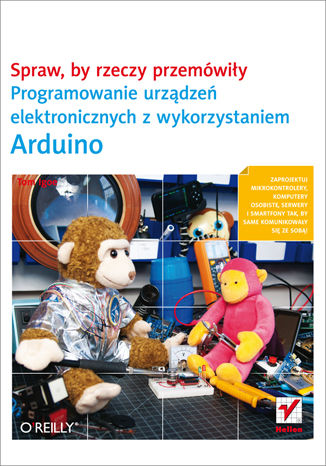
Spraw, by rzeczy przemówiły. Programowanie urządzeń elektronicznych z wykorzystaniem Arduino
Tom Igoe
Zaprojektuj mikrokontrolery, komputery osobiste, serwery i smartfony tak, by komunikowały się ze sobą! Ciężko nam w to uwierzyć, ale całkiem niedawno komputery były odizolowanymi jednostkami, niezdolnymi do komunikowania się między sobą. Dzisiaj potencjał samych komputerów, tabletów i telefonów połączonych w sieć jest oszałamiający. Budowanie projektów elektronicznych, które prowadzą interakcję ze światem fizycznym, to dobra zabawa. A kiedy urządzenia, które budujesz, zaczynają komunikować się między sobą, staje się to naprawdę interesujące. Trzydzieści trzy łatwe projekty z tej książki pokazują, jak sprawić, by Twoje gadżety komunikowały się z Tobą i Twoim środowiskiem. To idealna propozycja dla ludzi z niewielką wiedzą techniczną, ale dużym zainteresowaniem tematem! Dzięki tej książce dowiesz się, jakie urządzenia i narzędzia będą Ci potrzebne, przygotujesz stanowisko pracy i rozpoczniesz tę niesłychaną przygodę! Na początek zbudujesz najprostszą sieć i prześlesz pierwsze komunikaty (także bezprzewodowo). W kolejnych rozdziałach zaczniesz konstruować coraz bardziej zaawansowane układy, poznasz szczegóły komunikacji bezprzewodowej, identyfikacji oraz lokalizacji. Twoją ciekawość powinien wzbudzić rozdział poświęcony umieszczaniu w sieci mikrokontrolerów. Ta możliwość daje Ci do ręki potężne narzędzie. Czy już wiesz, jak je wykorzystać? Z odrobiną wiedzy o elektronice, niedrogimi zestawami mikrokontrolerów i modułami sieciowymi pozwalającymi im komunikować się ze sobą możesz od razu zacząć budowę tych projektów. Blink - Twój pierwszy program Monski Pong - sterowanie grą wideo za pomocą puszystej różowej małpki Sieciowy miernik stanu zanieczyszczenia powietrza - ładowanie i wyświetlanie najświeższego raportu dla Twojego miasta Czujnik toksyn XBee - używanie ZigBee, czujników i małpki z talerzami do ostrzegania o toksycznych wyziewach Bluetooth GPS - budowanie zasilanego z baterii GPS-a, który podaje swoją lokalizację przez Bluetooth Tweetowanie z RFID - odczytywanie strumieni Twittera przez pomachanie czytnikiem RFID Zacznij eksperymentować i spraw, by rzeczy robiły to, czego chcesz!
Sprawne zarządzanie projektami metodą Scrum
Ken Schwaber
Reguł i praktyk stosowanych w metodyce Scrum prostym procesie stosowanym do zarządzania skomplikowanymi projektami jest mało, są one proste i łatwe do nauczenia się. Jednak sama prostota tej metody brak przygotowanych rozwiązań może okazać się rozbrajająca i spowodować, że ludzie rozpoczynający korzystanie z niej mają skłonność do powracania do starych nawyków i narzędzi zarządzania, uzyskując przez to gorsze rezultaty. W tej pouczającej serii studiów przypadków współtwórca metodyki Scrum Ken Schwaber przedstawia wykłady oparte na przykładach wziętych z życia, ich sukcesy i porażki, wybrane z jego wieloletniej praktyki jako instruktora w uczeniu firm sprawnego zarządzania projektami. Dzięki nim zrozumiemy, jak wykorzystać metodykę Scrum do rozwiązywania skomplikowanych problemów i uzyskiwać lepsze wyniki przy jednoczesnym szybszym dostarczaniu wartościowego oprogramowania. Zdobądź podstawy teorii i praktyki Scrum, których potrzebujesz, aby: * kierować najbardziej złożonymi, trudnymi projektami, * efektywnie zarządzać nieznanymi i zmieniającymi się wymaganiami produktowymi, * uprościć kierowanie projektem poprzez wprowadzenie samozarządzających się zespołów, * otrzymywać od klientów jaśniejsze specyfikacje i informacje zwrotne, * skrócić czas planowania projektu i zmniejszyć ilość wymaganych narzędzi, * kompilować i dostarczać klientom produkty w 30-dniowych cyklach, tak by stosunkowo wcześnie otrzymywali wersje robocze, * unikać błędnych posunięć poprzez regularne przeprowadzanie inspekcji, wykonywanie raportów i dostrajanie projektów, * obsługiwać wiele zespołów, pracujących w wielu lokalizacjach geograficznych nad projektem o dużym zasięgu, * maksymalizować zyski z inwestycji
Sprawny programista. Pracuj, zarabiaj i zdobywaj kwalifikacje
John Sonmez
Życiowy podręcznik dla programistów „John ma do przekazania ważny komunikat — holistyczną wiadomość, którą powinien usłyszeć każdy programista (i, moim zdaniem, także każda inna osoba)”. — z Przedmowy Roberta C. Martina (Wujka Boba) Programiści to umysły ścisłe. Świetnie odnajdują się w gąszczu linijek kodu, klas, obiektów, interfejsów i kompilatorów. Jednak aby odnieść sukces w życiu zawodowym, nie wystarczą wybitne zdolności techniczne. Konieczne jest też posiadanie umiejętności interpersonalnych oraz tzw. miękkich, które znacznie ułatwiają codzienne życie i kooperację z innymi. Jeżeli jesteś osobą techniczną i nieswojo czujesz się podczas rozmowy o wszelkich innych aspektach Twojego życia, ten poradnik jest stworzony dla Ciebie. Bez opuszczania własnej kanapy możesz zdecydowanie poprawić swoje umiejętności! Ta książka zawiera 71 krótkich rozdziałów, które pomogą Ci w porządkowaniu Twojego życia prywatnego i zawodowego. Pozwoli Ci ona zapanować nad kwestiami związanymi z finansami, relacjami, sprawnością fizyczną i nie tylko. Jeśli jesteś programistą lub wykonujesz zadania techniczne w branży IT, uznaj ją za lekturę obowiązkową! Co znajdziesz w środku? Porady, jak przyspieszyć swoją karierę, budując markę osobistą. Autorski program dziesięciu kroków Johna, który przyspiesza proces nauki. Informacje dotyczące tego, jak dbać o sprawność fizyczną i oderwać się wreszcie od komputera. Unikalne strategie inwestowania, dzięki którym będziesz mógł szybciej przejść na emeryturę. Ciesz się ze swojej pracy i popraw jej efektywność!
Massimiliano Dessi
Developing powerful web applications with clean, manageable code makes the maintenance process much easier. Aspect-Oriented Programming (AOP) is the easiest and quickest way to achieve such results. Spring is the only Java framework to offer AOP features. The combined power of Spring and AOP gives a powerful and flexible platform to develop and maintain feature-rich web applications quickly.This book will help you to write clean, manageable code for your Java applications quickly, utilizing the combined power of Spring and AOP. You will master the concepts of AOP by developing several real-life AOP-based applications with the Spring Framework, implementing the basic components of Spring AOP: Advice, Joinpoint, Pointcut, and Advisor.This book will teach you everything you need to know to use AOP with Spring. It starts by explaining the AOP features of Spring and then moves ahead with configuring Spring AOP and using its core classes, with lot of examples. It moves on to explain the AspectJ support in Spring. Then you will develop a three-layered example web application designed with Domain-Driven Design (DDD) and built with Test-Driven Development methodology using the full potential of AOP for security, concurrency, caching, and transactions.
Dinesh Rajput
Design patterns help speed up the development process by offering well tested and proven solutions to common problems. These patterns coupled with the Spring framework offer tremendous improvements in the development process.The book begins with an overview of Spring Framework 5.0 and design patterns. You will understand the Dependency Injection pattern, which is the main principle behind the decoupling process that Spring performs, thus making it easier to manage your code. You will learn how GoF patterns can be used in Application Design. You will then learn to use Proxy patterns in Aspect Oriented Programming and remoting. Moving on, you will understand the JDBC template patterns and their use in abstracting database access. Then, you will be introduced to MVC patterns to build Reactive web applications. Finally, you will move on to more advanced topics such as Reactive streams and Concurrency.At the end of this book, you will be well equipped to develop efficient enterprise applications using Spring 5 with common design patterns
Claudio Eduardo de Oliveira
With growing demands, organizations are looking for systems that are robust and scalable. Therefore, the Spring Framework has become the most popular framework for Java development. It not only simplifies software development but also improves developer productivity. This book covers effective ways to develop robust applications in Java using Spring.The book has three parts, where each one covers the building of a comprehensive project in Java and Spring. In the first part, you will construct a CMS Portal using Spring's support for building REST APIs. You will also learn to integrate these APIs with AngularJS and later develop this application in a reactive fashion using Project Reactor, Spring WebFlux, and Spring Data. In the second part, you’ll understand how to build a messaging application, which will consume the Twitter API and perform filtering and transformations. Here, you will also learn about server-sent events and explore Spring’s support for Kotlin, which makes application development quick and efficient. In the last part, you will build a real microservice application using the most important techniques and patterns such as service discovery, circuit breakers, security, data streams, monitoring, and a lot more from this architectural style.By the end of the book, you will be confident about using Spring to build your applications.
Spring 5.0 Cookbook. Recipes to build, test, and run Spring applications efficiently
Sherwin John C. Tragura
The Spring framework has been the go-to framework for Java developers for quite some time. It enhances modularity, provides more readable code, and enables the developer to focus on developing the application while the underlying framework takes care of transaction APIs, remote APIs, JMX APIs, and JMS APIs. The upcoming version of the Spring Framework has a lot to offer, above and beyond the platform upgrade to Java 9, and this book will show you all you need to know to overcome common to advanced problems you might face.Each recipe will showcase some old and new issues and solutions, right from configuring Spring 5.0 container to testing its components. Most importantly, the book will highlight concurrent processes, asynchronous MVC and reactive programming using Reactor Core APIs. Aside from the core components, this book will also include integration of third-party technologies that are mostly needed in building enterprise applications. By the end of the book, the reader will not only be well versed with the essential concepts of Spring, but will also have mastered its latest features in a solution-oriented manner.