
Wydawca: 16

Krótsze ramię trójkąta. Tom 1: Elka
Ada Johnson
Niezwykle głęboka, wielowymiarowa więź z matką to jedna z najcenniejszych rzeczy w życiu Elki. Fakt, że córka mieszka w podtoruńskiej wsi, a matka w angielskim mieście uniwersyteckim, nie stanowi żadnej przeszkody w ich codziennej, ożywionej komunikacji. Kiedy Lena nagle zrywa kontakt z córką, ta czuje się zagubiona i zaniepokojona. Próby dowiedzenia się czegokolwiek na temat matki spełzają na niczym. Angielski partner Leny zachowuje się zagadkowo, Elka postanawia zatem wyjechać do Wielkiej Brytanii, by na miejscu wyjaśnić tę tajemniczą sprawę. Prawda, którą kobieta odkrywa, jest szokująca, a okazuje się dopiero początkiem jej osobistego trzęsienia ziemi...

Krótsze ramię trójkąta. Tom 2: Dominik
Ada Johnson
Wraz ze śmiercią mamy świat Elki Walewskiej stracił jeden z filarów, na których się opierał. Kobieta ma czasem wrażenie, że uszkodzona konstrukcja niebezpiecznie się chwieje i zaraz runie. Przypomina sobie wtedy, że wie, jak ją ustabilizować: musi po prostu żyć. Rozpacza więc, niecierpliwi się i złości, by za chwilę się śmiać, wzruszać i zachwycać wiosną. Dominik wspiera ją we wszystkim. Jest nie tylko mężem, ale i najlepszym przyjacielem. Razem mogą przetrwać każdą katastrofę. Oboje są o tym przekonani. Właśnie wtedy przekorny los stawia na ich ścieżce "tę trzecią"...

Nina Bylicka-Karczewska
W walce o prawdę i miłość Przypadkowe spotkanie Anki i Piotra po piętnastu latach było dla nich przełomem. Ona widziała w Piotrze szansę na ułożenie relacji z synem, on, walcząc o własne szczęście, musiał dokonać trudnych wyborów. Robert, ich syn, rozdarty między biologicznymi rodzicami, a tymi, którzy go adoptowali i wychowali, szuka własnej tożsamości. Anka i Piotr zmagają się z konsekwencjami wcześniejszych decyzji oraz próbują stworzyć patchworkową rodzinę. Mierzą się z wątpliwościami, przeszłością, leczą niezabliźnione rany i próbują rozwiązać problemy narosłe zarówno w ich rodzinach, jak i między nimi. W międzyczasie muszą stawić czoła oskarżeniom, które padają pod adresem ich syna. Co naprawdę ukrywa Robert? Czy Anka i Piotr potrafią zbudować szczęśliwą rodzinę, borykając się tym razem z własnymi błędami wychowawczymi? Jedni wchodzą w dorosłość zbyt szybko, a inni zdecydowanie za późno. Ta książka to wzruszający przewodnik po ludzkiej psychice. To obraz ludzi żyjących z piętnem przeszłości i z traumami, które nie pozwalają realnie patrzeć na świat. Ale to również obraz pięknych uczuć. Polecam całym sercem. Ewa Formella

Charlotte Willow
W szkole St. Oswald's uczy się dwóch rzeczy: jak zachować pozory i jak niszczyć przeciwników. Rose Hartley, ambitna stypendystka, i Matt Whitby, dziedzic znienawidzonego przez siebie nazwiska, na swoim ostatnim roku nauki stają do walki o prestiżowy grant Cavendish. Gdy w szkolnym archiwum odkrywają mroczny sekret z 1976 roku, rywalizacja zmienia się w niebezpieczny sojusz. W świecie, gdzie każde słowo jest raportem, a lojalność ma swoją cenę, muszą zdecydować: ocalić przyszłość czy pogrzebać przeszłość? Powieść z gatunku Dark Academia w wydaniu, które nie wybacza błędów. Charlotte Willow Autorka trylogii "Cienie ambicji". W swojej twórczości łączy estetykę dark academia z wnikliwą obserwacją ludzkich zachowań w sytuacjach granicznych. Interesują ją mechanizmy władzy, cena prestiżu oraz to, jak daleko potrafi posunąć się człowiek, by chronić własny wizerunek. Pisze o elitarnych środowiskach, surowych zasadach i emocjach, których nie da się ująć w żadne ramy.
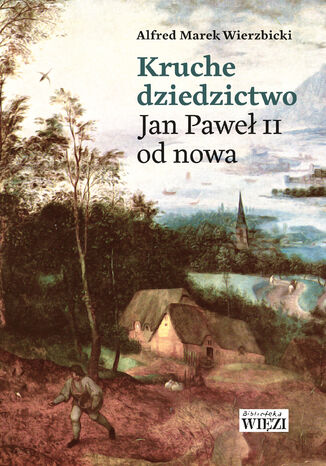
Kruche dziedzictwo. Jan Paweł II od nowa
Ks. Alfred Marek Wierzbicki
Ks. prof. Alfred M. Wierzbicki w swoim zbiorze esejów mierzy się z nauczaniem dwóch papieży - Jana Pawła II oraz Franciszka. Przekonuje, że obecny papież twórczo kontynuuje i rozwija dzieło wielkiego poprzednika. Miłosierdzie, teologia ciała i małżeństwa, otwarcie na dialog z innymi religiami i narodami, dostrzeżenie autonomii sfer: etycznej, społecznej i politycznej, zapobieganie ich klerykalizacji - to kluczowe tematy obu pontyfikatów. Autor sięga do nich, diagnozując również aktualną sytuację Polski i zachodzące w niej przemiany. Nie boi się wskazywać na trapiące dziś nasz kraj problemy: nacjonalizm, ksenofobię, język nienawiści, instrumentalne traktowanie patriotyzmu, ale nie pozostawia czytelnika bez nadziei. Jej źródłem musi być rzetelny i głęboki namysł nad dziedzictwem Soboru Watykańskiego II i ostatnich pontyfikatów. "Ksiądz Wierzbicki od początku uwydatnia kluczowy moment myśli Jana Pawła II: jego uniwersalizm płynący z idei wolnej osoby ludzkiej oraz nauczania Ewangelii. Ten zasadniczy nurt filozoficznego i chrześcijańskiego uniwersalizmu jest nieprzemijającą wartością, którą niesie w sobie humanistyczne przesłanie Jana Pawła II i które zrosło się na zawsze z dziedzictwem Soboru. Papież z Polski - wraz z wielkimi niedocenianymi przedtem europejskimi teologami - wniósł orientację zdecydowanie humanistyczną do nauczania Kościoła. Pozwala ona z jednej strony przerzucić mosty między katolickim chrześcijaństwem a mentalnością oświeceniową (która ulega zresztą dekonstrukcji), z drugiej umieścić w samym sercu etyki chrześcijańskiej osobę Jezusa Chrystusa - a nie abstrakcyjną, legalistyczną doktrynę nakazów i zakazów". (Z przedmowy Karola Tarnowskiego)
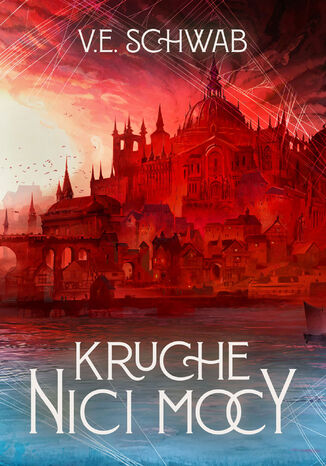
Kruche nici mocy. Nici mocy. Tom 1
V. E. Schwab
Ekskluzywne wydanie z barwionymi brzegami. Pierwszy tom nowego cyklu autorki bestsellerowej trylogii Odcienie magii Kiedyś istniały cztery światy emanujące magiczną mocą i połączone jednym miastem Londynem. Jednak siedem lat temu drzwi między światami zostały zapieczętowane i tylko nieliczni antari najpotężniejsi magowie mogli je otwierać. Czerwonym Londynem rządzi teraz Rhy Maresh, jednak magia jego imperium słabnie, a w mieście wrze od spisków i intryg. Na tronie Białego Londynu zasiada Kosika, młoda antari fanatycznie oddana pamięci Hollanda Vosijka, której religijny zapał może doprowadzić miasto do katastrofy. Tymczasem Tes, dziewczyna obdarzona talentem naprawiania zepsutych mechanizmów, wchodzi w posiadanie urządzenia, które może odmienić los wszystkich czterech światów. Kruche nici mocy to kontynuacja historii bohaterów, znanych z poprzedniego cyklu, w której czekają na nich nowi wrogowie i sprzymierzeńcy, misterne spiski i niebezpieczne przygody.
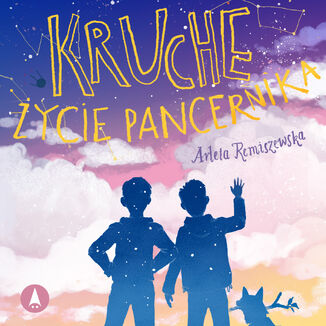
Arleta Remiszewska
Łajka w Kosmosie, korzyści z RPG, deterministyczny chaos i (nie)pancerny pancernik, czyli jak szukać odpowiedzi na Najważniejsze Pytania i... dogadać się z bratem. Kacper jest z natury mądralą i lubi filozofować, w końcu zamierza zostać liderem! Antek, jego brat, wierzy w harmonię i chciałby dać drugie życie Łajce. Mama i tata starają się godzić odmienne punkty widzenia, a babcia... Babcia jest po prostu złośliwa, ale chyba rozumie Kacpra lepiej niż Antek. Choć oczywiście dobrze mieć brata, nawet jeśli ten woli psy od kotów, a braterska miłość oznacza wieczne uszczypliwości. Gdy okazuje się, że Antek musi stawić czoła chorobie, każdy z członków rodziny mierzy się z tym faktem po swojemu. W głowie Kacpra mnoży się jeszcze więcej pytań... Czy można przygotować się na stratę? Czemu samodzielne myślenie jest trudną sztuką? I co po nas zostaje w Kosmosie?

Andrzej Konefał
Co boli bardziej - utrata bliskiej osoby czy utrata złudzeń na temat tego, kim ona była? Życie Mateusza Szafirskiego biegnie spokojnym rytmem: praca, rodzina, dom. Mała stabilizacja - nic, co mogłoby budzić niepokój, ale też euforię. Harmonię kolejnych dni zaburza dramatyczne wydarzenie - ukochana żona bohatera umiera nagle, zostawiając go z dwójką dzieci i... bagażem tajemnic z własnego życia. Nie mógł, czy nie chciał wiedzieć? W tej chwili to bez znaczenia - mroczne historie pociągają za sobą kolejne ofiary. Czy Mateuszowi uda się zatrzymać spiralę zła? Trzymająca w napięciu lektura, w sam raz dla miłośników powieści "Zaginiona dziewczyna" Gillian Flynn oraz filmu Davida Finchera pod tym samym tytułem.