
Wydawca: 16

Mapowanie historyjek użytkownika. Przepis na produkt idealny
Jeff Patton
Mapowanie historyjek użytkownika. Jak zaprojektować produkt idealny Podczas projektowania wielu procesów produkcyjnych, łącznie z budową oprogramowania, za kluczowe kryteria uznaje się szybkość wykonywania zadań, wydajność czy niskie koszty. Tymczasem opracowanie produktu o wyjątkowej wartości rynkowej wymaga nieco innego podejścia. Celem produkcji nie jest przecież produkcja sama w sobie. Aby kiedyś osiągnąć wysokie zyski, planowanie procesów produkcji musi opierać się na wymaganiach użytkowników, bez zatracania się w szczegółach produktu. To jest właśnie myśl przewodnia metody mapowania historyjek użytkownika tworzonych na potrzeby procesów agile. Ta odkrywcza książka, kierowana przede wszystkim do product managerów, analityków biznesowych i osób zajmujących się wrażeniami użytkownika, ma na celu pokazanie, w jaki sposób można w pełni wykorzystać zalety procesów agile i lean poprzez mapowanie historyjek. Technika ta umożliwia nakreślenie obrazu całości, który niekiedy trudno zrekonstruować na podstawie wielkiego zbioru osobnych historii. Modyfikowalne mapy historyjek umożliwiają zespołowi prowadzenie bardziej wnikliwych dyskusji o projekcie w ramach procesu produkcyjnego. W efekcie zespół sprawnie buduje wspólną wizję tego, co chce stworzyć, co przybliża produkt do osiągnięcia sukcesu. W tej książce znajdziesz: ogólne zasady mapowania historyjek, wyjaśnienie sposobu mapowania historyjek, opis wykorzystania mapowania historyjek w projektach agile oraz lean, omówienie cyklu rozwojowego historyjek, począwszy od wskazania okazji do rozwoju i odkrywania możliwości, liczne ćwiczenia i przykłady tworzenia map historyjek i ich modyfikowania, przedstawienie procesu prowadzącego od mapowania historyjek do powstania sprawnego oprogramowania. Mapowanie to prawdziwe źródło inspiracji!

Mapowanie wrażeń. Kreowanie wartości przy pomocy ścieżek klienta, schematów usług i diagramów
Jim Kalbach
Skupienie się organizacji na wewnętrznych procesach biznesowych może pomóc w uzyskaniu płynnej współpracy między poszczególnymi jej działami. Jeśli jednak mimo osiągnięcia takiej płynności klienci wciąż odczuwają frustrację i niezadowolenie z otrzymanego produktu czy usługi, oznacza to, że pojawił się poważny problem. Aby go rozwiązać, trzeba zmodyfikować sposób działania firmy, tak aby możliwe stało się spełnienie oczekiwań jej klientów. Diagramy synchronizacji i mapowanie wrażeń są doskonałą drogą do zdobycia wiedzy, co w tym celu należy zrobić. Niniejsza książka jest wnikliwym i praktycznym podręcznikiem projektowania wrażeń użytkownika. Będzie niezastąpionym poradnikiem dla każdego, kto chce w swojej firmie uzyskać synchronizację świadomości organizacji z faktycznymi doświadczeniami jej klientów. Pokazano tu, jak oceniać swoją pozycję sprzedażową, jak osiągnąć synchronizację zespołów i poziomów organizacji, i wreszcie, jak posłużyć się wizualizacjami jako wspólnymi ramami odniesienia. Przedstawiono diagramy, które stanowią doskonały sposób wizualizowania wrażeń klientów. Dzięki opisanym tu narzędziom zaproponowanie udoskonaleń w działaniu firmy przyjdzie o wiele łatwiej. Najważniejsze zagadnienia omówione w książce: korzyści z mapowania wrażeń dla strategicznego zarządzania firmą koncepcje leżące u podstaw diagramów synchronizacji i mapowania wrażeń etapy iteracyjnego mapowania wrażeń i wykorzystywanie diagramów praktyczne przykłady zastosowania diagramów synchronizacji różne rodzaje diagramów i ich wykorzystanie Mapowanie wrażeń — z tego korzystają skuteczni szefowie i właściciele firm!

James Kalbach
Rozczarowany klient, który doświadczył negatywnych wrażeń podczas korzystania z produktu, następnym razem wybierze inną ofertę. To zrozumiała reakcja. Z punktu widzenia dostawcy produktu istotniejsze są przyczyny tych negatywnych wrażeń. Okazuje się, że problem ten często wymyka się świadomości osób odpowiedzialnych za produkt. Tymczasem uchwycenie wrażeń klientów za pomocą ich zarejestrowanych zachowań może się stać podstawą do zaplanowania i przeprowadzenia konkretnych zmian - takich, które pozwolą przy zachowaniu celów biznesowych spełnić oczekiwania klientów co do oferowanych produktów czy usług. To kolejne, zaktualizowane i uzupełnione wydanie znakomitego przewodnika po mapowaniu wrażeń użytkownika. W praktyczny sposób pokazano tu szereg technik i narzędzi, dzięki którym można łatwo zwizualizować aktualne wrażenia klientów, by na tej bazie zaproponować udoskonalenia produktów. Zaprezentowano podstawy koncepcji mapowania i diagramów synchronizacji. Opisano, w jaki sposób przeprowadzić cały proces mapowania, co ułatwia zidentyfikowanie obecnych wrażeń użytkowników. Sporo miejsca poświęcono szczegółowemu omówieniu wybranych rodzajów diagramów, takich jak schemat usługi, mapa ścieżek klienta, mapa wrażeń czy mapa ekosystemu - relatywnie nowe narzędzie, które pozwala na wizualizację rozległych systemów elementów i łączących je zależności. W książce: analiza bieżących zmian otoczenia biznesowego za pomocą technik mapowania diagramy dla potrzeb interakcji wielokanałowej facylitacja w mapowaniu użycie wyników mapowania do planowania rzeczywistych działań zastosowanie technik mapowania w projektach niekomercyjnych Mapowanie wrażeń. Czego zatem oczekują od Ciebie Twoi klienci?

E.F. Benson
The fourth installment of the popular series-a hilarious study of 1930s manner and pecking order-begins when Lucia Lucas rents a summer place-the home of Elizabeth Mapp-in the English village of Tilling. So begins a battle of one-upmanship, peppered with queenly airs, ghastly tea parties, and unnerving bridge evenings as the two combatants attempt to out-do each other to win social supremacy. The pompous Lucia and malignant Mapp are characters you will love to hate, wonderfully penned by E.F. Benson.
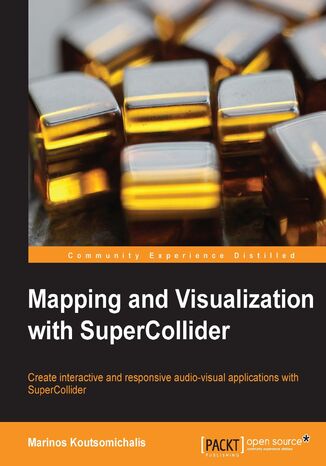
Marinos Koutsomichalis
SuperCollider is an environment and programming language used by musicians, scientists, and artists who work with audio-files SuperCollider has built-in graphical features which are used in conjunction with the sound synthesis server to create audio-visual mapping and sound visualization. If you wish to create data visualizations by acquiring data from audio and visual sources, then this book is for you.Digital sound artists need to analyze, manipulate, map, and visualize data when working on a scientific or an artistic project. As an artist, this book, by means of its numerous code examples will provide you with the necessary knowledge of SuperCollider's practical applications, so that you can extract meaningful information from audio-files and master its visualization techniques. This book will help you to prototype and implement sophisticated visualizers, sonifiers, and complex mappings of your data.This book takes a closer look at SuperCollider features such as plotting and metering functionality to dispel the mysterious aura surrounding the more advanced mappings and animation strategies. This book also takes you through a number of examples that help you to create intelligent mapping and visualization systems. Throughout the course of the book, you will synthesize and optimize waveforms and spectra for scoping as well as extract information from an audio signal. The later sections of the book focus on advanced topics such as emulating physical forces, designing kinematic structures, and using neural networks to enable you to develop a visualization that has a natural motion with structures that respect anatomy and which come with an intelligent encoding mechanism. This book will teach you everything you need to work with intelligent audio-visual systems to extract and visualize audio-visual data.
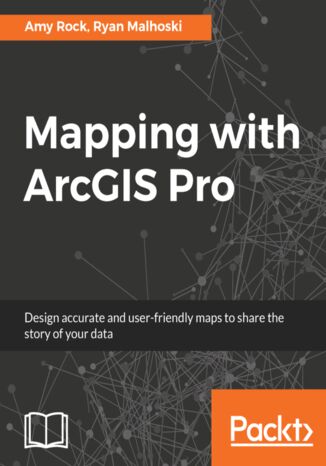
Mapping with ArcGIS Pro. Design accurate and user-friendly maps to share the story of your data
Amy Rock, Ryan Malhoski
ArcGIS Pro is a geographic information system for working with maps and geographic information. This book will help you create visually stunning maps that increase thelegibility of the stories being mapped and introduce visual and design concepts intoa traditionally scientific, data-driven process. The book begins by outlining the stepsof gathering data from authoritative sources and lays out the workflow of creating a great map. Once the plan is in place you will learn how to organize the Contents Pane in ArcGIS Pro and identify the steps involved in streamlining the production process. Then you will learn Cartographic Design techniques using ArcGIS Pro's feature set to organize thepage structure and create a custom set of color swatches. You will be then exposedto the techniques required to ensure your data is clear and legible no matter the sizeor scale of your map. The later chapters will help you understand the various projectionsystems, trade-offs between them, and the proper applications of them to make sureyour maps are accurate and visually appealing. Finally, you will be introducedto the ArcGIS Online ecosystem and how ArcGIS Pro can utilize it within theapplication. You will learn Smart Mapping, a new feature of ArcGIS Online that willhelp you to make maps that are visually stunning and useful.By the end of this book, you will feel more confident in making appropriate cartographic decisions.

Mapy drogowe produktu - nowe podejście. Wyznaczanie kierunków rozwoju w czasach niepewności
C. Todd Lombardo, Bruce McCarthy, Evan Ryan,...
Mapa drogowa produktu w konwencjonalnym ujęciu bywa obwiniana za wyznaczanie nierealnych celów, przeoczanie okazji czy rozwijanie przestarzałych funkcji. A przecież - jeśli jest dobra - łatwo staje się cennym narzędziem: stanowi jeden z najbardziej wpływowych dokumentów, jakie organizacja może opracować, wydać i stale aktualizować. Ten jeden dokument może nadać właściwy kierunek procesom realizacji strategii firmowej. Może być kluczem do harmonizowania wizji interesariuszy. Trzeba tylko popatrzeć na mapę drogową produktu z punktu widzenia wciąż zmieniającego się świata i traktować ją jako ciągle aktualizowaną pomoc komunikacyjną, którą ma się kierować zespół. Oto przystępny przewodnik prezentujący odświeżoną koncepcję map drogowych, które mają być nie tylko dokumentem strategicznym, ale także narzędziem przywództwa. Tworzenie map drogowych pokazano tu jako proces składający się z różnych działań, dzięki którym można określić sposób dostarczania klientowi jak największej wartości. Wymieniono kluczowe zasady budowy skutecznej mapy drogowej produktu, a następnie w kolejnych rozdziałach opisano sposoby realizacji poszczególnych działań. Znalazły się tu również liczne wskazówki i przykłady. Książka została napisana w taki sposób, aby uwzględnić szerokie spektrum potrzeb, branż i produktów, ma także ułatwić dostosowanie map drogowych do potrzeb i stopnia gotowości organizacji. Książka wyjaśnia, jak: inspirująco sformułować cele produktu racjonalnie wyznaczać priorytety i zapewnić sobie przychylność interesariuszy zapracować sobie na lojalność zespołu i zachęcić go do efektywnej pracy wykrywać okazje biznesowe i zawsze zachowywać przewagę stworzyć kompletną mapę drogową bez składania nierealnych obietnic Autorzy od lat zajmują się rozwojem produktu i różnymi podejściami do tego zagadnienia. Czas na mapę drogową, dzięki której produkt przetrwa starcie z rzeczywistością!

Mapy myśli w biznesie. Jak twórczo i efektywnie osiągać cele przy pomocy mind mappingu
Katarzyna Żbikowska
Zostań malarzem swojej kariery Skuteczne zarządzanie i organizacja Twórcze planowanie i rozwiązywanie problemów Porywające prezentacje Projekty zakończone sukcesem Jeden obraz - tysiąc słów! Twój umysł pracuje najwydajniej, kiedy pozwalasz mu działać w możliwie najbardziej naturalny sposób. Dowiedz się, jak naprawdę funkcjonuje, a stanie się Twoim najlepszym partnerem w interesach i nieocenionym wsparciem w realizacji dążeń. Mind mapping (mapy myśli) to dynamiczne narzędzie biznesowe, służące do zarządzania czasem, pamięcią, projektami, a także porządkujące informacje dzięki zastosowaniu naturalnego dla mózgu sposobu ich zapisu. Jest niezwykle skuteczne w kreowaniu pomysłów, nowych koncepcji i rozwiązań. Uwalnia umysł i pobudza wyobraźnię. Mapy myśli wyznaczają środowisko sprzyjające twórczemu myśleniu i dają nieskończone możliwości pobudzania kreatywności. To niezwykle cenne wartości w dzisiejszym pędzącym świecie. Szybkie dostrzeganie tego, co najważniejsze, wydobywanie istotnych wskazówek z szumu informacyjnego oraz szerokie spojrzenie na problem bez tracenia z oczu szczegółów to z całą pewnością najbardziej przydatne umiejętności w dzisiejszym biznesie. Jeśli chcesz zwiększyć dynamikę pracy w swojej firmie lub zespole i pobudzić ludzi wokół siebie do większej aktywności, nie mamy dla Ciebie skuteczniejszej podpowiedzi. Wykorzystaj technikę mapowania myśli już na etapie planowania pomysłów, a rezultaty przerosną Twoje oczekiwania. Przekonaj się jak to działa: Techniki wykorzystywane w mapach myśli Brief marketingowy Anna kreatywna Rozmowa kwalifikacyjna Perfekcyjna prezentacja Weź czystą kartkę papieru i zacznij realizować swoje cele Dowiedz się, jak stworzyć przejrzysty plan. Poznaj techniki kreatywnego rozwiązywania problemów. Używaj mind mappingu w negocjacjach, prezentacjach i na spotkaniach. Stwórz mapę myśli Twojego projektu. Katarzyna Żbikowska - certyfikowana kierowniczka projektów i menedżerka w jednym z krajowych telekomów, pasjonatka zarządzania projektami i inspiratorka. Od wielu lat wielbicielka i propagatorka mind mappingu, dla wielu ekspertka w tej dziedzinie. Na swoim koncie ma mnóstwo własnych projektów, artykułów, odbytych szkoleń i kursów związanych z psychologią społeczną, zarządzaniem projektami, mind mappingiem. Prowadzi stworzoną przez siebie stronę https://mapymysli.com, na której porusza tematy związane z myśleniem wizualnym i komunikacją w biznesie.