
Wydawca: 16
Agnieszka Wolny-Hamkało
Agnieszka Wolny-Hamkało Nikon i Leica mrugnij I on mi pisze, że mam negatywny wpływ na hist lit pol, bo nie mógł się skupić (to komplement). Nigdy się nie dowie, że w takich chwilach przypominam sobie jego niedobry wiersz (to mi dodaje odwagi). Rzeczywiście, mam od rana ochotę przetłumaczyć jego wiersze na inupiaq lub slogan Bronxu, albo chociaż klingoński (wiecie jak jest chcę cię w tej nieziemskiej mowie startreckiej?) lub przeżyć z nim religijny trans na Jawie (to... Agnieszka Wolny-Hamkało ur. 1979 Najważniejsze dzieła: Mocno poszukiwana (1999), Lonty (2001), Spamy miłosne (2007), Nikon i Leica (2010), Zaćmienie (2013), 41 utonięć (2015) Poetka, krytyczka literacka i publicystka. Współpracowała m.in. z Gazetą Wyborczą, Przekrojem, Przeglądem, Bluszczem i portalem Polskiego Radia. Nominowana do Nagrody Literackiej Gdynia, nagrody kulturalnej Gazety Wyborczej wARTo, nagrody mediów publicznych Cogito za tom Spamy miłosne. Laureatka konkursu im. Stowarzyszenia Pisarzy Polskich za tom Lonty. Autorka powieści 41 utonięć oraz Zaćmienie. Krytyczna Anna Kałuża porównywała jej wczesne wiersze do twórczości Marty Podgórnik, w późniejszych dostrzegała zaś tendencję do porządkowania świata i przekazu. Kupując książkę wspierasz fundację Nowoczesna Polska, która propaguje ideę wolnej kultury. Wolne Lektury to biblioteka internetowa, rozwijana pod patronatem Ministerstwa Edukacji Narodowej. W jej zbiorach znajduje się kilka tysięcy utworów, w tym wiele lektur szkolnych zalecanych do użytku przez MEN, które trafiły już do domeny publicznej. Wszystkie dzieła są odpowiednio opracowane - opatrzone przypisami oraz motywami.
Mruk, opowiadania o kotkach, kotach i kociskach
Renata Piątkowska
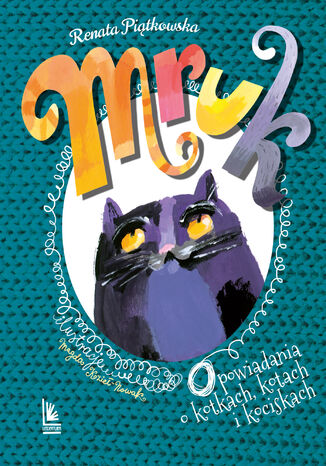
Kota nie oszukasz jak poczuje dobrego człowieka, to przyjdzie. Będzie przyjazny, cierpliwy, aż ukoi płacz dziecka. Kot wie, że trzeba zawiadomić domowników o ulatniającym się gazie. Uratuje siebie i swoje dzieci z tonącego statku w sposób, na który człowiek by nie wpadł. To nie bajki to prawdziwe historie, opisane przez Renatę Piątkowską. Zaskakujące, tajemnicze, jak koty po prostu.
Steffen Jacobsen
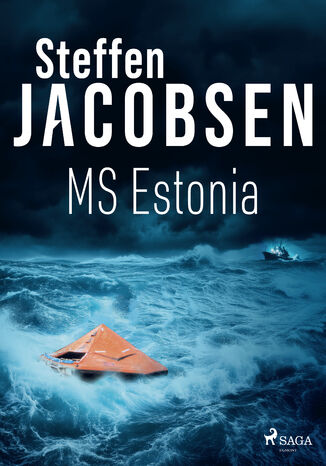
Katastrofa estońskiego liniowca, rosyjski spisek i tajemnica, która może kosztować ludzkie życie. Oparta na prawdziwych wydarzeniach. Godzina 00:22 czasu lokalnego, noc z 28 na 29 września 1994 r. Statek pasażerski MS Estonia, płynący z Tallina do Sztokholmu, zgłasza szybko rosnący i niewyjaśniony przechył na prawą burtę. To ostatnia wiadomość przed jego tragicznym i zagadkowym zatonięciem. 28 lat później niewyjaśnioną przyczyną wypadku postanawia zająć się rosyjski pułkownik wraz z byłym dowódcą Special Air Service - Michaelem Sanderem. Nie jest to jednak na rękę potężnym rosyjskim organizacjom, które za wszelką cenę chcą utrzymać tajemnicę Estonii na dnie morza. Czy mężczyznom uda się odkryć strzeżony przez Rosjan powód zatonięcia estońskiego promu? Pozycja bestsellerowego autora noir crime. Szósty tom serii Michael Sander & Lene Jensen, który może być czytany jako samodzielna powieść. Steffen Jacobsen (ur. 1956) - przełom w karierze autora nastąpił w 2013 roku po ukazaniu się Trofeum, pierwszej części serii skandynawskich kryminałów z detektywami: Michaelem Sanderem i Lene Jensen. Jego powieści doczekały się adaptacji filmowych, cieszą się popularnością w Europie, Stanach Zjednoczonych i Azji. Recenzenci porównują go z Johnem le Carré, Frederichem Forsythem i Janem Guillou.
Steffen Jacobsen
Katastrofa estońskiego liniowca, rosyjski spisek i tajemnica, która może kosztować ludzkie życie. Oparta na prawdziwych wydarzeniach. Godzina 00:22 czasu lokalnego, noc z 28 na 29 września 1994 r. Statek pasażerski MS Estonia, płynący z Tallina do Sztokholmu, zgłasza szybko rosnący i niewyjaśniony przechył na prawą burtę. To ostatnia wiadomość przed jego tragicznym i zagadkowym zatonięciem. 28 lat później niewyjaśnioną przyczyną wypadku postanawia zająć się rosyjski pułkownik wraz z byłym dowódcą Special Air Service - Michaelem Sanderem. Nie jest to jednak na rękę potężnym rosyjskim organizacjom, które za wszelką cenę chcą utrzymać tajemnicę Estonii na dnie morza. Czy mężczyznom uda się odkryć strzeżony przez Rosjan powód zatonięcia estońskiego promu? Pozycja bestsellerowego autora noir crime. Szósty tom serii Michael Sander & Lene Jensen, który może być czytany jako samodzielna powieść. Steffen Jacobsen (ur. 1956) - przełom w karierze autora nastąpił w 2013 roku po ukazaniu się Trofeum, pierwszej części serii skandynawskich kryminałów z detektywami: Michaelem Sanderem i Lene Jensen. Jego powieści doczekały się adaptacji filmowych, cieszą się popularnością w Europie, Stanach Zjednoczonych i Azji. Recenzenci porównują go z Johnem le Carré, Frederichem Forsythem i Janem Guillou.
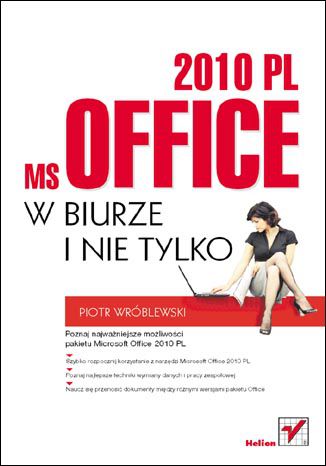
MS Office 2010 PL w biurze i nie tylko
Piotr Wróblewski
Poznaj najważniejsze możliwości pakietu Microsoft Office 2010 PL Szybko rozpocznij korzystanie z narzędzi Microsoft Office 2010 PL Poznaj najlepsze techniki wymiany danych i pracy zespołowej Naucz się przenosić dokumenty między różnymi wersjami pakietu Office Po trzech latach od premiery rewolucyjnej wersji Office 2007 firma Microsoft udostępniła kolejną ulepszoną edycję pakietu, czyli Microsoft Office 2010. Zachowano w niej koncepcję wstążki, wprowadzoną w poprzedniej odsłonie, oferując jednocześnie wiele usprawnień przyspieszających wykonywanie standardowych zadań, takich jak formatowanie tekstu w edytorze Word czy tworzenie zaawansowanych wykresów w arkuszach Excela. Użytkownicy biurowi z pewnością docenią też liczne funkcje umożliwiające pracę zespołową, które pozwalają kilku osobom bezpiecznie i wydajnie modyfikować ten sam dokument. Członkowie zespołów projektowych, studenci i uczniowie zachwycą się możliwościami programu OneNote, który wspomaga tworzenie czytelnych notatek. Podręcznik "MS Office 2010 PL w biurze i nie tylko" stanowi wszechstronne wprowadzenie w świat najważniejszych programów wchodzących w skład najpopularniejszego pakietu biurowego. Dzięki tej książce szybko nauczysz się pisać dokumenty w edytorze Word oraz przeprowadzać obliczenia i tworzyć wykresy w arkuszach Excela. Przygotujesz efektowne prezentacje w programie PowerPoint oraz dowiesz się, jak skutecznie zarządzać notatkami przy użyciu aplikacji OneNote. Poznasz nowe możliwości Twojego programu pocztowego i odkryjesz tajniki efektywnego zarządzania swoim terminarzem za pomocą programu Outlook. Opisom funkcji każdego z narzędzi towarzyszą liczne ćwiczenia praktyczne, które pozwolą Ci natychmiast wypróbować i utrwalić zdobytą wiedzę. Instalowanie pakietu Microsoft Office Edytowanie i formatowanie tekstu w Wordzie Umieszczanie w dokumentach tabel, grafik, spisów treści i innych elementów Korzystanie z edytora równań matematycznych Używanie narzędzia do korespondencji seryjnej Możliwości pracy zespołowej w programach pakietu Microsoft Office Przetwarzanie i analizowanie danych za pomocą arkuszy kalkulacyjnych programu Excel Tworzenie wykresów i przeprowadzanie symulacji w Excelu Opracowywanie prezentacji multimedialnych w programie PowerPoint Korzystanie z możliwości elektronicznego notatnika OneNote Używanie makr i aplikacji Visual Basic for Applications w Excelu Zabezpieczanie zawartości dokumentów pakietu Microsoft Office Praktyczne zastosowania programów Office’a Korzystanie z poczty elektronicznej w programie Outlook Zarządzanie zadaniami i używanie kalendarzy Outlooka Już dziś rozpocznij samodzielną pracę z najnowszym pakietem biurowym firmy Microsoft!
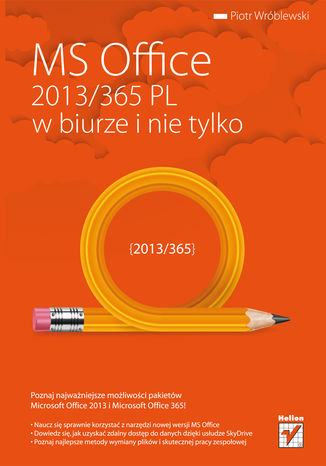
MS Office 2013/365 PL w biurze i nie tylko
Piotr Wróblewski
Poznaj najważniejsze możliwości pakietów Microsoft Office 2013 i Microsoft Office 365! Naucz się sprawnie korzystać z narzędzi nowej wersji MS Office Stwórz błyskawicznie materiały reklamowe używając programu Publisher Dowiedz się, jak uzyskać zdalny dostęp do danych dzięki usłudze SkyDrive Poznaj najlepsze metody wymiany plików i skutecznej pracy zespołowej Microsoft Office 2013 to kolejna wersja najpopularniejszego na świecie pakietu aplikacji biurowych. Jej twórcy wykorzystali najlepsze rozwiązania znane z edycji 2010 i kreatywnie je rozwinęli, aby zapewnić użytkownikom wysoki komfort i większą wydajność pracy przy zachowaniu dużej elastyczności dostępnych narzędzi. Nowe wydanie MS Office oferuje bowiem wiele usprawnień ułatwiających wykonywanie typowych, często powtarzanych operacji, a także liczne funkcje zapewniające efektywną pracę zespołową oraz narzędzia umożliwiające edytowanie nowych formatów plików (PDF!) i korzystanie z danych przechowywanych w chmurze. Nie inaczej jest z rozwiązaniem Office 365, abonamentową, dostępną przez sieć wersją pakietu, której możliwości z pewnością zadowolą użytkowników ceniących zdalny dostęp do aplikacji. MS Office 2013/365 PL w biurze i nie tylko to podręcznik dla osób pragnących szybko i sprawnie poznać możliwości najważniejszych programów wchodzących w skład nowej edycji pakietu. Z tej książki dowiesz się, jak za pomocą edytora Word tworzyć atrakcyjne dokumenty tekstowe oraz jak przetwarzać dane liczbowe i przedstawiać je na wykresach arkusza kalkulacyjnego Excel. Poznasz również sposoby przygotowywania efektownych prezentacji multimedialnych w programie PowerPoint oraz skutecznego zarządzania notatkami przy użyciu aplikacji OneNote. Uzupełnieniem jest rozdział o możliwościach programu Outlook będącego połączeniem wygodnego narzędzia do zarządzania pocztą e-mail i elektronicznego terminarza. Opisom poszczególnych funkcji towarzyszą liczne ćwiczenia praktyczne, dzięki którym będziesz mógł natychmiast wypróbować i utrwalić zdobytą wiedzę. Instalowanie pakietu Microsoft Office w systemach Windows i Mac OS Zakup i używanie wersji abonamentowej (Office 365) Edytowanie i formatowanie tekstu w Wordzie Umieszczanie w dokumentach tabel, grafik, spisów treści i innych elementów Edytor równań matematycznych i korespondencja seryjna Praca zespołowa z użyciem pakietu Microsoft Office Przetwarzanie i analizowanie danych za pomocą programu Excel Tworzenie wykresów i przeprowadzanie symulacji w Excelu Opracowywanie prezentacji multimedialnych w programie PowerPoint Korzystanie z możliwości elektronicznego notatnika OneNote Używanie makr i aplikacji Visual Basic for Applications w Excelu Zabezpieczanie zawartości dokumentów pakietu Microsoft Office Korzystanie z poczty elektronicznej w programie Outlook Zarządzanie zadaniami i używanie kalendarzy Outlooka Rozpocznij samodzielną pracę z najnowszym pakietem biurowym firmy Microsoft!
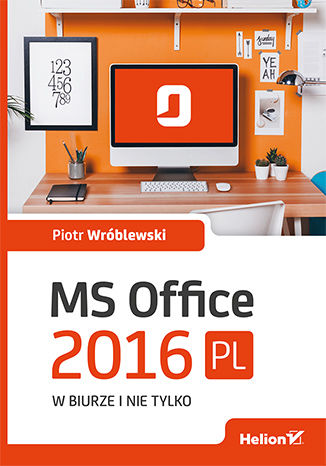
MS Office 2016 PL w biurze i nie tylko
Piotr Wróblewski
Microsoft Office to najbardziej znana na świecie rodzina programów przeznaczonych do prac biurowych. Pozwalają tworzyć i edytować dokumenty tekstowe, wykonywać obliczenia, przygotowywać prezentacje i przekazywać je za pośrednictwem poczty e-mail. Wiemy, znamy i od lat stosujemy. Lecz dziś, gdy świat się kurczy, masowo korzystając z sieci jako kolejnego, najważniejszego może narzędzia pracy, zwykłe oprogramowanie biurowe to za mało. Potrzeba czegoś więcej. Czegoś, co pozwoli uwspólniać dane w chmurze i dotrzeć do nich z różnych urządzeń. Nie tylko z komputera – także za pośrednictwem tabletu, czy smartfona. Czegoś, co zapewni równoległą pracę wielu użytkowników na jednym dokumencie. Czegoś, co da możliwość łatwego kreowania podstawowych baz danych, także osobom bez wykształcenia informatycznego. Programów, które możesz używać bez instalacji pakietu Office, w doskonałych wersjach online (przeglądarkowych), zintegrowanych z chmurą OneDrive. Wszystkie te wyzwania i znacznie więcej podejmuje MS Office 2016, oraz jego abonamentowa wersja – Office 365. Dostępne są one zarówno dla komputerów z systemem Windows, jak i sprzętu firmy Apple z OS X, co więcej, działają także świetnie na urządzeniach mobilnych. Niniejsza książka stanowi kompletny przewodnik po pakiecie programów najnowszego MS Office. Skonstruowana została w sposób umożliwiający korzystanie z niej zarówno osobie, która pracować będzie jedynie z podstawowymi funkcjami MS Office, jak i zaawansowanym użytkownikom, decydującym się na tworzenie prezentacji, baz danych lub notesów multimedialnych. Autor omawia temat krok po kroku – poczynając od zagadnień związanych z wyborem i instalacją pakietu, przez najnowsze wersje Worda, Excela i PowerPointa, wciąż niedoceniany świetny program do notatek – OneNote, aż po znakomity program pocztowy z funkcją organizatora, Outlook i Access pozwalający na tworzenie zaawansowanych baz danych dosłownie w kwadrans. UWAGA – opisom funkcji każdego z narzędzi towarzyszą liczne ćwiczenia praktyczne, które pozwalają natychmiast wypróbować i utrwalić zdobytą wiedzę.

Antanas Kriščiukaitis-Aišb
Antanas Kriščiukaitis-Aišb Kas teisyb tai ne melas Ms Ponai Tamošiui Spurgai, Tberi valsčiaus šaltyšiui, baisiai sipyko šaltyšiauti. Bet kaipgi ir nesipyks: daug žmogus visko turjo nukentti: ne syk bobos išpludo, ne syk ir nuo vaito gavo rkti vargulis du sykius net ir mušt gavo; o jis, Dieve, žmogus buvo ir bailus; ltas syk, žinotumte, iš baimes net apmir. O štai kaip buvo. Kaimas sudjo pas Lukoš čyžes. Lukošiui tuokart pinig labai reikjo: mat, Šmuila, Tberi žydas, ... Antanas Kriščiukaitis-Aišb Ur. 24 lipca 1864 r. w Pojeziorach (lit. Paežeriai), pow. wyłkowyski Zm. 30 października 1933 r. w Kownie Najważniejsze dzieła: zbiór opowiadań Kas teisyb tai ne melas, Iš atliekamo literato užraš, artykuły w pismach periodycznych Lietuviškasis balsas, Vienyb Lietuvnink, Varpas, obrazki satyryczne, felietony, tłumaczenia. Litewski pisarz, badacz prawny, profesor, pierwszy przewodniczący Głównego Trybunału Litewskiego. Pisarz pochodził z rodziny chłopskiej. Ojciec 13-letniego wówczas jeszcze Antanasa sprzedał domostwo w Pojeziorach i nabył lepsze gospodarstwo we wsi Bgnai, skąd też pochodzi pseudonim pisarza Aišb (Ananas z Bgnów - Antanas iš Bgn). Naukę pobierał początkowo w szkole podstawowej w Pojeziorach, a od 1876 r. w gimnazjum w Mariampolu. Po ukończeniu gimnazjum wstąpił na Wydział Matematyczny Uniwersytetu Petersburskiego. Wkrótce jednak zrezygnował ze studiów matematycznych, powrócił na ojczyznę i po roku przeszedł na Uniwersytet Moskiewski, gdzie w 1890 r. ukończył studia prawnicze. Odbył służbę w wojsku Imperium Rosyjskiego, pełnił obowiązki kuratora sądowego w Moskwie i Mintauji (obecnie Jełgawa), sędziego śledczego w Nowogródku. Po powrocie na Litwę (1918 r.) został wybrany na przewodniczącego Głównego Trybunału i odtąd przez całe życie tworzył podstawy prawne państwa. Organizował Ministerstwo Sprawiedliwości, Litewski Sąd Najwyższy. Od 1923 r. profesor na Wydziale Prawa Uniwersytetu Wileńskiego, wykładowca prawa karnego. Opracował projekt Ustawy procesu karnego i program kursu prawa karnego dla studentów. Aktywnie się udzielał w życiu akademickim i społecznym. Kupując książkę wspierasz fundację Nowoczesna Polska, która propaguje ideę wolnej kultury. Wolne Lektury to biblioteka internetowa, rozwijana pod patronatem Ministerstwa Edukacji Narodowej. W jej zbiorach znajduje się kilka tysięcy utworów, w tym wiele lektur szkolnych zalecanych do użytku przez MEN, które trafiły już do domeny publicznej. Wszystkie dzieła są odpowiednio opracowane - opatrzone przypisami oraz motywami.