
Wydawca: 24

Adam Szustak OP
Nazwałem tę książkę >Górą obietnic<, ponieważ w tym wyrażeniu kryje się dla mnie bardzo istotna perspektywa odczytania Dziesięciu przykazań. Zwykliśmy przykazania traktować jako zbiór nakazów i zakazów, pouczeń i wskazówek, które mają kształtować życie człowieka wierzącego. Jest to swoistego rodzaju kwintesencja moralności. I nie mam wątpliwości, że tak rzeczywiście jest. Ale jednocześnie wydaje mi się to czymś bardzo zawężającym perspektywę i de facto czymś, co obdziera przykazania z ich niezwykłej zawartości i piękna. (fragment Wprowadzenia)

Anna Dziewit-Meller
Bestsellerowa powieść Anny Dziewit-Meller w nowym wydaniu! Czasy współczesne. Po narodzinach córki Sebastian nieustannie odczuwa irracjonalny lęk przed stratą dziecka. Strach potęguje informacja o mrocznej historii szpitala, w którym prowadzi aptekę. II wojna światowa. Mały Rysiu trafia do miejsca, do którego nikt nie chciałby trafić. Jemu jednemu jest dane przeżyć. Profesor Luben w przeszłości prowadziła eksperymenty medyczne na bezbronnych ofiarach. Sąd nigdy jej nie skazał, sprawiedliwości nie stało się zadość. Teraz kobieta rozkoszuje się dźwiękami muzyki operowej, którą uwielbia. Jej serce wciąż skuwa lód. Losy bohaterów kobiet, mężczyzn, dzieci i osób z niepełnosprawnościami splatają się w poruszającą powieść o cierpieniu, lęku i demonach przeszłości. Góra Tajget to wciągająca, wielopoziomowa historia wojennej zawieruchy oraz związanych z nią dramatów. Wyrazista, w wielu miejscach mocna, a jednocześnie opowiedziana z empatią. Ile bólu może znieść człowiek? Co czuje, gdy umiera? Ulgę? Złość? Strach?

Anna Dziewit-Meller
Bestsellerowa powieść Anny Dziewit-Meller w nowym wydaniu! Czasy współczesne. Po narodzinach córki Sebastian nieustannie odczuwa irracjonalny lęk przed stratą dziecka. Strach potęguje informacja o mrocznej historii szpitala, w którym prowadzi aptekę. II wojna światowa. Mały Rysiu trafia do miejsca, do którego nikt nie chciałby trafić. Jemu jednemu jest dane przeżyć. Profesor Luben w przeszłości prowadziła eksperymenty medyczne na bezbronnych ofiarach. Sąd nigdy jej nie skazał, sprawiedliwości nie stało się zadość. Teraz kobieta rozkoszuje się dźwiękami muzyki operowej, którą uwielbia. Jej serce wciąż skuwa lód. Losy bohaterów kobiet, mężczyzn, dzieci i osób z niepełnosprawnościami splatają się w poruszającą powieść o cierpieniu, lęku i demonach przeszłości. Góra Tajget to wciągająca, wielopoziomowa historia wojennej zawieruchy oraz związanych z nią dramatów. Wyrazista, w wielu miejscach mocna, a jednocześnie opowiedziana z empatią. Ile bólu może znieść człowiek? Co czuje, gdy umiera? Ulgę? Złość? Strach? AUDIOBOOK CZYTA MAGDA KAREL

Góralki, taterniczki, turystki. Kobiety w literaturze o Tatrach do 1939 roku
Anna Pigoń
Monografia Góralki, taterniczki, turystki. Kobiety w literaturze o Tatrach do 1939 roku stanowi swoistą herstory (terminem tym określa się narracje, które w historycznej refleksji szczególnie uwzględniają kobiety), w której autorka dokonuje próby usytuowania bohaterek i autorek w historii literatury o Tatrach - z punktu widzenia zarówno męskiego wzorca, jak i samodzielnej roli kulturotwórczej, jaką odgrywają. Punktem wyjścia analizy zgromadzonego w monografii materiału, obejmującego okres do 1939 roku, stało się wyodrębnienie najbardziej wyrazistych i charakterystycznych typów kobiet w zależności od odgrywanych przez nie ról społecznych oraz ich rozległych i zróżnicowanych związków z przestrzenią Tatr i Zakopanego. W pracy wskazano następujące typy: góralki, rezydentki oraz gościnie (taterniczki i turystki wysokogórskie, narciarki, kuracjuszki, wczasowiczki). Selekcję zgromadzonego materiału źródłowego - obejmującego utwory etnograficzne, wspomnieniowe i publicystyczne, a także reprezentującą różne obiegi literackie i zróżnicowaną gatunkowo twórczość beletrystyczną - przeprowadzono w odniesieniu do tych reprezentatywnych typów oraz w nawiązaniu do charakterystycznych relacji z przestrzenią wysokogórską i podhalańską, w jakie wchodzą bohaterki. Analiza materiału prowadzi do charakterystyki wyodrębnionych grup, zawierającej ich ewolucję oraz opis funkcji i znaczenia kobiet: po pierwsze, w literaturze o Tatrach - z perspektywy zarówno jej rozwoju, jak i obrazu świata przedstawionego, po drugie, w życiu społecznym, popularyzacji aktywności w przestrzeni oraz budowaniu wizerunku regionu i kształtowaniu się lokalnych mitów.
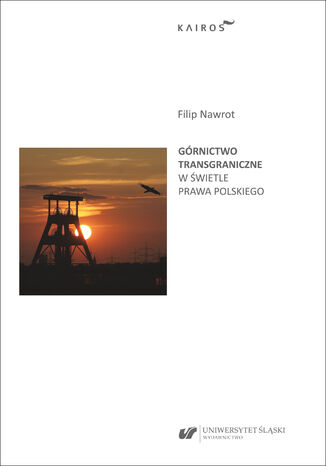
Górnictwo transgraniczne w świetle prawa polskiego
Filip Nawrot
Ilość dostępnych złóż kopalin jest ograniczona i obecnie następuje ich powolne wyczerpywanie. Konieczne jest zatem poszukiwanie nowych złóż. Jednym z pojawiających się w związku z tym problemów jest sytuacja, gdy złoże zlokalizowane jest na obszarze dwóch lub więcej państw. Powoduje to szereg wątpliwości dotyczących prawnych podstaw wykonywania takiej działalności. W monografii postawiono za cel zweryfikowanie następującej hipotezy badawczej: brak jest wystarczająco precyzyjnie sformułowanych definicji pojęć związanych z górnictwem transgranicznym i zasobami naturalnymi dzielonymi, a przepisy ich dotyczące są niedostatecznie skonkretyzowane, a bardzo często w ogóle ich nie ma. Obecnie obowiązujące przepisy nie są spójne i uniemożliwiają podjęcie działalności w zakresie poszukiwania i wydobywania kopalin w Polsce w aspekcie transgranicznym.

Tadeusz Biedzki
Ta książka zaskakuje i zdumiewa. Nie z tego powodu, że autor kojarzony jest z dramatycznymi opowieściami z krańców świata i historyczną sensacją, ale dlatego, że równie wstrząsające wydarzenia odnalazł niedaleko własnego domu. Kilkaset metrów pod ziemią spotkał górników o frapujących życiorysach, którzy uczestniczyli w wydarzeniach niesamowitych. Jest w tych reportażach i tragedia umierających pod ziemią, i górnicza wioska na Podlasiu, straceńcza walka na bagnety, spóźniona sprawiedliwość i wygrany, choć przegrany bój o kawałek szczęścia, stary zegarek ojca i pomnik, którego nie było a jest. Najważniejsze zaś, że w tych zwykłych, choć nieprzeciętnych ludziach autor zobaczył przejmującą troskę o los drugiego człowieka. Te reportaże zachwycą czytelnika. Autor: Teraz, kiedy górnictwo umiera, sięgnąłem w przeszłość, by pokazać górników sprzed kilkudziesięciu lat. Sportretowałem ich w tej książce, bo mieli fascynująco ciekawe życiorysy, nie boję się powiedzieć, że egzotyczne, które nie powinny zniknąć w mroku historii. Uznałem, że powinnością śląskiego reportera i pisarza jest ocalenie ich od zapomnienia.
"Górnośląskie Studia Socjologiczne. Seria Nowa" 2018, T. 9, z. 1
red. Adam Bartoszek, red. Sławomira Kamińska-Berezowska
Publikacja stanowi przejaw potrzeby ciągłej refleksji nad znaczeniem socjologii w zmieniającym się społeczeństwie oraz nad społeczną rolą socjologów. W prezentowanym tomie zestawione zostały cztery kategorie problemów ważnych dla sposobów rozumienia misji społecznej socjologów, rozpoznających sens swojego funkcjonowania na rynku pracy i nauki. Są to: kwestie etyczne kształcenia socjologów i rozwoju socjologii, problemy rozwoju zawodowego i kariery socjologów, zadania i wyzwania stawiane socjologom w ramach współczesnego rynku pracy, kwestie kapitału kulturowego socjologów i ich tożsamości. Zamieszczone w tomie teksty adresowane są do Czytelników wrażliwych na znaczenie dobrze uprawianej socjologii oraz do socjologów przygotowanych do budowania świadomości obywatelskiej i kształtowania wysokiej kultury zawodowej we wszystkich środowiskach pracowniczych, które wesprzeć może dyscyplina naukowa, jaką jest socjologia.
Robert Pyka
Miasta tworzą dominujące środowisko życia człowieka i stanowią miejsca dynamicznego rozwoju, innowacyjności, kreatywności, w których poszukuje się rozwiązań kluczowych problemów współczesnego świata. Poza tym są podstawowym źródłem wielu wyzwań dotyczących kwestii bezpieczeństwa czy zmian klimatu, gdyż zużywają większą część światowej energii i w związku z tym mają znaczący udział w emisji gazów cieplarnianych. Miejskość zmienia swój wymiar społeczny, ponieważ jest sprzężona z procesami globalizacji, a zatem z mobilnością, intensywnością wszelkiego rodzaju przepływów i współzależności między obszarami miejskimi, których powiązania sieciowe oplatają naszą planetę. Metropolie i obszary metropolitalne stanowią węzły tej sieci, wytwarzając nowego rodzaju relacje z otoczeniem zarówno najbliższym, wskutek zacierania granic między miastem i światem wiejskim, jak i z otoczeniem odległym, w wyniku włączania się w przestrzeń globalnych przepływów. (fragment Wstępu)