
Publisher: 24
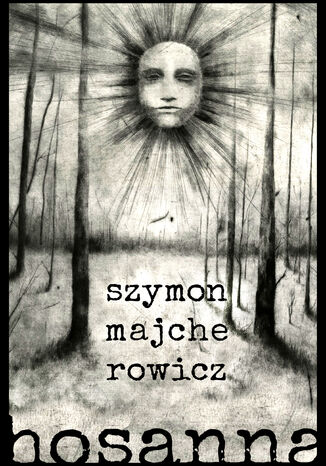
Szymon Majcherowicz
"Hosanna" to pięć opowieści o ludziach na krawędzi. Ludziach poddanych presji przekraczającej zdolność adaptacji i odsłaniającej ich ukryty - także przed nimi samymi - potencjał przemiany. To spotkanie z tymi, którzy zobaczyli i poczuli więcej, niż przewiduje norma; z ich doświadczeniem samotności, także w relacjach, przemocy wpisanej w rodzinę i system społeczny, cielesności uwikłanej we wstyd i kompulsję oraz - często nieświadomej - tęsknoty za transcendencją i obietnicą zbawienia. Szymon Majcherowicz łączy realizm psychologiczny, weird fiction i body horror, by podważyć automatyzm poznawczy czytelnika i pokazać mu to, na co nie jest on gotowy. Na taką literaturę grozy czekałem! "Hosanna" przynosi zestaw utworów piekielnie niepokojących, zarówno przez warsztatową biegłość Szymona Majcherowicza w konstruowaniu wciągających fabuł, jak i przez jego rzadką umiejętność dotykania czegoś bardzo pierwotnego w ludzkiej naturze: tych wszystkich mroków duszy, które ukrywamy pod zwałami norm kulturowych i społecznych, świętych ksiąg i pobożnych życzeń. Szymon Majcherowicz udowadnia tą książką dwie rzeczy: po pierwsze, dobra groza jest zawsze dobrą literaturą psychologiczną, a po drugie nic tak dobrze nie służy zgłębieniu tej ciemnej strony jak fascynująca opowieść. Nawet jeśli ta opowieść czasami zmusza do odwrócenia wzroku. - Wojciech Gunia
Hot Dagger of the Spanish Temptress
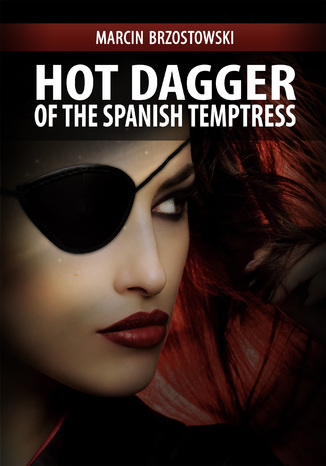
Marcin Brzostowski
Hot Dagger of the Spanish Temptress is a short story whose protagonist, inspector Franco Fog, known from The Vengeance of Women is supposed to solve o riddle of certain building constructor’s death. When he is just about to bring the case to a close, he meets a mysterious Spanish girl, who is skilful at throwing knives as well as practicing magic. How will it end for Franco Fog? Cover designed by Michał Olejarski Translated by Nina Wagner.

Janet Sandford, Prochor Aniszczuk
Specjalistyczny poradnik językowo-biznesowy, tematycznie zgromadzone pojęcia i zagadnienia wraz z tłumaczeniami. Wydanie zawiera słownictwo związane z pobytem w hotelu. Przykłady: boutique hotel - hotel butikowy - a small, independent hotel often based on original character or themed rooms spa bath - kąpiel i zabiegi spa - a bath containing warm, aerated water, considered to be health improving

Hotel and tourism - Hotel i turystyka
Praca zbiorowa
Seria kieszonkowych poradników językowo-biznesowych pomoże Ci poszerzyć słownictwo i wiedzę w różnych dziedzinach. Książeczki zawierają tematycznie zgromadzone pojęcia i zagadnienia, a także ich tłumaczenia. Bądź specjalistą w swojej dziedzinie, również w kręgach obcojęzycznych! Przykład: self-service restaurant - a restaurant such as a cafeteria, where guests take a tray and help themselves to food - restauracja samoobsługowa
Leopold Tyrmand
"Hotel Ansgar" był debiutem literackim Leopolda Tyrmanda (ukazał się w 1948 r.), na kolejną powieść - "Zły" czytelnicy musieli zaczekać aż do 1955 r., bowiem w pierwszym okresie po powrocie ze Skandynawii Tyrmand z zapałem parał się dziennikarstwem. Dopiero, gdy drzwi wszystkich redakcji się przed nim zamknęły, wrócił do dłuższej prozy. W tej niewielkiej noweli wraca do swych, jak sam napisał "ukochanych" wspomnień z okupowanej przez nazistów Norwegii. Choć książka traktuje o sprawach ostatecznych i trudnych, napisana jest lekko, zgrabnie, znakomicie językowo i od początku zapowiada wspaniały talent prozatorski Tyrmanda. "Hotel Ansgar" napisany był przez Leopolda Tyrmanda na podstawie jego własnych doświadczeń wojennych. Jako rasowy pisarz, każdą przeżytą chwilę zamieniał w literaturę.

Hotel Babylon. Nieznane sekrety branży hotelarskiej
Imogen Edwards-Jones & Autor Anonimowy
Ile jesteś w stanie znieść za dwa funty napiwku? Wydawać by się mogło, że w drogich i luksusowych hotelach przebywają wyłącznie ludzie z klasą. Tymczasem za zamkniętymi drzwiami ekskluzywnych apartamentów dystyngowani goście ujawniają swoją prawdziwą twarz i bez skrępowania korzystają z uroków życia. Mówiąc wprost - puszczają im wszystkie hamulce. Do najbardziej popularnych zabaw należą: urządzanie libacji alkoholowych, zażywanie narkotyków, seks z prostytutką... Imogen Edwards-Jones oraz Autor Anonimowy pod płaszczykiem fikcji opisują prawdziwe historie z branży hotelarskiej. Akcja książki rozgrywa się w ciągu 24 godzin, podczas których pracownicy tytułowego Babylonu muszą spełniać najbardziej ekstrawagancie i nieprzyzwoite zachcianki klientów. Zabawne epizody przeplatają się tu nieustannie z tragicznymi wydarzeniami, a zakulisowe spojrzenie na hotelowe życie bez wątpienia wstrząśnie niejednym czytelnikiem.

Hotel Babylon. Nieznane sekrety branży hotelarskiej
Imogen Edwards-Jones & Autor Anonimowy
Ile jesteś w stanie znieść za dwa funty napiwku? Wydawać by się mogło, że w drogich i luksusowych hotelach przebywają wyłącznie ludzie z klasą. Tymczasem za zamkniętymi drzwiami ekskluzywnych apartamentów dystyngowani goście ujawniają swoją prawdziwą twarz i bez skrępowania korzystają z uroków życia. Mówiąc wprost - puszczają im wszystkie hamulce. Do najbardziej popularnych zabaw należą: urządzanie libacji alkoholowych, zażywanie narkotyków, seks z prostytutką... Imogen Edwards-Jones oraz Autor Anonimowy pod płaszczykiem fikcji opisują prawdziwe historie z branży hotelarskiej. Akcja książki rozgrywa się w ciągu 24 godzin, podczas których pracownicy tytułowego Babylonu muszą spełniać najbardziej ekstrawagancie i nieprzyzwoite zachcianki klientów. Zabawne epizody przeplatają się tu nieustannie z tragicznymi wydarzeniami, a zakulisowe spojrzenie na hotelowe życie bez wątpienia wstrząśnie niejednym czytelnikiem.
Miroslava Kuľková
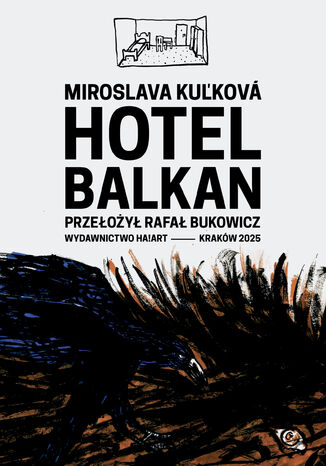
Siedem opowiadań, siedem różnych historii, każda rozgrywa się w innym bałkańskim kraju. Całość spaja młoda pisarka, która usiłuje przeprowadzić rozmowy z lokalnymi dygnitarzami na temat sądnych lat na Bałkanach. Kiedy polityka schodzi na dalszy plan, na pierwszy wysuwają się żyjący tam ludzie, z całym bagażem doświadczeń, ze swoimi rozterkami i pragnieniami. W zagmatwanej bałkańskiej rzeczywistości szukają własnej drogi - do innych i przede wszystkim do samych siebie. Książka znalazła się w finale najbardziej prestiżowej słowackiej nagrody literackiej Anasoft Litera 2024 wśród 10 najlepszych książek w 2024 roku i ostatecznie zdobyła nagrodę czytelników i czytelniczek. Miroslava Kuľkova urodziła się w 1992 roku w Koszycach. Studiowała stosunki międzynarodowe na Uniwersytecie Karola w Pradze, gdzie uzyskała stopień doktora. Jest laureatką licznych konkursów literackich (m.in Poviedka, Jasikove Kysuce, Literarna Senica), a swoją krótką prozę publikowała w dodatku literackim dziennika SME, magazynach Dotyky, Glosolalia i TYždeň. Przez kilka lat mieszkała w Niemczech, książkę "Hotel Balkan" pisała na Islandii. *** Dzięki talentowi do szczegółów, Miroslava Kuľkova w zwięzłych szkicach plastycznie przybliża kolejne miasta na powojennej mapie Bałkanów. Opowiada przy tym znacznie bardziej uniwersalną historię: o samotności, potrzebie wolności i tłamszących relacjach, z których trudno się wyrwać, szczególnie kobietom. Post-jugosłowiańska rzeczywistość przypomina tu budyń - źle się w nim pływa, a jeszcze gorzej oddycha. Ostatecznie jednak, Bałkany są jak zwykle pojemną metaforą: okazuje się, że wszyscy jesteśmy tym budyniem utytłani. Aleksandra Wojtaszek *** Niektóre opowiadania liczą zaledwie kilka stron, ale Kuľkovej to w zupełności wystarcza. Zmieściła w nich wszystko to, co najważniejsze. Ponadto autorka jest przekonująca, jej styl pisania dojrzały, a cały zbiór po prostu niezwykły". Denisa Ballova, Dennik N *** Siedem krajów bałkańskich, siedem opowiadań. Genialnie napisany debiut, pięknie skomponowane zdania. Na każdej stronie czuć bałkański klimat. Jana Slinksa *** "Hotel Balkan", niewielkich rozmiarów debiut Miroslavy Kuľkovej, to mistrzowski zbiór subtelnych obserwacji, który zabiera czytelników znacznie dalej niż na chorwackie plaże. Dociera do gorącego bałkańskiego serca i ukazuje wszystkie blizny, które się nie zagoiły - i to z tak magiczną wrażliwością, że książki nie odłożycie, dopóki nie doczytacie do końca". Zora Handzova, dziennik "Pravda". [FRAGMENTY] W tym mieście ludzie nie pijają cappuccino - jego kolor przypomina im wodę, w której myli naczynia podczas czteroletniego oblężenia w latach dziewięćdziesiątych. Kawę pija się tu czarną i zagryza kostką cukru. W Sarajewie każdy ma wspomnienia, o których nie mówi. Niektórzy byli wtedy zbyt młodzi. Jedyne, co im zostało, to powracające koszmary, z których budzą się z krzykiem, zlani potem. Niektórzy pamiętają aż nadto. [Często zrywają się, nie tylko ze snu.] "Gdzie jestem?" jest jednym z najtrudniejszych pytań na Bałkanach, dlatego że granice zależą od punktu widzenia. "Kim jestem?" jest równie ciężkim pytaniem. Ja i ty są w Kosowie albo dwoma całkowicie pokrywającymi się zbiorami, albo dwoma pojęciami bez wspólnego mianownika. Nic pomiędzy tym nie istnieje.