
Wydawca: 8

Dariusz Niemiec
Tekst z pracy zbiorowej Dominikanie o Polsce i Polakach od XIII do XX wieku. W 2018 roku minęła setna rocznica odzyskania przez Polskę niepodległości. Pamiętając o tym wydarzeniu, Dominikański Instytut Historyczny w Krakowie przygotował prezentowany tom Dominikanie o Polsce i Polakach. Od XIII do XX wieku. Grupa kilkunastu historyków postanowiła odpowiedzieć na pytania: Czy polskich dominikanów w ogóle interesowała Polska? Czy bracia kaznodzieje, należący do międzynarodowej wspólnoty, zachowywali dystans wobec lokalnych wydarzeń, smutków i radości, czy wręcz przeciwnie byli w nie zaangażowani? Prezentowany tom jest oryginalną próbą odpowiedzi na te kwestie. Czytelnik otrzymuje panoramę poglądów, opinii i wielobarwnych postaci poczynając od św. Jacka Odrowąża, który dla średniowiecznych braci był wręcz drugim królem Bolesławem Chrobrym, przez Jana Falkenberga, który nawoływał do surowego potraktowania króla Władysława Jagiełły, a kończąc na dwudziestowiecznych dominikanach, realizujących misję kaznodziejską w niepodległej Polsce, a następnie pogrążonej w zawierusze wojennej i zniewolonej komunizmem.
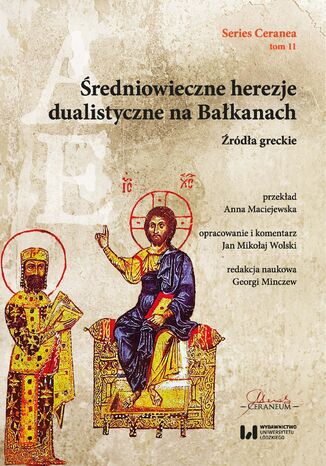
Średniowieczne herezje dualistyczne na Bałkanach. Źródła greckie
Georgi Minczew, Anna Maciejewska
W jedenastym tomie serii Series Ceranea ukazują się polskie przekłady źródeł greckich do dziejów średniowiecznych doktryn dualistycznych na Bałkanach. Ta praca zbiorowa, rezultat starań filologa klasycznego, historyka i paleoslawisty, jest naturalną kontynuacją tomu pierwszego, zatytułowanego Średniowieczne herezje dualistyczne na Bałkanach. Źródła słowiańskie, a jednocześnie elementem długoterminowego projektu realizowanego w Ceraneum, w którym biorą udział specjaliści z Polski i zagranicy, poświęconego badaniom, edycji i komentowaniu greckich, słowiańskich i łacińskich źródeł do dziejów bałkańskiej heterodoksji. * Bracia, nie dawajcie naiwnie wiary tym bezbożnikom, gdy twierdzą, że wierzą w Ojca, Syna i świętego Ducha. Wszystkie sekty tak twierdzą, i paulicjanie, i reszta; ci tutaj niegodziwi bezbożnicy mają jednak własną trójcę, w którą wierzą. Ojcem mianowicie nazywają władcę ciemności, diabła, który upadł z niebios, jak wyznali oni sami i jak mówi Chrystus: Wy macie diabła za ojca; synem nazywają syna zatracenia, a Duchem - ducha zła. To jest trójca tych bezbożników, ją to wyznają i czczą; mienią się chrześcijanami nie od prawdziwego Chrystusa, Boga naszego, ale od Antychrysta. Eutymiusz z klasztoru Peribleptos Listy przeciwko fundagiagitom

Średniowieczne herezje dualistyczne na Bałkanach. Źródła słowiańskie
Georgi Minczew, Małgorzata Skowronek, Jan Mikołaj Wolski
Do czego porównamy heretyków? Czy do kogoś ich upodobnimy? Gorsi są bowiem od głuchych i ślepych bożków, ponieważ idole są z kamienia i drzewa, nie widzą ani nie słyszą. Heretycy, mając myśli człowiecze, z własnej woli ukamienowali się, nie poznawszy prawdziwej nauki. Lecz czy do demonów ich porównać? Gorsi są od demonów. Demony bowiem boją się krzyża Chrystusowego, heretycy zaś rąbią krzyże i tworzą z nich swoje narzędzia. Demony boją się oblicza Pana namalowanego na desce, heretycy zaś nie kłaniają się przed ikonami, ale nazywają je bożkami. Demony boją się kości sprawiedliwych [w Panu], nie śmieją zbliżyć się do relikwiarzy, w których leżą bezcenne skarby dane chrześcijanom dla ratunku z każdej niedoli; heretycy zaś drwią z nich i naśmiewają się z nas, widząc, jak kłaniamy się im, prosząc je o pomoc. Pierwszy tom Series Ceranea stanowi dwujęzyczne komentowane wydanie antologii słowiańskich tekstów źródłowych - 15 tekstów z dziejów herezji dualistycznych na Bałkanach, różnych gatunkowo, stylistycznie i objętościowo. Całość poprzedza studium wstępne zawierające szczegółowy przegląd historii neomanichejskich herezji dualistycznych oraz wnikliwą analizę doktryny bogomilskiej w kontekście innych religijnych ruchów dysydenckich.
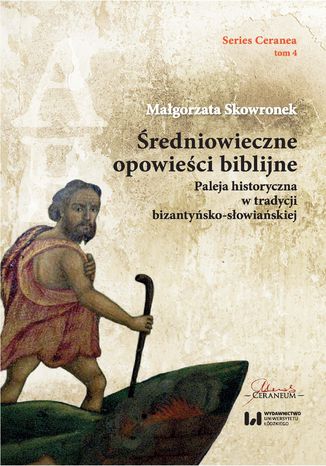
Małgorzata Skowronek
Czwarty tom Series Ceranea stanowi monografia dotycząca drugiego przekładu słowiańskiego Palei historycznej -bizantyńskiej kompilacji tekstów rozmaitej proweniencji na tematy biblijne, zaczerpnięte ze Starego Testamentu. Zamiarem moim było ukazanie sposobów odczytania pewnego średniowiecznego tekstu literackiego - zarówno odczytów skierowanych w głąb niego samego, jak i ukazujących go w najbliższym mu środowisku relacji intertekstualnych. Pozostaję jednak z nadzieją, że każdy głos dotyczący nawet jednego tylko zabytku z niezmierzonego dziedzictwa Slaviae Orthodoxae, tym bardziej zabytku przekazywanego w odmiennych szatach językowych i przyjmującego rozmaite postacie, prowadzi do lepszego poznania nie tylko tego jego komponentu, jakim jest stricte literatura, lecz także tworzących go: myśli i ducha. Z Zakończenia

Średniowieczne źródła do filozofii mesjanizmu
Władysław Horodyski
UWAGA! e-book jest skanem zapisanym w formacie PDF. Plik pdf uniemożliwia przeszukiwanie i kopiowanie tekstu. Opis: REPRINT. Idealny układ świata myślicieli średniowiecznych ustąpił w okresie nowożytnym miejsca realnemu. Człowiek jako taki stał się przedmiotem zagadnienia. I dlatego też nastąpiło przesunięcie punktu oparcia pod wiekowym poglądem na świat. Samoubóstwienie staje się mniej lub bardziej wyraźnym objawem w filozofii mesjanizmu, człowiek-bóstwo jest tym sanktuarium dla idei powrotu i to jest przyczyną, że i sama teofania traci dla nowożytnych historiozofów swoje religijne znaczenie. A drogę ku takiemu stanowi rzeczy przecierali już właśnie owi opisani w tym opracowaniu średniowieczni myśliciele...

Małgorzata Warda
W Trójmieście znika dziewczyna. Po roku bezowocnych poszukiwań, kiedy nikt już nie wierzy w jej odnalezienie, młoda dziennikarka, Marlena, rozpoczyna własne śledztwo. Niewielka teczka dotycząca zaginionej Sylwii i kulisów sprawy okazuje się źródłem wielu pytań: jaka była naprawdę i kto ponosi winę za jej zniknięcie. Uparcie powracał jeszcze jeden wątek - romansu dziewczyny z bratem. W tej błyskotliwie skonstruowanej, bogatej w obserwacje obyczajowe i świetnie napisanej historii nic nie jest jednoznaczne, zwłaszcza Sylwia, której obraz zmienia się w relacjach opisujących ją osób. Na portrecie rodziny Feyów pojawiają się rysy - wychodzą na jaw skrywane głęboko tajemnice, powracają bolesne wspomnienia i fakty z odległej przeszłości. Pytanie o winnego tragedii nie jest już najważniejsze. Małgorzata Warda- pisarka z Gdyni. Dwukrotnie nominowana do nagrody głównej Festiwalu Literatury Kobiecej; w roku 2013 otrzymała nagrodę za powieść o tematyce wykluczenia, a trzy lata później odebrała grand prix Festiwalu. Laureatka nagrody IBBY 2015 dla najlepszej książki młodzieżowej za powieść "5 sekund do Io". Jej najnowsze książki to m.in.: "Dziewczyna z gór. Śniegi" i "Dziewczyna z gór. Tropy". Jest także autorką tekstów piosenek. Z wykształcenia rzeźbiarka.
Anton Czechow
“Środek przeciwko pijaństwu” to opowiadanie Antoniego Czechowa, jednego z najsłynniejszych rosyjskich pisarzy i dramaturgów. Uznawany jest powszechnie za mistrza małych form literackich. „Do miasta B. przybył na gościnne występy w oddzielnym przedziale I-szej klasy popularny recytator i komik p. Feniksow-Dzikoobrazow II-gi. Wszyscy, którzy go spotykali na dworcu, wiedzieli, że bilet pierwszej klasy został zakupiony na przedostatnim przystanku jedynie dla „fasonu“, wszyscy bowiem doskonale widzieli, że bez względu na późną jesień i chłód, głośny artysta nosił stare letnie paletko i wyłysiałą czapkę fokową, lecz mimo to, gdy z okna pociągu wyjrzała sina, zaspana twarz Dzikoobrazowa II-go, wszyscy poczuli pewne wzruszenie, połączone z pragnieniem jak najprędszego poznania artysty.” Fragmenty z książki: Anton Czechow. „ŚRODEK PRZECIWKO PIJAŃSTWU”

Środki do nabycia prawdziwego nabożeństwa względem Matki Najświętszej
Jakub Górka
Abyśmy mogli ukochać Bogarodzicę, trzeba nam się zastanawiać, jak Ona wielką, jak możną, jak wspaniałą, jak pełną cnót i zalet niezrównanych. Po wtóre należy się uważnie przypatrzyć, jak ta cudowna Pani, Królowa nieba i ziemi, jest dobrą względem nas, jak bardzo nas miłuje, jak nas hojnie obdarza łaskami. Nikt, choćby najgorszy, nie jest wyjęty spod Jej macierzyńskiej opieki. Do Maryi Panny możemy zastosować to samo, co mówimy o Bogu i Jego nieprzebranej dobroci względem człowieka. Stwórca każe świecić słońcu nad sprawiedliwymi i nad grzesznikami, spuszcza deszcz na niwy ludzi dobrych i złych. Wzrok też Królowej niebieskiej zwraca się na wszystkich, choćby najgorszych i najniewdzięczniejszych. O, wpatrujmy się oczyma duszy często i uważnie w tę gwiazdę zaranną, rozpamiętywajmy Jej zalety i cnoty, a osobliwie Jej miłość macierzyńską względem ludzi, a niezawodnie umiłujemy Maryję Pannę i staniemy się Jej wiernymi sługami. W Księdze Mądrości czytamy: ˝Myśleć o niej jest doskonała roztropność˝ (Mądr. VI, 16). Słowa te stosują uczeni także do Matki Najświętszej w tym znaczeniu, że myślenie, zastanawianie się nad przywilejami Maryi jest wielką mądrością i kluczem do niezrównanych łask, którymi obsypuje Maryja Panna swych czcicieli.