
Видавець: K-i-s-publishing
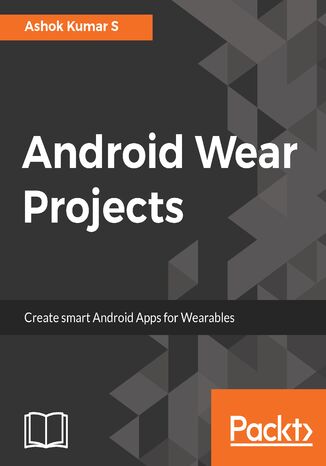
Android Wear Projects. Create smart Android Apps for Wearables
Ashok Kumar S
Android Wear Projects is your opportunity to step into the exciting new world of Android Wear app development. This book will help you to master the skills in Android Wear programming and give you a complete insight on wear app development.You will create five different Android Wear apps just like the most popular Android Wear apps. You will create a To-do list, a city maps app, a Wear messenger, Wear fitness tracker and Watch face. While you create these apps you will learn to create custom notifications, receive voice inputs in notifications, add pages to notifications and stack notifications. You will see how to create custom wear app layouts, the custom UIs specially designed for Wear. You will learn to handle and manage data and syncing data with other devices, create interactive Watch faces and also ensure the safety and security of your Wear apps by testing and securing your apps before you deploy them on the app store.
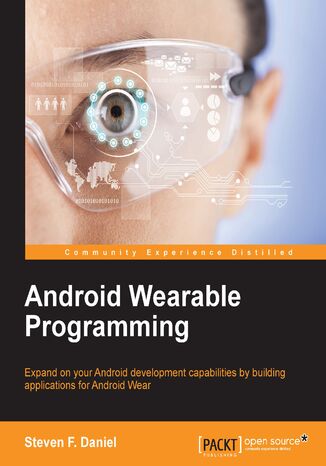
Steven F. Daniel
If you are an Android developer who wants to learn how to build applications for the Android Wear platform, then this is the book for you. This book only requires a basic knowledge of Android programming. Familiarity with development IDEs such as Android Studio, IntelliJ IDEA, or Eclipse will be helpful.
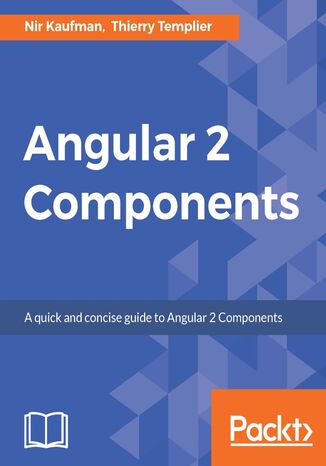
Angular 2 Components. Practical and easy-to-follow guide to Angular 2 Components
Nir Kaufman, Thierry Templier Thierry
This book is a concise guide to Angular 2 Components and is based on the stable version of Angular 2. You will start with learning about the Angular 2 Components architecture and how components differ from Angular directives in Angular 1. You will then move on to quickly set up an Angular 2 development environment and grasp the basics of TypeScript. With this strong foundation in place, you will start building components.The book will teach you, with an example, how to define component behavior, create component templates, and use the controller of your component. You willalso learn how to make your components communicate with each other. Once you have built a component, you will learn how to extend it by integrating third-party components with it. By the end of the book, you will be confident with building and using components for your applications.
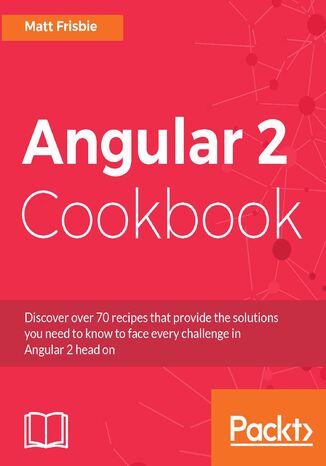
Matthew Frisbie
Angular 2 introduces an entirely new way to build applications. It wholly embraces all the newest concepts that are built into the next generation of browsers, and it cuts away all the fat and bloat from Angular 1. This book plunges directly into the heart of all the most important Angular 2 concepts for you to conquer. In addition to covering all the Angular 2 fundamentals, such as components, forms, and services, it demonstrates how the framework embraces a range of new web technologies such as ES6 and TypeScript syntax, Promises, Observables, and Web Workers, among many others.This book covers all the most complicated Angular concepts and at the same time introduces the best practices with which to wield these powerful tools. It also covers in detail all the concepts you'll need to get you building applications faster. Oft-neglected topics such as testing and performance optimization are widely covered as well. A developer that reads through all the content in this book will have a broad and deep understanding of all the major topics in the Angular 2 universe.
Doguhan Uluca
Angular 6 for Enterprise-Ready Web Applications follows a hands-on and minimalist approach demonstrating how to design and architect high quality apps.The first part of the book is about mastering the Angular platform using foundational technologies. You will use the Kanban method to focus on value delivery, communicate design ideas with mock-up tools and build great looking apps with Angular Material. You will become comfortable using CLI tools, understand reactive programming with RxJS, and deploy to the cloud using Docker.The second part of the book will introduce you to the router-first architecture, a seven-step approach to designing and developing mid-to-large line-of-business applications, along with popular recipes. You will learn how to design a solid authentication and authorization experience; explore unit testing, early integration with backend APIs using Swagger and continuous integration using CircleCI. In the concluding chapters, you will provision a highly available cloud infrastructure on AWS and then use Google Analytics to capture user behavior.By the end of this book, you will be familiar with the scope of web development using Angular, Swagger, and Docker, learning patterns and practices to be successful as an individual developer on the web or as a team in the Enterprise.
Angular Cookbook. Over 80 actionable recipes every Angular developer should know
Muhammad Ahsan Ayaz
The Angular framework, powered by Google, is the framework of choice for many web development projects built across varying scales. It’s known to provide much-needed stability and a rich tooling ecosystem for building production-ready web and mobile apps. This recipe-based guide enables you to learn Angular concepts in depth using a step-by-step approach. You’ll explore a wide range of recipes across key tasks in web development that will help you build high-performance apps.The book starts by taking you through core Angular concepts such as Angular components, directives, and services to get you ready for building frontend web apps. You’ll develop web components with Angular and go on to cover advanced concepts such as dynamic components loading and state management with NgRx for achieving real-time performance. Later chapters will focus on recipes for effectively testing your Angular apps to make them fail-safe, before progressing to techniques for optimizing your app’s performance. Finally, you’ll create Progressive Web Apps (PWA) with Angular to provide an intuitive experience for users.By the end of this Angular book, you’ll be able to create full-fledged, professional-looking Angular apps and have the skills you need for frontend development, which are crucial for an enterprise Angular developer.
Angular Cookbook. Over 80 actionable recipes every Angular developer should know - Second Edition
Muhammad Ahsan Ayaz
Angular has long been the framework of choice for web development projects of various scales, offering much-needed stability and a rich tooling ecosystem for building production-ready web and mobile apps. This recipe-based guide ensures high performance apps with the latest version of Angular, helping you to build up your Angular expertise with a wide range of recipes across key tasks in web development.In this second edition, the recipes have been updated, added, and improved based on developer feedback, new challenges, and Angular 17. The first few chapters will show you how to utilize core Angular concepts such as components, directives, and services to get you ready for building frontend web apps. You’ll then develop web components with Angular and go on to learn about advanced concepts such as dynamic components loading and state management with NgRx for achieving real-time performance. Later chapters will focus on recipes for effectively testing your Angular apps to make them fail-safe, before progressing to techniques for optimizing your app’s performance. Finally, you’ll create Progressive Web Apps (PWA) with Angular to provide an intuitive experience for users. By the end of this book, you’ll be able to create full-fledged, professional-looking Angular apps and have the skills you need for frontend development.
Alvaro Camillo Neto, William Grasel, Loiane Groner
Single page applications (SPAs) have become the standard for most web experiences. Angular, with its batteries-included approach, has emerged as a powerful framework for simplifying the development of these interfaces by offering a comprehensive toolbox. This book guides you through the Angular ecosystem, uncovering invaluable design patterns and harnessing its essential features.The book begins by laying a strong foundation, helping you understand when and why Angular should be your web development framework of choice. The next set of chapters will help you gain expertise in component design and architecting efficient, flexible, and high-performing communication patterns between components. You’ll then delve into Angular's advanced features to create forms in a productive and secure way with robust data model typing. You'll also learn how to enhance productivity using interceptors to reuse code for common functionalities, such as token management, across various apps. The book also covers micro frontend architecture in depth to effectively apply this architectural approach and concludes by helping you master the art of crafting tests and handling errors effortlessly.By the end of this book, you'll have unlocked the full potential of the Angular framework.