
Programowanie
Niezależnie czy dopiero rozpoczynacie swoją przygodę z programowaniem, czy jesteście już uznanymi na rynku profesjonalistami, to w kategorii Programowanie na pewno znajdziecie podręczniki, które pomogą Wam w przebiegu pracy, czy też w nauce podstaw programowania.
W książkach z tego działu zawarta jest wiedza zarówno związana z czysto technicznymi sprawami typu składnia języków, ale także z umiejętnościami bardziej "miękkimi" jak obsługa i wykorzystanie pełnych możliwości środowisk programistycznych, czy też projektowanie oprogramowania lub metody numeryczne czy oraz struktury danych.
Ovais Mehboob Ahmed Khan
While writing an application, performance is paramount. Performance tuning for realworld applications often involves activities geared toward fnding bottlenecks; however, this cannot solve the dreaded problem of slower code. If you want to improve the speed of your code and optimize an application's performance, then this book is for you. C# 7 and .NET Core 2.0 High Performance begins with an introduction to the new features of what?explaining how they help in improving an application's performance. Learn to identify the bottlenecks in writing programs and highlight common performance pitfalls, and learn strategies to detect and resolve these issues early. You will explore multithreading and asynchronous programming with .NET Core and learn the importance and effcient use of data structures. This is followed with memory management techniques and design guidelines to increase an application’s performance. Gradually, the book will show you the importance of microservices architecture for building highly performant applications and implementing resiliency and security in .NET Core. After reading this book, you will learn how to structure and build scalable, optimized, and robust applications in C#7 and .NET.
C# 7 and .NET Core Cookbook. Serverless programming, Microservices and more - Second Edition
Fabio Claudio Ferracchiati, Dirk Strauss
C# has recently been open-sourced and C# 7 comes with a host of new features for building powerful, cross-platform applications. This book will be your solution to some common programming problems that you come across with C# and will also help you get started with .NET Core 1.1. Through a recipe-based approach, this book will help you overcome common programming challenges and get your applications ready to face the modern world. We start by running you through new features in C# 7, such as tuples, pattern matching, and so on, giving you hands-on experience with them. Moving forward, you will work with generics and the OOP features in C#. You will then move on to more advanced topics, such as reactive extensions, Regex, code analyzers, and asynchronous programming. This book will also cover new, cross-platform .NET Core 1.1 features and teach you how to utilize .NET Core on macOS. Then, we will explore microservices as well as serverless computing and how these benefit modern developers. Finally, you will learn what you can do with Visual Studio 2017 to put mobile application development across multiple platforms within the reach of any developer.
Mark J. Price
If you want to build powerful cross-platform applications with C# 7 and .NET Core, then this book is for you.First, we’ll run you through the basics of C#, as well as object-oriented programming, before taking a quick tour through the latest features of C# 7 such as tuples, pattern matching, out variables, and so on.After quickly taking you through C# and how .NET works, we’ll dive into the .NET Standard 1.6 class libraries, covering topics such as performance, monitoring, debugging, serialization and encryption.The final section will demonstrate the major types of application that you can build and deploy cross-device and cross-platform. In this section, we’ll cover Universal Windows Platform (UWP) apps, web applications, mobile apps, and web services. Lastly, we’ll look at how you can package and deploy your applications so that they can be hosted on all of today’s most popular platforms, including Linux and Docker.By the end of the book, you’ll be armed with all the knowledge you need to build modern, cross-platform applications using C# and .NET Core.
C# 7 and .NET: Designing Modern Cross-platform Applications. The Open Source revolution of .NET Core
Mark J. Price, Ovais Mehboob Ahmed Khan
C# is a widely used programming language, thanks to its easy learning curve, versatility, and support for modern paradigms. The language is used to create desktop apps, background services, web apps, and mobile apps. .NET Core is open source and compatible with Mac OS and Linux. There is no limit to what you can achieve with C# and .NET Core.This Learning Path begins with the basics of C# and object-oriented programming (OOP) and explores features of C#, such as tuples, pattern matching, and out variables. You will understand.NET Standard 2.0 class libraries and ASP.NET Core 2.0, and create professional websites, services, and applications. You will become familiar with mobile app development using Xamarin.Forms and learn to develop high-performing applications by writing optimized code with various profiling techniques.By the end of C# 7 and .NET: Designing Modern Cross-platform Applications, you will have all the knowledge required to build modern, cross-platform apps using C# and .NET.This Learning Path includes content from the following Packt products:• C# 7.1 and .NET Core 2.0 - Modern Cross-Platform Development - Third Edition by Mark J. Price • C# 7 and .NET Core 2.0 High Performance by Ovais Mehboob Ahmed Khan
C# 7 i .NET Core 2.0. Programowanie wielowątkowych i współbieżnych aplikacji
Ovais Mehboob Ahmed Khan
W świecie programistów aplikacji panuje kult wydajności: najważniejsze są szybkość i efektywność działania kodu. Dostrajanie elementów dużych aplikacji staje się wirtuozerią: wymaga eliminowania wąskich gardeł, optymalizacji kodu, pilnowania każdego bitu pamięci. Niewielkie braki w rozwiązaniach w przypadku rozbudowanych systemów przeradzają się w wielkie problemy. Dla programisty oznacza to, że jeśli chce pracować na prawdziwie profesjonalnym poziomie, musi perfekcyjnie opanować zagadnienia związane ze skalarnością, z modularnością i efektywnością kodu. Ta książka jest przeznaczona dla programistów .NET, którzy chcą przyspieszyć pracę swoich aplikacji. Opisuje nowe funkcje C# 7 i .NET Core 2.0 oraz ich wpływ na wydajność kodu. Przedstawia takie mechanizmy .NET Core jak proces kompilacji, odzyskiwanie pamięci czy wykorzystywanie wielu rdzeni procesora. Prezentuje koncepcje wielowątkowości i programowania asynchronicznego oraz wyjaśnia znaczenie optymalizacji struktur danych. Omawia też wzorce i najlepsze praktyki projektowania aplikacji w .NET Core, a także zagadnienia bezpieczeństwa i elastyczności oraz architektury mikrousług. Wiedza zawarta w książce pozwoli na pisanie modularnych, skalowalnych, bezpiecznych i niezależnie wdrażanych aplikacji. W tej książce między innymi: nowości w C# 7 i .NET Core 2.0 struktury danych i optymalizacja kodu w C# zarządzanie pamięcią i zapobieganie wyciekom pamięci zapewnianie odporności na błędy aplikacji narzędzia do monitorowania wydajności aplikacji: App Metrics, InfluxDB i Grafana wytyczne projektowania i dobre praktyki programistyczne C# i .NET Core: wielowątkowość - współbieżność - wydajność!
C# 7.0. Kompletny przewodnik dla praktyków. Wydanie VI
Mark Michaelis
C# jest jednym z lepiej dopracowanych języków programowania. Cechują go dojrzałość, prostota, nowoczesność i bezpieczeństwo. Został od podstaw zaprojektowany jako obiektowy. Stanowi integralną część platformy Microsoft .NET Framework. Jest ulubionym narzędziem profesjonalnych programistów, którym zależy na pisaniu kodu bezpiecznego, przejrzystego, wydajnego i prostego w konserwacji. W wersji 7.0 tego języka pojawiły się nowe usprawnienia, dzięki którym programowanie stało się jeszcze bardziej efektywne i satysfakcjonujące. Ta książka jest szóstym, zaktualizowanym i uzupełnionym wydaniem jednego z najlepszych podręczników programowania. Poza znakomitym kompendium języka C# znalazły się tu informacje o poszczególnych metodykach programowania, od sekwencyjnego aż po podstawy programowania deklaratywnego z wykorzystaniem atrybutów. Szczegółowo przedstawiono funkcje wprowadzone do wersji 7.0 języka, a także w platformie .NET Framework 4.7/.NET Core 2.0. Książka jest też wygodnym źródłem wiedzy o pewnych rzadko stosowanych konstrukcjach składniowych, specyficznych szczegółach i subtelnościach języka C#. Jasny i przejrzysty sposób prezentowania treści pozwoli na szybkie zrozumienie nawet najbardziej zawiłych zagadnień. W tej książce między innymi: przewodnik po C# oraz różne paradygmaty programowania interfejsy, dziedziczenie, typy bezpośrednie obsługa wyjątków delegaty, technologia LINQ i mechanizm refleksji zarządzanie wątkami i programowanie asynchroniczne C#. Nowoczesny, elegancki, bezpieczny!
Joseph Albahari, Ben Albahari
C# 7.0. Leksykon kieszonkowy C# od dawna jest dojrzałym, uniwersalnym i efektywnym językiem programowania, dzięki któremu można sprawnie pisać kod bezpieczny, przejrzysty i wydajny. Założeniami, które przyświecały twórcom C#, jest obiektowość i kontrola typów, jednak przede wszystkim język ten ma być prosty w stosowaniu. Mimo to nawet tak świetne narzędzie, jak C# w wersji 7.0, jest jeszcze wygodniejsze w pracy, jeśli programista ma pod ręką coś, co wspomoże jego codzienną pracę i we właściwym miejscu podsunie potrzebną informację. Niniejsza książka jest świetnym, zwięzłym i wyjątkowo praktycznym kompendium. Zawiera dokładnie to, co powinna — bez nudnawych wywodów i rozdmuchanych przykładów. Może posłużyć jako podręcznik do nauki C# lub jako bardzo poręczna ściągawka, pozwalająca na szybkie znalezienie odpowiedzi. Jeśli tylko masz podstawowe umiejętności programowania w Javie, C++ lub w poprzednich wersjach C# i chcesz bez większych problemów przystąpić do programowania w C# 7.0, to trzymasz w ręku właściwą książkę. W tej książce: podstawy języka C#, nowości w C#: krotki, składnia dekonstrukcji krotek, dopasowywanie wzorców, zagadnienia zaawansowane, w tym przeciążanie operatorów, typy uogólnione i ograniczenia, wyrażenia lambda, domknięcia i inne, technologia LINQ: sekwencje, leniwe wykonanie, standardowe operatory zapytań, wiązania dynamiczne i funkcje asynchroniczne, wskaźniki, atrybuty, dyrektywy preprocesora i wiele innych zagadnień. Zwięźle, prosto i w sam punkt: C#!
Joseph Albahari, Ben Albahari
C# jest uważany za flagowy projekt firmy Microsoft. Język ten charakteryzuje się niezwykłą elastycznością i wszechstronnością. Udostępnia wysokopoziomowe abstrakcje, takie jak wyrażenia, zapytania i kontynuacje asynchroniczne, ale też pozwala na korzystanie z mechanizmów niskopoziomowych. W efekcie dzięki takim konstrukcjom, jak własne typy wartościowe programisty czy opcjonalne wskaźniki, można znacząco zwiększyć wydajność aplikacji. Wersja 7.0 jest kolejną poważną aktualizacją języka. Zapoznanie się z tymi zmianami będzie bardzo ważne dla każdego programisty piszącego w C#. Niniejsza książka jest kolejnym, uzupełnionym i zaktualizowanym wydaniem cenionego kompendium wiedzy o C#, CLR oraz o związanej z C# platformie. Napisano ją z myślą o programistach na co najmniej średnim poziomie zaawansowania. W zrozumiały, a równocześnie dogłębny sposób wyjaśniono takie trudne kwestie, jak współbieżność, bezpieczeństwo i domeny aplikacji. Informacje o nowych składnikach języka C# 6.0 i 7.0, a także o związanej z nim platformie zostały oznaczone. Szczególnie istotny z punktu widzenia programisty może okazać się rozdział o nowym kompilatorze Roslyn, zwanym kompilatorem usługowym. Najważniejsze zagadnienia ujęte w książce: składnia, typy oraz zmienne C# wskaźniki, przeciążanie operatorów i wiązanie dynamiczne programowanie współbieżne i asynchroniczne, praca z wątkami i programowanie równoległe rdzenne technologie i techniki platformy .NET Framework, w tym LINQ, XML, kolekcje, kontrakty kodu, zarządzanie pamięcią, refleksja, programowanie dynamiczne kompilator Roslyn, w tym jego architektura, struktura drzewa składni i model semantyczny C# w nowej odsłonie - nowoczesny język dla profesjonalistów!
Mark J. Price, Dustin Heffron, Efraim Kyriakidis
C# 7.1 and .NET Core 2.0 – Modern Cross-Platform Development, Third Edition, is a practical guide to creating powerful cross-platform applications with C# 7.1 and .NET Core 2.0. It gives readers of any experience level a solid foundation in C# and .NET. The first part of the book runs you through the basics of C#, as well as debugging functions and object-oriented programming, before taking a quick tour through the latest features of C# 7.1 such as default literals, tuples, inferred tuple names, pattern matching, out variables, and more.After quickly taking you through C# and how .NET works, this book dives into the .NET Standard 2.0 class libraries, covering topics such as packaging and deploying your own libraries, and using common libraries for working with collections, performance, monitoring, serialization, files, databases, and encryption. The final section of the book demonstrates the major types of application that you can build and deploy cross-device and cross-platform. In this section, you'll learn about websites, web applications, web services, Universal Windows Platform (UWP) apps, and mobile apps. By the end of the book, you'll be armed with all the knowledge you need to build modern, cross-platform applications using C# and .NET.
C# 7.1 i .NET Core 2.0 dla programistów aplikacji wieloplatformowych
Mark J. Price
Powszechnie uważa się, że C# jest świetnym językiem ogólnego zastosowania, który nadaje się do tworzenia każdego rodzaju oprogramowania - od serwisów internetowych poprzez aplikacje biznesowe aż po gry. Oprogramowanie takie działa na komputerach biurkowych, serwerach, urządzeniach mobilnych, a także na specjalizowanych systemach do gier. Z kolei .NET Core pozwala na tworzenie rozwiązań serwerowych w chmurze oraz na pracę z urządzeniami wirtualnej lub rozszerzonej rzeczywistości. To wszystko sprawia, że technologie C# i .NET Core umożliwiają tworzenie nowoczesnych systemów, które będą wydajnie działać na wielu różnych platformach. Ta książka jest znakomitym, spójnym i bardzo praktycznym podręcznikiem do nauki języka C#. Pokazuje również najlepsze praktyki stosowane na platformie .NET Core. Z publikacji skorzysta każdy, kto pragnie zdobyć dobre przygotowanie do pracy z językiem i platformą. Znalazły się tu przystępnie wyłożone podstawy języka C#, a także sposoby debugowania kodu i zasady programowania obiektowego. Nie zabrakło informacji o najnowszych elementach języka C# 7.1, takich jak domyślne literały, krotki, dopasowywanie wzorców, zmienne typu out i inne. Dokładnie opisano biblioteki klas .NET Standard 2.0. Zaprezentowano najważniejsze rodzaje aplikacji, takie jak witryny i aplikacje internetowe, serwisy sieciowe, aplikacje UWP oraz aplikacje mobilne. W tej książce między innymi: Solidne podstawy C# 7.1 i .NET Core 2.0 Profesjonalne aplikacje w ASP.NET Core 2.0 i wielozadaniowość Stosowanie Entity Framework Core oraz LINQ do pracy nad danymi Korzystanie ze środowiska UWP oraz z Xamarin.Forms Szyfrowanie, strumienie i serializacja Planowane funkcje języka C# w wersji 8 Wieloplatformowa aplikacja - profesjonalny deweloper!
Paul Michaels, Dirk Strauss, Jas Rademeyer
.NET Core is a general-purpose, modular, cross-platform, and opensource implementation of .NET. The latest release of .NET Core 3 comes with improved performance and security features, along with support for desktop applications. .NET Core 3 is not only useful for new developers looking to start learning the framework, but also for legacy developers interested in migrating their apps. Updated with the latest features and enhancements, this updated second edition is a step-by-step, project-based guide.The book starts with a brief introduction to the key features of C# 8 and .NET Core 3.You'll learn to work with relational data using Entity Framework Core 3, before understanding how to use ASP.NET Core. As you progress, you’ll discover how you can use .NET Core to create cross-platform applications. Later, the book will show you how to upgrade your old WinForms apps to .NET Core 3. The concluding chapters will then help you use SignalR effectively to add real-time functionality to your applications, before demonstrating how to implement MongoDB in your apps. Finally, you'll delve into serverless computing and how to build microservices using Docker and Kubernetes.By the end of this book, you'll be proficient in developing applications using .NET Core 3.
Mark J. Price
In C# 8.0 and .NET Core 3.0 – Modern Cross-Platform Development, Fourth Edition, expert teacher Mark J. Price gives you everything you need to start programming C# applications.This latest edition uses the popular Visual Studio Code editor to work across all major operating systems. It is fully updated and expanded with new chapters on Content Management Systems (CMS) and machine learning with ML.NET.The book covers all the topics you need. Part 1 teaches the fundamentals of C#, including object-oriented programming, and new C# 8.0 features such as nullable reference types, simplified switch pattern matching, and default interface methods. Part 2 covers the .NET Standard APIs, such as managing and querying data, monitoring and improving performance, working with the filesystem, async streams, serialization, and encryption. Part 3 provides examples of cross-platform applications you can build and deploy, such as web apps using ASP.NET Core or mobile apps using Xamarin.Forms. The book introduces three technologies for building Windows desktop applications including Windows Forms, Windows Presentation Foundation (WPF), and Universal Windows Platform (UWP) apps, as well as web applications, web services, and mobile apps.
C# 8.0. Kompletny przewodnik dla praktyków. Wydanie VII
Mark Michaelis
C# jest jednym z najlepszych dzieł Microsoftu - cechuje go dojrzałość, prostota i nowoczesność. Został zaprojektowany jako język obiektowy i konsekwentnie jest rozwijany. Służy do tworzenia aplikacji sieciowych, mikrousług, aplikacji desktopowych, oprogramowania dla urządzeń mobilnych i internetu rzeczy. Ponadto C# jest językiem otwartym, pozwalającym na pisanie kodu bezpiecznego, przejrzystego, wydajnego i prostego w konserwacji. W wersji 8.0 pojawiły się funkcjonalności, które jeszcze bardziej usprawniają pracę programisty. To siódme, zaktualizowane i uzupełnione wydanie jednego z najlepszych podręczników programowania, docenianego przez programistów na każdym poziomie zaawansowania. Poza znakomitym samouczkiem języka C# znalazły się tu informacje o poszczególnych metodykach programowania. Książka zawiera także omówienie nowości w C#: typów referencyjnych dopuszczających wartość null, indeksów, przedziałów, rozbudowanego dopasowywania do wzorca, strumieni asynchronicznych i innych. Treść jest uporządkowana i przejrzysta, co nadaje podręcznikowi przystępną formę, a zawarte w nim wskazówki pomagają w ograniczeniu liczby błędów w kodzie. W książce między innymi: istotne konstrukcje w C# techniki programowania obiektowego w C#, w tym klasy, dziedziczenie i interfejsy typy generyczne, delegaty, wyrażenia lambda oraz refleksje i atrybuty strumienie asynchroniczne przetwarzanie równoległe i wielowątkowość współdziałanie z kodem niezarządzanym C#. Praktyczne rozwiązania rzeczywistych problemów!
Joseph Albahari, Ben Albahari
C# to obiektowy język programowania ogólnego przeznaczenia z kontrolą typów. Jest dojrzały, wyjątkowo wszechstronny i prosty w stosowaniu, dzięki czemu stał się ulubionym językiem profesjonalistów. Jego twórcy chcieli przede wszystkim zapewnić programistom jak największą efektywność, co znalazło odzwierciedlenie w prostocie języka, ekspresywności kodu i wydajności działania. Wersja C# 8.0 została dostosowana do współpracy ze środowiskiem uruchomieniowym Microsoft .NET Core 3 oraz z .NET Standard 2.1. Ta książka jest zwięzłym kompendium, w którym znajdziesz wszystko, co jest potrzebne do pracy z C#, podane w formie poręcznej ściągi. Została pomyślana w taki sposób, aby maksymalnie ułatwić przeglądanie i odnajdywanie potrzebnych treści - by wesprzeć pracę każdego, komu zależy na sprawnym wdrożeniu najnowszej wersji języka C#. Jest też nieocenioną pomocą dla osób, które znają już inne języki programowania, takie jak C++ czy Java, i postanowiły nabrać wprawy w pracy z C#. Poszczególne zagadnienia przedstawiono w przejrzysty, treściwy i równocześnie esencjonalny sposób, koncentrując się na najważniejszych sprawach. To pozycja, która powinna znajdować się tuż obok klawiatury każdego programisty C#! W tej książce: podstawy języka z uwzględnieniem nowych cech C# w wersji 8.0 zagadnienia zaawansowane, w tym przeciążanie operatorów, typy z wartością pustą, wyrażenia lambda i domknięcia LINQ: sekwencje, leniwe wykonanie, standardowe operatory zapytań kod nienadzorowany i wskaźniki atrybuty, dyrektywy preprocesora i generowanie dokumentacji HTML C#. Nie czekaj, programuj!
C# 8.0. Programowanie. Tworzenie aplikacji Windows, internetowych oraz biurowych
Ian Griffiths
Język C# wciąż cechuje prostota, przy czym jego możliwości rosną z każdą wersją. Od początku jest rozwijany z konsekwencją, a każda nowa funkcjonalność idealnie integruje się z resztą języka. W efekcie C# jest dojrzały, nowoczesny, wszechstronny i bezpieczny. Stanowi integralną część platformy Microsoft .NET Framework. Profesjonalni programiści, którzy dbają o wysoką jakość tworzonego kodu, uważają C# i .NET za swoje ulubione narzędzie pracy. Wersja 8.0 tego języka sprawia, że programowanie staje się jeszcze bardziej efektywne i satysfakcjonujące. Pełne wykorzystanie tych imponujących możliwości wymaga jednak mistrzowskiego opanowania subtelności poszczególnych narzędzi i niuansów samego języka. Ta książka została napisana z myślą o doświadczonych programistach. Podstawowe zagadnienia, takie jak klasy, polimorfizm i kolekcje, znalazły się w kilku pierwszych rozdziałach, jednak zrozumienie treści całej publikacji wymaga umiejętności technicznych. Została poświęcona ważnym koncepcjom C# i tajnikom tego języka, które rzadko kiedy są opisywane w literaturze. Dokładnie omówiono tu typy ogólne, LINQ oraz techniki programowania asynchronicznego. Przedstawiono najnowsze możliwości platformy .NET Core i języka C# 8.0, takie jak strumienie asynchroniczne, referencje akceptujące wartości puste, dopasowywanie wzorców, domyślne implementacje interfejsów, zakresy, a także nową składnię indeksowania oraz zmiany w narzędziach platformy .NET. Liczne rozbudowane przykłady stanowią świetne uzupełnienie prezentowanych treści. W tej książce między innymi: możliwości języka C#: klasy, typy niestandardowe, kolekcje, obsługa błędów optymalizacja kodu pod kątem wykorzystania pamięci praca na strumieniach danych za pomocą technologii LINQ platforma .NET i programowanie wielowątkowe programowanie asynchroniczne a skalowalność aplikacji Dla profesjonalistów najlepszy jest C#!
Joseph Albahari, Eric Johannsen
C# jest od początku rozwijany w konsekwentny, przemyślany sposób, a każda nowa funkcjonalność idealnie integruje się z resztą języka. W efekcie łączy on nowoczesność i bezpieczeństwo. Wersja 8.0 jest kolejną poważną aktualizacją tego języka. Zapewnia wysokopoziomowe abstrakcje, między innymi wyrażenia, zapytania i kontynuacje asynchroniczne, ale także udostępnia niskopoziomowe mechanizmy pozwalające osiągnąć maksymalną wydajność aplikacji dzięki wykorzystaniu takich konstrukcji jak własne typy wartościowe programisty czy opcjonalne wskaźniki. Ceną, jaką programista płaci za ten rozwój, jest konieczność ciągłej nauki. To kolejne, przejrzane i zaktualizowane wydanie doskonałego podręcznika dla programistów. Znalazły się tu zwięzłe i dokładne informacje na temat języka C#, Common Language Runtime (CLR) oraz platformy .NET Core. Zaprezentowano precyzyjne opisy pojęć i konkretne przypadki użycia, a poszczególne zagadnienia potraktowano dogłębnie i od strony praktycznej. Sporo uwagi poświęcono dość trudnym tematom, jak współbieżność, bezpieczeństwo i dostęp do funkcji systemu operacyjnego, przy czym nie zaniedbano kwestii czytelności i nie spłycono informacji. Nowe składniki języka C# 8.0 i związanej z nim platformy specjalnie oznaczono, dzięki czemu to wydanie może też służyć jako podręcznik do C# 7.0. W książce między innymi: składnia C#, definiowanie zmiennych, wskaźniki, domknięcia i wzorce tajniki LINQ i praca na danych programowanie współbieżne i asynchroniczne praca z wątkami i programowanie równoległe narzędzia platformy .NET oraz kompilator Roslyn Sprawdź, jak w C# pracują najlepsi programiści!
Mark J. Price
In C# 9 and .NET 5 – Modern Cross-Platform Development, Fifth Edition, expert teacher Mark J. Price gives you everything you need to start programming C# applications.This latest edition uses the popular Visual Studio Code editor to work across all major operating systems. It is fully updated and expanded with a new chapter on the Microsoft Blazor framework.The book’s first part teaches the fundamentals of C#, including object-oriented programming and new C# 9 features such as top-level programs, target-typed new object instantiation, and immutable types using the record keyword. Part 2 covers the .NET APIs, for performing tasks like managing and querying data, monitoring and improving performance, and working with the file system, async streams, serialization, and encryption. Part 3 provides examples of cross-platform apps you can build and deploy, such as websites and services using ASP.NET Core or mobile apps using Xamarin.Forms. The best type of application for learning the C# language constructs and many of the .NET libraries is one that does not distract with unnecessary application code. For that reason, the C# and .NET topics covered in Chapters 1 to 13 feature console applications. In Chapters 14 to 20, having mastered the basics of the language and libraries, you will build practical applications using ASP.NET Core, Model-View-Controller (MVC), and Blazor.By the end of the book, you will have acquired the understanding and skills you need to use C# 9 and .NET 5 to create websites, services, and mobile apps.
Joseph Albahari, Ben Albahari
C# jest wyjątkowo udanym dziełem Microsoftu - konsekwentnie rozwijanym, dojrzałym i wyjątkowo wszechstronnym obiektowym językiem programowania. Wersja C# 9.0 została dostosowana do współpracy ze środowiskiem uruchomieniowym Microsoft .NET 5. Język ten pozwala programistom na uzyskiwanie imponującej efektywności - dzięki prostocie, ekspresywności kodu i wydajności działania. Jednak nawet profesjonaliści, którym zależy na sprawnej pracy, potrzebują niekiedy poręcznej ściągawki. W tym zwięzłym kompendium znajdziesz wszystko, co jest potrzebne do programowania w C#. Książka została wydana jako leksykon, co bardzo ułatwia wyszukiwanie potrzebnych treści. Stanowi nieocenioną pomoc dla osób, które znają C# albo C++ lub Javę i postanowiły nabrać wprawy w pracy z najnowszą wersją C#. Poszczególne zagadnienia przedstawiono w przejrzysty, treściwy i równocześnie esencjonalny sposób. Wszystkie użyte tu listingi i fragmenty kodu są dostępne w postaci interaktywnych próbek dla platformy LINQPad, która pozwala na błyskawiczne prototypowanie i obserwowanie efektów wszelkich zmian w kodzie. Oto przewodnik, który powinien mieć pod ręką każdy programista C#! W książce: gruntowne podstawy języka z uwzględnieniem nowości C# w wersji 9.0 zagadnienia zaawansowane, w tym przeciążanie operatorów, ograniczenia typów, iteratory, wzorce dopasowania typów, wyrażenia lambda i domknięcia funkcje asynchroniczne w C# LINQ: sekwencje, leniwe wykonanie, wyrażenia zapytaniowe kod nienadzorowany i wskaźniki atrybuty, dyrektywy preprocesora i generowanie dokumentacji HTML Efektywne wsparcie każdego programisty C#!
Joseph Albahari
C# jest uważany za flagowy produkt firmy Microsoft. Od początku był konsekwentnie rozwijany - z najwyższą troską o elastyczność i wszechstronność. W efekcie pozwala na pisanie bezpiecznego kodu. Wersja 9.0 jest ósmą poważną aktualizacją tego języka. Zapewnia wysokopoziomowe abstrakcje, takie jak wyrażenia, zapytania i kontynuacje asynchroniczne, ale także udostępnia niskopoziomowe mechanizmy pozwalające uzyskać maksymalną wydajność aplikacji. Cel ten jest osiągany dzięki takim konstrukcjom jak własne typy wartościowe programisty czy opcjonalne wskaźniki. Tych nowości trzeba się uczyć, ale czas na to poświęcony rekompensuje przyjemne tworzenie znakomitego kodu. To zaktualizowane wydanie znakomitego podręcznika dla programistów. Zawiera zwięzłe i dokładne informacje na temat języka C#, Common Language Runtime (CLR), a także biblioteki klas .NET 5 Base Class Library (BCL). Nowe składniki języka C# 9.0 i związanej z nim platformy specjalnie oznaczono, dzięki czemu książka może też służyć jako podręcznik do nauki C# 8.0 i C# 7.0. Znalazły się tu precyzyjne opisy pojęć i przypadków użycia z naciskiem na praktyczność zastosowań. Sporo uwagi poświęcono dość trudnym tematom, jak współbieżność, bezpieczeństwo i dostęp do funkcji systemu operacyjnego. Ten zwięzły przewodnik sprawdzi się doskonale jako stała pomoc w codziennej pracy programisty C#. W książce między innymi: składnia C#, definiowanie zmiennych, wskaźniki, domknięcia i wzorce tajniki LINQ, dane i praca z bazą danych programowanie współbieżne i asynchroniczne zaawansowane techniki pracy z wątkami i programowanie równoległe narzędzia platformy.NET i struktury Span oraz kryptografia Trzymaj tę książkę stale na swoim biurku!
Aristides Bouras
Embark on your programming journey with a thorough introduction to how computers work, setting the stage for understanding C++ and its applications. This course begins with the basics, including setting up your development environment and installing necessary software packages. As you progress, you'll delve into fundamental algorithmic concepts, variables, constants, and handling input and output efficiently.As you build your knowledge, the course introduces more complex topics such as sequence control structures, decision-making processes, and loop control structures. You will learn to manipulate numbers, strings, and understand the intricacies of operators through practical exercises and real-world examples. Visual aids like trace tables and flowcharts will help you visualize the flow of your programs and improve your debugging skills.Towards the end of the course, you'll explore advanced topics such as arrays, data structures, subprograms, and an introduction to object-oriented programming. By the conclusion, you will also gain insights into file handling and advanced algorithmic strategies. Each chapter is designed to build on the previous one, ensuring a cohesive and comprehensive learning experience that equips you with the skills needed to excel in C++ programming and algorithmic thinking.
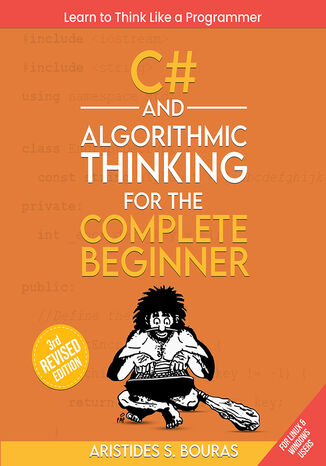
Aristides Bouras
This course takes you on a journey through the basics of C# programming and algorithmic thinking, tailored specifically for complete beginners. Starting with an understanding of how a computer works, you will explore integrated development environments, essential software packages, and basic algorithmic concepts.As you progress, you will delve deeper into key programming constructs such as variables, constants, input and output handling, operators, and control structures. The course emphasizes practical application, guiding you through exercises involving complex mathematical expressions, string manipulations, decision structures, and loop control structures. By the time you reach the advanced sections, you will have a comprehensive understanding of data structures, subprograms, and object-oriented programming.Designed to be engaging and informative, this course offers tips, tricks, and detailed explanations to help you master each concept. The use of Visual Studio Code is seamlessly integrated, providing you with hands-on experience in a real-world development environment. By the end of the course, you will be well-equipped to tackle more advanced programming challenges and continue your journey in the world of software development.
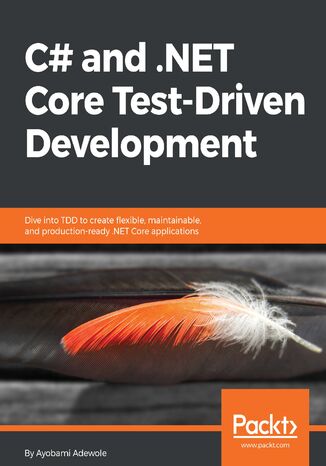
Ayobami Adewole
This book guides developers to create robust, production-ready C# 7 and .NET Core applications through the practice of test-driven development process. In C# and .NET Core Test-Driven Development, you will learn the different stages of the TDD life cycle, basics of TDD, best practices, and anti-patterns. It will teach you how to create an ASP.NET Core MVC sample application, write testable code with SOLID principles and set up a dependency injection for your sample application. Next, you will learn the xUnit testing framework and learn how to use its attributes and assertions. You’ll see how to create data-driven unit tests and mock dependencies in your code. You will understand the difference between running and debugging your tests on .NET Core on LINUX versus Windows and Visual Studio. As you move forward, you will be able to create a healthy continuous integration process for your sample application using GitHub, TeamCity, Cake, and Microsoft VSTS.By the end of this book, you will have learned how to write clean and robust code through the effective practice of TDD, set up CI build steps to test and build applications as well as how to package application for deployment on NuGet.
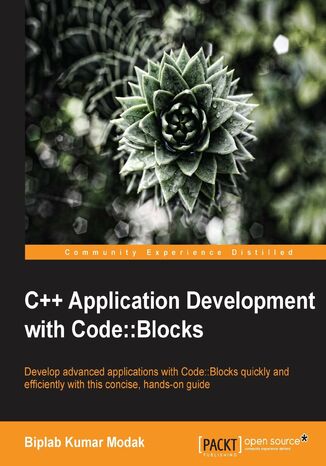
BIPLAB MODAK
This is a comprehensive tutorial with step-by-step instructions on how to develop applications with Code::Blocks.This book is for C++ developers who wish to use Code::Blocks to create applications with a consistent look and feel across multiple platforms. This book assumes that you are familiar with the basics of the C++ programming language.
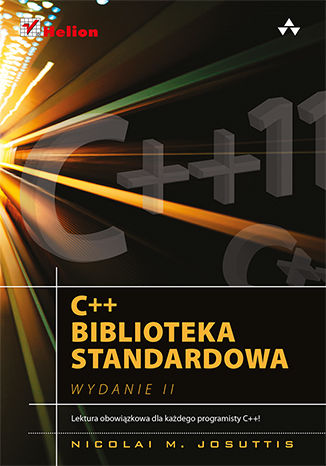
C++. Biblioteka standardowa. Podręcznik programisty. Wydanie II
Nicolai M. Josuttis
Lektura obowiązkowa dla każdego programisty C++! Pomimo olbrzymiej konkurencji ze strony platformy .NET oraz języka Java język C++ wciąż jest niezastąpiony w wielu dziedzinach. Wszędzie tam, gdzie wymagane są najwyższa wydajność, pełna kontrola nad sprzętem oraz przewidywalność, C++ jest bezkonkurencyjny. Biblioteka standardowa C++ to zestaw klas i interfejsów, które w znaczny sposób zwiększają możliwości tego języka. Warto wykorzystać jej potencjał! Biblioteka standardowa C++ poza wieloma niewątpliwymi zaletami ma jedną poważną wadę - jest trudna do opanowania. Właśnie dlatego potrzebny Ci jest ten podręcznik! W trakcie lektury poznasz nowe elementy języka C++ w wersji 11. Następnie dowiesz się, czym jest standardowa biblioteka szablonów (STL), oraz zobaczysz, jak wykorzystać w codziennej pracy: mapy, multimapy, iteratory, listy oraz wiele innych elementów. Na sam koniec nauczysz się poprawnie korzystać ze współbieżności oraz tworzyć aplikacje obsługujące różne wersje językowe. Każdy z komponentów biblioteki został dokładnie przedstawiony: z opisem przeznaczenia, przykładami oraz problemami, których może przysporzyć. Książka ta jest obowiązkową lekturą każdego programisty C++! Dzięki tej książce: poznasz nowości języka C++ w wersji 11 wykorzystasz możliwości kontenerów STL zrozumiesz zastosowanie iteratorów zobaczysz na praktycznych przykładach, jak działają komponenty błyskawicznie opanujesz możliwości biblioteki standardowej C++ Odkryj potęgę C++!