
Programowanie
Niezależnie czy dopiero rozpoczynacie swoją przygodę z programowaniem, czy jesteście już uznanymi na rynku profesjonalistami, to w kategorii Programowanie na pewno znajdziecie podręczniki, które pomogą Wam w przebiegu pracy, czy też w nauce podstaw programowania.
W książkach z tego działu zawarta jest wiedza zarówno związana z czysto technicznymi sprawami typu składnia języków, ale także z umiejętnościami bardziej "miękkimi" jak obsługa i wykorzystanie pełnych możliwości środowisk programistycznych, czy też projektowanie oprogramowania lub metody numeryczne czy oraz struktury danych.
Mitesh Soni, Alan Mark Berg
Jenkins 2.x is one of the most popular Continuous Integration servers in the market today. It was designed to maintain, secure, communicate, test, build, and improve the software development process.This book will begin by guiding you through steps for installing and configuring Jenkins 2.x on AWS and Azure. This is followed by steps that enable you to manage and monitor Jenkins 2.x. You will also explore the ways to enhance the overall security of Jenkins 2.x. You will then explore the steps involved in improving the code quality using SonarQube. Then, you will learn the ways to improve quality, followed by how to run performance and functional tests against a web application and web services. Finally, you will see what the available plugins are, concluding with best practices to improve quality.
Calvin Sangbin Park , Lalit Adithya, Sam...
Jenkins is a renowned name among build and release CI/CD DevOps engineers because of its usefulness in automating builds, releases, and even operations. Despite its capabilities and popularity, it's not easy to scale Jenkins in a production environment. Jenkins Administrator's Guide will not only teach you how to set up a production-grade Jenkins instance from scratch, but also cover management and scaling strategies. This book will guide you through the steps for setting up a Jenkins instance on AWS and inside a corporate firewall, while discussing design choices and configuration options, such as TLS termination points and security policies. You’ll create CI/CD pipelines that are triggered through GitHub pull request events, and also understand the various Jenkinsfile syntax types to help you develop a build and release process unique to your requirements. For readers who are new to Amazon Web Services, the book has a dedicated chapter on AWS with screenshots. You’ll also get to grips with Jenkins Configuration as Code, disaster recovery, upgrading plans, removing bottlenecks, and more to help you manage and scale your Jenkins instance. By the end of this book, you’ll not only have a production-grade Jenkins instance with CI/CD pipelines in place, but also knowledge of best practices by industry experts.
Język ANSI C. Programowanie. Wydanie II
Brian W. Kernighan, Dennis M. Ritchie
Drogi Czytelniku, właśnie trzymasz w rękach nowe wydanie książki zaliczanej do klasyki literatury informatycznej. Napisana przez autorów języka ANSI C w najlepszy możliwy sposób przedstawia arkana tego języka. A co można powiedzieć o samym języku? To też klasyka. To język wymagający systematyczności i skupienia, ale dający w zamian wiele możliwości i świetne wyniki. To najczęściej nauczany język programowania - jego znajomość stanowi znakomity fundament do poznania kolejnych, bardziej złożonych języków. Mimo swojego zaawansowanego wieku jest on ceniony i w wielu dziedzinach wciąż niezastąpiony. Dzięki tej książce zdobędziesz kompletną wiedzę na temat języka C. Poznasz wszystkie dostępne typy, operatory i wyrażenia. Nauczysz się sterować wykonywaniem programu oraz wykorzystywać funkcje. Ponadto dogłębnie poznasz coś, co sprawia początkującym programistom najwięcej problemów - wskaźniki. Następnie zapoznasz się także z funkcjami wejścia i wyjścia. Dowiesz się, jak uzyskać dostęp do plików, formatować dane wyjściowe oraz obsługiwać błędy. Książka ta jest bogata w przykłady, a każdy z nich został przetestowany przez autorów. Język ANSI C. Programowanie. Wydanie II to niezastąpiona pozycja na półce każdego studenta informatyki, pasjonata programowania i zawodowca. Wraz z książką został wydany zeszyt zawierający rozwiązania do wszystkich zawartych w niej ćwiczeń. Zmienne i wyrażenia arytmetyczne w języku C Kompilowanie kodu Wykorzystanie preprocesora języka C Typy i operatory Metody sterowania wykonywaniem programu Wykorzystanie funkcji Struktura programu Zasada działania wskaźników Struktury danych Operacje wejścia i wyjścia Zastosowanie rekurencji Poznaj tajniki języka C!
Język C dla małych urządzeń. Krótki kod o wielkich możliwościach
Marc Loy
Wydawałoby się, że język C najlepsze lata ma już za sobą. Opracowano w końcu mnóstwo łatwych w użyciu i efektywnych wysokopoziomowych języków programowania. W rzeczywistości język C wciąż okazuje się niezastąpiony do tak ważnych celów, jak programowanie sterowników, systemów operacyjnych, kart graficznych, a także niewielkich mikrokontrolerów o ograniczonych zasobach. Właśnie teraz, w czasach burzliwego rozwoju internetu rzeczy, język C udowadnia swoją przydatność. Wystarczy nauczyć się tworzyć w nim czysty kod o niewielkich rozmiarach. W tym podręczniku do praktycznej nauki programowania w języku C szczególną uwagę zwrócono na pisanie kodu umożliwiającego uzyskanie wysokiej wydajności w środowiskach o bardzo małych zasobach. Znalazło się tu gruntowne omówienie podstaw dobrego programowania w języku C. Opisano struktury kontrolne, operatory, funkcje i inne elementy składni C, a także zasady dobrego programowania i wzorce, dzięki którym można zmniejszać rozmiar skompilowanego programu. Przeanalizowano również środowisko Arduino, które jest świetną platformą docelową dla niewielkich programów napisanych w C. Zawarte tu informacje przydadzą się jednak każdemu, kto chce się zająć programowaniem dla systemów wbudowanych. W książce między innymi: podstawy języka C, w tym typy danych, przepływ sterowania i funkcje zarządzanie pamięcią i działanie programów w prostych urządzeniach tworzenie czytelnego i łatwego w utrzymaniu kodu w języku C optymalizacja kodu pod kątem wydajności testowanie istniejących bibliotek i tworzenie własnych Programowanie niskopoziomowe? Czysta radość z czystego C!
Język C dla mikrokontrolerów AVR. Od podstaw do zaawansowanych aplikacji
Tomasz Francuz
Sprawdź drugie i rozszerzone wydanie książki >> Przedstawiamy przebojowy duet — język C i mikrokontroler AVR! Poznaj budowę i podstawy programowania mikrokontrolerów Dowiedz się, jak do swoich celów wykorzystać język C Naucz się rozwiązywać rzeczywiste problemy i tworzyć praktyczne rozwiązania Mikrokontrolery AVR firmy Atmel stanowią dynamicznie rozwijającą się rodzinę układów. Dzięki niskiej cenie, dużym możliwościom i dostępności darmowych narzędzi od lat niezmiennie cieszą się dużą popularnością wśród hobbystów i osób profesjonalnie zajmujących się programowaniem mikrokontrolerów. Pewnym utrudnieniem dla polskich użytkowników AVR jest brak literatury na temat wykorzystania do ich programowania języków wysokiego poziomu, takich jak C. Niniejsza książka jest próbą wypełnienia tej luki. W sposób syntetyczny pokazuje różnice pomiędzy programowaniem w języku C komputerów klasy PC i mikrokontrolerów. Omawia programowanie peryferii dostępnych w mikrokontrolerach AVR w języku C, bibliotekę standardową oraz jej rozszerzenia znane jako AVR-libc. Dzięki temu nawet osoby w niewielkim stopniu znające podstawy języka C będą mogły bez problemów "przesiąść się" na programowanie mikrokontrolerów AVR. Z drugiej strony książka opisuje zaawansowane techniki programowania, związane z obsługą bootloadera, zabezpieczaniem i szyfrowaniem kodu aplikacji oraz realizacją najpowszechniej stosowanych protokołów wymiany danych pomiędzy urządzeniami opartymi na mikrokontrolerach i komputerami PC. Porusza także tematy związane ze specyfiką pisania aplikacji na mikrokontrolery oraz wyszukiwaniem i usuwaniem błędów. Podstawy programowania mikrokontrolerów AVR Warsztat pracy programisty AVR Wprowadzenie do języka C na AVR Budowa programu i jego części składowe Korzystanie z zasobów sprzętowych mikrokontrolera Używanie rejestrów i różnych rodzajów pamięci Zastosowania przetwornika ADC Obsługa wyświetlaczy LCD Korzystanie z interfejsów Zapewnianie bezpieczeństwa kodu Programowanie mikrokontrolerów jeszcze nigdy nie było tak proste!
Język C dla mikrokontrolerów AVR. Od podstaw do zaawansowanych aplikacji. Wydanie II
Tomasz Francuz
Mikrokontroler pod kontrolą! Podstawy budowy mikrokontrolerów, czyli jakie możliwości dają środowisko Atmel Studio i platforma Xplained z ATmega168/328 Architektura i zestaw instrukcji, czyli dlaczego mikrokontrolery warto programować w języku C Efektywne pisanie prostych i skomplikowanych programów na AVR, czyli jak wykorzystać różne triki Mikrokontrolery AVR to grupa układów oferujących ogromne możliwości. Każdy amator elektroniki i programowania wie, że można wykorzystać je na tysiąc sposobów, a prostota budowy, szybkość działania, bogactwo peryferii i wiele darmowych narzędzi czynią je tym bardziej atrakcyjnymi gadżetami. Jeśli chciałbyś zgłębić tajniki programowania mikrokontrolerów albo podszkolić własne umiejętności w tej dziedzinie, czas zajrzeć do tej książki! W nowym wydaniu uwzględniono zmiany, jakie zaszły w świecie AVR w ciągu ostatnich 3 lat, czyli np. zmianę AVR Studio na Atmel Studio. Znajdziesz tu podstawy posługiwania się nowym IDE, tworzenia oraz debugowania w nim projektów. Dowiesz się więcej o zmianach w kompilatorze avr-gcc, a szczególnie o tzw. nazwanych przestrzeniach adresowych, które ułatwiły dostęp do danych umieszczonych w pamięci FLASH mikrokontrolera. Odkryjesz, jak wykorzystać piloty telewizyjne do sterowania pisanym programem i jak połączyć program w C z asemblerem. Miłośnicy LED-ów zrozumieją, jak obsługiwać wielokolorowe matryce z wykorzystaniem peryferii dostępnych w AVR oraz jak sprzętowo realizować wymianę danych z popularnymi diodami ze sterownikiem WS2812B. Jeśli chcesz, by mikrokontroler stał się Twoim sprzymierzeńcem, musisz przeczytać tę książkę! Mikrokontroler i jego otoczenie, programatory Arytmetyka i operacje bitowe Zarządzanie projektem i preprocesor Kontrola rdzenia i zarządzanie poborem energii Dynamiczna alokacja pamięci i wbudowana pamięć EEPROM Dostęp do pamięci FLASH i portów IO mikrokontrolera Rejestry IO ogólnego przeznaczenia Przerwania i timery Komparator i przetwornik analogowo-cyfrowy Obsługa wyświetlaczy i interfejsy (USART, SPI, TWI, USI, 1-wire) Łączenie kodu C i asemblera Bootloader i debugowanie programu Mikrokontroler wielkich możliwości do Twoich usług!
Język C++ i przetwarzanie współbieżne w akcji
Anthony Williams
Odkryj wszystkie tajemnice wielowątkowych aplikacji! Współbieżne przetwarzanie danych to największe wyzwanie dla programisty. Na każdym kroku czyhają na niego najbardziej wymyślne pułapki, a wykrycie pomyłki stanowi nie lada wyzwanie. Każdy programista wzdryga się na samą myśl o implementacji wielowątkowych rozwiązań. Nie musi tak być! Dzięki tej książce poradzisz sobie z większością zadań i zwinnie ominiesz zastawione pułapki. W trakcie lektury dowiesz się, jak zidentyfikować zadania, w których zastosowanie współbieżności ma sens, oraz jak zarządzać wątkami. Ponadto nauczysz się chronić współdzielone dane oraz synchronizować współbieżne operacje. Duży nacisk został tu położony na zagadnienia związane z projektowaniem współbieżnych struktur danych oraz kodu. Osobny rozdział poświęcono debugowaniu aplikacji wielowątkowych. Książka ta jest długo oczekiwaną pozycją, która ułatwi codzienne życie programistom C++. Dzięki tej książce: zaprojektujesz współbieżny kod oraz struktury ochronisz współdzielone dane poznasz zaawansowane metody zarządzania wątkami bez problemu przeprowadzisz debugowanie Twojej wielowątkowej aplikacji Sprawdź, jak tworzyć niezawodne oprogramowanie wielowątkowe!
Język C++ i przetwarzanie współbieżne w akcji. Wydanie II
Anthony Williams
Jeśli aplikacja ma działać szybko i niezawodnie, najlepiej wybrać C++, dojrzały i wszechstronny język programowania, konsekwentnie rozwijany przez mistrzów kodowania. Wymaga on zachowania pewnej dyscypliny podczas pracy, jednak pozwala na uzyskanie kodu o znakomitej wydajności. Nowy standard C++17 zapewnia doskonałą obsługę wielowątkowości oraz programowania wieloprocesorowego wymaganego podczas szybkiego przetwarzania grafiki, uczenia maszynowego czy też wykonywania innych zadań, w których kluczową sprawą okazuje się wydajność. Ta książka jest drugim, zaktualizowanym i uzupełnionym wydaniem doskonałego podręcznika dla profesjonalistów. Szczegółowo opisano w niej wszystkie etapy programowania współbieżnego: od utworzenia wątków po projektowanie wielowątkowych algorytmów i struktur danych. Przedstawiono zastosowania klas std::thread i std::mutex oraz funkcji std::async, a także złożone zagadnienia związane z operacjami atomowymi i modelem pamięci. Sporo miejsca poświęcono diagnozowaniu kodu i analizie rodzajów błędów. Opisano techniki lokalizowania błędów oraz metody testowania kodu. Prezentowany materiał został uzupełniony przykładami kodu i praktycznymi ćwiczeniami. Znalazły się tu również porady i wskazówki, które docenią wszyscy programiści C++. W tej książce między innymi: nowości w standardzie C++17 zagadnienia niskiego poziomu: model pamięci i operacje atomowe zagadnienia wyższego poziomu: złożone struktury danych zagadnienia wysokiego poziomu: kod wielowątkowy i zarządzanie wątkami obsługa równoległości za pomocą funkcji dodanych w standardzie C++17 debugowanie kodu wielowątkowego Programuj elegancko, twórz wydajny i czysty kod. Oto współbieżność w C++!
Język C++. Kompendium wiedzy. Wydanie IV
Bjarne Stroustrup
Twój przewodnik po C++! C++ dzielnie broni swojej pozycji na rynku języków programowania. Pomimo silnego naporu języka Java oraz platformy .NET wciąż jest niezastąpiony w wielu dziedzinach. Jeżeli tylko wymagana jest najwyższa wydajność, dostęp do sprzętu oraz przewidywalny czas wykonania, programiści najczęściej wybierają właśnie język C++. Ostatnia wersja standardu - oznaczona numerem 11 - pozwala na jeszcze łatwiejsze pisanie kodu oraz tworzenie szybszych i wydajniejszych programów. Najnowsze wydanie tej cenionej książki zostało poprawione i uzupełnione o nowości z tej właśnie wersji standardu języka C++. Dowiesz się, jak korzystać ze wskaźników, liczb losowych oraz udoskonalonych kontenerów. Ponadto poznasz najlepsze zastosowanie wyrażeń lambda czy szablonów. Oprócz omówienia nowości znajdziesz tu również szczegółowy przegląd klasycznych elementów języka C++. Pętle, zmienne, tablice, instrukcje warunkowe - to tylko niektóre z omawianych zagadnień. Książka stanowi doskonały podręcznik dla początkujących programistów i świetne rozwinięcie dla programujących w języku C++ na co dzień. Przekonaj się, jak łatwo i przyjemnie możesz opanować ten popularny język oprogramowania. Dzięki tej książce: poznasz nowości wprowadzone w C++ 11 zaznajomisz się z elementami biblioteki standardowej opanujesz podstawowy model pamięci języka C++ zrozumiesz model pamięci języka C++ Poznaj nowości C++ 11! podstawowe narzędzia, np. typy, obiekty, zakresy, pamięć, wykonywanie obliczeń i wiele więcej modularność oparta na przestrzeniach nazw, plikach źródłowych oraz obsłudze wyjątków abstrakcja w C++, tj. wykorzystanie klas, hierarchii klas oraz szablonów w programowaniu tradycyjnym, obiektowym oraz ogólnym biblioteka standardowa: kontenery, algorytmy, iteratory, narzędzia dodatkowe, łańcuchy, strumienia wejścia i wyjścia, lokacje, biblioteki liczbowe i wiele więcej szczegółowy opis podstawowego modelu pamięci języka C++ Czwarte wydanie książki pozwala na łatwe przejście na C++11 programistom, którzy do tej pory programowali przy użyciu C++98 lub w innych językach. Ponadto w książce znajduje się wiele cennych informacji nawet dla znawców standardu C++11.
Język C. Kompendium wiedzy. Wydanie IV
Stephen G. Kochan
„Zdecydowanie najlepsza książka dla każdego, kto chce nauczyć się programować w C. Jest to doskonały podręcznik, świetnie napisany i bogaty w przykłady... Z tej książki uczyłem się języka C — jest naprawdę doskonała.” — Vinit S. Carpenter, Learn C/C++ Today Kompletny przewodnik po języku C! Język programowania C stworzył Dennis Ritchie. Opracował go w laboratoriach AT & T Bell na początku lat 70. XX wieku. Musiała jednak upłynąć jeszcze niemal dekada, by język ten zyskał popularność i powszechne uznanie — dopiero w 1990 roku opublikowano pierwszą oficjalną wersję standardu ANSI C. Później przez długi czas był to język dominujący na rynku i do tej pory nie ma sobie równych w wielu dziedzinach programowania. Kolejne wydanie kultowej książki o języku C zostało zaktualizowane i poprawione. Znajdziesz tu informacje na temat najnowszych dodatków, wprowadzonych w standardzie ANSI C11, a także sprawdzone, konkretne wiadomości na temat składni języka i najlepszych praktyk tworzenia programów z wykorzystaniem potencjału C. Pętle, instrukcje warunkowe, struktury, wskaźniki, operacje bitowe oraz polecenia preprocesora to klasyczne zagadnienia — bez ich znajomości żaden programista nie może sobie poradzić. Jeżeli szukasz kompletnego podręcznika zawierającego najbardziej aktualne informacje na temat języka C, trzymasz w rękach idealną książkę! Dzięki tej książce: napiszesz, skompilujesz i uruchomisz swój pierwszy program poznasz typy danych oraz ich cechy charakterystyczne opanujesz składnię oraz typowe konstrukcje języka C zaznajomisz się z tablicami oraz strukturami poskromisz wskaźniki oraz ulepszysz zarządzanie pamięcią opanujesz język C Wykorzystaj potencjał języka C! Stephen G. Kochan — autor i współautor klasycznych książek o programowaniu oraz o systemie Unix. Były konsultant ds. oprogramowania w AT & T Bell Laboratories. Do jego obowiązków należało m.in. przygotowywanie i prowadzenie kursów z systemu Unix oraz języka C. Jest autorytetem w swojej specjalizacji.
Język C++. Owoce programowania. Wydanie IX
Tony Gaddis
C++ powstał w 1979 roku. Od tej pory cały czas się rozwija. Mimo że wymaga od programisty pewnej dyscypliny i staranności w pracy, jest chętnie wykorzystywany, daje bowiem ogromne możliwości i cechuje się elastycznością. W języku tym zaimplementowano mechanizmy programowania obiektowego. Opanowanie C++ nie tylko pozwala programistom tworzyć aplikacje dla praktycznie wszystkich platform, komputerów, serwerów i urządzeń mobilnych, ale również ułatwia naukę innych języków programowania. Aby w pełni skorzystać z tych zalet, trzeba od początku przykładać się do nauki pisania kodu z poszanowaniem dobrych praktyk. To kolejne wydanie lubianego podręcznika programowania w języku C++; książka przeznaczona dla osób, które dopiero rozpoczynają naukę kodowania, i tych, które mają już doświadczenie z innymi językami. Znalazło się tu przystępne wyjaśnienie podstaw działania komputera oraz wprowadzenie do samego języka, a także mnóstwo pożytecznych wskazówek dla początkujących. Bardziej zaawansowani programiści docenią szczegółowe opisy niuansów, zawiłości i źródeł możliwych problemów. Książka jest napisana prostym, zrozumiałym językiem i zawiera wiele świetnie dobranych przykładów ilustrujących nie tylko funkcje i konstrukcje języka C++, ale również przypadki i sposoby ich użycia. Najważniejsze zagadnienia: przystępne wprowadzenie do C++ funkcje i klasy, tablice i wektory wyrażenia lambda, wskaźniki i przeciążanie operatorów dziedziczenie i polimorfizm stosy, kolejki i rekurencja - drzewa binarne: tworzenie i operacje na drzewach Idź i programuj w C++!
Zbigniew Koza
Poznaj tajniki programowania w C++ Jak skonstruowany jest program w języku C++? Na czym polega programowanie obiektowe? Jak korzystać z bibliotek? C++ to jeden z najpopularniejszych języków programowania. Stosowany jest zarówno przez profesjonalistów, jak i hobbystów. Wszyscy jego użytkownicy doceniają elastyczność, ogromne możliwości i szybkość działania napisanych w nim programów. Ogromną zaletą C++ jest to, że nie wymusza na programistach stosowania określonego stylu programowania. Z racji swoich możliwości jest to język bardzo złożony, a efektywne programowanie w nim wymaga poznania wielu technik i pojęć oraz umiejętności wykorzystania tej wiedzy w praktyce. Książka "C++. Pierwsze starcie" to podręcznik, dzięki któremu opanujesz zasady programowania w tym języku i zdobędziesz solidne podstawy do dalszego rozwijania swoich umiejętności. Znajdziesz w niej opis aktualnego standardu C++ oraz omówienia narzędzi programistycznych i bibliotek. Poznasz elementy języka, zasady programowania obiektowego i tworzenia złożonych aplikacji. Przeczytasz o szablonach, bibliotece STL i obsłudze błędów. Dowiesz się, jak stosować biblioteki przy tworzeniu aplikacji dla systemów Windows i Linux. Struktura programu w C++ Elementy języka Korzystanie z funkcji Programowanie obiektowe Dynamiczne struktury danych Stosowanie bibliotek Szablony Biblioteka STL Obsługa błędów Zrób pierwszy krok na drodze do profesjonalnego tworzenia oprogramowania.
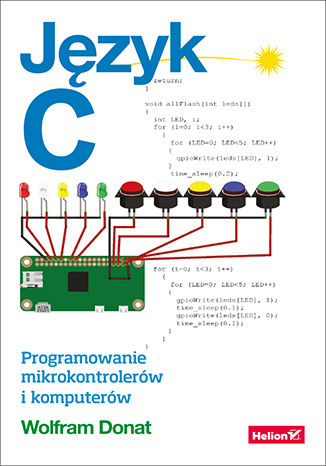
Język C. Programowanie mikrokontrolerów i komputerów
Wolfram Donat
Język C jest szybki, potężny i... zupełnie niepociągający. Zmusza do programowania na niskim poziomie, za to daje bezpośredni dostęp do sprzętu, między innymi do stosów i rejestrów procesora. Jest językiem wieloplatformowym, jednak przenoszenie kodu wykonywalnego między różnymi maszynami stanowi wyzwanie. C nie pozwala chodzić na skróty i zmusza do dogłębnego zrozumienia zagadnienia, nad którym się pracuje. To wszystko sprawia, że uzyskanie biegłości w języku C jest najlepszą drogą do poznania podstaw algorytmów oraz systemów operacyjnych, a dodatkowo procentuje podczas programowania w językach wyższego poziomu. Nauka C wymaga jednak sporo wysiłku! Ta książka jest wyjątkowo zwięzłym podręcznikiem, dzięki któremu błyskawicznie zdobędziesz wiedzę potrzebną do zrozumienia działania języka C. Wystarczy, że oprócz tej książki dysponujesz komputerem z dostępem do internetu, płytką Raspberry Pi Zero lub Zero W, paroma diodami LED, opornikami, płytką prototypową i przewodami oraz choćby podstawową wiedzą o programowaniu, a w krótkim czasie poszerzysz horyzonty, zdobędziesz kilka nowych umiejętności i przyswoisz nowy język. Jeśli chcesz się nauczyć pracy z komponentami sprzętowymi, uzyskać pełną kontrolę nad wykonywaniem programu czy też wycisnąć ze swojego systemu maksimum wydajności - właśnie w tej książce znajdziesz wiedzę, dzięki której osiągniesz swoje cele. Najważniejsze zagadnienia: przygotowanie środowiska i narzędzi potrzebnych do pracy składnia w C kod do obsługi przycisków i diod LED własny projekt: pisanie gry "Simon mówi" Poprawny kod w C: działa dokładnie i szybko!

Język C. Solidna wiedza w praktyce. Wydanie VIII
Paul J. Deitel, Harvey Deitel
Początki programowania bywają trudne, jednak jest to bardzo ważny czas dla programisty. Od tego, jakich nabierze nawyków, w jakim stopniu opanuje zasady tworzenia bezpiecznego kodu i na ile będzie przestrzegał dobrych praktyk, naprawdę wiele zależy. Konieczne jest również dogłębne zrozumienie takich podstaw informatyki jak działanie procesora, zarządzanie pamięcią, wątki czy działanie kompilatora. Okazuje się, że skuteczne przyswojenie podstaw jest zadaniem bardzo trudnym, ale wyjątkowo ważnym i odpowiedzialnym - zarówno dla ucznia, jak i nauczyciela. To ósme, zaktualizowane i uzupełnione wydanie znakomitego podręcznika przeznaczonego dla adeptów języka C i ich nauczycieli. Zawiera doskonałe wprowadzenie do C oraz inżynierii oprogramowania. Materiał zamieszczony w książce jest aktualny i zgodny z nowoczesnymi zasadami pracy. Obszernie wyjaśniono tu zasady tworzenia i działania kodu, a także zagadnienia związane z typami danych, funkcjami, tablicami, operacjami na bitach, wyliczeniami, pracą na plikach i innymi kwestiami ważnymi z punktu widzenia funkcjonalności, wydajności i bezpieczeństwa kodu. To pozycja oparta na zasadach nowoczesnej dydaktyki - zawiera mnóstwo przydatnych przykładów, ćwiczeń, wskazówek i podsumowań. Poszczególne koncepcje wyjaśniono z użyciem pseudokodu, algorytmów i schematów, dzięki czemu zrozumienie języka C staje się dużo łatwiejsze. W tej książce między innymi: obszerne omówienie języka C funkcje wprowadzone w standardach C99 i C11 zasady bezpiecznego programowania testy i debugowanie kodu kwestie wydajności a wielowątkowość i systemy wielordzeniowe zasady programowania zorientowanego obiektowo: wprowadzenie do C++ C: ucz się od najlepszych i programuj jak mistrz!
Język C. Szkoła programowania. Wydanie VI
Stephen Prata
Język C niewątpliwie należy do kanonu języków programowania. Cechuje się elegancją i prostotą, jest wszechstronny i elastyczny, jednak uważa się go za trudny i wymagający. Na pewno warto opanować C — jeśli nauczysz się tworzyć solidny kod w tym języku, poradzisz sobie z każdym innym językiem programowania. Trzymasz w dłoni kolejne wydanie niezwykle popularnego podręcznika do nauki C. Podobnie jak poprzednie wydania, także to zostało zaktualizowane i uzupełnione, między innymi o elementy standardu C11. Książka stanowi przemyślane, przejrzyste i wnikliwe wprowadzenie do języka C. Czytelnie wyjaśnia zasady programowania, zawiera opisy licznych rozwiązań programistycznych, setki przykładów kodu oraz ćwiczenia do samodzielnego wykonania. Dzięki takiemu układowi treści wiele osób nauczyło się C właśnie z tej książki, a kolejne jej wydania są przyjmowane z entuzjazmem. W tej książce znajdziesz: kompletne omówienie podstaw języka C i najważniejszych paradygmatów programowania wyczerpujące informacje o nowych elementach C jasne wskazówki dotyczące wyboru poszczególnych metod programowania w różnych sytuacjach setki przykładowych fragmentów kodu pytania sprawdzające i ćwiczenia utrwalające w każdym rozdziale liczne informacje o możliwościach języka C Naucz się C, a zrozumiesz istotę programowania!
Język C# w 7 dni. Solidne podstawy programowania obiektowego
Gaurav Aroraa
Język C# to nowoczesne narzędzie programowania obiektowego stworzone przez Microsoft. Wyjątkowo przydatne, wielofunkcyjne i powszechnie używane. Także ze względu na wieloplatformowość i otwartą specyfikację. Jednak najważniejsze, że wystarczy gruntownie opanować podstawy języka C# i już możesz tworzyć solidne i wydajne aplikacje zarówno do zastosowań desktopowych, jak i na urządzenia mobilne! To świetna wiadomość i dla początkujących programistów, i dla tych, którzy postanowili poznać nowy język. Ten podręcznik ułatwi Ci szybkie opanowanie podstaw języka C#. Autor, doświadczony guru IT, Gaurav Aroraa, proponuje 7-dniowy plan działania, którego realizacja da Ci pełne spektrum umiejętności programistycznych. Zacznij już teraz kurs języka C#! Językowa biegłość przyniesie Ci satysfakcję i pewność siebie, poprawi Twoją pozycję w zespole czy na rynku pracy. Podstawy języka C# w 7 dni! W 7 dni przejdziesz intensywny kurs: Architektury i konfiguracji środowiska .NET Pisania programów C# w zintegrowanym środowisku Visual Studio 2017 Definiowania zmiennych, składni, instrukcji, tablic, sterowania przepływem Pojęć programowania obiektowego Wiedzy o atrybutach, kolekcjach, typach ogólnych oraz LINQ Tworzenia i stosowania składowych klas, takich jak modyfikatory, metody, właściwości, indeksery Operacji wejścia-wyjścia na plikach, obsługi błędów oraz stosowania wyrażeń regularnych Pisania praktycznych aplikacji w języku C# Gaurav Aroraa w ciągu prawie 20-letniej kariery był mentorem tysięcy studentów informatyki i branżowych specjalistów. Jest Microsoft MVP jako trener Scrum, XEN w zastosowaniach ITIL-F. Ma certyfikaty PRINCE-P i PRINCE-F APMG. Tworzy treści w TechNet Wiki. Jest jednym z założycieli firmy Innatus Curo Software LLC.
Język C w pigułce. Kompletny przewodnik
Peter Prinz, Tony Crawford
Nowe wydanie tego klasycznego podręcznika zawiera jednoznaczne i szczegółowe wyjaśnienie każdej funkcjonalności języka C i biblioteki wykonawczej, włącznie z wielowątkowością, generycznymi makrami i funkcjami bibliotecznymi wprowadzonymi w w nowej wersji standardu C (C11). Każdy programista C, który potrzebuje poznać efekty mniej znanej funkcji lub zrozumieć, jak musi się ona zachowywać zgodnie ze standardem, znajdzie tu potrzebne informacje wraz z przykładami. Idealna dla doświadczonych programistów C i C++, książka zawiera również omówienie popularnych narzędzi z kolekcji oprogramowania GNU. Czytelnik dowie się, jak budować programy przy użyciu GNU Make, kompilować pliki wykonywalne z kodu źródłowego oraz testować i debugować programy za pomocą debugerów GNU . Trzy części tej autorytatywnej książki obejmują: Koncepcje języka C i elementy składniowe, z odrębnymi rozdziałami poświęconymi typom, wyrażeń, wskaźników, zarządzania pamięcią, obsługi wejścia/wyjścia i innych. Standardowa biblioteka C, obejmująca opis standardowych nagłówków i szczegółowe omówienie wszystkich funkcji bibliotecznych. Podstawowe narzędzia programisty C ze zbioru oprogramowania GNU, wraz z instrukcjami ich użycia w Eclipse IDE. "Język C w pigułce to wspaniałe narzędzie dla programistów C. W jednym miejscu znajdziemy omówienie najnowszych usprawnień dodanych w wersji 2011 standardu." - Peter Hessheimer Project Manager, KPIT Technologies Peter Prinz prowadzi wykłady dla tysięcy programistów i projektantów oprogramowania dla systemów Unix i Windows. Jest również współautorem kilku książek o projektowaniu oprogramowania w językach C/C++. Tony Crawford jest autorem i tłumaczem, zajmującym się programowaniem w C, lokalizacjami oprogramowania i administrowaniem sieciami.
Język C/C++ i obliczenia numeryczne. Krótkie wprowadzenie
Michał Matlak
Poznaj zalety języka C/C++! Początki programowania, czyli jak zacząć działać bez dogłębnej znajomości tematu Struktura prostych programów, czyli czego na pewno nie wolno Ci pominąć Obliczenia numeryczne, czyli jak możesz zastosować w praktyce swoją świeżo zdobytą wiedzę Język C i jego następca C++ towarzyszą programistom komputerowym już od dawna. Mimo to zainteresowanie tymi językami wcale nie maleje, lecz rośnie — i język C++ nadal się rozwija. Przyczyna jest prosta: nie ma on sobie równych, jeśli chodzi o szybkość działania kodu wynikowego i wszechstronne możliwości zastosowania w różnych dziedzinach. Jednak do nauki tego języka trzeba się trochę przyłożyć. Jeśli przerażają Cię opasłe tomy opisujące C/C++ w najdrobniejszych szczegółach, sięgnij po książkę, która pomoże Ci szybko nauczyć się podstaw programowania w tym języku. W tym krótkim, treściwym podręczniku pokazano sposób konstruowania programów obliczeniowych na prostych, przejrzystych przykładach. Dzięki temu także i Ty możesz szybko napisać swój pierwszy program, który ułatwi Ci pracę i odpowie na Twoje konkretne potrzeby. Dowiesz się stąd, jak używać poszczególnych elementów programowania w C/C++ jako przygotowania do pracy z gotowymi bibliotekami numerycznymi. Zobaczysz, jak powinna wyglądać struktura Twojego programu i jak zaimplementować w nim różne funkcje. Sprawdzisz, jak efektywnie uczyć się programowania i na co koniecznie należy zwracać uwagę. Zobacz sam! Szybki start Rodzaje wielkości w języku C/C++ i ich deklaracja Deklaracja tablic Operacje na zadeklarowanych wielkościach Instrukcje warunkowe i sterowanie pracą komputera Automatyzacja obliczeń Architektura programu i pierwsze programy Operacje wyprowadzania wyników Opis programów przykładowych do nauki programowania Wskaźniki, tablice, funkcje, struktury i liczby zespolone Cztery programy przykładowe C/C++ to przepustka do programowania dla każdego!

Alan A. A. Donovan, Brian W. Kernighan
Język Go jest nazywany „językiem C XXI wieku”. Podobnie jak C, umożliwia kompilowanie programów do wydajnego kodu maszynowego, który w natywny sposób współpracuje z poszczególnymi systemami operacyjnymi. Go jest elastycznym narzędziem pozwalającym osiągać maksymalny efekt przy minimalnych środkach. Jest bardzo wszechstronny — bardzo dobrze nadaje się do budowania infrastruktury takiej jak serwery sieciowe, do tworzenia narzędzi dla programistów, ale jest też znakomitym językiem do programowania grafiki, aplikacji mobilnych i uczenia maszynowego. Niniejsza książka jest skierowana do osób, które chcą jak najszybciej rozpocząć tworzenie wydajnego oprogramowania w Go. Autorzy przejrzyście wyjaśnili podstawy tego języka i zasady nim rządzące, a swój wykład uzupełnili setkami interesujących i praktycznych przykładów dobrze napisanego kodu Go. W ten sposób Czytelnik dobrze pozna wszystkie aspekty tego języka, jego najistotniejsze pakiety oraz szeroki zakres zastosowań. W książce omówiono: podstawowe koncepcje Go, jego najważniejsze konstrukcje i elementy strukturalne programu; proste i złożone typy danych, funkcje, metody i interfejsy; zasady współbieżności implementowanej w Go; kompilacja i formatowanie programu w Go; korzystanie z pakietów oraz z bibliotek testowania; zagadnienia zaawansowane: korzystanie z refleksji i programowanie niskiego poziomu. Poznaj język Go — doskonałe narzędzie dla profesjonalisty!
Język Go. Tworzenie idiomatycznego kodu w praktyce
Jon Bodner
Go pojawił się w 2009 roku, służy do tworzenia usług internetowych. Pozwala na łatwe pisanie wydajnych aplikacji. Zdobył popularność, jednak wielu programistów nie wykorzystuje w pełni jego możliwości. Dotyczy to zwłaszcza osób, które przy pisaniu kodu Go korzystają z konstrukcji właściwych dla innych języków. Nie jest to właściwa metoda programowania. Aby tworzyć przejrzysty, prawidłowy kod w Go, należy do niego podejść w sposób idiomatyczny. Ten praktyczny przewodnik jest przeznaczony dla osób, które chcą się nauczyć myśleć jak rasowi programiści Go. Dzięki niemu zaczniesz pisać idiomatyczny kod w Go, co pozwoli Ci optymalnie wykorzystywać możliwości tego języka. Dowiesz się, jak wygląda środowisko programistyczne Go i w jaki sposób przygotować je do pracy, również zespołowej. Przeanalizujesz kwestie zmiennych, typów, struktur sterujących i funkcji Go i być może odkryjesz subtelne niuanse odróżniające ten język od innych. Zapoznasz się także ze sprawdzonymi wzorcami projektowymi i przekonasz się, że naprawdę warto je stosować we własnym kodzie. Osobny rozdział poświęcono przyszłej implementacji typów sparametryzowanych i jej integracji z istniejącymi mechanizmami języka. W książce: czym jest idiomatyczny kod w języku Go najlepsze wzorce projektowe w Go przygotowanie i konfiguracja środowiska programistycznego zastosowanie mechanizmu refleksji, a także pakietów unsafe i cgo tworzenie wydajnego kodu w Go możliwe problemy, ich unikanie i rozwiązywanie Poznaj Go: nudny język do pisania fascynujących programów!
Język Go. Tworzenie kodu z wykorzystaniem najlepszych konwencji i praktyk. Wydanie II
Jon Bodner
Go bardzo szybko upowszechnił się wśród twórców usług sieciowych. Jednak zaznajomienie się z jego składnią nie wystarczy programistom, którzy używają innych języków. Poprzestanie na takiej pobieżnej nauce powoduje nieświadome stosowanie wzorców, które w kontekście Go nie mają sensu. Aby skorzystać w pełni z potencjału tego języka, trzeba się nauczyć pisać idiomatyczny kod. Niezależnie od poziomu doświadczenia ten praktyczny przewodnik ułatwi Ci opanowanie Go. Znajdziesz tu kluczowe informacje, dzięki którym nauczysz się tworzyć przejrzysty, idiomatyczny kod w Go i myśleć jak programista Go. To wydanie uwzględnia nowości, które zostały udostępnione w ciągu ostatnich trzech lat: nowe funkcjonalności, narzędzia i biblioteki. Wyjaśniono tu stosowanie takich usprawnień jak strukturalne rejestrowanie danych, fuzzing, przestrzenie robocze i sprawdzanie pod kątem luk w zabezpieczeniach. Dokładniej opisano ekosystem narzędzi Go i wzbogacono to omówienie ćwiczeniami i przykładami. Jeśli chcesz pisać idiomatyczny kod Go, który będzie niezawodny, trwały i łatwy w późniejszej obsłudze technicznej ― to książka dla Ciebie! W książce: idiomatyczny kod Go przygotowanie środowiska programistycznego Go stosowanie refleksji oraz modułów unsafe i cgo zapewnianie efektywnego działania kodu optymalizacja użycia pamięci zaawansowane narzędzia programistyczne Go Książka rzeczowo wyjaśnia najważniejsze cechy języka i omawia dobre wzorce projektowe. Aaron Schlesinger, starszy inżynier, Microsoft
Język GRAFCET w przykładach. Programowanie sterowników PLC
Jerzy Hawrylak
Zaprogramuj sterowniki z wykorzystaniem języka GRAFCET Jednym z najważniejszych urządzeń stosowanych w automatyce przemysłowej jest sterownik PLC. Zawiera on układ mikroprocesorowy, który umożliwia kierowanie pracą maszyny, linią produkcyjną, oświetleniem hali lub innymi urządzeniami elektrycznymi. Sterowniki PLC mają mnóstwo zalet: są niewielkie, wysoce niezawodne, proste w serwisowaniu, wymagają małej mocy zasilania, a przy tym pozwalają realizować złożone funkcje sterowania i regulacji. Wszystkie ich cechy gwarantują, że urządzenia te zostaną z nami na długo, a wiedzę dotyczącą programowania sterowników PLC opanować powinien każdy absolwent szkoły kształcącej przyszłych mechatroników i automatyków. Ten podręcznik programowania sterowników PLC skupia się na urządzeniu Siemensa S7-1200 i środowisku TIA Portal V.16. Jednak jego treść będzie zrozumiała i przydatna również dla osób programujących inne urządzenia w odmiennych środowiskach. Podczas pracy z książką skupimy się na języku GRAFCET. Pozwala on na proste opisanie systemu odnoszącego się do urządzenia lub procesu technologicznego pracującego sekwencyjnie. Po przekształceniu diagramu GRAFCET na język graficzny drabinkowy LD lub funkcjonalny schemat blokowy FBD możliwe jest wgranie programu do sterownika PLC i sterowanie maszyną lub procesem. Pokazano tu wiele prostych przykładów konwersji tego typu. Każdy zawiera schemat układu sterowania, podłączenie wejść i wyjść do sterownika PLC, diagram GRAFCET, a także program w języku drabinkowym LD, dzięki czemu zrozumienie tematu jest łatwiejsze.
Język inżynierii systemów SysML. Architektura i zastosowania. Profile UML 2.x w praktyce
Stanisław Wrycza, Bartosz Marcinkowski
SysML, czyli System Modeling Language, to nowy obiektowy język modelowania systemów. W prostej linii wywodzi się on z języka UML, który stanowił do tej pory swego rodzaju standard w inżynierii oprogramowania. SysML został dostosowany do specyficznych potrzeb inżynierów systemowych, zajmujących się projektami w sposób całościowy. Pozwala na specyfikację, analizę, projektowanie i weryfikację złożonych systemów różnego rodzaju, a dzięki swoim dużym możliwościom i elastyczności w ciągu kilku lat zdołał zdobyć liczną rzeszę profesjonalnych użytkowników. Opanowanie arkanów posługiwania się tym narzędziem ułatwi książka "Język inżynierii systemów SysML. Architektura i zastosowania. Profile UML 2.x w praktyce". Pierwsza na polskim rynku pozycja poświęcona SysML stanowi jednocześnie doskonałe wprowadzenie w zagadnienia inżynierii systemowej, zawiera szczegółowy opis architektury języka oraz prezentuje najważniejsze koncepcje związane z jego zastosowaniem. Książka niemal w całości przedstawia różnego typu diagramy, a zamieszczone w niej dodatki ułatwią zrozumienie nawet najbardziej skomplikowanych zagadnień i umożliwią sprawne poruszanie się po treści oraz uzupełnienie wiedzy w oparciu o publikacje innych autorów. Struktura, historia i zastosowania języka SysML Diagram wymagań systemowych Diagram definiowania bloków Diagram bloków wewnętrznych Diagram parametryczny Rozszerzony diagram czynności Diagramy UML4SysML Poznaj język SysML, opierając się na wiedzy najlepszych specjalistów w tej dziedzinie!
Jared P. Lander
Obliczenia statystyczne dla programistów, naukowców, analityków, użytkowników Excela i innych Przy użyciu języka R możesz budować skuteczne modele statystyczne i znaleźć odpowiedzi na wiele spośród najtrudniejszych pytań. Tworzony w ramach open source język R tradycyjnie uważany jest za trudny do opanowania dla nie-statystyków, zaś większość dostępnych książek zakłada zbyt dużą już obecną wiedzę na ten temat, aby były prawdziwie pomocne. Rozwiązaniem tego problemu jest ten tytuł: R dla każdego. Opierając się na swoich rozległych doświadczeniach w nauczaniu nowych użytkowników, Jared P. Lander przygotował doskonały tutorial dla każdego, kto dopiero wkracza w świat programowania i modelowania statystycznego. Przewodnik ten, zaplanowany tak, aby nauka była prosta i intuicyjna, skupia się na tych 20 procentach funkcjonalności R, których potrzebujemy, aby móc zrealizować 80 procent nowoczesnych zadań. Wykład rozpoczyna się od absolutnych podstaw, oferując liczne ćwiczenia praktyczne i przykładowy kod. Trzeba pobrać i zainstalować R; poznać środowisko; opanować podstawowe sterowanie programu, importowanie danych, przetwarzanie ich i wizualizację, a także wykonywanie podstawowych testów. Następnie na tym fundamencie można konstruować pełne modele, zarówno liniowe, jak i nieliniowe i używać technik drążenia danych. A na koniec sprawimy, aby nasz kod był reprodukowalny przy użyciu LaTeX, RMarkdown oraz Shiny. Po ukończeniu lektury nie będziesz po prostu wiedział, jak pisać programy w R będziesz gotów rozwiązywać problemy statystyczne, na których ci zależy. JARED P. LANDER zajmuje stanowisko Chief Data Scientist w Lander Analytics, zlokalizowanej w Nowym Jorku firmie specjalizującej się w analizach statystycznych i usługasz szkoleniowych, jednej z organizatorów New York Open Statistical Programming Meetup największego na świecie spotkanie użytkowników i twórców R oraz New York R Conference. Jest wykładowcą statystyki na Uniwersytecie Columbia. Posiadając dyplom M.A. z Uniwersytetu Columbia w dziedzinie statystyki oraz B.S. z matematyki uzyskany w Muhlenberg College, ma doświadczenie zarówno w badaniach naukowych, jak i komercyjnych zastosowaniach. Jared często występuje na różnorodnych konferencjach i spotkaniach na całym świecie. Jego artykuły na temat statystyki można znaleźć na stronie jaredlander.com. Jego prace są cytowane w takich czasopismach, jak Forbes i Wall Street Journal.