
Programowanie
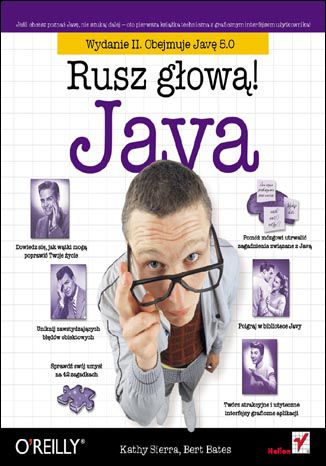
Kathy Sierra, Bert Bates
Jeśli chcesz poznać Javę, nie szukaj dalej — oto pierwsza książka techniczna z graficznym interfejsem użytkownika! Obejmuje Javę 5.0 Technologie oparte na Javie są wszędzie — jeśli piszesz oprogramowanie i jeszcze nie poznałeś Javy, nadszedł czas, by ruszyć głową! Otwórz się na Javę i projektowanie obiektowe. Przystąp do nauki unikalną metodą, wykraczającą poza suche opisy składni oraz sposobów omijania codziennie spotykanych raf programistycznych. To doskonały podręcznik dla osób, które lubią uczyć się nowych języków programowania i nie mają wykształcenia informatycznego lub programistycznego. Zostań fantastycznym programistą i zdobądź wiedzę kompletną: od tworzenia obiektów, po graficzny interfejs użytkownika (GUI), obsługę wyjątków (błędów) oraz komunikację sieciową (gniazda) i wielowątkowość, a nawet pakowanie grupy plików klasowych w jeden plik instalacyjny. Naprzód, głowo! Nikt ci tego nie potrafił wytłumaczyć? Wydaje Ci się, że to problem nie na Twoją głowę? Nie potrzebujesz elektrowstrząsów, żeby pobudzić swój mózg do aktywnego działania. Tylko żadnych gwałtownych gestów! Usiądź wygodnie, otwórz książkę, dopiero teraz się zacznie. Na początek — rusz głową! Precz z nudnymi wykładami i zakuwaniem bez zrozumienia! Nauka to znacznie więcej niż tylko czytanie suchego tekstu. Twój mózg jest niczym głodny rekin, cały czas prący naprzód w poszukiwaniu nowej, apetycznej przekąski. Jak karmimy Twój wygłodniały umysł? Używamy rysunków, bo obraz wart jest 1024 słów. Stosujemy powtórzenia, by zakodować na stałe dane w Twojej chłonnej głowie. Oddziałujemy na emocje, jesteśmy nieprzewidywalni, zaskakujący i zabawni. Stawiamy przed Tobą wyzwania i zadajemy pytania, które angażują Cię w proces studiowania przedstawianych zagadnień. Cały czas pobudzamy Twój umysł do aktywnego działania, zmuszamy go do posłuszeństwa… a za ciężką pracę nagrodzimy go smakowitym ciasteczkiem w postaci wiedzy — wisienka gratis! Rozgryź to sam! Klasy i obiekty Typy danych Pierwszy program w Javie Java API Programowanie obiektowe — dziedziczenie, polimorfizm, interfejsy i klasy abstrakcyjne Metody Obsługa wyjątków Graficzny interfejs użytkownika Operacje wejścia-wyjścia Programowanie sieciowe i RMI
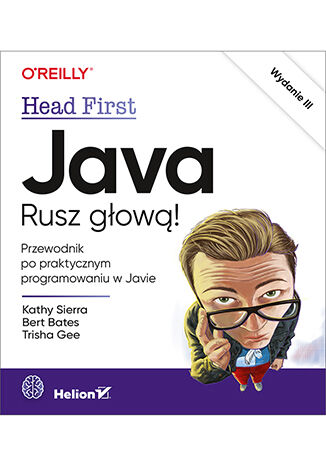
Kathy Sierra, Bert Bates, Trisha Gee
Technologie bazujące na Javie są wszędzie! Od momentu pojawienia się pierwszej wersji Java pociągała programistów ze względu na przyjazną składnię, cechy obiektowe, zarządzanie pamięcią, a przede wszystkim obietnicę przenośności. Mijają lata, a Java wciąż cieszy się ogromną popularnością, jest sukcesywnie rozwijana i używana do coraz to nowszych zastosowań. Wszystko wskazuje na to, że jeszcze długo programiści biegle posługujący się tym językiem będą mieli pełne ręce roboty. Ta książka, podobnie jak inne pozycje z serii Rusz głową!, została przygotowana zgodnie z jedyną w swoim rodzaju metodyką nauczania, wykorzystującą zasady funkcjonowania ludzkiego mózgu. Dzięki zagadkom, tajemnicom do rozwiązania, zabawnym ćwiczeniom i przystępnie podanej wiedzy bez trudu przyswoisz nawet dość złożone koncepcje, takie jak wyrażenia lambda, typy ogólne czy programowanie sieciowe i funkcyjne. Znajdziesz tu zabawne i niekonwencjonalne ilustracje, świetne analogie, pogawędki prowadzone przy kominku przez programistę i kompilator. To wszystko sprawia, że ta pozycja jest absolutnie wyjątkowym i niezwykle skutecznym podręcznikiem! Dzięki książce: błyskawicznie przyswoisz podstawy Javy zagłębisz się w tajniki obiektów, klas i dziedziczenia zrozumiesz istotę wyrażeń lambda, strumieni i kolekcji napiszesz graficzny interfejs użytkownika nauczysz się korzystać z biblioteki Swing zaczniesz rozwiązywać problemy współbieżności i pracować z wątkami To najbardziej zajmująca książka do nauki programowania, jaką kiedykolwiek widziałam! Angie Jones, Java Champion
Java. Techniki zaawansowane. Wydanie IX
Cay S. Horstmann, Gary Cornell
Tajniki języka Java 7! Zastanawiasz się, dlaczego język Java zdobył taką popularność? Przyczyn jest co najmniej kilka: automatyczne zarządzanie pamięcią, możliwość uruchamiania kodu na różnych platformach, ogrom dodatkowych narzędzi oraz wyjątkowo aktywna społeczność. Nie bez znaczenia jest również świetna dokumentacja, wsparcie dla usług sieciowych oraz aktywny rozwój, którego dowodem są kolejne wersje tego języka. Dziewiąte wydanie bestsellerowej pozycji Java. Techniki zaawansowane zostało zaktualizowane i uzupełnione o nowinki z najnowszej wersji języka Java oznaczonej numerem 7. W trakcie lektury dowiesz się, jak wydajnie korzystać ze strumieni, wyrażeń regularnych oraz baz danych. Java 7 to całkowicie nowy, mocno rozbudowany dostęp do plików - opis wszystkich niuansów znajdziesz w tej publikacji. Co jeszcze? Tworzenie aplikacji dla różnych języków i lokalizacji, zaawansowane wykorzystanie biblioteki Swing oraz dystrybucja stworzonych aplikacji. To tylko niektóre z zagadnień poruszonych w tej wyjątkowej książce, która musi się znaleźć na półce każdego programisty języka Java. Poznaj: nowości języka Java 7 zaawansowane techniki korzystania ze strumieni całkowicie nowe metody dostępu do plików techniki łączenia się z bazą danych potencjał języka Java Wykorzystaj w pełni możliwości języka Java 7!
Java. Techniki zaawansowane. Wydanie X
Cay S. Horstmann
Java jest dojrzałym i bezpiecznym językiem programowania, który pozwala na tworzenie kodu działającego niezależnie od platformy. Jest przy tym cały czas konsekwentnie rozwijany przez firmę Oracle. Java w wersji SE 8 stała się innowacyjnym, nowoczesnym narzędziem o imponujących możliwościach. Aby w pełni wykorzystać szanse, które niesie Java SE 8, i tworzyć kod o wysokiej jakości, niezbędne jest pogłębione zrozumienie tego języka i konieczna jest gruntowna znajomość jego bibliotek. Książka ta jest kolejnym, gruntownie zaktualizowanym i przeorganizowanym wydaniem czołowego podręcznika dla poważnych programistów Javy, którzy chcą skorzystać z nowych możliwości języka. W tym drugim z dwóch tomów książki opisano zagadnienia zaawansowane, takie jak API strumieni, biblioteki do obsługi daty, czasu i kalendarzy, zaawansowane zastosowania biblioteki Swing czy zagadnienia związane z bezpieczeństwem. Przedstawiono również najlepsze praktyki programowania aplikacji. Co ważne, prezentacja zagadnień umożliwia ich łatwe zrozumienie i praktyczne zastosowanie. Najważniejsze zagadnienia ujęte w książce: biblioteka strumieni Javy 8 oraz strumienie wejścia-wyjścia tworzenie aplikacji sieciowych pracujących z użyciem protokołu HTTP interfejs JDBC i programowa obsługa baz danych interfejs programowy bezpieczeństwa i wykorzystanie algorytmów szyfrowania interfejs programowy Java 2D Java. Dojrzałe rozwiązania, profesjonalna jakość aplikacji!
Java. Techniki zaawansowane. Wydanie XI
Cay S. Horstmann
Java jest dojrzałym językiem programowania, który pozwala na pisanie kodu dla wielu rodzajów komputerów służących do różnych celów i działających na różnych platformach. Jest świetnym wyborem dla programistów, którym zależy na tworzeniu bezpiecznych aplikacji o wyjątkowej jakości. Wokół Javy skupia się duża społeczność, dzięki której język ten wciąż się rozwija, unowocześnia i wzbogaca o nowe elementy. Osoby, które swoje zawodowe życie wiążą z pisaniem programów w Javie, muszą poznać zaawansowane zagadnienia i mniej oczywiste funkcjonalności Javy, również te niedawno zaimplementowane. To konieczność dla każdego profesjonalnego programisty Javy. Oto kolejne, przejrzane, zaktualizowane i uzupełnione wydanie znakomitego podręcznika dla zawodowych programistów Javy. Znalazł się tu dokładny opis sposobów tworzenia interfejsu użytkownika, stosowania rozwiązań korporacyjnych, sieciowych i zabezpieczeń, a także nowości wprowadzonych w JDK 11. Przedstawiono techniki programowania baz danych oraz umiędzynarodowiania aplikacji Javy. Sporo uwagi poświęcono bibliotece Swing oraz jej wykorzystaniu do tworzenia realistycznej grafiki i efektów specjalnych. Ponadto w książce zostały pokazane nowe możliwości języka - zademonstrowano, jak dzięki nim uzyskać wyjątkową jakość aplikacji, a zamieszczone przykłady opracowano pod kątem zrozumiałości i wartości praktycznej. W tej książce między innymi: API wejścia-wyjścia Javy, serializacja i wyrażenia regularne efektywne korzystanie z usług sieciowych klienty, serwery i pobieranie danych z internetu moduły platformy Javy nowoczesne mechanizmy bezpieczeństwa w Javie Java: nowoczesny styl, najlepsze praktyki, sprawdzone rozwiązania!
Java. Techniki zaawansowane. Wydanie XIII
Cay S. Horstmann
Od ponad trzydziestu lat Java jest wybierana przez programistów, którym zależy na tworzeniu bezpiecznych aplikacji wyjątkowej jakości. Jednak pisanie programów oznacza konieczność posiadania znacznie bardziej zaawansowanej wiedzy niż ta, którą ma przeciętny użytkownik ― trzeba znać język i jego wszystkie, nawet mniej oczywiste funkcjonalności, również te niedawno zaimplementowane. Książka zawiera szczegółowe omówienie Javy 21, programowania korporacyjnego, sieciowego i bazodanowego, a także zagadnień związanych z internacjonalizacją i metodami natywnymi. Dużo miejsca poświęcono obsłudze strumieni, pracy z językiem XML, API dat i czasu, API skryptowemu czy kompilacji. Opisano też sposoby korzystania z biblioteki Swing, tworzenia graficznych interfejsów użytkownika po stronie klienta i generowania obrazów po stronie serwera. Przykłady kodu zostały starannie przetestowane, prezentują nowoczesny styl programowania w Javie i opierają się na najlepszych praktykach. W książce ponadto: najlepsze praktyki pisania niezawodnego kodu w Javie rozszerzone API wejścia-wyjścia, serializacja obiektów i wyrażenia regularne usługi sieciowe, wbudowane serwery Javy i implementacja własnych serwerów API skryptowe i API kompilatora model bezpieczeństwa Javy i funkcje biblioteki bezpieczeństwa nowe API do korzystania z funkcji natywnych i pamięci poza stertą To jest najlepsze kompendium wiedzy o języku Java i o całym ekosystemie Javy! Andrew Binstock, Java Magazine
Michał Suwała
Proszę państwa, oto Java Mówisz: język programowania, myślisz: Java! Jeśli tak, masz rację - ten język niewątpliwie jest filarem współczesnej informatyki. Java należy do czołówki najpopularniejszych technologii i to właśnie nią szczególnie warto się zainteresować na początku nauki kodowania. Książka Java. Teoria w praktyce została pomyślana tak, by krok po kroku przybliżać specyfikę tego języka programowania. Zaczniesz od podstaw - poznasz między innymi główne założenia, zgodnie z którymi działa Java: maszynę wirtualną, zmienne, operatory, instrukcje sterujące i tablice - by następnie przejść do bardziej zaawansowanych zagadnień. Dowiesz się, czym jest programowanie zorientowane obiektowo, zapoznasz się z paradygmatem programowania funkcyjnego i z zagadnieniem przetwarzania strumieniowego. Ponadto nauczysz się: korzystać z plików w swoich programach implementować komunikację z bazą danych stosować w praktyce pojęcia związane z wielowątkowością przetwarzać datę i czas W efekcie będziesz w pełni przygotowany do tego, by zacząć programować w Javie, a przecież o to chodzi!
Rogers Cadenhead
Java jest zorientowanym obiektowo i bezpiecznym językiem programowania. Użytkownicy uważają go za łatwiejszy do nauki od języka C++ i taki, który jednocześnie pozwala na unikanie istotniejszych błędów. W Javie można tworzyć kod działający na dowolnym komputerze lub urządzeniu z maszyną wirtualną Javy, niezależnie od tego, czy jest to serwer z Linuksem, komputer Apple Mac z OS, czy telefon z Androidem. Co ważne, Java jest cały czas konsekwentnie rozwijana przez firmę Oracle. A przy tym wszystkim programowania w Javie można się bardzo szybko nauczyć! Dzięki niniejszej książce bez problemu zrozumiesz wszystkie najważniejsze elementy najnowszej wersji języka Java 8. Dogłębnie poznasz sam język, a także jego podstawowe biblioteki. Książkę podzielono na 21 lekcji, kładąc nacisk na praktyczne aspekty programowania. Właściwie od początku będziesz pisać aplikacje dla różnych środowisk, w tym również mobilnych. Niezależnie od tego, czy dopiero zaczynasz swoją przygodę z programowaniem, czy też już znasz inne języki, dzięki tej książce nabierzesz biegłości w posługiwaniu się Javą i przygotujesz się do rozwijania własnych projektów — nawet tych bardzo ambitnych! W tej książce zawarto: gruntowne podstawy języka Java, opis obiektów Javy, klas, interfejsów i pakietów wyjaśnienie zasad rządzących wątkami, asercją i obsługą wyjątków w Javie opis najbardziej użytecznych klas Javy, w tym klas Swing, do budowy interfejsów graficznych wyjaśnienie specyficznych struktur danych, takich jak listy tablicowe, stosy, mapy, tablice mieszające i zbiory bitów omówienie zaawansowanych funkcji Javy, takich jak obsługa wejścia i wyjścia za pomocą strumieni, domknięcia, korzystanie z baz danych i obsługa kanałów RSS za pomocą XOM wprowadzenie do budowania aplikacji dla urządzeń z Androidem Już za 21 dni możesz być znakomitym programistą Javy!