
Programowanie
Niezależnie czy dopiero rozpoczynacie swoją przygodę z programowaniem, czy jesteście już uznanymi na rynku profesjonalistami, to w kategorii Programowanie na pewno znajdziecie podręczniki, które pomogą Wam w przebiegu pracy, czy też w nauce podstaw programowania.
W książkach z tego działu zawarta jest wiedza zarówno związana z czysto technicznymi sprawami typu składnia języków, ale także z umiejętnościami bardziej "miękkimi" jak obsługa i wykorzystanie pełnych możliwości środowisk programistycznych, czy też projektowanie oprogramowania lub metody numeryczne czy oraz struktury danych.
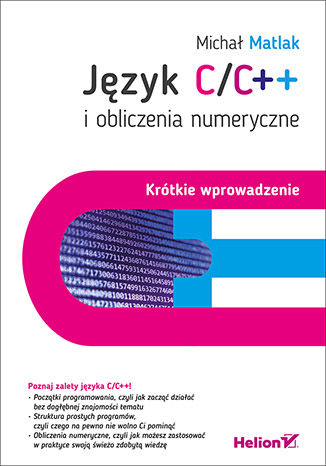
Język C/C++ i obliczenia numeryczne. Krótkie wprowadzenie
Michał Matlak
Poznaj zalety języka C/C++! Początki programowania, czyli jak zacząć działać bez dogłębnej znajomości tematu Struktura prostych programów, czyli czego na pewno nie wolno Ci pominąć Obliczenia numeryczne, czyli jak możesz zastosować w praktyce swoją świeżo zdobytą wiedzę Język C i jego następca C++ towarzyszą programistom komputerowym już od dawna. Mimo to zainteresowanie tymi językami wcale nie maleje, lecz rośnie — i język C++ nadal się rozwija. Przyczyna jest prosta: nie ma on sobie równych, jeśli chodzi o szybkość działania kodu wynikowego i wszechstronne możliwości zastosowania w różnych dziedzinach. Jednak do nauki tego języka trzeba się trochę przyłożyć. Jeśli przerażają Cię opasłe tomy opisujące C/C++ w najdrobniejszych szczegółach, sięgnij po książkę, która pomoże Ci szybko nauczyć się podstaw programowania w tym języku. W tym krótkim, treściwym podręczniku pokazano sposób konstruowania programów obliczeniowych na prostych, przejrzystych przykładach. Dzięki temu także i Ty możesz szybko napisać swój pierwszy program, który ułatwi Ci pracę i odpowie na Twoje konkretne potrzeby. Dowiesz się stąd, jak używać poszczególnych elementów programowania w C/C++ jako przygotowania do pracy z gotowymi bibliotekami numerycznymi. Zobaczysz, jak powinna wyglądać struktura Twojego programu i jak zaimplementować w nim różne funkcje. Sprawdzisz, jak efektywnie uczyć się programowania i na co koniecznie należy zwracać uwagę. Zobacz sam! Szybki start Rodzaje wielkości w języku C/C++ i ich deklaracja Deklaracja tablic Operacje na zadeklarowanych wielkościach Instrukcje warunkowe i sterowanie pracą komputera Automatyzacja obliczeń Architektura programu i pierwsze programy Operacje wyprowadzania wyników Opis programów przykładowych do nauki programowania Wskaźniki, tablice, funkcje, struktury i liczby zespolone Cztery programy przykładowe C/C++ to przepustka do programowania dla każdego!

Alan A. A. Donovan, Brian W. Kernighan
Język Go jest nazywany „językiem C XXI wieku”. Podobnie jak C, umożliwia kompilowanie programów do wydajnego kodu maszynowego, który w natywny sposób współpracuje z poszczególnymi systemami operacyjnymi. Go jest elastycznym narzędziem pozwalającym osiągać maksymalny efekt przy minimalnych środkach. Jest bardzo wszechstronny — bardzo dobrze nadaje się do budowania infrastruktury takiej jak serwery sieciowe, do tworzenia narzędzi dla programistów, ale jest też znakomitym językiem do programowania grafiki, aplikacji mobilnych i uczenia maszynowego. Niniejsza książka jest skierowana do osób, które chcą jak najszybciej rozpocząć tworzenie wydajnego oprogramowania w Go. Autorzy przejrzyście wyjaśnili podstawy tego języka i zasady nim rządzące, a swój wykład uzupełnili setkami interesujących i praktycznych przykładów dobrze napisanego kodu Go. W ten sposób Czytelnik dobrze pozna wszystkie aspekty tego języka, jego najistotniejsze pakiety oraz szeroki zakres zastosowań. W książce omówiono: podstawowe koncepcje Go, jego najważniejsze konstrukcje i elementy strukturalne programu; proste i złożone typy danych, funkcje, metody i interfejsy; zasady współbieżności implementowanej w Go; kompilacja i formatowanie programu w Go; korzystanie z pakietów oraz z bibliotek testowania; zagadnienia zaawansowane: korzystanie z refleksji i programowanie niskiego poziomu. Poznaj język Go — doskonałe narzędzie dla profesjonalisty!
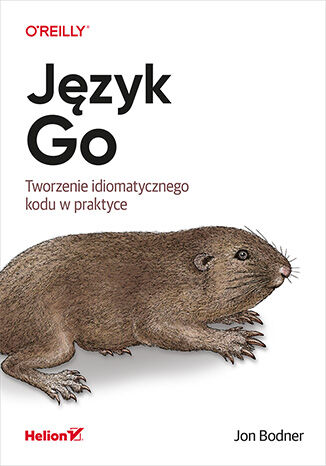
Język Go. Tworzenie idiomatycznego kodu w praktyce
Jon Bodner
Go pojawił się w 2009 roku, służy do tworzenia usług internetowych. Pozwala na łatwe pisanie wydajnych aplikacji. Zdobył popularność, jednak wielu programistów nie wykorzystuje w pełni jego możliwości. Dotyczy to zwłaszcza osób, które przy pisaniu kodu Go korzystają z konstrukcji właściwych dla innych języków. Nie jest to właściwa metoda programowania. Aby tworzyć przejrzysty, prawidłowy kod w Go, należy do niego podejść w sposób idiomatyczny. Ten praktyczny przewodnik jest przeznaczony dla osób, które chcą się nauczyć myśleć jak rasowi programiści Go. Dzięki niemu zaczniesz pisać idiomatyczny kod w Go, co pozwoli Ci optymalnie wykorzystywać możliwości tego języka. Dowiesz się, jak wygląda środowisko programistyczne Go i w jaki sposób przygotować je do pracy, również zespołowej. Przeanalizujesz kwestie zmiennych, typów, struktur sterujących i funkcji Go i być może odkryjesz subtelne niuanse odróżniające ten język od innych. Zapoznasz się także ze sprawdzonymi wzorcami projektowymi i przekonasz się, że naprawdę warto je stosować we własnym kodzie. Osobny rozdział poświęcono przyszłej implementacji typów sparametryzowanych i jej integracji z istniejącymi mechanizmami języka. W książce: czym jest idiomatyczny kod w języku Go najlepsze wzorce projektowe w Go przygotowanie i konfiguracja środowiska programistycznego zastosowanie mechanizmu refleksji, a także pakietów unsafe i cgo tworzenie wydajnego kodu w Go możliwe problemy, ich unikanie i rozwiązywanie Poznaj Go: nudny język do pisania fascynujących programów!
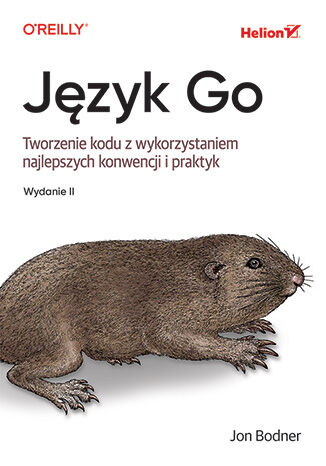
Język Go. Tworzenie kodu z wykorzystaniem najlepszych konwencji i praktyk. Wydanie II
Jon Bodner
Go bardzo szybko upowszechnił się wśród twórców usług sieciowych. Jednak zaznajomienie się z jego składnią nie wystarczy programistom, którzy używają innych języków. Poprzestanie na takiej pobieżnej nauce powoduje nieświadome stosowanie wzorców, które w kontekście Go nie mają sensu. Aby skorzystać w pełni z potencjału tego języka, trzeba się nauczyć pisać idiomatyczny kod. Niezależnie od poziomu doświadczenia ten praktyczny przewodnik ułatwi Ci opanowanie Go. Znajdziesz tu kluczowe informacje, dzięki którym nauczysz się tworzyć przejrzysty, idiomatyczny kod w Go i myśleć jak programista Go. To wydanie uwzględnia nowości, które zostały udostępnione w ciągu ostatnich trzech lat: nowe funkcjonalności, narzędzia i biblioteki. Wyjaśniono tu stosowanie takich usprawnień jak strukturalne rejestrowanie danych, fuzzing, przestrzenie robocze i sprawdzanie pod kątem luk w zabezpieczeniach. Dokładniej opisano ekosystem narzędzi Go i wzbogacono to omówienie ćwiczeniami i przykładami. Jeśli chcesz pisać idiomatyczny kod Go, który będzie niezawodny, trwały i łatwy w późniejszej obsłudze technicznej ― to książka dla Ciebie! W książce: idiomatyczny kod Go przygotowanie środowiska programistycznego Go stosowanie refleksji oraz modułów unsafe i cgo zapewnianie efektywnego działania kodu optymalizacja użycia pamięci zaawansowane narzędzia programistyczne Go Książka rzeczowo wyjaśnia najważniejsze cechy języka i omawia dobre wzorce projektowe. Aaron Schlesinger, starszy inżynier, Microsoft
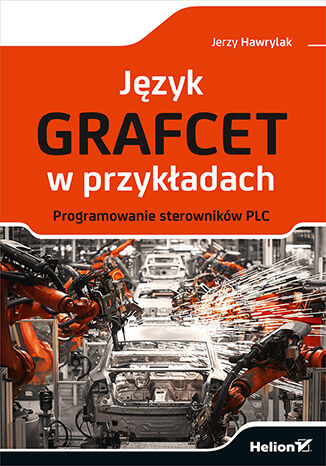
Język GRAFCET w przykładach. Programowanie sterowników PLC
Jerzy Hawrylak
Zaprogramuj sterowniki z wykorzystaniem języka GRAFCET Jednym z najważniejszych urządzeń stosowanych w automatyce przemysłowej jest sterownik PLC. Zawiera on układ mikroprocesorowy, który umożliwia kierowanie pracą maszyny, linią produkcyjną, oświetleniem hali lub innymi urządzeniami elektrycznymi. Sterowniki PLC mają mnóstwo zalet: są niewielkie, wysoce niezawodne, proste w serwisowaniu, wymagają małej mocy zasilania, a przy tym pozwalają realizować złożone funkcje sterowania i regulacji. Wszystkie ich cechy gwarantują, że urządzenia te zostaną z nami na długo, a wiedzę dotyczącą programowania sterowników PLC opanować powinien każdy absolwent szkoły kształcącej przyszłych mechatroników i automatyków. Ten podręcznik programowania sterowników PLC skupia się na urządzeniu Siemensa S7-1200 i środowisku TIA Portal V.16. Jednak jego treść będzie zrozumiała i przydatna również dla osób programujących inne urządzenia w odmiennych środowiskach. Podczas pracy z książką skupimy się na języku GRAFCET. Pozwala on na proste opisanie systemu odnoszącego się do urządzenia lub procesu technologicznego pracującego sekwencyjnie. Po przekształceniu diagramu GRAFCET na język graficzny drabinkowy LD lub funkcjonalny schemat blokowy FBD możliwe jest wgranie programu do sterownika PLC i sterowanie maszyną lub procesem. Pokazano tu wiele prostych przykładów konwersji tego typu. Każdy zawiera schemat układu sterowania, podłączenie wejść i wyjść do sterownika PLC, diagram GRAFCET, a także program w języku drabinkowym LD, dzięki czemu zrozumienie tematu jest łatwiejsze.
Język inżynierii systemów SysML. Architektura i zastosowania. Profile UML 2.x w praktyce
Stanisław Wrycza, Bartosz Marcinkowski
SysML, czyli System Modeling Language, to nowy obiektowy język modelowania systemów. W prostej linii wywodzi się on z języka UML, który stanowił do tej pory swego rodzaju standard w inżynierii oprogramowania. SysML został dostosowany do specyficznych potrzeb inżynierów systemowych, zajmujących się projektami w sposób całościowy. Pozwala na specyfikację, analizę, projektowanie i weryfikację złożonych systemów różnego rodzaju, a dzięki swoim dużym możliwościom i elastyczności w ciągu kilku lat zdołał zdobyć liczną rzeszę profesjonalnych użytkowników. Opanowanie arkanów posługiwania się tym narzędziem ułatwi książka "Język inżynierii systemów SysML. Architektura i zastosowania. Profile UML 2.x w praktyce". Pierwsza na polskim rynku pozycja poświęcona SysML stanowi jednocześnie doskonałe wprowadzenie w zagadnienia inżynierii systemowej, zawiera szczegółowy opis architektury języka oraz prezentuje najważniejsze koncepcje związane z jego zastosowaniem. Książka niemal w całości przedstawia różnego typu diagramy, a zamieszczone w niej dodatki ułatwią zrozumienie nawet najbardziej skomplikowanych zagadnień i umożliwią sprawne poruszanie się po treści oraz uzupełnienie wiedzy w oparciu o publikacje innych autorów. Struktura, historia i zastosowania języka SysML Diagram wymagań systemowych Diagram definiowania bloków Diagram bloków wewnętrznych Diagram parametryczny Rozszerzony diagram czynności Diagramy UML4SysML Poznaj język SysML, opierając się na wiedzy najlepszych specjalistów w tej dziedzinie!
Jared P. Lander
Obliczenia statystyczne dla programistów, naukowców, analityków, użytkowników Excela i innych Przy użyciu języka R możesz budować skuteczne modele statystyczne i znaleźć odpowiedzi na wiele spośród najtrudniejszych pytań. Tworzony w ramach open source język R tradycyjnie uważany jest za trudny do opanowania dla nie-statystyków, zaś większość dostępnych książek zakłada zbyt dużą już obecną wiedzę na ten temat, aby były prawdziwie pomocne. Rozwiązaniem tego problemu jest ten tytuł: R dla każdego. Opierając się na swoich rozległych doświadczeniach w nauczaniu nowych użytkowników, Jared P. Lander przygotował doskonały tutorial dla każdego, kto dopiero wkracza w świat programowania i modelowania statystycznego. Przewodnik ten, zaplanowany tak, aby nauka była prosta i intuicyjna, skupia się na tych 20 procentach funkcjonalności R, których potrzebujemy, aby móc zrealizować 80 procent nowoczesnych zadań. Wykład rozpoczyna się od absolutnych podstaw, oferując liczne ćwiczenia praktyczne i przykładowy kod. Trzeba pobrać i zainstalować R; poznać środowisko; opanować podstawowe sterowanie programu, importowanie danych, przetwarzanie ich i wizualizację, a także wykonywanie podstawowych testów. Następnie na tym fundamencie można konstruować pełne modele, zarówno liniowe, jak i nieliniowe i używać technik drążenia danych. A na koniec sprawimy, aby nasz kod był reprodukowalny przy użyciu LaTeX, RMarkdown oraz Shiny. Po ukończeniu lektury nie będziesz po prostu wiedział, jak pisać programy w R będziesz gotów rozwiązywać problemy statystyczne, na których ci zależy. JARED P. LANDER zajmuje stanowisko Chief Data Scientist w Lander Analytics, zlokalizowanej w Nowym Jorku firmie specjalizującej się w analizach statystycznych i usługasz szkoleniowych, jednej z organizatorów New York Open Statistical Programming Meetup największego na świecie spotkanie użytkowników i twórców R oraz New York R Conference. Jest wykładowcą statystyki na Uniwersytecie Columbia. Posiadając dyplom M.A. z Uniwersytetu Columbia w dziedzinie statystyki oraz B.S. z matematyki uzyskany w Muhlenberg College, ma doświadczenie zarówno w badaniach naukowych, jak i komercyjnych zastosowaniach. Jared często występuje na różnorodnych konferencjach i spotkaniach na całym świecie. Jego artykuły na temat statystyki można znaleźć na stronie jaredlander.com. Jego prace są cytowane w takich czasopismach, jak Forbes i Wall Street Journal.
Język R i analiza danych w praktyce. Wydanie II
Nina Zumel, John Mount
Analiza danych albo nauka o danych jest interdyscyplinarną dziedziną, dzięki której hipotezy i dane przekształca się w zrozumiałe przewidywania. Predykcyjna analiza danych przynosi wymierne korzyści w wielu dziedzinach, od polityki począwszy, a na udzielaniu kredytów skończywszy. Osobą odpowiedzialną za tę magię jest analityk danych - człowiek, który zbiera i przygotowuje dane, wybiera technikę modelowania, pisze kod, weryfikuje wyniki swojej pracy, wreszcie komunikuje je interesariuszom. Jak widać, profesja analityka danych jest wyjątkowo atrakcyjna i wyjątkowo wymagająca. Aby określić umiejętności praktyczne wymagane w zawodzie analityka danych, najlepiej prześledzić realizacje konkretnych projektów z wykorzystaniem rzeczywistych danych. Ta książka jest samouczkiem prezentującym praktyczne aspekty dziesiątek technik, które wykorzystują profesjonalni analitycy danych. Główny nacisk autorzy położyli na zadania: ich zaplanowanie, przygotowanie, realizację i prezentację wyników. Dzięki praktycznemu podejściu z tej pozycji skorzystają zarówno analitycy biznesowi, jak i badacze danych. Pokazano tu, w jakich przypadkach i w jaki sposób należy stosować techniki statystyczne oraz metody uczenia maszynowego. W każdym rozdziale omówiono nowe narzędzia w kontekście rzeczywistych, praktycznych projektów. W rezultacie powstał potężny zbiór przydatnych ćwiczeń napisanych w języku R, opatrzonych wartościowymi wskazówkami, komentarzami i podpowiedziami. W książce między innymi: zasady zarządzania procesem analizy danych zadania analityka danych przekształcanie danych w celu przygotowania ich do analizy techniki statystyczne i metody uczenia maszynowego w języku R zaawansowane metody modelowania tajniki skutecznego prezentowania wyników analiz R: jesteś gotów na właściwe wyniki analizy danych?