
Programowanie

Język R. Receptury. Analiza danych, statystyka i przetwarzanie grafiki. Wydanie II
JD Long, Paul Teetor
Język R jest potężnym narzędziem używanym w statystyce, przetwarzaniu grafiki i programowaniu statystycznym; stanowi konkurencję dla komercyjnych systemów do obliczeń tego rodzaju. Zawiera wszystkie narzędzia, których potrzebują statystycy. Równocześnie jest to specyficzny język, przez co jego użytkowanie może sprawiać problemy. Zarówno proste, jak i złożone zadania są łatwe do wykonania, jeśli tylko wiadomo, w jaki sposób je zrobić. Jeżeli jednak trzeba stopniowo dochodzić do właściwego rozwiązania, może to kosztować sporo cierpliwości i zniechęcać. Oto zbiór 275 receptur instruktażowych, z których każda pomaga w rozwiązaniu konkretnego problemu. Wszystkie zostały starannie przetestowane i wielokrotnie dowodziły swojej przydatności. Każda z omawianych receptur została poprzedzona krótkim wprowadzeniem i omówieniem zastosowanych mechanizmów działania. Nie jest to klasyczny podręcznik programowania, jednak z pewnością przyśpieszy naukę praktycznego wykorzystania możliwości R. Jeśli masz już pewne doświadczenie z tym językiem, odświeżysz swoją wiedzę i uzyskasz szerszą perspektywę. Wśród receptur znajdziesz obejmujące szeroki zakres zadania - od podstawowych operacji na danych wejściowych i wyjściowych, poprzez statystykę ogólną, aż po grafikę i regresję liniową. Dowiesz się również, jak wykorzystać język R do wizualizacji danych za pomocą ciekawych wykresów graficznych. W tej książce między innymi: przygotowywanie danych wejściowych i upraszczanie danych wyjściowych macierze, listy, wektory czynnikowe, ramki danych testy statystyczne, przedziały ufności, prawdopodobieństwa modele statystyczne z wykorzystaniem regresji liniowej i analizy wariancji stosowanie zaawansowanych technik statystycznych R: błyskawicznie osiągniesz znakomite wyniki!
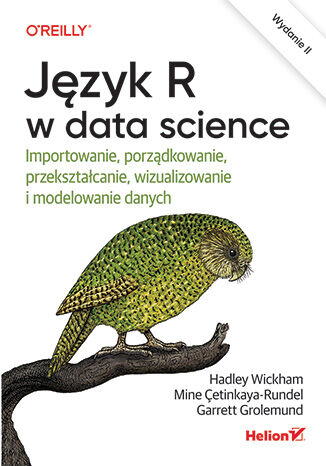
Hadley Wickham, Mine Çetinkaya-Rundel, Garrett Grolemund
Aby w pełni wykorzystać potencjał danych i przekształcać je w wartościową wiedzę, musisz się posługiwać odpowiednimi narzędziami. Szczególnie przyda Ci się znajomość języka R, który pozwala na efektywne wykonywanie zadań, od importowania surowych danych po komunikowanie uzyskanych wyników w zrozumiały sposób. Oto drugie, zaktualizowane wydanie znakomitego przewodnika dla analityków danych. Dzięki niemu dowiesz się, w jaki sposób używać języka R do importowania, przekształcania i wizualizowania danych, a także do przekazywania uzyskanych wyników analizy. Nauczysz się też rozwiązywać najczęściej występujące problemy, a liczne ćwiczenia ułatwią Ci utrwalenie zdobytej wiedzy. Omówiono tu najnowsze funkcje języka i najlepsze praktyki w data science. Zaprezentowano również zasady korzystania z wielu bibliotek języka R, na przykład tidyverse, służącej do pobierania informacji z różnych źródeł. Dzięki tej książce nauczysz się: wizualizować, czyli tworzyć wykresy na potrzeby eksploracji danych przekształcać, czyli pracować z różnymi typami zmiennych importować, czyli pobierać dane w formie wygodnej do analizy programować, czyli rozwiązywać problemy z danymi za pomocą języka R przekazywać informacje, czyli pracować z użyciem Quarto To zaskakująco dobra aktualizacja światowej klasy przewodnika po danologii z użyciem języka R! Emma Rand, University of York

Języki i paradygmaty programowania. Teoria i praktyka
Feliks Kurp
Czym w rzeczywistości jest programowanie? I jak zacząć programować? Oprogramowanie jest dziś praktycznie wszędzie, a programiści od dawna należą do najbardziej poszukiwanych specjalistów. Na podstawie napisanego przez nich kodu funkcjonują już nie tylko komputery i smartfony. Oprogramowanie steruje sprzętami domowymi, telewizorem czy lodówką. W ramach tak zwanego internetu rzeczy wiele urządzeń technicznych komunikuje się między sobą bez udziału człowieka. Gwałtownie rozwija się sztuczna inteligencja, wymagająca specjalistycznego oprogramowania. Nie dziwi więc, że jego rozwój ciągle przyspiesza. W obliczu tych faktów odpowiedź na pytanie, jakiego języka programowania warto się nauczyć, jest trudna. Nawet dla osoby, która wie, w jaki sposób zamierza w przyszłości korzystać ze swoich informatycznych umiejętności. Autor książki proponuje nieco inne podejście do nauki programowania. Zachęca do zapoznania się z podstawowymi własnościami i możliwymi zastosowaniami kilku odległych od siebie, ale niezwykle ważnych aktualnie języków programowania, takich jak Python, Java SE, JavaScript i Prolog. W trakcie ich poznawania czytelnicy będą mieli okazję zgłębić filozofię programowania, a równocześnie zdobywać praktyczne umiejętności programistyczne na podstawowym poziomie. Starannie dobrany kod pokazuje możliwe zastosowania wybranych języków programowania. Pomoc w nauce stanowią też zadania do samodzielnego rozwiązania.
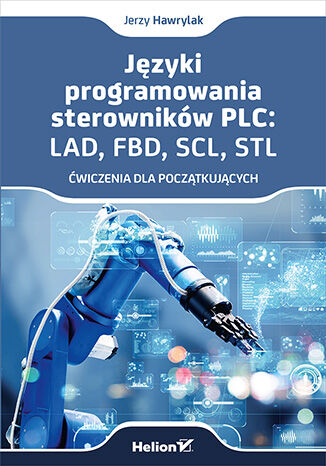
Języki programowania sterowników PLC: LAD, FBD, SCL, STL. Ćwiczenia dla początkujących
Jerzy Hawrylak
Sterownik PLC (ang. programmable logic controller) to jedno z najważniejszych urządzeń stosowanych w automatyce przemysłowej. Zawiera układ mikroprocesorowy pozwalający sterować pracą maszyn, linii produkcyjnych, oświetlenia i innych urządzeń elektrycznych w przemyśle, ale nie tylko. Tego typu sterowniki kierują również pracą sygnalizacji świetlnej, wind, systemów inteligentnego domu, czyli są niezbędne do naszego codziennego funkcjonowania. Sterownik PLC operuje w zamkniętej pętli programowej, wykonując zapętlony ciąg rozkazów. By tak się stało, wcześniej musi zostać zaprogramowany. Instrukcje dla sterowników PLC pisze się najczęściej w językach LAD lub FDB, czasem także w SCL i STL. Ten podręcznik, przeznaczony przede wszystkim dla adeptów mechatroniki i automatyki, uczy tego, opierając się na prostych praktycznych przykładach, ułatwiających zrozumienie zagadnień teoretycznych. Programy w językach LAD, FBD, SCL napisano dla sterownika Siemensa S7-1200 i środowiska TIA PORTAL BASIC V16. Przy czym wiele rozwiązań ma charakter uniwersalny i można je zastosować również do innych sterowników. Przykłady programów w języku STL zostały napisane dla sterownika Siemensa S7-1500 i środowiska TIA PORTAL PROFESSIONAL V16.
Jobin Kuruvilla
JIRA provides issue tracking and project tracking for software development teams to improve code quality and the speed of development.JIRA 5.x Development Cookbook is a one stop resource to master extensions and customizations in JIRA. You will learn how to create your own JIRA plugins, customize the look and feel of your JIRA UI, work with workflows, issues, custom fields, and much more.JIRA 5.x Development Cookbook starts with recipes on simplifying the plugin development process followed by a complete chapter dedicated to the plugin framework to master plugins in JIRA.Then we will move on to writing custom field plugins to create new field types or custom searchers. We then learn how to program and customize workflows to transform JIRA into a user friendly system.Reporting support in an application like JIRA is inevitable! With so much data spanning across different projects, issues, and so on, and a lot of planning done for the project, we will cover how to work on reports and gadgets to get customized data according to our needs.We will then look at customizing the various searching aspects of JIRA such as JQL, searching in plugins, managing filters, and so on.JIRA 5.x Development Cookbook steers towards programming issues, such as creating, editing, and deleting issues, creating new issue operations, managing the various other operations available on issues via the JIRA APIs, and so on.In the latter half of JIRA 5.x Development Cookbook, you will learn how to customize JIRA by adding new tabs, menus, and web items, communicate with JIRA via the REST, SOAP or XML/RPC interfaces, and work with the JIRA database.The book ends with a chapter on useful and general JIRA recipes.
Patrick Li
Atlassian Jira enables effective bug tracking for your software and mobile applications and provides tools to track and manage tasks for your projects. Jira Essentials is a comprehensive guide, now updated to Jira 8 to include enhanced features such as updates to Scrum and Kanban UI, additional search capabilities, and changes to Jira Service Desk.The book starts by explaining how to plan and set up a new Jira 8 instance from scratch before getting you acquainted with key features such as emails, workflows, business processes, and much more. You'll then understand Jira's data hierarchy and how to design and work with projects.Since Jira is used for issue management, this book delves into the different issues that can arise in your projects. You’ll explore fields, including custom fields, and learn to use them for more effective data collection. You’ll create new screens from scratch and customize them to suit your requirements. The book also covers workflows and business processes, and guides you in setting up incoming and outgoing mail servers. Toward the end, you’ll study Jira's security model and Jira Service Desk, which allows you to run Jira as a support portal.By the end of this Jira book, you will be able to implement Jira 8 in your projects with ease.

Patrick Li
This new and improved sixth edition comes with the latest Jira 8.21 Data Center offerings, with enhanced features such as clustering, advanced roadmaps, custom field optimization, and tools to track and manage tasks for your projects. This comprehensive guide to Jira 8.20.x LTS version provides updated content on project tracking, issue and field management, workflows, Jira Service Management, and security.The book begins by showing you how to plan and set up a new Jira instance from scratch before getting you acquainted with key features such as emails, workflows, and business processes. You’ll also get to grips with Jira’s data hierarchy and design and work with projects. Since Jira is used for issue management, this book will help you understand the different issues that can arise in your projects. As you advance, you’ll create new screens from scratch and customize them to suit your requirements. Workflows, business processes, and guides on setting up incoming and outgoing mail servers will be covered alongside Jira’s security model and Jira Service Management. Toward the end, you’ll learn how Jira capabilities are extended with third-party apps from Atlassian marketplace.By the end of this Jira book, you’ll have understood core components and functionalities of Jira and be able to implement them in business projects with ease.
Patrick Li
If you want to get started with JIRA Agile and learn how to run your JIRA projects the agile way, then this is the perfect book for you. You will need to be familiar with the basics of JIRA, both from an end user's and an administrator's perspective. Experience with workflows, custom fields, and other administrative functions of JIRA will be useful.