
Programowanie
Niezależnie czy dopiero rozpoczynacie swoją przygodę z programowaniem, czy jesteście już uznanymi na rynku profesjonalistami, to w kategorii Programowanie na pewno znajdziecie podręczniki, które pomogą Wam w przebiegu pracy, czy też w nauce podstaw programowania.
W książkach z tego działu zawarta jest wiedza zarówno związana z czysto technicznymi sprawami typu składnia języków, ale także z umiejętnościami bardziej "miękkimi" jak obsługa i wykorzystanie pełnych możliwości środowisk programistycznych, czy też projektowanie oprogramowania lub metody numeryczne czy oraz struktury danych.
Learning Website Development with Django
Ayman Hourieh
Being a beginner's guide this book has a very simple and clear approach. It is a practical guide that will help you learn the features of Django and help you build a dynamic website using those features. This book is for web developers who want to see how to build a complete site with Web 2.0 features, using the power of a proven and popular development system, but do not necessarily want to learn how a complete framework functions in order to do this. Basic knowledge of Python development is required for this book, but no knowledge of Django is expected.
Michael Quandt
With the recent success of a lot of smaller games, game development is quickly becoming a great field to get in to. Mobile and PC games are on the rise, and having a way to create a game for all types of devices without rewriting everything is a huge benefit for the new Windows 8 operating system. In this book, you will learn how to use cutting-edge technologies like DirectX and tools that will make creating a game easy. This book also allows you to make money by selling your games to the world.Learning Windows 8 Game Development teaches you how to create exciting games for tablets and PC on the Windows 8 platform. Make a game, learn the techniques, and use them to make the games you want to play. Learn about graphics, multiplayer options, how to use the Proximity + Socket APIs to add local multiplayer, how to sell the game outright, and In-App Purchases.Learning Windows 8 Game Development guides you from the start of your journey all the way to developing games for Windows by showing you how to develop a game from scratch and sell it in the store.With Learning Windows 8 Game Development, you will learn how to write the code required to set everything up, get some graphics on screen, and then jump into the fun part of adding gameplay to turn a graphics sample into a proper game. From there, you'll look at how to add awesome features to your game like networking, motion controls, and even take advantage of new Windows 8 features like live tiles and sharing to make your players want to challenge their friends and keep playing.This book wraps up by covering the only way a good game can finish development: by shipping the game on the Windows Store. You'll look at the things to remember to make certification painless and some great tips on how to market and sell your game to the public.
Learning Xcode 8. Learn to build iOS Applications with Xcode 8
Jak Tiano
Over the last few years, we’ve seen a breakthrough in mobile computing and the birth of world-changing mobile apps. With a reputation as one of the most user-centric and developer-friendly platforms, iOS is the best place to launch your next great app idea. As the official tool to create iOS applications, Xcode is chock full of features aimed at making a developer’s job easier, faster, and more fun.This book will take you from complete novice to a published app developer, and covers every step in between. You’ll learn the basics of iOS application development by taking a guided tour through the Xcode software and Swift programming language, before putting that knowledge to use by building your first app called “Snippets.” Over the course of the book, you will continue to explore the many facets of iOS development in Xcode by adding new features to your app, integrating gestures and sensors, and even creating an Apple Watch companion app. You’ll also learn how to use the debugging tools, write unit tests, and optimize and distribute your app. By the time you make it to the end of this book, you will have successfully built and published your first iOS application.
Learning Yii Testing. Embrace 360-degree testing on your Yii 2 projects using Codeception
Matteo Pescarin
Developers who have a solid pre-existing knowledge of Yii's core concepts will find this book an ideal introduction to learning to write tests using Yii 2's tools. You'll learn to create faster and more reliable applications with less time and effort.
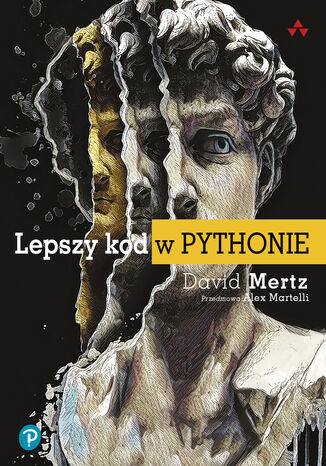
Lepszy kod w Pythonie. Przewodnik dla aspirujących ekspertów
David Mertz
Wyjdź poza kod Pythona, który "w dużej mierze działa", do kodu, który jest ekspresyjny, solidny i wydajny Python jest zapewne najczęściej używanym językiem programowania na świecie, od nauczania w szkołach podstawowych, przez codzienne tworzenie stron internetowych, aż po najbardziej zaawansowane badania naukowe. Choć każde zadanie w Pythonie można wykonać na wiele różnych sposobów, niektóre z nich są błędne, nieeleganckie lub nieefektywne. Lepszy kod w Pythonie to przewodnik po programowaniu "pythonicznym", zbiór najlepszych praktyk, technik i niuansów, które łatwo przeoczyć, zwłaszcza gdy mamy nawyki zapożyczone z innych języków programowania. Autor David Mertz prezentuje konkretne i zwięzłe przykłady rozmaitych nieporozumień, pułapek i złych nawyków. Wyjaśnia, dlaczego niektóre praktyki są lepsze od innych, bazując na swoim ponad 25-letnim doświadczeniu jako uznany członek społeczności Pythona. Rozdziały ułożone są w kolejności rosnącej według stopnia zaawansowania, a każdy z nich szczegółowo omawia powiązane grupy pojęć. Nie ma znaczenia, czy dopiero zaczynasz pracę z Pythonem, czy też jesteś doświadczonym deweloperem przesuwającym granice swojego kodu w Pythonie. Ta książka jest dla każdego, kto chce być bardziej pythoniczny pisząc lepszy kod w języku Python. Dr David Mertz od ponad 25 lat jest członkiem społeczności Pythona i uczył Pythona naukowców, deweloperów z doświadczeniem w innych językach, a także początkujących programistów. David przez sześć lat był dyrektorem organizacji Python Software Foundation (PSF) i nadal przewodniczy lub należy do różnych grup roboczych PSF. Jest autorem kilku książek technicznych i wygłaszał wykłady na licznych międzynarodowych konferencjach programistycznych. "Moje wysokie oczekiwania wobec tej wciągającej książki o Pythonie zostały przekroczone: oferuje ona mnóstwo cennych informacji dla średnich i zaawansowanych programistów pozwalając im udoskonalić swoje umiejętności w Pythonie, obszernie dzieli się cennym doświadczeniem związanym z wykorzystywaniem i nauczaniem języka, a przy tym jest zwięzła, łatwa w czytaniu i pisana stylem konwersacyjnym. Alex Martelli Używaj właściwego rodzaju pętli w Pythonie Poznaj tajniki obiektów zmiennych i niezmiennych Uzyskaj porady od ekspertów w celu uniknięcia kłopotów w Pythonie Zbadaj zaawansowane tematy dotyczące Pythona Poruszaj się po "atrakcyjnych uciążliwościach", które istnieją w Pythonie Poznaj najbardziej przydatne struktury danych w Pythonie i dowiedz się, jak uniknąć ich niewłaściwego wykorzystywania Unikaj błędów związanych z bezpieczeństwem Poznaj podstawy obliczeń numerycznych, w tym liczby zmiennoprzecinkowe i numeryczne typy danych
Piotr Filipowicz
If you are a Java developer or administrator with a technical background and want to install and configure Liferay Portal as an enterprise intranet, this is the book for you. In short, reusable recipes help you realize business goals as working features in Liferay. This book will also give you useful hints on how to easily improve the default functionality of the system and its performance.
Gilberto Tadeu Garcia Jun
Developing secure web applications is one of the most important tasks developers have to deal with. With Lift, it is easy to create solid and formidable web applications as it is the most secure web framework available today. The View-First approach and being able to handle things as purely data transformation, makes working with Lift an exciting task.Lift Application Development Cookbook teaches you how to build web applications using this amazing framework. The book moves gradually, starting with the basics (starting a new project, submitting a form, and so on) before covering more advanced topics such as building a REST API and integrating your application with other technologies and applications.Lift Application Development Cookbook takes you on a journey of creating secure web applications. Step-by-step instructions help you understand how things work and how various elements relate to each other.You'll learn different ways to process a form, build dynamic HTML pages, and create an API using REST. You'll also learn how to work with relational and NoSQL databases and how to integrate your application with other technologies as well as with third-part applications such as Gmail and Facebook.By the end of the book, you will be able to understand how Lift works and be able to build web applications using this amazing and exciting framework.
Prashant Kumar Mishra
Azure Synapse Analytics, which Microsoft describes as the next evolution of Azure SQL Data Warehouse, is a limitless analytics service that brings enterprise data warehousing and big data analytics together. With this book, you'll learn how to discover insights from your data effectively using this platform.The book starts with an overview of Azure Synapse Analytics, its architecture, and how it can be used to improve business intelligence and machine learning capabilities. Next, you'll go on to choose and set up the correct environment for your business problem. You'll also learn a variety of ways to ingest data from various sources and orchestrate the data using transformation techniques offered by Azure Synapse. Later, you'll explore how to handle both relational and non-relational data using the SQL language. As you progress, you'll perform real-time streaming and execute data analysis operations on your data using various languages, before going on to apply ML techniques to derive accurate and granular insights from data. Finally, you'll discover how to protect sensitive data in real time by using security and privacy features.By the end of this Azure book, you'll be able to build end-to-end analytics solutions while focusing on data prep, data management, data warehousing, and AI tasks.