
Programowanie
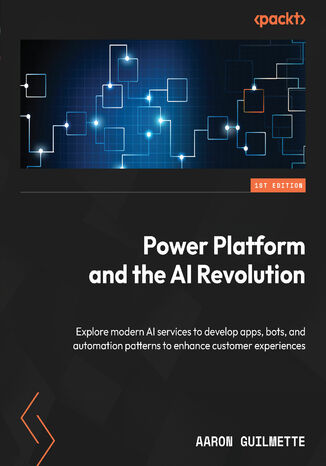
Aaron Guilmette
In this AI era, employing leading machine learning and AI models such as ChatGPT for responding to customer feedback and prototyping applications is crucial to drive business success in the competitive market. This book is an indispensable guide to integrating cutting-edge technology into business operations and leveraging AI to analyze sentiment at scale, helping free up valuable time to enhance customer relationships.Immerse yourself in the future of AI-enabled application development by working with Power Automate, Power Apps, and the new Copilot Studio. With this book, you’ll learn foundational AI concepts as you explore the extensive capabilities of the low-code Power Platform. You’ll see how Microsoft's advanced machine learning technologies can streamline common business tasks such as extracting key data elements from customer documents, reviewing customer emails, and validating passports and drivers’ licenses. The book also guides you in harnessing the power of generative AI to expedite tasks like creating executive summaries, building presentations, and analyzing resumes. You’ll build apps using natural language prompting and see how ChatGPT can be used to power chatbots in your organization.By the end of this book, you’ll have charted your path to developing your own reusable AI automation patterns to propel your business operations into the future.
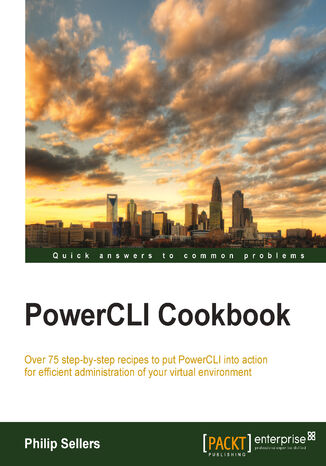
Philip Brandon Sellers
If you are a virtualization professional who wants to unleash the power of automation and combat the complexity of sprawling virtual environments, this book is ideal for you. This book will enhance your skills of administering VMware vSphere and vCloud Director with PowerCLI.
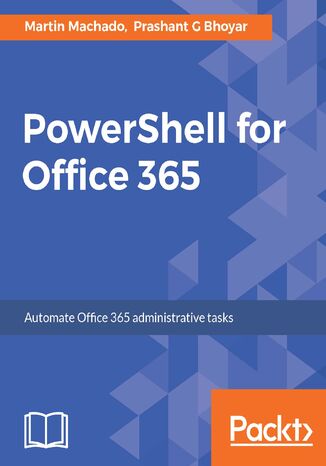
PowerShell for Office 365. Automate Office 365 administrative tasks
Martin Machado
While most common administrative tasks are available via the Office 365 admin center, many IT professionals are unaware of the real power that is available to them below the surface. This book aims to educate readers on how learning PowerShell for Offi ce 365 can simplify repetitive and complex administrative tasks, and enable greater control than is available on the surface.The book starts by teaching readers how to access Offi ce 365 through PowerShell andthen explains the PowerShell fundamentals required for automating Offi ce 365 tasks.You will then walk through common administrative cmdlets to manage accounts, licensing, and other scenarios such as automating the importing of multiple users,assigning licenses in Office 365, distribution groups, passwords, and so on.Using practical examples, you will learn to enhance your current functionalityby working with Exchange Online, and SharePoint Online using PowerShell. Finally,the book will help you effectively manage complex and repetitive tasks (such aslicense and account management) and build productive reports.By the end of the book, you will have automated major repetitive tasks in Office365 using PowerShell.
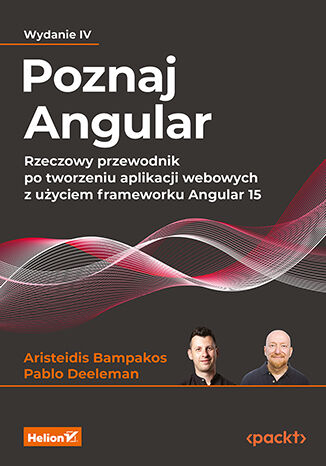
Aristeidis Bampakos, Pablo Deeleman
Angular od lat jest uważany za wiodącą platformę programistyczną JavaScript. Profesjonalistom ułatwia tworzenie poprawnego, czystego kodu, umożliwia bezproblemowe testowanie, a sama praca z nim jest przyjemna, efektywna i satysfakcjonująca. Aby w pełni skorzystać z możliwości Angulara, koniecznie trzeba się zapoznać z architekturą jego aplikacji, a także z modułami i komponentami. Ta książka szczególnie przyda się osobom, które rozpoczynają pracę z Angularem. Dzięki niej szybko zaczniesz tworzyć aplikacje z wykorzystaniem wiersza poleceń (CLI), pisać testy jednostkowe i używać stylów zgodnych ze standardem Material Design. Dowiesz się również, jak wdrażać aplikacje w środowisku produkcyjnym. W tym wydaniu zaprezentowano wiele nowych funkcjonalności i praktyk ułatwiających pracę twórcom frontendów. Dodano nowy rozdział poświęcony klasie Observable i bibliotece RxJS, a także rozszerzono zakres informacji o obsłudze błędów i debugowaniu w Angularze. Poszczególne zagadnienia zostały zilustrowane przykładami rzeczywistych rozwiązań, a prezentowany kod powstał zgodnie z najlepszymi praktykami programistycznymi. W książce: wdrażanie nowej aplikacji w Angularze od podstaw korzystanie ze standardowych komponentów i tworzenie własnych szablony obsługiwane przez Angular usługi danych HTTP i uzyskiwanie dostępu do API budowa aplikacji z osobnymi API debugowanie aplikacji i obsługa błędów Poznaj najlepsze strony Angulara!
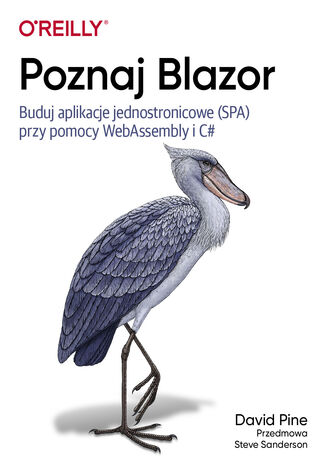
Poznaj Blazor. Buduj jednostronicowe aplikacje przy pomocy WebAssembly i C#
David Pine
Wykorzystaj swoje umiejętności programowania w języku C#, aby tworzyć składniki interfejsu użytkownika i środowiska klienckiego za pomocą platformy .NET. Dzięki temu praktycznemu przewodnikowi można dowiedzieć się, jak korzystać z Blazor WebAssembly do tworzenia interfejsów internetowych nowej generacji. Blazor opiera się na ASP.NET Core i stanowi przyszłość aplikacji jednostronicowych w .NET. Autor David Pine, który w firmie Microsoft zajmuje się opracowywaniem treści związanych z .NET i Azure, wyjaśnia, w jaki sposób WebAssembly umożliwia uruchamianie w przeglądarce klienta programów w wielu językach programowania innych niż JavaScript. Dzięki tej książce można poznać funkcje internetowe działające w czasie rzeczywistym i opracowywane za pomocą ASP.NET Core SignalR oraz odkryć strategie dwukierunkowej interakcji z JavaScript. David omawia również wiązanie danych dla składników, hierarchiczną komunikację sterowaną zdarzeniami, zarządzanie stanem w pamięci oraz lokalne przechowywanie danych. Dowiedz się, jak: - Tworzyć piękne, bogate w funkcje aplikacje Blazor - Tworzyć i lokalizować większe aplikacje przy użyciu usług GitHub Actions i Azure Cognitive Services Translator - Tworzyć zaawansowane scenariusze sprawdzania poprawności danych wejściowych dla składników formularzy - Automatycznie wdrażać i utrzymywać aplikacje w usłudze Azure Static Web Apps oraz jak korzystać z usług HTTP - Korzystać z usług geolokalizacyjnych oraz syntezy i rozpoznawania mowy dostępnych w przeglądarce - Tworzyć niestandardowe, modalne mechanizmy sprawdzania tożsamości użytkownika "Platforma webowa Blazor z otwartym kodem źródłowym to zupełnie nowy sposób tworzenia potężnych aplikacji internetowych. Poznaj Blazor wykorzystuje mnóstwo przykładów i kodu opartego na głębokim doświadczeniu Davida Pine'a jako autora treści w zespole .NET, aby umożliwić szybkie rozpoczęcie pisania aplikacji internetowych Blazor w języku C#!" -Scott Hanselman Partner Program Manager, Developer Division, Microsoft David Pine jest autorem treści w firmie Microsoft, gdzie skupia się na dokumentacji programistycznej dla .NET i Azure. Zdobył również tytuły Google Developer Expert in Web Technologies oraz Twilio Champion. Przed dołączeniem do firmy Microsoft David przez kilka lat był specjalistą wyróżnionym tytułem Microsoft MVP w dziedzinie technologii programistycznych. Rozwija się w społeczności programistów, dzieląc się swoją wiedzą poprzez wystąpienia na konferencjach i spotkaniach na całym świecie.
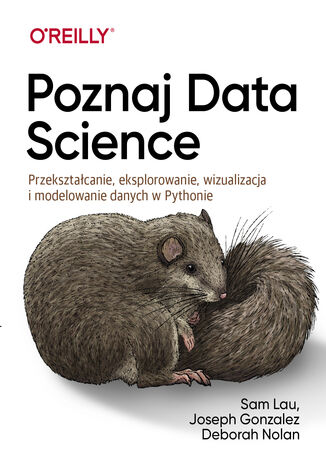
Poznaj Data Science. Przekształcanie, eksplorowanie, wizualizacja i modelowanie danych w Pythonie
Deborah Nolan, Joseph Gonzalez, Sam Lau
Jako ambitny Data Scientist, czyli danetyk, rozumiesz, dlaczego organizacje polegają na danych przy podejmowaniu ważnych decyzji - czy chodzi o firmy projektujące witryny internetowe, władze miasta decydujące o sposobie poprawy usług, czy naukowców pracujących nad zatrzymaniem rozprzestrzeniania się choroby. Chcesz nabyć umiejętności wyciągania praktycznych wniosków z nieuporządkowanego mnóstwa danych. Nazywamy to danetycznym cyklem życia: proces zbierania, przekształcania, analizowania danych i wyciągania z nich wniosków. Poznaj Data Science to pierwsza książka przedstawiająca fundamentalne umiejętności dotyczące zarówno programowania, jak i statystyki, które są potrzebne w całym cyklu życia. Jest skierowana do osób, które chcą zostać danetykami lub z nimi współpracują, a także analityków danych, którzy chcą przekroczyć podział na "techniczne/nietechniczne". Jeśli znasz podstawy programowania w Pythonie, nauczysz się pracować z danymi przy użyciu standardowych w branży narzędzi, takich jak pandas. - Sprecyzuj pytanie, aby pozwalało na badanie interesującej kwestii przy użyciu danych - Zgromadź dane, co może obejmować przetwarzanie tekstu, ekstrakcję danych internetowych itp. - Zyskaj wartościowe spostrzeżenia, dzięki oczyszczaniu, eksplorowaniu i wizualizacji danych - Poznaj sposoby modelowania służące do opisu danych - Dokonaj uogólnień wykraczających poza dane "Żałuję, że nie mieliśmy tej książki, gdy pierwszy raz wymyślaliśmy określenie Data Scientist na nasz zawód. Warto zacząć od niej zajmowanie się analizą/inżynierią danych, sztuczną inteligencją lub uczeniem maszynowym". -DJ Patil, PhD pierwszy US Chief Data Scientist Sam Lau jest asystentem w Halıcıoğlu Data Science Institute na uniwersytecie UC San Diego. Sam ma dziesięć lat doświadczenia w nauczaniu. Ułożył program przedmiotu Data Science i nauczał go na wzorcowych kursach na uniwersytetach UC Berkeley i UC San Diego. Joey Gonzalez jest adiunktem na wydziale EECS na uniwersytecie UC Berkeley, członkiem grupy badawczej Berkeley AI Research oraz członkiem założycielem organizacji Berkeley RISE Lab. Jest także współzałożycielem firm Turi Inc. i Aqueduct, które tworzą narzędzia dla osób zajmujących się Data Science. Deborah Nolan jest profesorem emerita statystyki i prodziekanem ds. studentów w College of Computing, Data Science, and Society na uniwersytecie UC Berkeley.
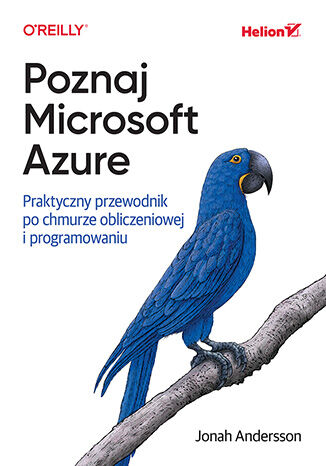
Poznaj Microsoft Azure. Praktyczny przewodnik po chmurze obliczeniowej i programowaniu
Jonah Andersson
Microsoft konsekwentnie doskonali się w tworzeniu wyjątkowych technologii i Azure jest tego świetnym przykładem. Pozwala nie tylko na rozwijanie natywnych aplikacji chmurowych, ale również na efektywną migrację starszych systemów, wdrażanie rozwiązań hybrydowych i modernizację istniejącego oprogramowania pod kątem skalowalności. Skorzystanie z pełni możliwości Azure wymaga jednak dobrego zrozumienia koncepcji przetwarzania w chmurze. Ta książka to pasjonująca podróż w świat Microsoft Azure! Peter T. Lee, Capgemini America, Inc. Dzięki tej praktycznej, przystępnie napisanej książce przyswoisz modele przetwarzania w chmurze i zrozumiesz sedno nowoczesnych technologii chmurowych. Zorientujesz się, jak optymalnie używać Microsoft Azure w różnych sytuacjach biznesowych, i płynnie przystąpisz do budowania aplikacji na tej platformie. Znajdziesz tu wyczerpujące informacje o kontenerach Azure, bezserwerowych technologiach obliczeniowych i narzędziach zwiększających produktywność deweloperów. Dowiesz się ponadto, jak korzystać z funkcji współpracy zespołowej, w jaki sposób dokonać bezpiecznej migracji aplikacji, jej transformacji, a także jak ją rozwijać z użyciem narzędzi Azure. W książce między innymi: podstawy przetwarzania w chmurze Microsoft Azure wybór usług w chmurze Azure i dostosowanie scenariuszy do wymagań tworzenie usług, aplikacji i rozwiązań w chmurze zabezpieczenia chmury w infrastrukturze IT najlepsze praktyki migracji na platformę Azure Azure: zrób pierwszy krok do chmury!
Poznaj Swifta, tworząc aplikacje. Profesjonalne projekty dla systemu iOS
Emil Atanasov
Twórz aplikacje dla systemu iOS - i naucz się programowania w języku Swift Swift został zaprezentowany światu w 2014 roku - dziś jest uznanym standardem dla programistów platformy macOS i iOS. Równocześnie to jeden z najpopularniejszych języków programowania na świecie. Charakteryzuje się zwięzłą i przejrzystą składnią, jest łatwy do nauczenia się, wygodny i elastyczny. Programiści mawiają, że Swift podsuwa nowe sposoby rozwiązywania starych problemów. Jeśli chcesz pisać efektywne i bezpieczne, a przy tym eleganckie i przyjazne użytkownikom aplikacje dla maszyn z logo jabłuszka, po prostu musisz nauczyć się Swifta! Jeśli jesteś początkującym programistą i postanowiłeś nauczyć się rzetelnego programowania aplikacji mobilnych dla iOS, to książka dla Ciebie. Znajdziesz w niej przystępne wprowadzenie do koncepcji programowania oraz podstawy języka Swift. Przećwiczysz tworzenie aplikacji mobilnych na platformie iOS. Dowiesz się, jak tworzyć interfejs użytkownika za pomocą plików typu storyboard w Xcode, a także jak pobierać i wyświetlać obrazy oraz zapisywać i wczytywać informacje w trakcie różnych sesji pracy z aplikacją. Nauczysz się korzystać z menedżera zależności CocoaPods i przekonasz się, jak bardzo jest użyteczny. Poznasz kilka przydatnych bibliotek open source do szybkiego tworzenia oprogramowania, dowiesz się też, jak opracowywać aplikacje pobierające informacje i zasoby z chmury. Najważniejsze zagadnienia: składnia i elementy języka Swift oraz praca w środowisku Xcode struktura aplikacji mobilnej zastosowanie poszczególnych struktur danych w Swifcie tworzenie GUI i zapewnianie interaktywności aplikacji wykorzystywanie informacji pochodzących z publicznego API do budowy swojej aplikacji biblioteki dla open source Swifta Oto Swift: najlepszy język dla aplikacji na iOS!