
Programowanie
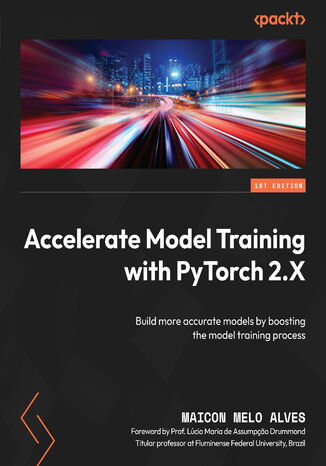
Maicon Melo Alves, Lúcia Maria de Assumpçao...
This book, written by an HPC expert with over 25 years of experience, guides you through enhancing model training performance using PyTorch. Here you’ll learn how model complexity impacts training time and discover performance tuning levels to expedite the process, as well as utilize PyTorch features, specialized libraries, and efficient data pipelines to optimize training on CPUs and accelerators. You’ll also reduce model complexity, adopt mixed precision, and harness the power of multicore systems and multi-GPU environments for distributed training. By the end, you'll be equipped with techniques and strategies to speed up training and focus on building stunning models.
Accelerating DevSecOps on AWS. Create secure CI/CD pipelines using Chaos and AIOps
Nikit Swaraj
Continuous integration and continuous delivery (CI/CD) has never been simple, but these days the landscape is more bewildering than ever; its terrain riddled with blind alleys and pitfalls that seem almost designed to trap the less-experienced developer. If you’re determined enough to keep your balance on the cutting edge, this book will help you navigate the landscape with ease.This book will guide you through the most modern ways of building CI/CD pipelines with AWS, taking you step-by-step from the basics right through to the most advanced topics in this domain.The book starts by covering the basics of CI/CD with AWS. Once you’re well-versed with tools such as AWS Codestar, Proton, CodeGuru, App Mesh, SecurityHub, and CloudFormation, you’ll focus on chaos engineering, the latest trend in testing the fault tolerance of your system. Next, you’ll explore the advanced concepts of AIOps and DevSecOps, two highly sought-after skill sets for securing and optimizing your CI/CD systems. All along, you’ll cover the full range of AWS CI/CD features, gaining real-world expertise.By the end of this AWS book, you’ll have the confidence you need to create resilient, secure, and performant CI/CD pipelines using the best techniques and technologies that AWS has to offer.
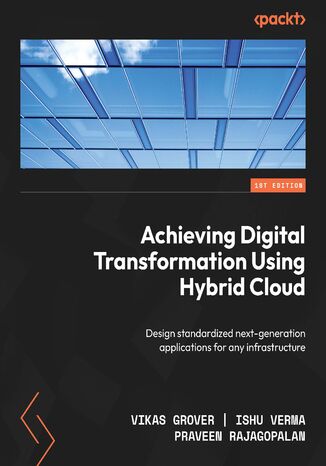
Vikas G, Ishu Verma, Praveen Rajagopalan
Hybrid cloud technology can be leveraged by organizations aiming to build next-gen applications while safeguarding prior technological investments. This book will help you explore different hybrid cloud architectural patterns, whether designing new projects or migrating legacy applications to the cloud.You'll learn about the key building blocks of hybrid cloud enabling you to deploy, manage, and secure applications and data while porting the workloads between environments without rebuilding. Further, you’ll explore Kubernetes, GitOps, and Layer 3/7 services to reduce operational complexity. You'll also learn about nuances of security and compliance in hybrid cloud followed by the economics of hybrid cloud. You’ll gain a deep understanding of the concepts with use cases from telecom 5G and industrial manufacturing, giving you a glimpse into real industry problems resolved by hybrid cloud, and unlocking millions of dollars of opportunities for enterprises.By the end of this book, you'll be well-equipped to design and develop efficient hybrid cloud strategies, lead conversations with senior IT and business executives, and succeed in hybrid cloud implementation or transformation opportunities.
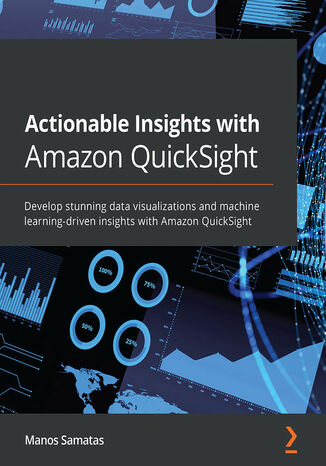
Manos Samatas
Amazon Quicksight is an exciting new visualization that rivals PowerBI and Tableau, bringing several exciting features to the table – but sadly, there aren’t many resources out there that can help you learn the ropes. This book seeks to remedy that with the help of an AWS-certified expert who will help you leverage its full capabilities.After learning QuickSight’s fundamental concepts and how to configure data sources, you’ll be introduced to the main analysis-building functionality of QuickSight to develop visuals and dashboards, and explore how to develop and share interactive dashboards with parameters and on-screen controls. You’ll dive into advanced filtering options with URL actions before learning how to set up alerts and scheduled reports. Next, you’ll familiarize yourself with the types of insights before getting to grips with adding ML insights such as forecasting capabilities, analyzing time series data, adding narratives, and outlier detection to your dashboards. You’ll also explore patterns to automate operations and look closer into the API actions that allow us to control settings. Finally, you’ll learn advanced topics such as embedded dashboards and multitenancy.By the end of this book, you’ll be well-versed with QuickSight’s BI and analytics functionalities that will help you create BI apps with ML capabilities.
Adaptable Project Management. A combination of Agile and Project Management for All (PM4A)
IT Governance Publishing, Colin Bentley
This book delves into adaptable project management, emphasizing flexibility in fast-paced environments. It introduces foundational principles, agile terminology, and proven methodologies for success. You will learn how to handle risks, plan projects carefully, and ensure progress using practical tools. The book also explores techniques for managing change and tracking progress, allowing project managers to adapt as needed. Each chapter provides insights for leading teams through complex project phases.Throughout the book, you'll gain the skills to manage projects from start to finish, applying agile methods in real-world scenarios. You'll learn to adapt to changes, manage risks, and keep projects on track. Whether you're overseeing small teams or large projects, the strategies in this book are designed to help you succeed.By the end, you will have mastered the essential skills for managing projects in dynamic, unpredictable environments. You'll be prepared to face challenges confidently, implementing adaptable project management strategies. The book promotes a forward-thinking mindset, equipping readers to lead projects with agility across diverse industries.
Adaptywny kod. Zwinne programowanie, wzorce projektowe i SOLID-ne zasady. Wydanie II
Gary McLean Hall
Tworzenie oprogramowania nie może być procesem powolnym. Dziś zespoły projektowe muszą cechować się elastycznością i dynamiką działania, aby odnieść sukces. Wymagania stawiane kodowi mogą wielokrotnie się zmieniać podczas projektu. Oznacza to, że wprowadzanie zmian do kodu powinno być proste i możliwie mało pracochłonne. Deweloperzy, którzy wdrożą zasady programowania zwinnego i będą przestrzegać związanych z nimi dobrych praktyk, będą w stanie sprostać tym wymaganiom. Niniejsza książka jest przeznaczona dla średnio zaawansowanych programistów, którzy dobrze opanowali tworzenie kodu zorientowanego obiektowo i chcą przyswoić sobie najlepsze praktyki programistyczne. Książka stanowi pomost między teorią a praktyką, ułatwiający wdrożenie w codziennej pracy wzorców projektowych, zasad SOLID, testów jednostkowych czy refaktoringu. Wyjaśniono tu stosowanie zawiłych reguł, takich jak „otwarte – zamknięte”, zasad podstawienia Liskova, metod wstrzykiwania zależności czy zwiększania adaptywności kodu za pomocą interfejsów. Przedstawiono również pewne antywzorce projektowe wraz ze wskazówkami, w jaki sposób można ich uniknąć i zapewnić potrzebną funkcjonalność bez utraty elastyczności kodu. Najważniejsze zagadnienia: metodologie Scrum i kanban, zależności i warstwy architektury kodu, testy i refaktoring, odwracanie zależności, wiązanie i spójność kodu. Gary McLean Hall jest programistą i architektem oprogramowania. Jest cenionym konsultantem, który specjalizuje się w dobrych wzorcach i praktykach programistycznych. Pracował w wielu zespołach ukierunkowanych na tworzenie adaptywnego kodu w takich firmach, jak Eidos, Xerox, Nephila Capital czy The LateRooms Group. W swojej pracy zawsze szukał złotego środka pomiędzy tworzeniem funkcjonalnego produktu i wysokiej jakości jego kodu źródłowego. Kod adaptywny: solidny, elastyczny i łatwy w utrzymaniu!
Hussein Nasser
This book is a practical, step-by-step tutorial providing a complete reference guide to the setup, installation, and administration of ArcGIS Server technology. If you are a GIS user, analyst, DBA, or programmer with a basic knowledge of ESRI GIS, then this book is for you.
Administracja systemami Linux. Programowanie w powłoce bash
Andrzej Chmielewski; Ireneusz Mrozek; Eugenia Busłowska
Skrypt jest przeznaczony dla studentów jako pomoc dydaktyczna do przedmiotów związanych z administracją systemami Linux. Oferuje kompleksowe wprowadzenie do programowania w powłoce bash, zarówno dla początkujących, jak i dla tych, którzy mają już pewne doświadczenie w programowaniu. Opisuje podstawowe konstrukcje języka, takie jak zmienne, pętle, warunki, funkcje, jak i śledzenie wykonywania oraz zastosowanie wyrażeń regularnych. Skrypt zawiera również przykłady i liczne zadania, o zróżnicowanym poziomie trudności, które pozwalają użytkownikom na praktyczne zastosowanie zdobytej wiedzy.