
Techniki programowania
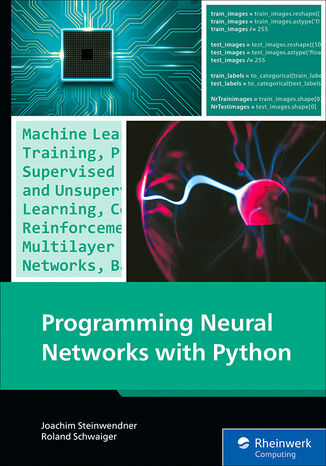
Rheinwerk Publishing, Inc, Dr. Joachim Steinwendner, Dr....
This book offers a comprehensive guide to understanding and programming neural networks and deep learning. Starting with the basics, readers will learn how to build neural networks using Python and TensorFlow. By the end, they’ll master key algorithms and techniques to apply them to real-world machine learning challenges. The book walks through the development of simple perceptrons and progresses to complex multilayer networks, showing how deep learning methods work in practice. The evolution of neural networks is explored, from the origins of artificial neurons to cutting-edge deep learning architectures. Along the way, readers will learn about the different types of neural networks, including convolutional and transformer networks. The book also delves into optimization techniques like gradient descent and backpropagation. Hands-on coding exercises ensure practical learning, preparing readers to implement neural networks for tasks like image recognition, natural language processing, and data classification. By the end of the book, readers will be equipped to apply neural networks to solve diverse AI problems effectively.
Eliahou Orr, Yehuda Zadik
The CodeIgniter Model-View-Controller framework provides genius simplicity, flexibility, and efficient resource usage, boosting performance and reusability.Programming with CodeIgniter MVC reviews the unique features of CodeIgniter using simple, easy-to-follow, and practical examples.Programming with CodeIgniter MVC provides a simple step-by-step guide to efficiently utilizingthe CodeIgniter MVC framework for developing web applications. This book is packed with engaging examples to understand the usage of controllers, libraries, and (Codeigniter) CI Models. This book commences with a quick discussion of the CodeIgniter Integration with external plugins such as Flickr API, Google Maps and more will be reviewed with clear usage examples. It will then cover CI naming convention rules, mandatory and optional configurations, and usage within a CI project. It will also cover user defined configurations.By the end of this book, you will not only understand user-defined libraries in a CI framework, but also their services, role, usage, and scope with the help of an example-based approach. The book also covers helpers, models, and views, as well as their usage.Using this book, youwill soonbe able to develop feature-rich web applications using the CodeIgniter MVC framework. Programming with CodeIgniter MVC is a one-stop solution to developing solutions with CodeIgniter MVC.
Programowanie dla początkujących w 24 godziny. Wydanie IV
Greg Perry, Dean Miller
Warto nauczyć się programowania! Poza stworzeniem sobie możliwości znalezienia ciekawej i dobrze płatnej pracy czy pasjonującego hobby umiejętność programowania bywa niezwykle przydatna w rozwiązywaniu różnych problemów. Paleta języków programowania i narzędzi programistycznych jest niezwykle szeroka i praktycznie każdy znajdzie coś dla siebie. Zanim to jednak nastąpi, trzeba zdobyć trochę wiedzy i umiejętności. Ale bez obaw! W nauce programowania najtrudniejszy bywa pierwszy krok, jednak ta książka sprawi, że wykonasz go bez trudu i dumnie wkroczysz w świat kodowania! To kolejne wydanie lubianego samouczka, dzięki któremu w ramach 24 godzinnych lekcji przyswoisz solidne podstawy programowania. Zrozumiesz, jak działają programy, i nauczysz się reguł stosowanych przez profesjonalistów przy ich projektowaniu. Dowiesz się, jak wygląda świat programistów i na czym dokładnie polega programowanie w korporacjach. Znajdziesz tutaj także wprowadzenie do kilku najpopularniejszych języków programowania, co pozwoli na ich porównanie i ułatwi wybór języka do dalszej nauki. Każdy z 24 rozdziałów zawiera materiał, który można opanować w ciągu godziny. Naukę ułatwiają instrukcje krok po kroku, quizy, ćwiczenia i praktyczne przykłady. Dzięki tej książce zdobędziesz najlepsze podstawy, aby stać się dobrym programistą. Przygotujesz się też do świadomego kształtowania swojej dalszej ścieżki zawodowej! W książce między innymi: przygotowanie narzędzi do pracy - sprzęt i oprogramowanie podstawowe aspekty programowania i projektowania programów algorytmy, interaktywność, zmienne, funkcje debugowanie kodu programowanie obiektowe i korzystanie z baz danych planowanie kariery programisty Zacznij programować. Najlepiej od razu!
Programowanie funkcyjne. Krok po kroku
Joshua Backfield
Zmień swoje podejście do programowania! Języki funkcyjne zdobywają wśród programistów coraz większą popularność. Jak bezboleśnie zmienić sposób myślenia na funkcyjny? Ułatwi Ci to niniejsza książka, w całości poświęcona temu podejściu do programowania. Poznaj podstawy teoretyczne programowania funkcyjnego, a następnie zacznij zgłębiać tajniki typów funkcyjnych, rekurencji oraz zmiennych niepodlegających modyfikacji. Z kolejnych rozdziałów dowiedz się, czym są ewaluacja rygorystyczna i nierygorystyczna. Zobacz też, jak wykonać dopasowanie do wzorca. Co jeszcze znajdziesz w tej książce? Wprowadzenie do języka Scala, przedstawienie języka Groovy oraz opis technik funkcyjnego programowania obiektowego to tylko niektóre z poruszanych w niej tematów. Jeżeli chcesz zmienić sposób programowania na funkcyjny, to doskonała pozycja dla Ciebie! Dowiesz się, czemu obecne sprawnie działające aplikacje lepiej funkcjonują z kodem funkcyjnym. Przejdziesz od wzorców stylu imperatywnego do kodu funkcyjnego w kilku podstawowych krokach. Przyspieszysz z językami Groovy i Scala dzięki przykładom. Zrozumiesz, w jaki sposób typy funkcyjne są przekazywane do innych funkcji i zwracane z nich. Przekonwertujesz istniejące metody na funkcje czyste, a pętle na metody rekurencyjne. Przejdziesz od zmiennych mutowalnych do niemutowalnych. Uzyskasz praktyczne doświadczenie w zakresie stosowania instrukcji oraz ewaluacji nierygorystycznej. Będziesz stosował programowanie funkcyjne z elementami programowania obiektowego. Przekonaj się, jak podejście funkcyjne może ułatwić Ci życie!
Zed A. Shaw
Istnieje bardzo wiele nowoczesnych języków programowania, które pozwalają na szybkie wdrożenie i pracę. Takim językiem na pewno nie jest C. Niektóre jego cechy bardzo utrudniają tworzenie bezpiecznego i bezawaryjnego kodu. Warto więc dogłębnie poznać C — przy bardzo prostej składni i niewielkich wymaganiach sprzętowych ma potężne możliwości! Niniejsza książka jest bardzo dobrym podręcznikiem dla początkujących programistów. Nauczysz się C, wykonując 52 sprytnie skonstruowane zadania zilustrowane kodem i specjalnie opracowanymi klipami wideo. Duży nacisk został położony na dogłębną analizę tworzonego kodu — autor zmusza Czytelnika do zrozumienia znaczenia każdej linii programu, do koncentracji i dokładności. Zachęca też do praktykowania tzw. programowania defensywnego, dzięki któremu możliwe jest podniesienie jakości i bezpieczeństwa tworzonego oprogramowania. Wartościowym elementem książki są wskazówki, jak zepsuć napisany kod, a następnie go zabezpieczyć. Bardzo ułatwia to unikanie wielu poważnych, często spotykanych błędów. Najistotniejsze zagadnienia poruszone w książce: Podstawowa składnia C Konfiguracja środowiska programistycznego, kompilacja kodu, pliki Makefile i linkery Kontrola przebiegu działania programu, alokacja pamięci Operacje wejścia-wyjścia i pliki, stosy i kolejki Usuwanie błędów, programowanie defensywne i automatyczne testowanie Eliminacja błędu przepełnienia stosu, niedozwolonego dostępu do pamięci itd. Hakowanie własnego kodu utworzonego w C Zrozum C, programuj starannie — dobrze działać może tylko dobry kod!
Programowanie w języku Go. Koncepcje i przykłady. Wydanie II
Mat Ryer
Go jest nowoczesnym językiem programowania rozwijanym przez firmę Google. Ostatnie zmiany sprawiły, że stał się on komfortowym narzędziem do tworzenia wydajnych aplikacji. Programiści Go mogą korzystać z wciąż rosnącego zbioru pakietów dostępnych jako open source, dzięki czemu tworzą i wdrażają oprogramowanie o znakomitej jakości. Taki kod od pierwszego dnia działa dobrze, a przy tym imponuje skalowalnością. Wbudowane mechanizmy Go, takie jak współbieżność, zapewniają możliwość uzyskiwania fantastycznych wyników nawet na najprostszym sprzęcie. Niniejsza książka stanowi znakomite wprowadzenie do programowania w Go. Przyda się zarówno początkującym, jak i zaawansowanym programistom. Podstawą prezentowanych tu projektów są skalowalność, wydajność działania oraz wysoka dostępność. Poza opisem języka przedstawiono tu sporo istotnych koncepcji architektury oprogramowania. Wykorzystano aspekty filozofii wykorzystywanej przez „zwinnych” programistów. Opisano zasady tworzenia aplikacji korzystających z Google App Engine, pisania i korzystania z mikrousług czy też tworzenia obrazów Dockera. Wiedza zdobyta dzięki tej książce ułatwi każdemu stosowanie rozwiązań najwyższej klasy. Najważniejsze zagadnienia: aplikacje internetowe korzystające z pakietu NET/HTTP programy obsługiwane z poziomu wiersza poleceń systemy rozproszone i elastyczne dane usługi typu RESTful programistyczne korzystanie z magazynu Google Cloud Datastore dobre praktyki przygotowywania aplikacji w Go Język Go. Idź i programuj! Mat Ryer — programuje od szóstego roku życia. Swoje pierwsze eksperymenty przeprowadzał wraz z ojcem w języku BASIC, a następnie w językach AmigaBASIC i AMOS. Jego kariera zawodowa od początku była związana z programowaniem. Używał wielu różnych języków, aż w końcu zwrócił uwagę na rozwijany przez Google język Go. Ryer od lat używa języka Go do tworzenia przeróżnych produktów, usług i projektów typu open source. Jest gorącym orędownikiem tego rozwiązania. Pisze o Go artykuły, a podczas różnych wykładów i konferencji zachęca programistów, by go wypróbowali.
Programuj tak, aby nie naprawiać. Planowanie projektów i systemów
Juval Löwy
Tworzenie oprogramowania, zwłaszcza dużych i złożonych aplikacji, bywa problemem. Często objawy złego planowania projektu nie mają wiele wspólnego z uwarunkowaniami technicznymi: wysoki poziom stresu, duża rotacja pracowników, wypalenie zawodowe, brak zaufania, niska samoocena, a nawet różnego rodzaju dolegliwości fizyczne. Przyczyny tego stanu rzeczy są podobne: określane w nierealny sposób koszty, terminy i wymagania. Później okazuje się, że wewnętrznej złożoności systemu nikt nie rozumie, nad koniecznymi ciągłymi zmianami nikt nie panuje, a wytworzone oprogramowanie jest niemal niemożliwe do utrzymania. Jak widać, problem jest wielowymiarowy. Wielowymiarowe musi więc też być narzędzie, które umożliwi jego rozwiązanie. W tym praktycznym przewodniku uniwersalne zasady projektowania zostały dostosowane do specyfiki wytwarzania oprogramowania. Znalazł się tu zbiór najważniejszych zasad inżynierii oprogramowania, jak również wyczerpujący zestaw narzędzi i technik do stosowania w projektach programistycznych. Ich zastosowanie sprawi, że gotowy system będzie łatwy do utrzymania, rozszerzalny, nie będzie zbyt kosztowny, a jego wykonanie będzie realne pod względem czasu i ryzyka. Koncepcje opisane w książce stanowią doskonały punkt wyjścia, gdyż pozwalają sporządzić dobry projekt systemu oprogramowania oraz dobry plan budowy tego systemu. Dopiero to umożliwi ukończenie pracy w wyznaczonym terminie i bez przekroczenia założonego budżetu, a wytworzony produkt będzie łatwy w utrzymaniu, możliwy do rozszerzania oraz wielokrotnego użycia. W książce między innymi: koncepcja projektowania systemu i planowania projektu dekompozycja systemu, jego struktura i łączenie komponentów narzędzia i techniki potrzebne w planowaniu i projektowaniu mierzenie i wyliczanie ryzyka projektu i jego wariantów zaawansowane techniki projektowania systemów o wysokiej złożoności Mistrz w projektowaniu oprogramowania rozważa bardzo niewiele opcji!