Historia
Teodora Prodromosa "Przygody Rodante i Dosyklesa"
Marcin Cyrulski
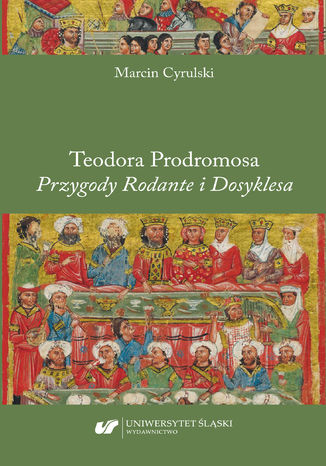
W XII wieku, w Konstantynopolu na dworze Komnenów powstały cztery romanse (trzy zachowane w całości i jeden znany jedynie we fragmentach). Jednym z tych romasnów jest właśnie dzieło Teodora Prodromosa, najsłynniejszego pisarze swojej epoki, Przygody Rodante i Dosyklesa. W dziewięciu księgach autor przedstawił dzieje miłości dwójki zakochanych bohaterów, którzy po niezwykłych przygodach i rozdzieleniu, w końcu znów są razem. Pod pozorem błahej opowieści kryje się dzieło pełne retorycznego kunsztu i aluzji do czasów współczesnych autorowi.
Papież Leon XIII
Testament Leona XIII to bardzo ważny dokument, w którym papież z troską pochyla się nad tym, co w epoce, w której żyć mu przypadło i w epoce nadchodzącej, spotyka i spotykać będzie Kościół. W znakomity sposób odczytuje znaki czasu i będąc przygotowanym na nadchodzące coraz poważniejsze trudności i prześladowania, w dokumencie przekazuje wierzącym nadzieję, pisząc tak oto: Nie życzylibyśmy sobie, aby obraz obecnego bolesnego położenia miał osłabić zupełną ufność w pomoc Boską, która spowoduje ostateczny tryumf w odpowiednim czasie i w sposób sobie właściwy. W głębi ducha żywimy smutek głęboki, lecz o nieśmiertelne istnienie Kościoła lęk Nas nie bierze. Prześladowanie jest jak powiedzieliśmy na początku dziedzictwem Kościoła, gdyż Bóg, doświadczając i oczyszczając swoje dzieci, wyprowadza wyższe i bardziej wartościowe dobra. A dopuszczając do zwalczania przeciwności, objawia również swoją Boską pomoc, która udziela nowych i nieprzeczuwanych środków dla utrzymania i wzrostu jego dzieła, którego nie pokonają siły, sprzysiężone na szkodę jego. Dziewiętnaście wieków istnienia wśród różnych kolei ludzkości poucza, iż burze nie docierają do podstawy, lecz przechodzą. Czy tak samo powinni myśleć katolicy również i w obecnej dobie będąc świadkami nieprawdopodobnego wręcz i powszechnego upadku duchowego?
The Autobiography of Benjamin Franklin
Benjamin Franklin
For all value investors and Charlie Munger enthusiasts, don't miss out on "The Autobiography of Benjamin Franklin." This book was a favorite of Munger's, and it's packed with practical wisdom. Franklin's life story teaches us about frugality, hard work, and building good habits-essential principles for success in both life and investing. Munger, a rational thinker himself, drew inspiration from Franklin's genius. Dive into this classic autobiography for timeless insights that align perfectly with the core principles of value investing and Munger's practical philosophy.
The Council of Lithuanian Jews 1623-1764
Anna Michałowska-Mycielska
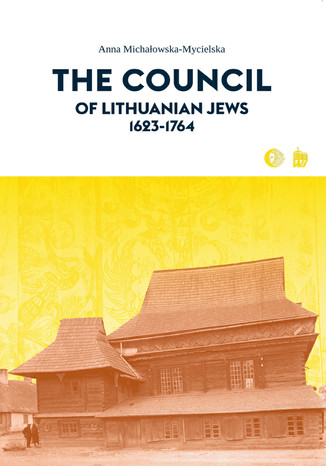
The Council of Lithuanian Jews (Lithuanian Vaad) was the central representative organ of the Jews in the Grand Duchy of Lithuania. It operated for nearly one and a half centuries (1623-1764), touching all spheres of the Jewish community's life. It undertook important initiatives for the benefit of its constituency at diets and dietines (legislative assemblies of the nobility), at the courts of the King and important magnates, and in non-Jewish courts of law. This book discusses the Council's activities in the context of processes and phenomena present in Jewish society of the time, illustrating the life of Lithuanian Jewry as a separate estate guided by a common sense of identity transcending local affiliation.
The Hidden Secrets: Late Byzantium in the Western and Polish Context
Małgorzata Dąbrowska
Professor Małgorzata Dąbrowska, a distinguished scholar dealing with the history of Byzantium in the Middle Ages, belongs to the few Byzantinists who have become internationally acclaimed. A considerable part of her output concerns Polish-Byzantine relations which are hardly known to foreign scholars because of the language barrier, and yet they attract the interest of scholars all over the world as a new aspect of Byzantine studies. The publication of English and French works by Małgorzata Dąbrowska will thus facilitate better understanding between the Latin and Orthodox milieux in the European world. The author’s style is absolutely superb, regardless of the fact whether her texts are written in Polish or in other languages. This adds another quality to her oeuvre. From the review by Professor Maciej Salamon Professor Małgorzata Dąbrowska holds a special place among the Polish Byzantinists as an outstanding specialist in the history of late Byzantium and its relations with Europe (including Poland, which is, undoubtedly, worth attention). The current collection of articles can be seen as a detailed sequel to the author’s monographs Byzantium, France and the Holy See in the Second Half of the 13th Century and The Latin Ladies on the Bosporos. ByzantineLatin Marriages in the Imperial Family of the Palaiologoi (13th-15th Centuries). Both titles reflect faithfully the author’s favourite and interrelated subjects of study, namely the relations between Byzantium and western Europe, especially the matrimonial policy, which is handled in a detailed and innovative way. From the review by Professor Jerzy Strzelczyk
The Hidden Secrets: Late Byzantium in the Western and Polish Context
Małgorzata Dąbrowska
Professor Małgorzata Dąbrowska, a distinguished scholar dealing with the history of Byzantium in the Middle Ages, belongs to the few Byzantinists who have become internationally acclaimed. A considerable part of her output concerns Polish-Byzantine relations which are hardly known to foreign scholars because of the language barrier, and yet they attract the interest of scholars all over the world as a new aspect of Byzantine studies. The publication of English and French works by Małgorzata Dąbrowska will thus facilitate better understanding between the Latin and Orthodox milieux in the European world. The author’s style is absolutely superb, regardless of the fact whether her texts are written in Polish or in other languages. This adds another quality to her oeuvre. From the review by Professor Maciej Salamon Professor Małgorzata Dąbrowska holds a special place among the Polish Byzantinists as an outstanding specialist in the history of late Byzantium and its relations with Europe (including Poland, which is, undoubtedly, worth attention). The current collection of articles can be seen as a detailed sequel to the author’s monographs Byzantium, France and the Holy See in the Second Half of the 13th Century and The Latin Ladies on the Bosporos. ByzantineLatin Marriages in the Imperial Family of the Palaiologoi (13th-15th Centuries). Both titles reflect faithfully the author’s favourite and interrelated subjects of study, namely the relations between Byzantium and western Europe, especially the matrimonial policy, which is handled in a detailed and innovative way. From the review by Professor Jerzy Strzelczyk
Ed. by Ryszard Skowron in collaboration with...
Publikowana korespondencja ukazuje wymiar współpracy i wspólnoty interesów dynastycznych, politycznych, kulturowych i religijnych pomiędzy Domem Wazów i Domem Austrii. Stanowi bazę dla analizy wzajemnych relacji pod kątem powinowactwa, emulacji i rywalizacji. Edycja listów tworzy pewnego rodzaju katalog ukazujący rolę i tożsamość Wazów w rozległym europejskim kontekście kulturowym i politycznym i może stanowić punkt wyjścia do dalszych studiów. Jednym z najważniejszych instrumentów za pomocą którego możemy obserwować i analizować te procesy są listy jakie między sobą wymieniali członkowie obu dynastii. Listy królewskie z podpisem, pieczęcią i ich treścią są trwałym świadectwem obecności i roli Polski w europejskiej kulturze w epoce nowożytnej.
Tadeusz Pankiewicz
Historia krakowskiego getta opowiedziana przez polskiego aptekarza Tadeusz Pankiewicz patrząc na rozgrywającą się pod oknami apteki tragedię krakowskich Żydów uratował ich od niepamięci spisał wiernie dzieje getta. Książka opublikowana po raz pierwszy w 1947 r. Tadeusz Pankiewicz pracował i mieszkał przez dwa i pół roku w getcie. Przeżył wszystkie etapy jego istnienia: od zamknięcia bram i pierwszych szykan, poprzez wysiedlenia, coraz groźniejsze i okrutniej przeprowadzane, aż po zupełną likwidację. W ciągu tego czasu apteka Pod Orłem pełniła oprócz normalnych swych funkcji, które z czasem coraz bardziej się kurczyły rolę azylu i punktu kontaktowego dwu światów: zamkniętej w murach ludności żydowskiej i wolnej, żyjącej poza nimi; jej personel zaś stał się łącznikiem między tymi dwoma światami. Tu można było przeczytać ostatnie wiadomości z frontu, zapoznać się z treścią prasy podziemnej, znaleźć schronienie podczas nocnych aresztowań. Tu zostawiano listy i paczki dla osób mieszkających po stronie aryjskiej jak również odbierano od nich wiadomości i przesyłki. Ci nieliczni mieszkańcy getta, którzy zdołali przeżyć okrutny czas wojny, zachowali do dziś we wdzięcznej pamięci aptekę Pod Orłem i jej właściciela.
Łukasz Pigoński
When the emperor Valentinian III murdered the general Flavius Aetius, it has been observed that he had 'cut his right hand with his left', and the story of the fall of the 'last Roman' has been put in the greater context of the subsequent dissolution of the Roman Empire in the West. However, a similar deed committed by the emperor Leo in the East in 471, when he ordered the killing of the general Aspar, certainly did not gain such a legendary status. The underappreciated story of the survival of the Eastern Roman Empire in the turmoil of the fifth century is however no less dramatic, and the role that powerful military leaders played in those events was certainly paramount. This publication aims to reconstruct the involvement of the Eastern Roman military elite in various matters of the state on the wider background of political history marked by the reigns of the emperors Theodosius II (408-450), Marcian (450-457), and Leo I (457-474). On its pages, the author presents the history of the numerous wars in which the Empire found itself entangled in during that uneasy time, as well as the periods of conflict and cooperation between the generals and the emperors. The focus is not only on the military elite as a group, but also on outstanding individuals, such as generals Plintha, Flavius Zeno, Aspar or Zeno-Tarasikodissa, the aforementioned emperors and their civilian advisors. The result is a comprehensive study and a novel interpretation of the nearly seven decades of turmoil that, contrary to what happened in the West, curiously did not result in the collapse of the Eastern Roman state; perhaps, as the author argues, in no small part due to those military leaders, who were serving and protecting it.