
Popularnonaukowe i akademickie
Kategoria "Popularnonaukowe i akademickie" w księgarni Ebookpoint.pl to skarbnica wiedzy dla wszystkich, którzy pragną poszerzać swoje horyzonty i zgłębiać tajemnice świata. Znajdziesz tutaj publikacje z różnych dziedzin nauki, od psychologii i tajemnic ludzkiego umysłu, przez ekonomię, matematykę, aż po kosmologię i zagadnienia Wszechświata. Starannie dobrane ebooki, audiobooki i książki, które w przystępny sposób tlumaczą zachodzące w świecie procesy - nie musisz być związany ze światem nauki, by zrozumieć treść publikowanych tu książek.
The problematic aspects of energy efficiency \'22
Maciej Zajkowski, Zbigniew Sołjan (red.)
Energy efficiency is not only energy yield related to the energy consumption in a specific device or building but also the possibility of optimal use of the stored energy in a determine area or in the system, without the necessity for its transmission. Generation, distribution and balancing of energy demand, in a limited area, becomes an energy cluster in which, under the agreement of the entities forming the cluster, there is a possibility for effective management of energy produced and its storage, according to the requirements and assumptions of the capacity market. The purpose of such an initiative is primarily the effective development of distributed energy, which does not have to be based solely on renewable energy sources, but can also use conventional sources, according to dedicated management models. The whole project is intended to improve energy security, have a positive impact on the environment, strengthen the local economy and generate lower costs for the end user. According to the RES Act, a member of an energy cluster can be an enterprise, a natural person, a local government unit and their organizational units. It can also include small, medium and large public transport companies and other entities functioning in the area covered by the energy cluster. A cluster initiative may be established and operate in an area no larger than five municipalities or one county, and its purpose is to obtain financial and non-financial benefits for the members of the energy cluster.
The Puzzle of (Un)Countability in English. A Study in Cognitive Grammar
Grzegorz Drożdż
Monografia poświęcona jest policzalności i niepoliczalności rzeczownika w języku angielskim. Książkę rozpoczyna przegląd literatury poświęconej temu zagadnieniu począwszy od pierwszych gramatyk, w których podjęto analizę tego tematu, poprzez najważniejsze osiągnięcia różnych podejść: logicznego, morfologicznego, syntaktycznego, semantycznego oraz pragmatycznego. Przegląd kończy ujęcie tego zagadnienia z punktu widzenia Gramatyki Kognitywnej, która jednocześnie stanowi bazę teoretyczną przeprowadzonej w drugiej części monografii analizy. Opierając się na autentycznym materiale językowym, autor podejmuje się weryfikacji jednego z twierdzeń Gramatyki Kognitywnej, iż prawdopodobnie każdy rzeczownik może wystąpić zarówno w formie policzalnej, jak i niepoliczalnej. Ponadto, autor wskazuje szereg prawidłowości, według których następuje zmiana omawianych własności gramatycznych rzeczownika, a które nierozerwalnie związane są z ekstensją znaczenia.
The Railway Children - With Audio Level 3 Oxford Bookworms Library
Nesbit, Edith
A level 3 Oxford Bookworms Library graded reader. This version includes an audio book: listen to the story as you read. Retold for Learners of English by John Escott. 'We have to leave our house in London,' Mother said to the children. 'We're going to live in the country, in a little house near a railway line.' And so begins a new life for Roberta, Peter, and Phyllis. They become the railway children - they know all the trains, Perks the station porter is their best friend, and they have many adventures on the railway line. But why has their father had to go away? Where is he, and will he ever come back?
The Railway Children Level 3 Oxford Bookworms Library
Nesbit, Edith
A level 3 Oxford Bookworms Library graded reader. Retold for Learners of English by John Escott 'We have to leave our house in London,' Mother said to the children. 'We're going to live in the country, in a little house near a railway line.' And so begins a new life for Roberta, Peter, and Phyllis. They become the railway children - they know all the trains, Perks the station porter is their best friend, and they have many adventures on the railway line. But why has their father had to go away? Where is he, and will he ever come back?
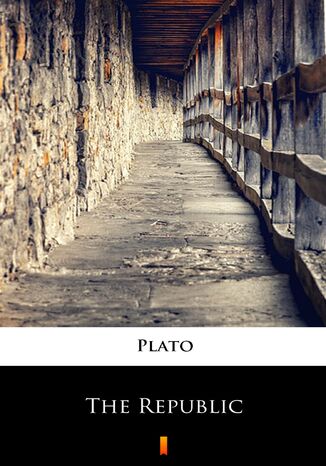
Plato
Plato was the first Western philosopher to apply philosophy to politics. His ideas on, for example, the nature and value of justice, and the relationship between justice and politics, have been extraordinarily influential. The Republic of Plato is the longest of his works with the exception of the Laws, and is certainly the greatest of them. Presented as a series of dialogue between Socrates and Platos brothers Adeimantus and Glaucon, in eleven parts Plato step by step forms his ideal state, its rulers, their education, womens position and the position of art and poetry in the new state. With remarkable lucidity and deft use of allegory, Plato arrives at a depiction of a state bound by harmony and ruled by philosopher kings. And if you examine carefully, you will see the truth of many of his view points, especially those relating to imperfect societies.
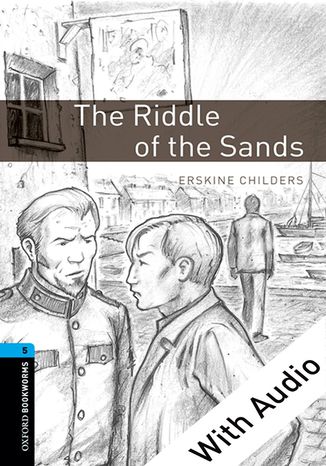
The Riddle of the Sands - With Audio Level 5 Oxford Bookworms Library
Childers, Erskine
A level 5 Oxford Bookworms Library graded reader. This version includes an audio book: listen to the story as you read. Retold for Learners of English by Peter Hawkins. When Carruthers joins his friend Arthur Davies on his yacht Dulcibella, he is expecting a pleasant sailing holiday in the Baltic Sea. But the holiday turns into an adventure of a different kind. He and Davies soon find themselves sailing in the stormy waters of the North Sea, exploring the channels and sandbanks around the German Frisian Islands, and looking for a secret - a secret that could mean great danger for England. Erskine Childers' novel, published in 1903, was the first great modern spy story, and is still as exciting to read today as it was a hundred years ago.
The Riddle of the Sands Level 5 Oxford Bookworms Library
Childers, Erskine
A level 5 Oxford Bookworms Library graded reader. Retold for Learners of English by Peter Hawkins When Carruthers joins his friend Arthur Davies on his yacht Dulcibella, he is expecting a pleasant sailing holiday in the Baltic Sea. But the holiday turns into an adventure of a different kind. He and Davies soon find themselves sailing in the stormy waters of the North Sea, exploring the channels and sandbanks around the German Frisian Islands, and looking for a secret - a secret that could mean great danger for England. Erskine Childers' novel, published in 1903, was the first great modern spy story, and is still as exciting to read today as it was a hundred years ago.
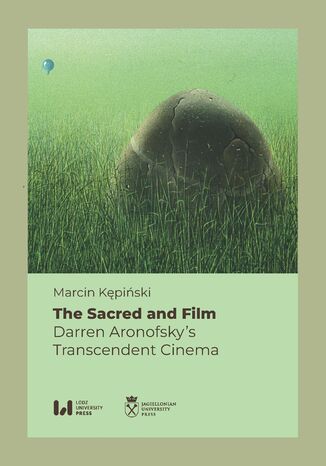
The Sacred and Film. Darren Aronofsky\'s Transcendent Cinema
Marcin Kępiński
The book about the transcendent cinema of Darren Aronofsky takes the reader on a journey through the selected filmography of this outstanding American director. A monograph devoted entirely to his extraordinary work, which among film experts and film audiences has both a group of devoted admirers and critics. A strong, even anarchist accent falls here on the type of film hero presented, living on the margins of society and consciously rejecting its normative structures. The films, as well as the literature to which the book refers, are an expression of a critical attitude towards symbolic violence and the imposition of creatively limiting cultural norms on the individual, requiring such ordering such and no other understanding and experiencing the surrounding world. An astute observer of Darren Aronofsky's work will notice the existence of metaphysical problems in it, sometimes directly directed towards religious issues. We can call this kind of cinema transcendent. This cinema is only seemingly pessimistic in its meaning. It is worth looking for mythical stories to try to hear and understand what they have to offer us. It is worth turning to transcendence and trying to express the inexpressible, also in the art of film, as does Darren Aronofsky, who wants to be a trustee of great mythical narratives. These features, so characteristic of the director, can be seen, to a greater or lesser extent, in all his films, especially those referred to in this monograph. It will be interesting for the reader who expects from contemporary cinema something more than unsophisticated entertainment and wants to go beyond its ludic dimension.