
Literatura
W kategorii literatura znajdziesz najlepsze książki, ebooki i audiobooki z całego rynku wydawniczego. Czekają na Ciebie książkowe nowości, a także bestsellery, które nie schodzą z pierwszych miejsc rankingów - mrożące krew w żyłach kryminały, literatura piękna, najlepsze reportaże, literatura young adult lub zmysłowe opowiadania erotyczne. Bez względu na to, czy wolisz tradycyjne książki, czy wybierasz czytanie ebooków, z pewnością znajdziesz tutaj coś dla siebie.
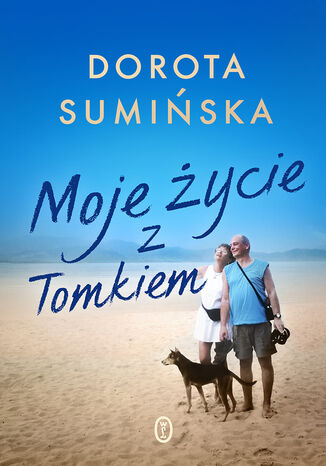
Dorota Sumińska
Kiedyś pisałam do Ciebie listy, bo nie zawsze chciałeś rozmawiać o tym, co było dla mnie ważne. Dziś piszę, bo nie możesz ze mną rozmawiać (). Widziałam, jak wylatujesz mi z rąk, jak umykasz gdzieś, gdzie Cię nie dogonię. Twoje wielkie źrenice ziały pustką. Połamałam Ci żebra, bo wierzyłam, że Cię zatrzymam. Dalej wierzę. Nie daj mi stracić tej wiary, bo nie chcę bez Ciebie żyć rozpoczyna swoją najnowszą książkę Dorota Sumińska. Adresat tych słów, Tomasz Wróblewski uznany lekarz i wieloletni partner pisarki zmarł 7 listopada 2021 roku, w niespełna miesiąc po ich ślubie. Byli nastolatkami, kiedy rozkwitła między nimi miłość. Potem ich drogi rozeszły się na ponad trzy dekady, aż w końcu zostali parą na dobre i na złe, już jako dorośli ludzie po przejściach. Dzielili pasję do podróżowania i medycyny oraz miłość do zwierząt, wzajemnie się inspirowali, nie było im jednak dane cieszyć się małżeństwem. Moje życie z Tomkiem to najbardziej osobista opowieść w literackim dorobku autorki Dość miłosne wspomnienie, album wspólnych chwil, list do ukochanego, krzyk nadziei, jęk rozpaczy i intymne wyznanie w jednym. Książka, która powstała z miłości i niezgody na nagłą stratę ukochanej osoby.
Lucjan Rydel
Mojej żonie Wyrosłaś tak... Wyrosłaś tak Jako ta srebrna brzózka, Co listki wiatr jej muska -- Jak polny mak, Co czerwoną sukienką Pośród łanu się pali -- Jak ta jarzębina, Co pod Bożą Męką Cała w krasie korali Gałązeczki ugina -- Jak ten kwiat jabłoni, Co w śnieżystej bieli Różowo się płoni -- Jak dziewanna złocista, Gdy ku słońcu wystrzeli W królewskiej przyodziewie. [...]Lucjan RydelUr. 17 maja 1870 r. w Krakowie Zm. 8 kwietnia 1918 r. w Krakowie Najważniejsze dzieła: Poezje 1899, Zaczarowane koło, Betlejem polskie (1904), Zygmunt August (1913) Poeta, dramaturg, prozaik i tłumacz okresu Młodej Polski; satyrycznie sportretowany przez Wyspiańskiego w Weselu jako Pan Młody. Ukończył wydział prawno-polityczny na Uniwersytecie Jagiellońskim w Krakowie, po czym zwrócił się ku innej dziedzinie i studiował historię i historię sztuki w Berlinie, a dzięki stypendium Akademii Umiejętności również w Paryżu na kilku uczelniach; tam też pracował w Bibliotece Polskiej. Był miłośnikiem kultury antycznej. Wróciwszy do Polski, ożenił się 20 listopada 1900 r. z Jadwigą Mikołajczykówną, córką chłopa z Bronowic, co stało się głośnym wydarzeniem towarzysko-artystycznym. Był animatorem życia kulturalnego wsi; zakładał czytelnie dla ludu, prowadził wykłady i organizował przedstawienia. Na Akademii Sztuk Pięknych w Krakowie przez wiele lat dawał cieszące się dużą popularnością wykłady z historii sztuki greckiej. Tematyka ta pojawia się również w jego twórczości artystycznej, mianowicie w cyklu sonetów Mitologie greckie oraz opowieściach z czasów starożytnej Grecji (Ferenike i Pejsidoros, 1909). Pisał ponadto poematy bajeczne: Bajka i Kasi i królewiczu (1903), Pan Twardowski (1906), Madejowe łoże (1909), a także szkice historyczne: Awanturnik XVIII wieku, książę ?Dynassów? (1903), Królowa Jadwiga (1910). Cieszył się również uznaniem jako twórca sceniczny, autor baśni scenicznej Zaczarowane koło, widowiska jasełkowego Betlejem polskie oraz trylogii historycznej Zygmunt August. Dał się poznać jako znakomity tłumacz; przetłumaczył fragmenty Iliady Homera, wiersze Horacego, Anakreonta i Pindara oraz Sawantki Moliera.Kupując książkę wspierasz fundację Nowoczesna Polska, która propaguje ideę wolnej kultury. Wolne Lektury to biblioteka internetowa, rozwijana pod patronatem Ministerstwa Edukacji Narodowej. W jej zbiorach znajduje się kilka tysięcy utworów, w tym wiele lektur szkolnych zalecanych do użytku przez MEN, które trafiły już do domeny publicznej. Wszystkie dzieła są odpowiednio opracowane - opatrzone przypisami oraz motywami.
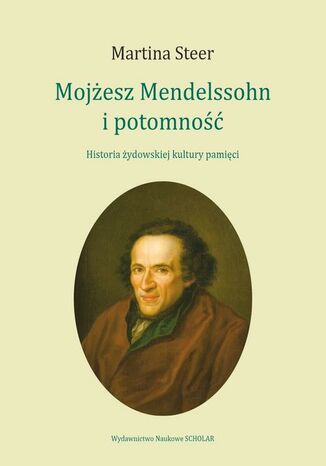
Mojżesz Mendelssohn i potomność
Martina Steer
Tytuł oryginału: Moses Mendelssohn und seine Nachwelt. Eine Kulturgeschichte der jüdischen Erinnerung Seria Klio w Niemczech, t. 28 Książka wydana wspólnie z Niemieckim Instytutem Historycznym w Warszawie Żydowski filozof oświeceniowy Moses Mendelssohn pozostawał postacią kontrowersyjną jeszcze długo po swojej śmierci: jedni widzieli w nim wizjonera dającego początek lepszej przyszłości, inni zaś winili go za upadek judaizmu. Martina Steer napisała pierwszą całościową analizę fenomenu Mendelssohna jako zbiorowego miejsca pamięci od momentu jego śmierci w 1786 r. do czasów narodowego socjalizmu w Niemczech. Na przykładzie obchodów jubileuszowych organizowanych na jego cześć w Niemczech, Polsce i USA autorka pokazuje związki między pamięcią o Mendelssohnie w tych krajach i przedstawia go jako jedno z najsilniej oddziałujących żydowskich miejsc pamięci. Martina Steer pracuje na Uniwersytecie Wiedeńskim, gdzie zajmuje się historią Żydów i Europy. Wykładała także na Uniwersytecie Europejskim we Florencji, była stypendystką licznych instytucji naukowych w Europie i Stanach Zjednoczonych. Jest autorką biografii Berthy Badt-Strauss, jednej z najbardziej znanych niemieckich dziennikarek międzywojnia i jednocześnie działaczki syjonistycznej.
Aleksandra Igras
Mokra biel Bambino" to dojrzałe pisanie. Historie jak z telewizyjnego reportażu albo z wiejskich plotek Igras ubiera w wyrafinowaną literaturę, a tę nasyca niepokojącym przeczuciem Śmierci. Perfekcyjnie panuje przy tym nad językiem: bogaty, subtelny i dyskretny wraz z rozwojem fabuły zanika aż do przezroczystości, pozostawiając samą Opowieść." Jacek Zalewski. Pisarz, publicysta, fotograf.
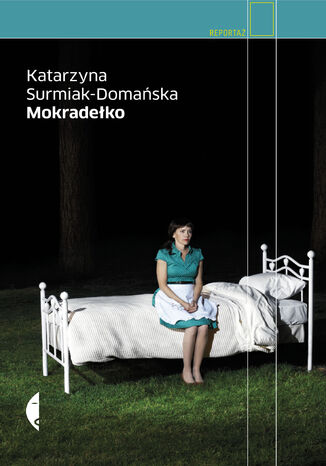
Katarzyna Surmiak-Domańska
Wydała autobiografię, w której opisała, jak za milczącą zgodą matki przez lata była wykorzystywana przez swojego ojca. W miejscowej bibliotece ustawiła się kolejka. Chociaż autorka ukryła się pod pseudonimem, wszyscy szybko domyślili się, o kogo chodzi. Bo na książce się nie skończyło. Halszka udzielała wywiadów, występowała w telewizji i opowiadała otwarcie o tym, co robił z nią ojciec. Mokradełko to spojrzenie na Halszkę Opfer - autorkę głośnego Kato-taty - oczami osób z jej najbliższego otoczenia: męża, sąsiadek, teściowej, lekarki. Jak widzą kogoś, kto wybrał sobie pseudonim "Ofiara", ale nie zachowuje się jak na ofiarę przystało? Matka nie może wybaczyć córce, że publicznie mówi o sprawach, które dotyczą rodziny. Oświadczyła, że nie chce jej znać. Córka wybiera się w podróż do matki. Razem z nią jedzie reporterka, która staje się uczestnikiem wydarzeń.
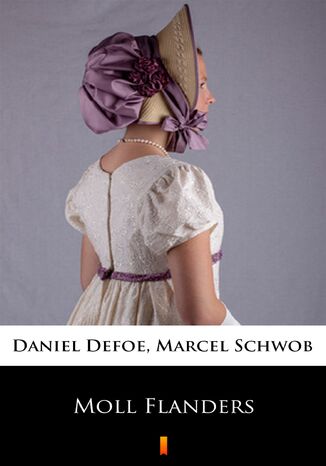
Daniel Defoe
Mall Flanders est lhistoire dune femme qui traverse des moments difficiles. Elle est une femme forte et affirmée qui utilise tous les moyens possibles pour survivre. A cette époque, les femmes nétaient que des bagatelles. Elle passe des réputés, dans les bidonvilles de London Street, a un mariage au hasard avec son frere. Lhistoire est pleine dévénements sinueux.

Daniel Defoe
Moll Flanders - a novel by Daniel Defoe, an English trader, writer and spy. He is most famous for his novel Robinson Crusoe, which is claimed to be second only to the Bible in its number of translations. It is usually assumed that the novel was written by Daniel Defoe, and his name is commonly given as the author in modern printings of the novel. However, the original printing did not have an author, as it was an apparent autobiography. The attribution of Moll Flanders to Defoe was made by bookseller Francis Noble in 1770, after Defoe's death in 1731. The novel is based partially on the life of Moll King, a London criminal whom Defoe met while visiting Newgate Prison. Historically, the book was occasionally the subject of police censorship.

Agnieszka Lingas-Łoniewska
Molly, a właściwie Melania Tarczyńska, od dziecka uczyła się jednego: że nikt nie zostaje na zawsze. Po zniknięciu matki i upadku ojca jej świat rozsypał się na dobre. Domy dziecka, rodziny zastępcze, ciągła walka o przetrwanie - to tam nauczyła się nie ufać i nie przywiązywać. Dziś rekompensuje sobie wszystko prędkością, głośną muzyką i nocami, które mają nie mieć jutra. Ryzyko stało się jej paliwem. Jest Robson - jedyna stała w jej chaosie. Przyjaciel z przeszłości, chłopak, którego kiedyś kochała i który złamał jej serce. Teraz łączy ich lojalność i wspólne demony. Molly jest przekonana, że dokładnie tak ma wyglądać jej życie: bez zobowiązań, bez uczuć, bez bólu. Wszystko zmienia się w jednej chwili. W klubowym półmroku staje twarzą w twarz z Wiktorem Tuli - chłopakiem, którego pamięta z dzieciństwa, a który dziś jest kimś zupełnie innym. Bogaty, wpływowy, kontrolujący każdy aspekt swojego świata. I kompletnie nieprzygotowany na to, jak bardzo Molly wywróci go do góry nogami. Między nimi rodzi się napięcie, którego nie da się ignorować. Ona daje mu chaos i emocje, których nigdy nie znał. On oferuje jej spokój i bezpieczeństwo, o jakim nawet nie śmiała marzyć. Ale przeszłość nie znika tylko dlatego, że pojawia się uczucie. Tajemnice, różnice klasowe i wrogowie, którzy nie chcą dopuścić do tego związku, sprawiają, że każde z nich musi odpowiedzieć sobie na jedno pytanie: czy miłość jest warta ryzyka? Bo on jest gotów zawalczyć o nią za wszelką cenę. Tylko czy Molly odważy się zaufać - i pozwolić sobie na coś więcej niż jedną, szaloną noc?
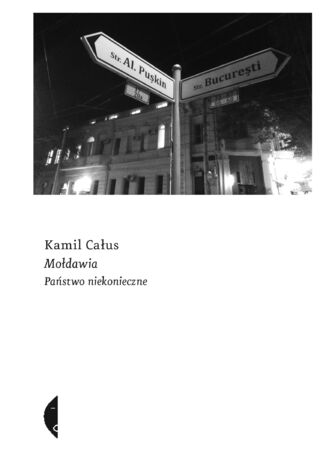
Mołdawia. Państwo niekonieczne
Kamil Całus
Dla wielu mieszkańców Mołdawii i niemałej grupy rządzących nią polityków uzyskana w 1991 roku niepodległość miała być tylko przystankiem na drodze do zjednoczenia z rumuńską macierzą. Jednak nie wszyscy obywatele młodej republiki podzielali tę wizję. W Bukareszcie też nie pałano do niej entuzjazmem. W rezultacie sen o zjednoczeniu zakończył się tak szybko, jak się zaczął, a niewielki kraj dosłownie rozpadł się na trzy części. Nagle stało się jasne, że Mołdawię która nigdy wcześniej nie miała okazji cieszyć się państwowością trzeba będzie wymyślić, wymarzyć na nowo. Sprawić, by w oczach swoich obywateli i świata stała się państwem koniecznym, napełnionym treścią, leżącym w konkretnym miejscu na mapie. Zdanie to okazało się jednak bardzo trudne. Jak bowiem tworzyć państwo, gdy jedna czwarta obywateli opowiada się za jego likwidacją, a co trzeci posiada więcej niż jeden paszport? Jak znaleźć ideę jednoczącą naród, gdy jego przedstawiciele nie potrafią dojść do porozumienia nawet w sprawie nazwy używanego na co dzień języka? Jak przekonać ludzi, że warto poświęcić coś dla kraju, który jest młodszy od połowy jego mieszkańców i który nie potrafi zagwarantować swoim obywatelom zaspokojenia podstawowych potrzeb? Książka Kamila Całusa opowiada o kraju zrodzonym z niespełnionych marzeń i o ludziach, którzy próbują znaleźć odpowiedź na pytanie, co to znaczy być Mołdawianinem.

Eliza Orzeszkowa
Eliza Orzeszkowa Moment ISBN 978-83-288-2572-7 Janowi hr. Jundziłłowi ze słowami szacunku i przyjaźni przesyła *Autorka*. Słońce letnie zachodziło; pole, powietrze, niebo, były zupełnie ciche. Cicho od zorzy wieczornej odrywały się i po błękitnem sklepieniu płynęły obłoki złotawe i różane; cicho na wzgórzystem polu kwitły, wśród brunatnych owsów, łubiny ogniste i gryki śnieżnie białe; ciszę powietrza haftowały grubszymi i cieńszymi tonami brzęczenia owadów i świeg... Eliza Orzeszkowa Ur. 6 czerwca 1841 r. w Miłkowszczyźnie Zm. 18 maja 1910 r. w Grodnie Najważniejsze dzieła: Nad Niemnem (1888), Cham (1888), Meir Ezofowicz (1878), Gloria victis (1910), Dobra pani (1873), A...B...C... (1873), Niziny (1885), Dziurdziowie (1885) Polska pisarka nurtu pozytywizmu znana pod nazwiskiem męża, Piotra Orzeszko, nazwisko rodowe: Korwin-Pawłowska. Publikowała pod pseudonimami: E.O., Bąk, Wa-Lit-No, Li...ka, Gabriela, Litwinka. Pierwszymi jej tekstami były powieści tendencyjne (Marta 1873); cele swojej wczesnej twórczości przedstawiła w rozprawach: Kilka uwag nad powieścią (1866) i Listy o literaturze (1873). Drugim etapem pisarskim Orzeszkowej był realizm (Nad Niemnem), oscylujący niekiedy w kierunku naturalizmu (Dziurdziowie). Teoretycznoliterackie opracowanie założeń powieści realistycznej znalazło się w rozprawie O powieściach T.T. Jeża z rzutem oka na powieść w ogóle (1879). Późne utwory noszą cechy prozy modernistycznej (tom Gloria victis). Najsłynniejsza powieść Orzeszkowej, Nad Niemnem, dotyczy tematu tożsamości narodowej, będąc jednocześnie uczczeniem powstania styczniowego, w którym autorka czynnie brała udział. Samo powstanie było bardzo ważną częścią jej życia - w swoim domu ukrywała ostatniego dyktatora tego zrywu narodowego, Romualda Traugutta, osobiście też organizowała zaopatrzenie i pomoc lekarską dla powstańców. Pisarka utrzymywała ścisłe kontakty ze środowiskiem literackim: M. Konopnicka była jej bliską przyjaciółką jeszcze z pensji; ożywiona korespondencja łączyła Orzeszkową z L. Méyetem i Z. Miłkowskim; była związana z tygodnikiem Bluszcz. Nominowana do Nagrody Nobla w 1905 r., przegrała jednak z H. Sienkiewiczem. Twierdziła, że literatura powinna odpowiadać za los społeczeństwa. autor: Bartłomiej Sandomierski Kupując książkę wspierasz fundację Nowoczesna Polska, która propaguje ideę wolnej kultury. Wolne Lektury to biblioteka internetowa, rozwijana pod patronatem Ministerstwa Edukacji Narodowej. W jej zbiorach znajduje się kilka tysięcy utworów, w tym wiele lektur szkolnych zalecanych do użytku przez MEN, które trafiły już do domeny publicznej. Wszystkie dzieła są odpowiednio opracowane - opatrzone przypisami oraz motywami.
Urszula Kozioł
Niepokojące i przejmujące świadectwo niegodzenia się z tym, co nieuchronne kto mi to zrobił za co że straciłam głowę i serce - została mi tylko szara bura pamięć sztywna i goła jak jakiś nieboszczyk Momenty to poruszające, a nierzadko wręcz wstrząsające elegie o różnych stopniach i etapach samotności, odchodzenia, wygasania relacji między człowiekiem a teraźniejszością. Codzienność staje się jałowa i obca dlatego, że prawdziwy świat przeminął istniał w relacjach z ludźmi, którzy już odeszli. To być może najbardziej autobiograficzny, a zarazem najmroczniejszy tom Urszuli Kozioł, a przez to autentyczny i boleśnie realistyczny, ustawiający się w kontrze wobec stoicyzmu.
Janusz Korczak
Janusz Korczak Momenty wychowawcze ISBN 978-83-288-2379-2 Uwagi wstępne I. Naczelne miejsce w medycynie zajmuje nauka o rozpoznawaniu. Student bada szeregi osobników; uczy się patrzeć, a dostrzegając objawy, tłumaczyć je, wiązać, na ich podstawie wnioskować. Jeśli pedagogika zechce iść drogą utorowaną przez medycynę, musi wypracować diagnostykę wychowawczą opartą na rozumieniu objawów. Czym gorączka, kaszel, wymioty dla lekarza, tym uśmiech, łza, rumieniec dla w... Janusz Korczak Ur. 22 lipca 1878 (1879) w Warszawie Zm. 7 sierpnia 1942 w Treblince Najważniejsze dzieła: Król Maciuś Pierwszy (1923), Bankructwo Małego Dżeka (1924), Kajtuś czarodziej (1934), Kiedy znów będę mały (1925), Senat szaleńców (1931), Jak kochać dziecko (1920), Prawo dziecka do szacunku (1929) Właśc. Henryk Goldszmit. Z wykształcenia i zawodu lekarz, zasłynął jako pedagog i psycholog dziecięcy, twórca niezwykle nowatorskiego systemu wychowawczego, opartego na zasadach demokracji, szczerości, szacunku oraz wszechstronnej aktywizacji społecznej dzieci (np. jego podopieczni redagowali samodzielnie czasopismo ,,Mały Przegląd"). Współtwórca i kierownik żydowskiego Domu Sierot w Warszawie (1912-1942) oraz sierocińca dla dzieci polskich Nasz Dom (1919-1936) mieszczącego się na Bielanach w Warszawie. Wykładowca Instytutu Pedagogiki Specjalnej oraz Wolnej Wszechnicy Polskiej. Zajmował się publicystyką, współpracując m.in. z czasopismami ,,W słońcu" i ,,Szkoła Specjalna" oraz Polskim Radiem, w którym wygłaszał popularne pogadanki radiowe opublikowane następnie pt. Pedagogika żartobliwa. W 1942 w getcie warszawskim, pełniąc nieprzerwanie funkcję pediatry i opiekuna sierot, pisał Pamiętnik (wyd. po wojnie w Wyborze pism). Zginął w hitlerowskim obozie zagłady w Treblince wraz z wychowankami swojego zakładu. Kupując książkę wspierasz fundację Nowoczesna Polska, która propaguje ideę wolnej kultury. Wolne Lektury to biblioteka internetowa, rozwijana pod patronatem Ministerstwa Edukacji Narodowej. W jej zbiorach znajduje się kilka tysięcy utworów, w tym wiele lektur szkolnych zalecanych do użytku przez MEN, które trafiły już do domeny publicznej. Wszystkie dzieła są odpowiednio opracowane - opatrzone przypisami oraz motywami.
Pierre Loti
Cest un roman semi-autobiographique de lauteur français Pierre Loti. Il raconte lamitié de lofficier de marine français Pierre Loti et du marin breton Yves Kermadeka, un travailleur acharné, dans les années 1870 et 80. Cétait probablement le livre le plus célebre de Loti et ses descriptions de la vie des Bretons la mer, bord dun navire et terre.
Bianca Bellová
Mona. Dziewczynka zajadająca się malinowymi makaronikami. Przyjaciółka wołu o imieniu Mun. Dojrzała kobieta, która nie chce chować włosów pod chustą. Matka syna, który z nią nie rozmawia. Żona męża, który jej nie dotyka. Pielęgniarka w szpitalu powoli pożeranym przez rozrastającą się dżunglę. Kiedy na jej oddział trafia ciężko ranny Adam, Mona robi wszystko, by chłopak przeżył. A w niej samej wybucha żądza i pragnienie zmiany. Tylko czy można uciec od zniewalających zasad, przeszłości, siebie? Po międzynarodowym sukcesie Jeziora Bianca Bellová powraca z nową powieścią, by znów umiejscowić swoich bohaterów w niedookreślonym czasie i przestrzeni, w świecie tajemniczym, nienazwanym, choć nasuwającym wiele realnych skojarzeń. Czeska autorka w typowym dla siebie surowym stylu tka poruszającą, uniwersalną opowieść o silnych emocjach wplątanych w sztywne nakazy.
Ignacy Krasicki
Nie wszystko złoto, co się świeci z góry, / Ani ten śmiały, co się zwierzchnie sroży: / Zewnętrzna postać nie czyni natury, / Serce, nie odzież, ośmiela lub trwoży. / Dzierżały miejsca szyszaków kaptury, / Nieraz rycerzem bywał sługa boży; / Wkrada się zjadłość i w kąty spokojne - / Taką ja śpiewać przedsięwziąłem wojnę. (Fragment)
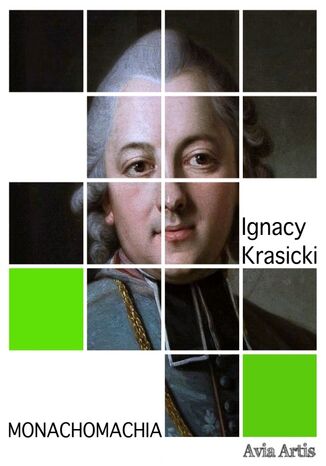
Ignacy Krasicki
“Monachomachia” to utwór Ignacego Krasickiego, jednego z głównych przedstawicieli polskiego oświecenia. Nazywany „księciem poetów polskich”. Tematem utworu jest walka pomiędzy mnichami dwóch zakonów: karmelitów i dominikanów. Przedstawienie sporu mnichów w utworze naznaczone jest groteskowym humorem. Jednocześnie Monachomachia jest ostrą satyrą, krytyką ukrytą pod kostiumem zabawnych postaci.