
Literatura
Thomas Hardy
The heroine of the novel is a young Elfrid. She can easily charm anyone with the look of her blue eyes. In her life, two appear, a young architect and an experienced writer. Former friends become rivals, and Elfrida is faced with a painful choice.
Kateryna Babkina
Młoda bohaterka trafia wprost z bombardowanego Kijowa do wiedeńskiego domu swojego ojca, towarzyszy jej dziecko, którego nie urodziła. Szuka swojego miejsca pomiędzy nieodczytanymi wiadomościami, nowymi ulicami i wspomnieniami z innego życia. To opowieść o błędach, które popełnia rzeczywistość, roślinach, które jednak nie wyrosły, pierwszej miłości i dorastaniu. "A pamiętasz, mamo?" jest też przejmującym portretem ukraińskich uchodźców wojennych, niewypowiedzianych traum, które wracają w najbardziej nieoczekiwanych momentach. Bohaterka jest matką i dzieckiem jednocześnie, jest w Wiedniu, ale też w Kijowie, jest blisko i daleko w tej samej chwili. Powieść ta to obraz świata, którego mieszkańcy próbują otaczać innych troską, choć sami jej potrzebują. To zdjęcie rodzinne ze śmiercią, która stale przebywa w pobliżu, o której nie sposób przestać myśleć, ale nie sposób też wiecznie ją rozpamiętywać. Bohaterka Babkiny jest dorosłym dzieckiem zdanym na łaskę rzeczywistości, która sama nie wie, co robi. "A pamiętasz, mamo" to najnowsza powieść Kateryny Babkiny, napisana w formie listów kilkunastoletniej bohaterki do nieobecnej matki. Autorem przekładu na język polski jest Bohdan Zadura.
E. Phillips Oppenheim
The marathon supports the radical form of general strikes to put the entire English industry on its knees and begin a long struggle for the redistribution of wealth. In many eloquent speeches, he claims the cause of poverty. Lord Foley, by contrast, believes that the enemies of England are waiting for mass actions aimed at the collapse of the country, during which they will invade and win. The marathon is obstructed from all sides by opposition forces that are trying to bring it to their side.
Joseph Conrad
A Personal Record is the story of the design and manuscript of Caprice Olmeyer, Conrads first novel, as well as the story of his dream about the sea, and the story of his cousin who ate a dog, and the story of a beloved dog presented to his son, but above all, the story of the novel The Olmeyer Caprice, and the strange prototype of the hero of this novel, and a few more words about the man who was the first reader of this novel. At the same time, A Personal Record is not a classic autobiography, the book sometimes resembles a game of association, and it is impossible to predict where the author will bring another memory, another association and the story it generated.
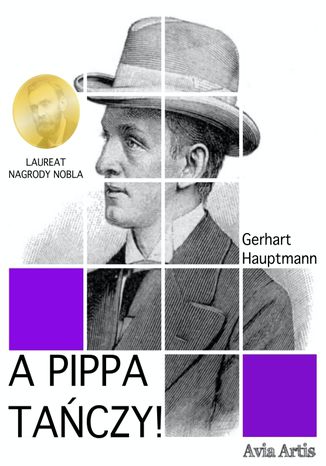
Gerhart Hauptmann
“A Pippa tańczy!” to sztuka Gerharta Hauptmanna, niemieckiego dramaturga i powieściopisarza, laureata literackiej Nagrody Nobla. Sztuka ta, a właściwie bajka, podzielona jest na cztery akty i rozgrywa się w śląskich górach. Głównymi postaciami sztuki są, włoski technik hutniczy Tagliazoni oraz Pippa, jego córka.
Ewa Gudrymowicz-Shiller
Julia wraz z siedmioma koleżankami bierze udział w przyjęciu-niespodziance dla przyjaciółki, która właśnie obchodzi czterdzieste urodziny. Ten wieczór zmieni życie jej i jej rodziny. Ewa Gudrymowicz –Schiller urodziła się i wychowała w Warszawie. Przez łata pracowała w „Składnicy Księgarskiej”, ekspediując książki w różne strony świata, wszędzie tam, gdzie znajdowała się choćby najmniejsza, spragniona ojczystego słowa, Polonia. Ewa jest matką dwojga, dorosłych już w tej chwili dzieci. Książki towarzyszyły jej zawsze, w rodzinnym domu czytali wszyscy, rodzice i sporo starsi od Ewy brat i siostra, ale to ojciec, który z racji zawodu (był zecerem), miał do czynienia z książkami na przez całe życie, nauczył ją miłości i szacunku do książek, miłości do poezji. To z jego ust mała Ewa poznawała pierwsze wiersze Mickiewicza, Słowackiego i innych poetów. Poniosła to potem w swoje dorosłe życie wdzięczna rodzicom za ten dar. Pisaniem wierszy parał się od dawna ojciec Ewy, nigdy jednak nie publikował, a część jego zapisków zginęła w zawierusze wojennej, długo przed urodzeniem Ewy. Nieliczne wiersz ojca, które ocalały, Ewa przechowuje jak największy skarb. Córka tak jak i ojciec zaczęła próbować swoich sił w pisaniu. Najpierw były to wiersze, krótkie nowelki, opowiadania, lecz prace jej tez trafiały do szuflady. Pierwszy swój wiersz napisała w wieku 13 lat. W połowie lat osiemdziesiątych opuściła wraz z dziećmi Polskę i osiadła na stałe w Kanadzie w mieście Kitchener. Po kursach języka angielskiego i zdobyciu odpowiednich kwalifikacji, przez wiele lat pracowała w służbie zdrowia. Już będąc w Kanadzie, bierze udział w konkursie literackim, miesięcznika „Ewa”, gdzie zdobywa nagrodę. W międzyczasie pisze i wydaje pierwszą książkę Pt. „Boczna Uliczka”, której pomysł w sercu nosiła od dawna. Powieść spotyka się z gorącym przyjęciem Polonii kanadyjskiej. Czytelnicy dopominają się o kontynuacje losów Anny Ewa jednak pisze i wydaje druga książkę zatytułowaną „Do widzenia, profesorze”, która jednocześnie jest drukowana w tygodniku „Goniec”, dostępnym w całej Kanadzie. Pisze również cykl nowelek pod wspólnym tytułem „Portrety Kobiece”, które drukowane są w odcinkach w miesięczniku „Kalejdoskop”, wydawanym w Ontario i w „Biuletynie Polonijnym”, ukazującym się w Quebek. Bierze udział w kilku polonijnych programach, radiowych i telewizyjnych. Jest również jurorka w polonijnych konkursach recytatorskich dla dzieci i młodzieży szkolnej Zarówno w powieściach jak i każdej z nowelek zawarte jest życie innej kobiety, ścieżki, na które kieruje ją los, decyzje, które podejmuje lub, których się boi podjąć. Marzenia i rozczarowania, problemy i radości dnia codziennego. Kobiety, które kreuje Ewa Gudrymowicz- Schiller, nie zaczynają swojego dnia od wizyty u kosmetyczki, a kończą na raucie, nie są ubrane w suknie od Armaniego lub Diora to nie gwiazdy, na które czatują fotoreporterzy. To kobiety takie jak my wszystkie. Swój dzień zaczynają w pośpiechu, uruchamiają niezliczone ilości, małych i wielkich spraw w ciągu doby, są matkami, żonami, kochankami. Kochają i są kochane! Czasami płacą za to gorzko, czasami są szczęśliwe, czasami przygniatają się pod ciężarem niełaskawego losu, a czasami po prostu wystarczy jeden promień słońca, żeby znów się podnieść i podążać dalej i dalej… W swojej wędrówce przez życie, Ewa przygląda się światu, słucha ludzi, obserwuje zdarzenie, odbiera i doświadcza różnorodnych odczuć, ale też odczytuje ludzkie emocje i mechanizmy działań. Koduje te skarby w jakimś zakamarku umysłu, żeby użyć ich potem do budowania kolejnej fabuły. Ewa jest osobą otwartą, spontaniczną, impulsywną, ciekawa świata i ludzi. Kocha zwierzęta. W jej domu zawsze jest jakiś podopieczny, pies, ptak, lub chomik. Teraz pod jej dachem mieszka urocza kotka imieniem „Kicia” i miniaturowa suczka rasy Yorki -„Gusia”. Miłość do zwierząt a szczególnie do psów ma swój wyraz w pisaniu jej każdej opowieści pojawia się jakiś czworonożny przyjaciel.
Stanisław Ignacy Witkiewicz (Witkacy)
A Portrait Company Today or tomorrow On a claret paper clean and smug, I have to get it done With your sucker’s mug. What a filthy trade it is to paint. What a filthy, filthy trade, To limn each puss with no complaint, And only to be poorly paid. It’s no great fun, I say, To paint a janitor all day, And for some bread Explore the stupid head [...]Stanisław Ignacy Witkiewicz (Witkacy)Ur. 24 lutego 1885 w Warszawie Zm. 18 września 1939 w Jeziorach na Polesiu Najważniejsze dzieła: W małym dworku dramat, 1921), Wariat i zakonnica (dramat, 1923), Janulka, córka Fizdejki (dramat, 1923), Matka (dramat 1924), Szewcy (dramat, 1934), Pożegnanie jesieni (powieść, 1927), Nienasycenie (powieść, 1930), Nowe formy w malarstwie i wynikające stąd nieporozumienia (1919), Pojęcia i twierdzenia implikowane przez pojęcie Istnienia (1935), Niemyte dusze (1936; wyd. 1975). Pseudonim Witkacy. Polski awangardowy malarz, dramaturg, pisarz i filozof. Malarstwo studiował na krakowskiej ASP (u J. Stanisławskiego i J. Mehofera). W czasie I wojny światowej zaciągnął się do armii carskiej, ranny w 1916 r., pojechał kurować się do rodziny w Moskwie, gdzie był świadkiem wybuchu rewolucji październikowej. Bezpośrednie doświadczenie historii ukształtowało katastroficzną historiozofię Witkacego. W 1918 roku wrócił do Polski i osiadł w Zakopanem. Pracował zarobkowo jako portrecista (w latach 30. stworzył jednoosobową "Firmę portretową"), tworzył teoretyczne teksty z zakresu estetyki, był członkiem krakowskiej grupy formistów, głosząc teorię Czystej Formy w sztuce, mającej odwoływać się u odbiorcy bezpośrednio do uczuć metafizycznych. Z czasem stworzył własny system filozoficzny. W 1935 r. odznaczony prze Polską Akademię Nauk. Po wybuchu II wojny światowej, nie przyjęty jako ochotnik do wojska, udał się w kierunku wschodniej granicy Polski. Zginął śmiercią artystyczno-samobójczą, zażywając weronal wraz ze swą ówczesną kochanką oraz podcinając sobie żyły na wieść o agresji Związku Radzieckiego na prowadzącą wojnę z hitlerowskimi Niemcami Polskę. Kupując książkę wspierasz fundację Nowoczesna Polska, która propaguje ideę wolnej kultury. Wolne Lektury to biblioteka internetowa, rozwijana pod patronatem Ministerstwa Edukacji Narodowej. W jej zbiorach znajduje się kilka tysięcy utworów, w tym wiele lektur szkolnych zalecanych do użytku przez MEN, które trafiły już do domeny publicznej. Wszystkie dzieła są odpowiednio opracowane - opatrzone przypisami oraz motywami.
A Portrait of the Artist as a Young Man
James Joyce
James Joyce first wrote Portrait as a one-thousand page novel, full of well-developed scenes and long explanations of Stephens motives, but he decided to trim it into a short book with a new sort of style. The novel tells the story of the first twenty years of Stephen Dedalus a young Catholic boy growing up in late 19th century Ireland. As the title suggests, this is the story not just of a young man, but of a boy developing into an artist. His search for knowledge and undestanding, and the decline of his familys circumstances, lead him to revelations on the nature of art and politics. His personal renaissance makes him feel unwelcome in his own nation, and forces him to decide whether to leave and accept exile, or to stay and fight. An semi-autobiographic novel, featuring a fictionalized character as Joyces alter-ego, it traces his formative childhood years that led him ambivalently away from a vocation in the clergy and into that of literature.