
Literatura

The Honourable Algernon Knox, Detective
E. Phillips Oppenheim
This is a very clever collection of linked stories by E. Phillips Oppenheim written in 1913. Algernon Knox, pretty young, dapper, seemingly silly, has failed at everything. Although wealthy, he fails when he stands for parliament. By chance he becomes involved in a blackmail against his uncle, who is a diplomat. Knox foils the plot, and a new career is born, the gentleman detective. In some ways, the young man carries out increasingly dangerous and cleaver missions against criminals and foreign spies. Haunted by the beautiful but foreign Adele de Hagon, Knox finds his career and fortunes on the rise. An enjoyable read!
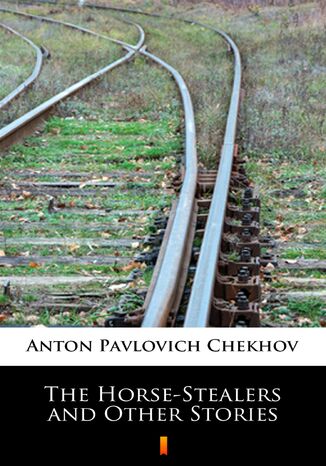
The Horse-Stealers and Other Stories
Anton Pavlovich Chekhov
There is a trial of the bare and thin peasant Denis Grigoriev. He is accused of unscrewing the nut, which rails are attached to the cross ties. The little man does not deny this, but does not see his guilt. The investigator finds out that Denis, like other men, unscrews the nuts in order to make them sinkers. The defendant sincerely does not understand that such unscrewing can lead to train accidents and death. The investigator sends the attacker to prison, but he still does not understand what he did.
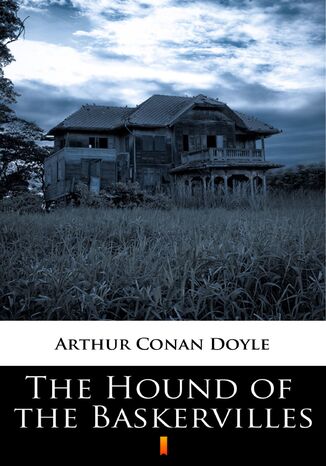
Arthur Conan Doyle
Holmes and Watson are faced with their most terrifying case yet. The legend of the devil-beast that haunts the moors around the Baskerville families home warns the descendants of that ancient clan never to venture out in those dark hours when the power of evil is exalted. Now, the most recent Baskerville, Sir Charles, is dead and the footprints of a giant hound have been found near his body. Will the new heir meet the same fate in The Hound of the Baskervilles ?
Arthur Conan Doyle
The Hound of the Baskervilles - a novel by Arthur Conan Doyle, a British writer and medical doctor. He created the characters of Sherlock Holmes and Dr. Watson. The Sherlock Holmes stories are considered milestones in the field of crime fiction. Dr James Mortimer calls on Sherlock Holmes in London for advice after his friend Sir Charles Baskerville was found dead in the yew alley of his manor on Dartmoor in Devon. The death was attributed to a heart attack, but according to Mortimer, Sir Charles's face retained an expression of horror, and not far from the corpse the footprints of a gigantic hound were clearly visible. According to an old legend, a curse runs in the Baskerville family since the time of the English Civil War, when Hugo Baskerville abducted and caused the death of a maiden on the moor, only to be killed in turn by a huge demonic hound. Allegedly the same creature has been haunting the manor ever since, causing the premature death of many Baskerville heirs. Sir Charles believed in the plague of the hound and so does Mortimer, who now fears for the next in line, Sir Henry Baskerville.
The Hound of the Baskervilles - With Audio Level 4 Oxford Bookworms Library
Doyle, Sir Arthur Conan
A level 4 Oxford Bookworms Library graded reader. This version includes an audio book: listen to the story as you read. Retold for Learners of English by Patrick Nobes. Dartmoor. A wild, wet place in the south-west of England. A place where it is easy to get lost, and to fall into the soft green earth which can pull the strongest man down to his death. A man is running for his life. Behind him comes an enormous dog - a dog from his worst dreams, a dog from hell. Between him and a terrible death stands only one person - the greatest detective of all time, Sherlock Holmes.
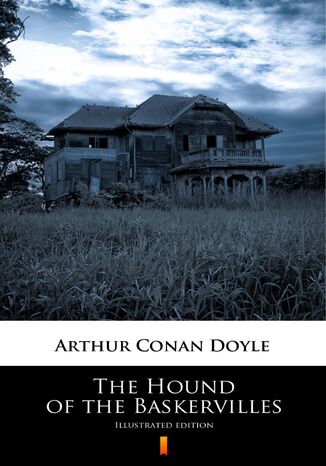
The Hound of the Baskervilles. Illustrated Edition
Arthur Conan Doyle
Holmes and Watson are faced with their most terrifying case yet. The legend of the devil-beast that haunts the moors around the Baskerville families home warns the descendants of that ancient clan never to venture out in those dark hours when the power of evil is exalted. Now, the most recent Baskerville, Sir Charles, is dead and the footprints of a giant hound have been found near his body. Will the new heir meet the same fate in The Hound of the Baskervilles ?
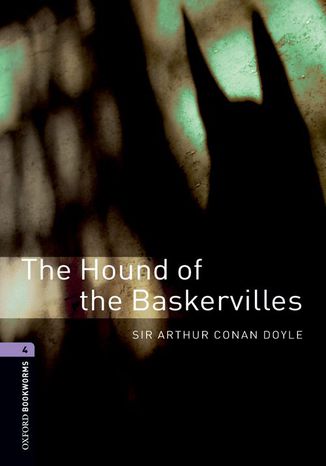
The Hound of the Baskervilles Level 4 Oxford Bookworms Library
Doyle, Sir Arthur Conan
A level 4 Oxford Bookworms Library graded reader. Retold for Learners of English by Patrick Nobes Dartmoor. A wild, wet place in the south-west of England. A place where it is easy to get lost, and to fall into the soft green earth which can pull the strongest man down to his death. A man is running for his life. Behind him comes an enormous dog - a dog from his worst dreams, a dog from hell. Between him and a terrible death stands only one person - the greatest detective of all time, Sherlock Holmes.
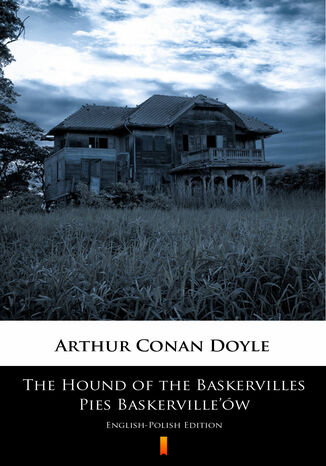
The Hound of the Baskervilles. Pies Baskervilleów. English-Polish Edition
Arthur Conan Doyle
<p>Book in two language versions: English and Polish. (Książka w dwóch wersjach językowych polskiej i angielskiej.) Such bilingual editions are primarily intended for people learning a foreign language and / or improving their language skills. The native text makes it easier to understand the content of the work in a foreign language. It is especially useful when the reader has difficulty understanding the plot or dialogues in the language they are learning or wants to improve their translation skills.</p><p>Holmes and Watson are faced with their most terrifying case yet. The legend of the devil-beast that haunts the moors around the Baskerville families home warns the descendants of that ancient clan never to venture out in those dark hours when the power of evil is exalted. Now, the most recent Baskerville, Sir Charles, is dead and the footprints of a giant hound have been found near his body. Will the new heir meet the same fate in The Hound of the Baskervilles?</p>