
Literatura
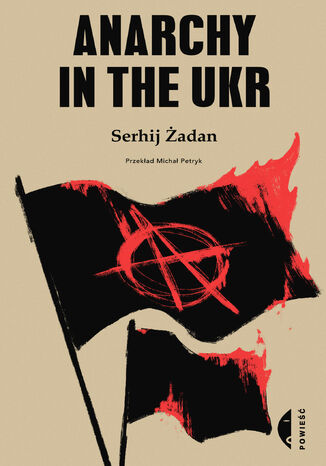
Serhij Żadan
Anarchy in the UKR to punkrockowa proza o wydarzeniach lat osiemdziesiątych, a także czasach ostatniej rewolucji w industrialnym Charkowie i jego rozległych okolicach. Osobista historia w czterdziestu rozdziałach, które ułożone są z filmowych ujęć i odautorskiego monologu. Osobliwości autostopu splatają się z opowieścią o niezależnych radiostacjach. Opisy dzieciństwa to nie tylko sentymentalny powrót do Kraju Rad, właśnie one wprowadzają nas w przeszłość wciąż nieznanej Ukrainy z nowojorskimi przyległościami, a wizja przyszłości przebija spod całej tej nostalgii. Dowodem na to jest choćby ścieżka dźwiękowa do tego filmu piosenki na stypę, tajemnicza stacja metra, pomniki, hotele i czerwony odcień międzynarodowego biznesu, czyli po prostu południowa strona północy. Michał Petryk

Alina Centkiewicz, Czesław Centkiewicz
Anaruk, eskimoski chłopiec z Grenlandii, i sprytne pingwiny z Zaczarowanej zagrody to najbardziej znani bohaterowie Aliny i Czesława Centkiewiczów. Z podróży do Arktyki i na Antarktydę autorzy przywieźli jednak wiele pasjonujących historii. Zachęcamy miłośników polarnych krain i krajobrazów skutych lodem do zaprzyjaźnienia się także z innymi, równie sympatycznymi postaciami: Piotrkiem i jego oswojonym białym niedźwiadkiem, Giwejem, który zamiast szamanem został pilotem, a także dzielnym Jędrkiem, który uratował tatę przed niedźwiedziem polarnym. Wydanie jubileuszowe z okazji 80. rocznicy rozpoczęcia twórczości pisarskiej przez Czesława Centkiewicza oraz 110. rocznicy jego urodzin.
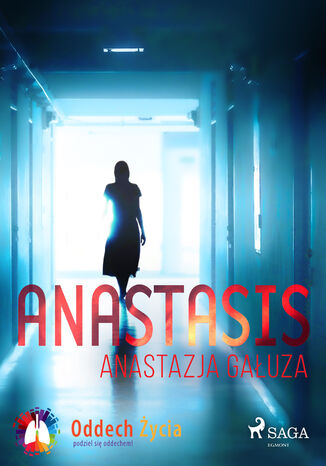
Anastazja Gałuza
Autobiograficzna powieść o zmaganiach z nieuleczalną chorobą mukowiscydozą. Autorka snuje refleksje o sensie życia i mierzy się z lękiem przed śmiercią, ale także skupia się na doświadczaniu codzienności, z której usiłuje pozyskać wszystko to, co uznaje za potrzebne i ważne. Zdaniem autorki autobiografia niesie dla niej także wartość terapeutyczną. Autorka wydała autobiografię w wersji papierowej dzięki współpracy z fundacją Oddech Życia, która pomaga chorym na mukowiscydozę oraz ich bliskim.
Eliza Orzeszkowa
Niezbyt obszerna pozytywistyczna powieść ukazująca obraz życia w przysiółku szlacheckim na przełomie wieków XIX i XX. ‘Anastazja’ to znakomity utwór literacki, godny polecenia.

Eliza Orzeszkowa
„Anastazya” to powieść autorstwa Elizy Orzeszkowej, jednej z najważniejszych pisarek polskich, epoki pozytywizmu. Jej nazwisko pojawiło się pośród kandydatów do Literackiej Nagrody Nobla W 1904 oraz 1909 roku.
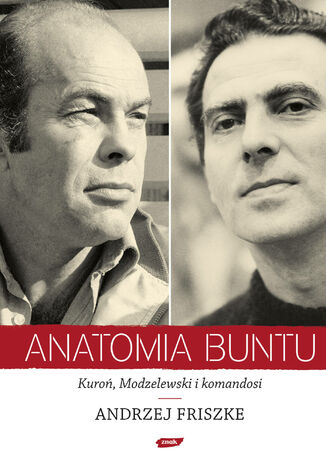
Andrzej Friszke
Przełomowa książka jednego z najwybitniejszych polskich historyków! Obraz antykomunistycznej opozycji został zdominowany przez wielkie, masowe wystąpienia. Poznański Czerwiec, warszawski Marzec i Solidarność to zdarzenia, które wymieniamy jednym tchem, gdy ktoś zapyta nas o to, jak doszło do upadku komunizmu. Od lat buduje się obraz powszechnego - narodowego - oporu. To obraz wygodny i chwalebny, ale czy prawdziwy? Nie ma w nim miejsca dla bohaterów. Nie mieszczą się w nim ludzie, którzy stawiali opór komunistycznej władzy w samotności. Otoczeni murem niezrozumienia, a nierzadko wrogości. Podsłuchiwani, śledzeni, więzieni i upokarzani. Myślenie o nich jest kłopotliwe, bo każe nam zastanawiać się nad własną postawą. Wciąż burzą nasz spokój i zmuszają do refleksji. W Anatomii buntu Andrzej Friszke, próbuje przełamać utarty i uproszczony obraz naszych najnowszych dziejów. Świetne pióro autora, nowatorskie podejście do źródeł (w tym także tych zgromadzonych w IPN) i przede wszystkim grono niezwykłych osób, jakie spotkamy na kartach tej książki, sprawiają, że jej lektura to przygoda z historią Polski. To najważniejsza książka o Polsce i Polakach od przełomu 1989 roku.
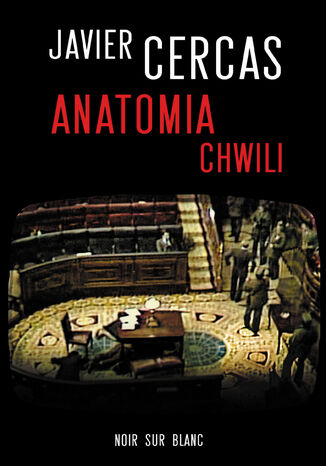
Javier Cercas
Anatomia chwili łączy w sobie dokument, esej i powieść. Autor szczegółowo analizuje mechanizmy i przebieg nieudanego zamachu stanu w Hiszpanii 23 lutego 1981 r. Przy tej okazji przedstawia spory fragment najnowszej historii Hiszpanii, starając się oczyścić ją z pokrzepiających mitów i zaciemniających obraz fałszerstw, tak chętnie kultywowanych przez minione dziesięciolecia. Książka, wyróżniona nagrodą dla najlepszej powieści, wygrała też w rankingu dziennika El País na najlepszą książkę roku 2010 .
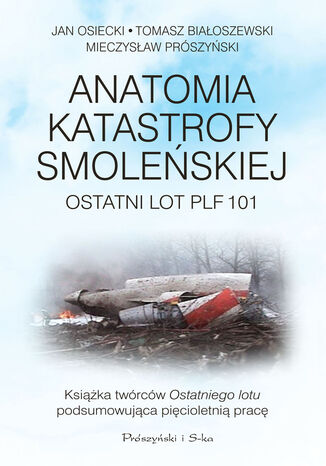
Anatomia katastrofy smoleńskiej. Ostatni lot PLF 101
Jan Osiecki, Tomasz Białoszewski, Mieczysław Prószyński
Po pięciu latach od katastrofy jest już oczywiste, że to niestety! piloci doprowadzili w pełni sprawny samolot do zderzenia z ziemią. Nie jest to jednak wyłącznie ich wina. Za plecami załogi stał generał Andrzej Błasik, który nie po to pojawił się w kokpicie, by biernie przyglądać się lądowaniu Jednak lot ku śmierci z 10 kwietnia 2010 roku zaczął się na wiele lat przed startem. Do tej katastrofy doprowadziły kolejne ekipy polityków, wojskowych i w końcu coraz słabiej wyszkolonych pilotów z 36 SPLT. Ta książka stanowi podsumowanie naszej pięcioletniej pracy. Wykorzystaliśmy w niej informacje, które zebraliśmy, przygotowując serię Ostatni lot, ale także zupełnie nowe dane, zdobyte dzięki kolejnym informatorom i kolejnym ujawnionym materiałom. Dosłownie w ostatniej chwili uwzględniliśmy również transkrypcję zapisu rozmów w kabinie pilotów wykonaną w latach 2014-2015 przez biegłych prokuratury wojskowej. Dzięki temu możemy dzisiaj dokładniej przybliżyć Czytelnikowi przyczyny, które przez lata składały się na to, co wydarzyło się mglistym rankiem 10 kwietnia 2010 roku w okolicach lotniska Siewiernyj w Smoleńsku.