Literatura
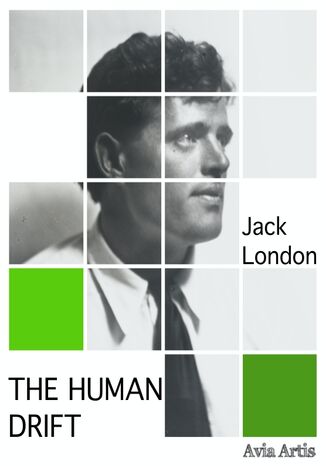
Jack London
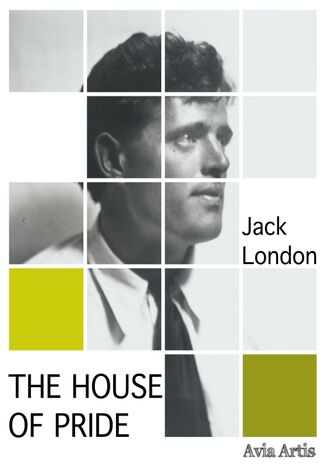
“The People of the Abyss” is a book by Jack London, an American novelist. A pioneer of commercial fiction and an innovator in the genre that would later become known as science fiction. The People of the Abyss (1903) is a book by Jack London made up of his firsthand account of life in the East End of London. George Orwell was inspired by The People of the Abyss, which he had read in his teens. In the 1930s, he began disguising himself as a derelict and made tramping expeditions into the poor section of London. The influence of The People of the Abyss can be seen in Down and Out in Paris and London and The Road to Wigan Pier.
Jack London
“The People of the Abyss” is a book by Jack London, an American novelist. A pioneer of commercial fiction and an innovator in the genre that would later become known as science fiction. The People of the Abyss (1903) is a book by Jack London made up of his firsthand account of life in the East End of London. George Orwell was inspired by The People of the Abyss, which he had read in his teens. In the 1930s, he began disguising himself as a derelict and made tramping expeditions into the poor section of London. The influence of The People of the Abyss can be seen in Down and Out in Paris and London and The Road to Wigan Pier.
Edgar Wallace
The setting is Nigeria a century ago, and British District Commissioner R.G. Sanders oversees the tribes. He discovers that Bosambo has been acting as chief without approval, but is so impressed with his skills Sanders allows him to remain in place, but Sanders heads to England to marry and unrest follows. The classic Commissioner Sanders stories about Africa by Edgar Wallace. This is the second collection in the series, following Sanders of the River. Wallace served in Africa and he gets the background right. Both books were written in the same year, when world powers were vying for colonial honor. Great humor, lots left to the readers imagination, but delightful stories about individuals and their interactions with Commissioner Sanders, British authority figure.
Edgar Rice Burroughs
“The People That Time Forgot“ is a novel by Edgar Rice Burroughs, an American fiction writer, who created such great characters as Tarzan and John Carter of Mars. The People That Time Forgot is a fantasy novel, the second of his Caspak trilogy. The trilogy includes “The Land That Time Forgot”, “The People That Time Forgot” and “Out of Time's Abyss”.
Max Brand
Kildare saves the life of a skater who had a car accident. But even though her leg is broken, she cannot walk, and she is trying to sue Kildare for negligence, and Kildares entire career and reputation are now based on the correct diagnosis in the courtroom.
Fred M. White
Sebastian Wilde really was a great man. He seemed to be paralysed from his hips downwards, which, indeed, was the case, though his arms were vigorous enough and his affliction had not robbed him of the brightness of his eyes or blunted the edge of his amazing intellect. He had no friends and visitors; he was pleased, in his words, to work quietly on the task of his life and, perhaps, when this is completed, he can go out of his obscurity and again take his place in the great world. However, what could such a noble person hide?
B.M. Bower
In The Phantom Herd from 1916 we follow a film director Luck Lindsay who wants to make an authentic western, therefore using the Happy Family boys and some of their friends as actors instead of professional actors. There are many difficulties along the way, some of which bid fair to be insurmountable and they are up against big problems, mostly the weather and deadline. The story is absolutely thrilling and at the same time Bower, with the help from a real western actor, has made a great research on how you made films in those early silent film days. One of many recommended works by this prolific author.
Aidan de Brune
There is always a special thrill of excitement about a mystery story, especially when the main characters cover their tracks successfully. The Phantom Launch is an Australian story through and through, its main setting being Sydney and Melbourne, and the swiftness and sureness with which both the launch people and amateur sleuths act will keep the reader breathless. Wireless plays an important part in this story. We defy any reader to guess the perpetrators of the crimes and the secret of the launch until the colorful and prolific Australian writer Aidan de Brune? reveals them.
The Phantom of the Opera - With Audio Level 1 Oxford Bookworms Library
Bassett, Jennifer
A level 1 Oxford Bookworms Library graded reader. This version includes an audio book: listen to the story as you read. Written for Learners of English by Jennifer Bassett. It is 1880, in the Opera House in Paris. Everybody is talking about the Phantom of the Opera, the ghost that lives somewhere under the Opera House. The Phantom is a man in black clothes. He is a body without a head, he is a head without a body. He has a yellow face, he has no nose, he has black holes for eyes. Everybody is afraid of the Phantom - the singers, the dancers, the directors, the stage workers . . . But who has actually seen him?
The Phantom of the Opera - With Audio Level 1 Oxford Bookworms Library
Bassett, Jennifer
A level 1 Oxford Bookworms Library graded reader. This version includes an audio book: listen to the story as you read. Written for Learners of English by Jennifer Bassett. It is 1880, in the Opera House in Paris. Everybody is talking about the Phantom of the Opera, the ghost that lives somewhere under the Opera House. The Phantom is a man in black clothes. He is a body without a head, he is a head without a body. He has a yellow face, he has no nose, he has black holes for eyes. Everybody is afraid of the Phantom - the singers, the dancers, the directors, the stage workers . . . But who has actually seen him?
The Phantom of the Opera - With Audio Level 1 Oxford Bookworms Library
Bassett, Jennifer
A level 1 Oxford Bookworms Library graded reader. This version includes an audio book: listen to the story as you read. Written for Learners of English by Jennifer Bassett. It is 1880, in the Opera House in Paris. Everybody is talking about the Phantom of the Opera, the ghost that lives somewhere under the Opera House. The Phantom is a man in black clothes. He is a body without a head, he is a head without a body. He has a yellow face, he has no nose, he has black holes for eyes. Everybody is afraid of the Phantom - the singers, the dancers, the directors, the stage workers . . . But who has actually seen him?
The Phantom of the Opera - With Audio Level 1 Oxford Bookworms Library
Bassett, Jennifer
A level 1 Oxford Bookworms Library graded reader. This version includes an audio book: listen to the story as you read. Written for Learners of English by Jennifer Bassett. It is 1880, in the Opera House in Paris. Everybody is talking about the Phantom of the Opera, the ghost that lives somewhere under the Opera House. The Phantom is a man in black clothes. He is a body without a head, he is a head without a body. He has a yellow face, he has no nose, he has black holes for eyes. Everybody is afraid of the Phantom - the singers, the dancers, the directors, the stage workers . . . But who has actually seen him?
The Phantom of the Opera - With Audio Level 1 Oxford Bookworms Library
Bassett, Jennifer
A level 1 Oxford Bookworms Library graded reader. This version includes an audio book: listen to the story as you read. Written for Learners of English by Jennifer Bassett. It is 1880, in the Opera House in Paris. Everybody is talking about the Phantom of the Opera, the ghost that lives somewhere under the Opera House. The Phantom is a man in black clothes. He is a body without a head, he is a head without a body. He has a yellow face, he has no nose, he has black holes for eyes. Everybody is afraid of the Phantom - the singers, the dancers, the directors, the stage workers . . . But who has actually seen him?
The Phantom of the Opera - With Audio Level 1 Oxford Bookworms Library
Bassett, Jennifer
A level 1 Oxford Bookworms Library graded reader. This version includes an audio book: listen to the story as you read. Written for Learners of English by Jennifer Bassett. It is 1880, in the Opera House in Paris. Everybody is talking about the Phantom of the Opera, the ghost that lives somewhere under the Opera House. The Phantom is a man in black clothes. He is a body without a head, he is a head without a body. He has a yellow face, he has no nose, he has black holes for eyes. Everybody is afraid of the Phantom - the singers, the dancers, the directors, the stage workers . . . But who has actually seen him?
The Phantom of the Opera Level 1 Oxford Bookworms Library
Bassett, Jennifer
A level 1 Oxford Bookworms Library graded reader. Written for Learners of English by Jennifer Bassett It is 1880, in the Opera House in Paris. Everybody is talking about the Phantom of the Opera, the ghost that lives somewhere under the Opera House. The Phantom is a man in black clothes. He is a body without a head, he is a head without a body. He has a yellow face, he has no nose, he has black holes for eyes. Everybody is afraid of the Phantom - the singers, the dancers, the directors, the stage workers . . . But who has actually seen him?
The Phantom of the Opera Level 1 Oxford Bookworms Library
Bassett, Jennifer
A level 1 Oxford Bookworms Library graded reader. Written for Learners of English by Jennifer Bassett It is 1880, in the Opera House in Paris. Everybody is talking about the Phantom of the Opera, the ghost that lives somewhere under the Opera House. The Phantom is a man in black clothes. He is a body without a head, he is a head without a body. He has a yellow face, he has no nose, he has black holes for eyes. Everybody is afraid of the Phantom - the singers, the dancers, the directors, the stage workers . . . But who has actually seen him?
The Phantom of the Opera Level 1 Oxford Bookworms Library
Bassett, Jennifer
A level 1 Oxford Bookworms Library graded reader. Written for Learners of English by Jennifer Bassett It is 1880, in the Opera House in Paris. Everybody is talking about the Phantom of the Opera, the ghost that lives somewhere under the Opera House. The Phantom is a man in black clothes. He is a body without a head, he is a head without a body. He has a yellow face, he has no nose, he has black holes for eyes. Everybody is afraid of the Phantom - the singers, the dancers, the directors, the stage workers . . . But who has actually seen him?
The Phantom of the Opera Level 1 Oxford Bookworms Library
Bassett, Jennifer
A level 1 Oxford Bookworms Library graded reader. Written for Learners of English by Jennifer Bassett It is 1880, in the Opera House in Paris. Everybody is talking about the Phantom of the Opera, the ghost that lives somewhere under the Opera House. The Phantom is a man in black clothes. He is a body without a head, he is a head without a body. He has a yellow face, he has no nose, he has black holes for eyes. Everybody is afraid of the Phantom - the singers, the dancers, the directors, the stage workers . . . But who has actually seen him?
The Phantom of the Opera Level 1 Oxford Bookworms Library
Bassett, Jennifer
A level 1 Oxford Bookworms Library graded reader. Written for Learners of English by Jennifer Bassett It is 1880, in the Opera House in Paris. Everybody is talking about the Phantom of the Opera, the ghost that lives somewhere under the Opera House. The Phantom is a man in black clothes. He is a body without a head, he is a head without a body. He has a yellow face, he has no nose, he has black holes for eyes. Everybody is afraid of the Phantom - the singers, the dancers, the directors, the stage workers . . . But who has actually seen him?
The Phantom of the Opera Level 1 Oxford Bookworms Library
Bassett, Jennifer
A level 1 Oxford Bookworms Library graded reader. Written for Learners of English by Jennifer Bassett It is 1880, in the Opera House in Paris. Everybody is talking about the Phantom of the Opera, the ghost that lives somewhere under the Opera House. The Phantom is a man in black clothes. He is a body without a head, he is a head without a body. He has a yellow face, he has no nose, he has black holes for eyes. Everybody is afraid of the Phantom - the singers, the dancers, the directors, the stage workers . . . But who has actually seen him?
George Bernard Shaw
“The Philanderer” is a play by George Bernard Shaw, an Irish playwright who became the leading dramatist of his generation, and in 1925 was awarded the Nobel Prize in Literature. The Philanderer was written in 1893 but the strict British censorship laws at the time meant that it was not produced on stage until 1902. This is one of three plays Shaw published as Plays Unpleasant in 1898. They were termed "unpleasant" because they were intended, not to entertain their audiences – as the traditional Victorian theatre was expected to – but to raise awareness of social problems and to censure exploitation of the labouring class by the unproductive rich. The other plays in the group are Widowers' Houses and Mrs. Warren's Profession.
Herman Melville
Melville has a fairly wide range of styles and approaches. Piazza is a Tolkien excursion into a fairyland, but she asks where the real fairyland is actually located. Piazza, a descriptive and sensitively told pastoral story.
Charles Dickens
The Pickwick Papers - a novel by Charles Dickens, an English writer who is regarded by many as the greatest novelist of the Victorian era. The novel's protagonist Samuel Pickwick, Esquire is a kind and wealthy old gentleman, the founder and perpetual president of the Pickwick Club. He suggests that he and three other "Pickwickians" should make journeys to places remote from London and report on their findings to the other members of the club. Their travels throughout the English countryside by coach provide the chief subject matter of the novel.
Charles Dickens
The Pickwick Papers - a novel by Charles Dickens, an English writer who is regarded by many as the greatest novelist of the Victorian era. The novel's protagonist Samuel Pickwick, Esquire is a kind and wealthy old gentleman, the founder and perpetual president of the Pickwick Club. He suggests that he and three other "Pickwickians" should make journeys to places remote from London and report on their findings to the other members of the club. Their travels throughout the English countryside by coach provide the chief subject matter of the novel.
Charles Dickens
This novel demonstrates Dickens experimenting with building his own voice. The Pickwick Papers is a series of linear adventures, unlike the convoluted plots of Dickenss later novels. In other words, we follow our heroes from one stop to the next and meet interesting characters, rather than unraveling a mystery. The novel is a late example of the picaresque, a style of story in which we follow a rough, but still likable, hero through his adventures.The Pickwick Club sends Mr. Pickwick and a group of friends to travel across England and to report back on the interesting things they find. In the course of their travels, they repeatedly encounter the friendly but disreputable Mr. Jingle, who becomes a continual source of trouble for all who know him. Pickwick himself is the victim of a number of misunderstandings that bring him both embarrassment and problems with the law.
Oscar Wilde
Possessing eternal youth and beauty produces exactly the same effect as sentencing a man to life without the possibility of parole. Both have nothing to lose and morals disappear before the desire for immediate self-gratification in all things. And so it is with Dorian Gray. Its a moral story so eventually his evil catches up with him and he dies, as does the criminal. The Picture of Dorian Gray by Oscar Wilde is a fascinating novel in which a beautiful young man, under the poisonous influence of an older dandy, makes a bargain with the devil, according to which he stays young and charming while his portrait becomes a reflection of his conscience. Wildes novel is about youth and beauty versus experience; morality and the triumph of the senses over reason; sin and accountability; society, its hypocrisy and the depths of the human condition.
The Picture of Dorian Gray - With Audio Level 3 Oxford Bookworms Library
Wilde, Oscar
A level 3 Oxford Bookworms Library graded reader. This version includes an audio book: listen to the story as you read. Retold for Learners of English by Jill Nevile. 'When we are happy, we are always good', says Lord Henry, 'but when we are good, we are not always happy.' Lord Henry's lazy, clever words lead the young Dorian Gray into a world where it is better to be beautiful than to be good; a world where anything can be forgiven - even murder - if it can make people laugh at a dinner party.
The Picture of Dorian Gray - With Audio Level 3 Oxford Bookworms Library
Wilde, Oscar
A level 3 Oxford Bookworms Library graded reader. This version includes an audio book: listen to the story as you read. Retold for Learners of English by Jill Nevile. 'When we are happy, we are always good', says Lord Henry, 'but when we are good, we are not always happy.' Lord Henry's lazy, clever words lead the young Dorian Gray into a world where it is better to be beautiful than to be good; a world where anything can be forgiven - even murder - if it can make people laugh at a dinner party.
The Picture of Dorian Gray - With Audio Level 3 Oxford Bookworms Library
Wilde, Oscar
A level 3 Oxford Bookworms Library graded reader. This version includes an audio book: listen to the story as you read. Retold for Learners of English by Jill Nevile. 'When we are happy, we are always good', says Lord Henry, 'but when we are good, we are not always happy.' Lord Henry's lazy, clever words lead the young Dorian Gray into a world where it is better to be beautiful than to be good; a world where anything can be forgiven - even murder - if it can make people laugh at a dinner party.
The Picture of Dorian Gray - With Audio Level 3 Oxford Bookworms Library
Wilde, Oscar
A level 3 Oxford Bookworms Library graded reader. This version includes an audio book: listen to the story as you read. Retold for Learners of English by Jill Nevile. 'When we are happy, we are always good', says Lord Henry, 'but when we are good, we are not always happy.' Lord Henry's lazy, clever words lead the young Dorian Gray into a world where it is better to be beautiful than to be good; a world where anything can be forgiven - even murder - if it can make people laugh at a dinner party.
The Picture of Dorian Gray - With Audio Level 3 Oxford Bookworms Library
Wilde, Oscar
A level 3 Oxford Bookworms Library graded reader. This version includes an audio book: listen to the story as you read. Retold for Learners of English by Jill Nevile. 'When we are happy, we are always good', says Lord Henry, 'but when we are good, we are not always happy.' Lord Henry's lazy, clever words lead the young Dorian Gray into a world where it is better to be beautiful than to be good; a world where anything can be forgiven - even murder - if it can make people laugh at a dinner party.
The Picture of Dorian Gray - With Audio Level 3 Oxford Bookworms Library
Wilde, Oscar
A level 3 Oxford Bookworms Library graded reader. This version includes an audio book: listen to the story as you read. Retold for Learners of English by Jill Nevile. 'When we are happy, we are always good', says Lord Henry, 'but when we are good, we are not always happy.' Lord Henry's lazy, clever words lead the young Dorian Gray into a world where it is better to be beautiful than to be good; a world where anything can be forgiven - even murder - if it can make people laugh at a dinner party.
The Picture of Dorian Gray Level 3 Oxford Bookworms Library
Wilde, Oscar
A level 3 Oxford Bookworms Library graded reader. Retold for Learners of English by Jill Nevile 'When we are happy, we are always good', says Lord Henry, 'but when we are good, we are not always happy.' Lord Henry's lazy, clever words lead the young Dorian Gray into a world where it is better to be beautiful than to be good; a world where anything can be forgiven - even murder - if it can make people laugh at a dinner party.
The Picture of Dorian Gray Level 3 Oxford Bookworms Library
Wilde, Oscar
A level 3 Oxford Bookworms Library graded reader. Retold for Learners of English by Jill Nevile 'When we are happy, we are always good', says Lord Henry, 'but when we are good, we are not always happy.' Lord Henry's lazy, clever words lead the young Dorian Gray into a world where it is better to be beautiful than to be good; a world where anything can be forgiven - even murder - if it can make people laugh at a dinner party.
The Picture of Dorian Gray Level 3 Oxford Bookworms Library
Wilde, Oscar
A level 3 Oxford Bookworms Library graded reader. Retold for Learners of English by Jill Nevile 'When we are happy, we are always good', says Lord Henry, 'but when we are good, we are not always happy.' Lord Henry's lazy, clever words lead the young Dorian Gray into a world where it is better to be beautiful than to be good; a world where anything can be forgiven - even murder - if it can make people laugh at a dinner party.
The Picture of Dorian Gray Level 3 Oxford Bookworms Library
Wilde, Oscar
A level 3 Oxford Bookworms Library graded reader. Retold for Learners of English by Jill Nevile 'When we are happy, we are always good', says Lord Henry, 'but when we are good, we are not always happy.' Lord Henry's lazy, clever words lead the young Dorian Gray into a world where it is better to be beautiful than to be good; a world where anything can be forgiven - even murder - if it can make people laugh at a dinner party.
The Picture of Dorian Gray Level 3 Oxford Bookworms Library
Wilde, Oscar
A level 3 Oxford Bookworms Library graded reader. Retold for Learners of English by Jill Nevile 'When we are happy, we are always good', says Lord Henry, 'but when we are good, we are not always happy.' Lord Henry's lazy, clever words lead the young Dorian Gray into a world where it is better to be beautiful than to be good; a world where anything can be forgiven - even murder - if it can make people laugh at a dinner party.
The Picture of Dorian Gray Level 3 Oxford Bookworms Library
Wilde, Oscar
A level 3 Oxford Bookworms Library graded reader. Retold for Learners of English by Jill Nevile 'When we are happy, we are always good', says Lord Henry, 'but when we are good, we are not always happy.' Lord Henry's lazy, clever words lead the young Dorian Gray into a world where it is better to be beautiful than to be good; a world where anything can be forgiven - even murder - if it can make people laugh at a dinner party.