
Literatura
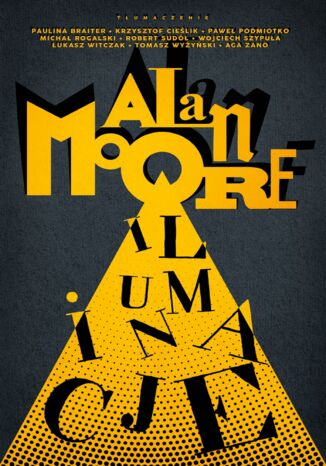
Alan Moore
W swoim pierwszym zbiorze opowiadań, obejmującym ponad czterdzieści lat pracy, Alan Moore przedstawia serię szalenie różnych, ale równie niezapomnianych postaci, które odkrywają a nawet niszczą i tworzą niezbadane zakamarki egzystencji. Konkubiny w fantastycznym domu rozkoszy i tragiczna historia miłosna. Paranormalna grupa badawcza zinfiltrowana przez jedną z nieziemskich istot, które chce zbadać. Surrealistyczna, kafkowska historia głównych graczy przemysłu komiksowego na przestrzeni ostatnich siedemdziesięciu pięciu lat. Pierwsze dni apokalipsy i specjalistka od prawa, która musi posprzątać ten bałagan. Duchy i stworzenia z innego świata, a także przygody mózgów Boltzmanna i wiele innych. Iluminacje to seria błyskotliwych, zaskakujących opowieści, które ujawniają pełną moc wyobraźni i magii, jak również dogłębną znajomość ludzkiej natury.
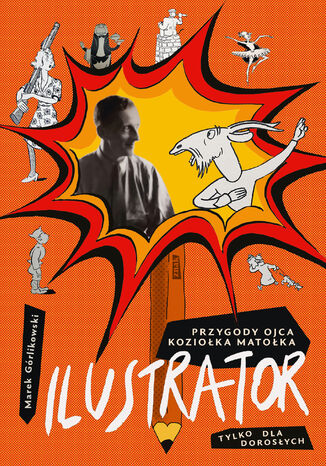
Ilustrator. Przygody ojca Koziołka Matołka dla dorosłych
Marek Górlikowski
Biografia Mariana Walentynowicza polskiego prekursora komiksu, artysty totalnego Znikł, przepadł. Pozostał po nim strych zawalony po strop teczkami i pudłami pełnymi akwarel, grafik, książek, plakatów, partytur, reportaży, dzienników, klisz, albumów. Chudy jak tyczka, śmiał się, że musi dwa razy wejść do pokoju, by ktoś go zauważył. Ale jego twórczość znali wszyscy. Dzieciom dał Koziołka Matołka, cichociemnym słynny znak spadającego orła, baśniom braci Grimm kultowe okładki. Polakom komiks, którego był błyskotliwym pionierem. Sława Walentynowicza rysownika przed wojną mogła się równać jedynie ze sławą Walentynowicza podróżnika. Kilka razy objechał świat dookoła. Jako korespondent wojenny przeszedł wraz z 1 Dywizją Pancerną gen. Maczka cały jej szlak bojowy. Gdziekolwiek był na tournée z baletem reprezentacyjnym, w Afryce na safari czy na procesach norymberskich utrwalał to, co widział. Ideałem było rysowanie w marszu. Bezlitosny i czuły: w jego karykaturach ludzie są brzydcy, na zdjęciach piękni. Z pajęczyn i kurzu autorowi tej książki udało się wydobyć nie tylko owoce jego talentu, ale też bezcenne świadectwo czasów: utrwalone piórem, ołówkiem czy aparatem bezpośrednie relacje z epoki kolonialnej, epoki wszelkich szowinizmów, wojen, przełomów i nowych początków.

Nicole Deese
Profesjonalna i zabawna blogerka modowa Molly McKenzie przyciąga rzesze obserwujących, a wraz z nimi – niezłe zarobki. Gdy jej chłopak i jednocześnie menedżer proponuje udział w castingu na gospodynię telewizyjnego programu na temat kreowania wizerunku, marzenia o prawdziwej sławie są na wyciągnięcie ręki. Aby zdobyć konieczne doświadczenie w pracy z młodzieżą, Molly ubiega się o wolontariat w lokalnej fundacji. Silas Whittaker nie jest zachwycony, że do jego projektu chce dołączyć karierowiczka, która nie ma pojęcia o działaniach na rzecz potrzebujących. Jednak to zderzenie dwóch światów może doprowadzić do weryfikacji stereotypów, którymi żyje Silas, i kłamstw, którymi karmiła się Molly.
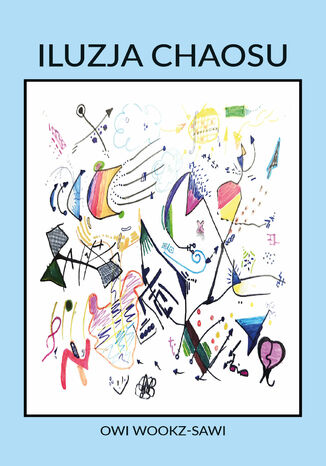
Owi Wookz-Sawi
Iluzja Chaosu w refleksyjny, aczkolwiek kontrowersyjny sposób traktuje o zjawiskach, które towarzyszą nam w codziennym życiu. Życiu, w którym szczęście jest czymś nieuchwytnym i ulotnym, a piękno jest z góry narzucone i wciśnięte w szablony A może to jedynie iluzja? Może zarówno w świecie fizycznym, jak i w życiu uczuciowym człowieka ów pozorny chaos zdeterminowany jest jakimś wyższym, bezwzględnym porządkiem istnienia? Jaka jest Prawda? Czy poezja może przyczynić się do Jej odkrycia? OWI WOOKZ-SAWI urodzony w ubiegłym tysiącleciu na Dolnym Śląsku gaboński poeta i prozaik, od dziecka piszący wiersze, fraszki i opowieści głównie do szuflady. Uwielbia analizować rozmaite zjawiska zachodzące zarówno w świecie rzeczywistym, jak i w świecie emocji i uczuć. Jest zafascynowany poezją (choć nie każdą), głęboką, stoicką kontemplacją teraźniejszości i mechaniką kwantową.

Iluzja demokracji bezpośredniej
Ewa Nalewajko, Barbara Post
Książka jest oryginalnym i świetnie ugruntowanym empirycznie wkładem do akademickich, a także publicystycznych debat na temat stanu i przyszłości demokracji - debat niezwykle aktualnych w dobie triumfu populizmów i medialnych manipulacji. Sumuje i rozwija argumenty krytyczne wobec propozycji ,,demokracji bezpośredniej" - jej normatywnej zgodności z wartościami demokratycznymi, efektywności i praktycznej stosowalności. W tej perspektywie szczegółowo analizowane są polskie reformy polityczno-prawne po 1989 roku, które miały na celu wprowadzenie elementów demokracji bezpośredniej do polskiego systemu politycznego i porządku konstytucyjnego. Przedstawienie szczegółów transformacyjnych debat i reform jest ważne i unikalne w literaturze politycznej. prof. Jan Pakulski, Tasmania University, Australia, Collegium Civitas, Warszawa W książce można wyodrębnić trzy warstwy rozważań. Autorki przedstawiają: 1) genezę obowiązujących form demokracji bezpośredniej (ujmując sprawę z szerszej perspektywy, genezę obecnego modelu demokracji); 2) syntezę aktualnie obowiązujących podstaw prawnych demokracji bezpośredniej; 3) zwięzły opis praktyki politycznej w zakresie instytucji demokracji bezpośredniej. Wszystkie warstwy rozważań dotyczą okresu 30 lat, tj. obejmują lata 1989-2019. Dotychczas nie opublikowano monografii, która obejmowałaby genezę, podstawy prawne i praktykę wszystkich form demokracji bezpośredniej w Polsce na poziomie ogólnokrajowym. dr hab. Marcin Rachwał, prof. UAM Ewa Nalewajko, profesor doktor habilitowana nauk społecznych. Pracuje w Zakładzie Badań Elit i Instytucji Władzy Instytutu Studiów Politycznych PAN. Zajmuje się badaniami elit politycznych - parlamentarnych, rządowych i samorządowych, a także władz partyjnych. Zainteresowana również zagadnieniami partycypacji społecznej, relacji między władzą a społeczeństwem oraz współczesnymi przemianami systemów demokratycznych. Opublikowała wiele prac naukowych, wśród nich: Między populistycznym a liberalnym. Style polityczne w Polsce po roku 1989 (2013); Droga do samorządności terytorialnej. Polska 1989-1990 (2016, współautorzy: Jerzy Bartkowski, Barbara Post, Inka Słodkowska); Społeczne światy elity administracyjnej państwa (2016, współautorzy: Barbara Post, Anna Radiukiewicz, Paweł Maranowski); Obywatelska inicjatywa ustawodawcza w systemie przedstawicielskim jako przykład niedopasowania instytucjonalnego (2017); Uwłaszczone politycznie społeczeństwa i wiarygodne rządy (2019). Barbara Post, doktor nauk humanistycznych, socjolog. Pracuje w Instytucie Nauk Socjologicznych i Pedagogiki SGGW w Warszawie. Zainteresowania badawcze: socjologia władzy i polityki, socjologia organizacji, socjologia problemów społecznych. Najważniejsze publikacje: Społeczne światy elity administracyjnej państwa (2016, współautorzy: Ewa Nalewajko, Anna Radiukiewicz, Paweł Maranowski); O zespole doradców socjologicznych Obywatelskiego Klubu Parlamentarnego (2018); Kopiec z kredy. Co proces decyzyjny w sprawie reformy szkolnictwa mówi o polskiej demokracji? (2018, współautorka: Ewa Nalewajko); Płeć i polityka. Między pozornymi różnicami i różnorodnością (2019).
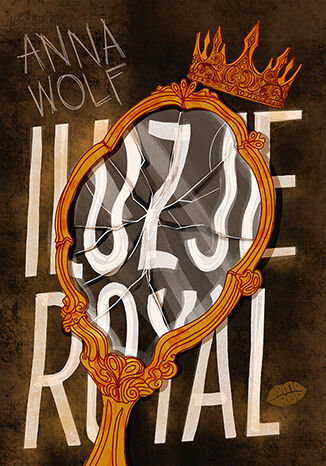
Anna Wolf
Życie składa się z iluzji. Pół biedy, jeśli to my decydujemy, w jakich iluzjach żyjemy. Gorzej, jeżeli decyzje podejmują za nas inni... Los nie sprzyjał Royal Elizabeth McPierson. Córka dobrej kobiety, którą jednak świat znał jako striptizerkę i prostytutkę, szybko zostaje sama i musi sobie radzić najlepiej, jak umie, by przetrwać. Jakby tego było mało, w dniu osiemnastych urodzin Royal na światło dzienne wychodzą fakty, które sprawiają, że życie dziewczyny, już dostatecznie trudne, jawi jej się jako ciąg niepowodzeń, oszustw i tajemnic. Jack Miller dorastał bez matki. Ojciec, choć kochał syna, nie był w stanie zapewnić mu normalnego domu i pełnej rodziny. Właściwie Jacka wychowywały dziwki. Szczególną opieką otoczyła go jedna z nich i to ona dała dzieciakowi namiastkę normalności. Jednak mimo starań nie była w stanie uchronić go przed samym sobą. Zdradzony przez życie Jack wylądował w więzieniu. Tam się zmienił, zmężniał i teraz zamierza ponownie rzucić wyzwanie światu. Spotkanie Royal i Jacka wpłynie na losy ich obojga. Stworzy nowe iluzje. Iluzje, którym odmówią. Iluzje, w których być może zechcą żyć...
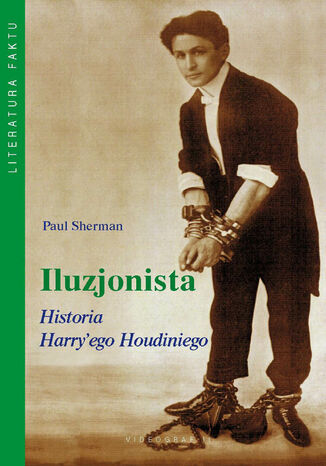
Iluzjonista. Historia Harry'ego Houdiniego
Paul Sherman
Książka Paula Shermana przybliża sylwetkę Harry'ego Houdiniego (1874-1926), najsłynniejszego magika i iluzjonisty świata, specjalisty od ucieczek i uwalniania się z kajdan, łańcuchów i więzów. Haudini potrafił wydostać się z zamkniętego sejfu, którego szyfr znał tylko właściciel. Znikał z zamkniętej celi więziennej. Zakładano mu kaftan bezpieczeństwa i zamykano w trumnie. Uwalniał się. Jego wyczyny były tym bardziej tajemnicze, że nigdy nie uszkadzał przedmiotów, z których się wyzwalał, i nie pokazywał, jak je otwiera. Odsłaniano kurtynę i oto stał triumfalnie uśmiechnięty, obok nietkniętego pojemnika, w którym przed chwilą był więziony, pozdrawiając widzów. Iluzjonista to pierwsza książka o Harrym Haudinim wydana w Polsce. Poznajemy w niej nie tylko najsłynniejsze triki mistrza, ale także jego barwne życie prywatne.
Anita Jarzyna
Książka przynosi opis XX-wiecznych dziejów kategorii wyobraźni oraz przedstawia jej funkcje w poezji Bolesława Leśmiana, Józefa Czechowicza, Krzysztofa Kamila Baczyńskiego i Tadeusza Nowaka. Zestawiając czterech wskazanych twórców, autorka wytyczyła imaginatywną linię w historii polskiej literatury minionego wieku, biegnie ona w poprzek dotychczasowych uporządkowań. Anita Jarzyna przyjęła, że pierwszym tematem twórczości interesujących ją autorów jest wyobraźnia. Jako że wszyscy oni unikają metarefleksji, badawczemu oglądowi poddała obrazy i tematy, z których wyprowadziła autorską koncepcję pisma wyobraźni, zaświadcza ono o stwórczej, apotropeicznej mocy języka. Autorka ukazuje, jak wiersze w nim zapisane stają się swego rodzaju autotematyczną opowieścią. Książka zdaje sprawę z badań zakrojonych z rozmachem i rzetelnie przeprowadzonych. Znakomicie poświadcza rozległą erudycję, świetny słuch literacki i nieprzeciętny talent interpretacyjny autorki. Jest świadectwem lektury uważnej i wnikliwej - skoncentrowanej na wierszach, wsłuchanej w ich niepowtarzalną dykcję, wiernej wziętym na warsztat idiomom poetyckiej wyobraźni. Jednocześnie ta zorientowana interpretacyjnie i pozostająca "blisko wiersza" lektura wnosi istotne novum w historycznoliteracką wiedzę o jednym z kluczowych nurtów polskiej liryki nowoczesnej i może okazać się istotnym elementem całościowego obrazu polskiego modernizmu - obrazu, którym wciąż nie dysponujemy. Z recenzji prof. dr. hab. Pawła Próchniaka Projekt został sfinansowany ze środków Narodowego Centrum Nauki przyznanych na podstawie decyzji numer DEC-2011/03/N/HS2/02925.

Przemysław Skowron
Imię niejedno ma imię! Cześć, jak masz na imię? Każdy z nas ma imię i dlatego przynajmniej raz w roku obchodzi święto swego imienia, czyli imieniny. Chyba że nie obchodzi, bo woli urodziny, ale nawet wtedy jego imię ma swój własny dzień. I tak od pierwszego stycznia, gdy uwaga wszystkich skupiona jest na Mieszku: Mieszko drogi, chłopcze złoty Ciepłe zimą noś galoty Latem za to, gdy upały Noś czapeczkę i sandały …aż do 31 grudnia, dnia popularnych imienin Sylwestra: Strzeli korek od szampana Noc przetańczym aż do rana Aby wspomnień na rok cały Dał Sylwester nam wspaniały! …a potem znowu. Przez okrągły rok codziennie czyjeś miano ma swój dzień. Dziś, jutro, pojutrze masz imieniny? A może ktoś z Twoich bliskich będzie je obchodził? Jeśli tak, to weź sobie któryś z tych wierszy z imieniem w prezencie. I weź go do siebie. Bo poezja, ta jedyna prawdziwa wróżka, odsłania przyszłość i mówi prawdę o człowieku. Odkrywa na chwilę to, co niewidzialne. Patron medialny:
Józef Czechowicz
imieniny sobie samemu z goryczą więc jeszcze jedna mila wiatr silniejszy we włosach że godzina godzinę odchyla łagodnym uchwytem cały mój posag [...]Józef CzechowiczUr. 15 marca 1903 r. w Lublinie Zm. 9 września 1939 r. w Lublinie Najważniejsze dzieła: ballada z tamtej strony, żal, nic więcej, nuta człowiecza, tomy wierszy: Kamień (1927), Dzień jak co dzień (1930), Ballada z tamtej strony (1932), W błyskawicy (1934), Nic więcej (1936), Nuta człowiecza (1939). Polski poeta dwudziestolecia międzywojennego, w latach trzydziestych związany z grupą literacką Kwadryga, przedstawiciel tzw. drugiej Awangardy, której twórczość cechował katastrofizm. Jako ochotnik jeszcze przed zdaniem matury wziął udział w wojnie polsko-bolszewickiej 1920 r. Z wykształcenia, zamiłowania i zawodu nauczyciel (ukończył też studia w zakresie pedagogiki specjalnej). Redaktor m. in. czasopism dla dzieci "Płomyk" i "Płomyczek". Współpracował z wieloma pismami: "Reflektorem" (tu debiutował jako poeta w 1923 r.), Zet, Głosem Nauczycielskim, Pionem i Kameną, w Polskim Radiu pracował w dziale literackim, pisał słuchowiska radiowe. Zginął tuż po wybuchu II wojny światowej, podczas bombardowania. Charakterystyczną cechą wierszy Czechowicza jest niestosowanie wielkich liter i znaków interpunkcyjnych, co decyduje o poetyckiej wieloznaczności tekstów. Kupując książkę wspierasz fundację Nowoczesna Polska, która propaguje ideę wolnej kultury. Wolne Lektury to biblioteka internetowa, rozwijana pod patronatem Ministerstwa Edukacji Narodowej. W jej zbiorach znajduje się kilka tysięcy utworów, w tym wiele lektur szkolnych zalecanych do użytku przez MEN, które trafiły już do domeny publicznej. Wszystkie dzieła są odpowiednio opracowane - opatrzone przypisami oraz motywami.
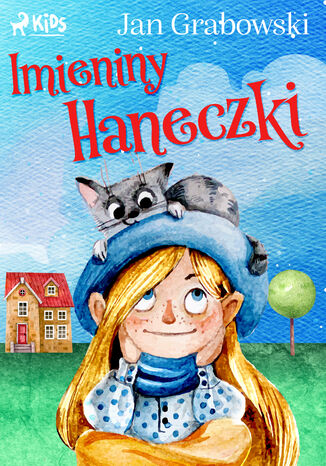
Jan Grabowski
Haneczka Gniecioszkówna to rezolutna dziewczynka, która kocha zwierzęta. Jej tato jest doskonałym szewcem i dziewczynka czasami odnosi klientom zreperowane przez niego buty. W ten sposób bohaterka o niebieskich oczach i blond włosach zawitała u narratora opowieści. W paru zdaniach wyjaśnia mu relacje pomiędzy mieszkańcami jej podwórka i zaprasza w odwiedziny, aby poznał kotkę Kukusię i psa Amorka. Ciepła i wciągająca lektura, z pewnością przypadnie do gustu miłośnikom książki "Oto jest Kasia" Miry Jaworczakowej.
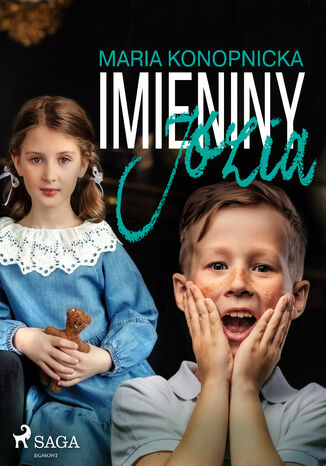
Maria Konopnicka
Trwa przyjęcie imieninowe u Józia. By uprzyjemnić czas zaproszonym gościom, solenizant wymyśla zabawę w kalendarz. Każde z dzieci ma za zadanie wybrać swojego słynnego imiennika lub imienniczkę i opowiedzieć o nich kilka słów. W nagrodę każde z nich otrzyma cztery orzechy. Jakie znane postacie wybiorą Józio, Staś, Wandzia, Marynia i pozostali? Czy wszystkim dzieciom uda się prawidłowo przedstawić swoich bohaterów?
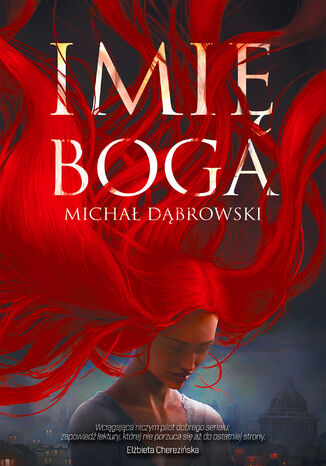
Michał Dąbrowski
Nadszedł czas spełnić wolę Boga. Nadszedł czas wypełnić przeznaczenie. W Aazh, stolicy rozciągającego się na pół kontynentu Cesarstwa, toczy się niebezpieczna gra pomiędzy różnymi siłami władającymi miastem. Cesarz, potężne Kolegium Kościoła, tajemniczy szpiedzy i gildie złodziei prowadzą swoją walkę zarówno w pałacowych korytarzach i okazałych świątyniach, jak i w mrocznych i ciasnych tunelach Podmiasta. Ethon i Lheiam, młodzi adepci sztuki medycznej, przeprowadzają zakazane badania pod okiem ich mistrza i jego tajemniczych mocodawców. W trakcie swoich eksperymentów napotykają coś, co może wstrząsnąć miastem i całym krajem. Niespodziewanie znajdą się w samym środku niebezpiecznych intryg. Imię Boga Michała Dąbrowskiego to opowieść rozpisana na wielu płaszczyznach, umiejętnie budująca scenografię i strefy napięć dla nowych miejsc akcji. Z kilkorgiem różnych, ale intrygujących bohaterów. Wciągająca niczym pilot dobrego serialu; zapowiedź lektury, której nie porzuca się aż do ostatniej strony. Gorąco polecam Państwa uwadze Imię Boga. Elżbieta Cherezińska
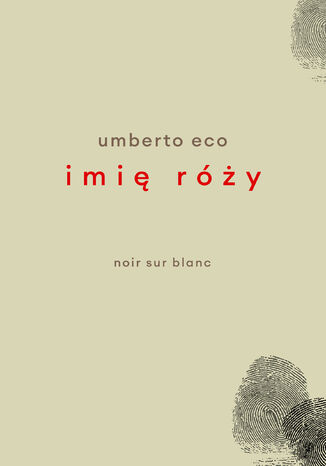
Imię róży. Wydanie z rysunkami Autora
Umberto Eco
Wyjątkowe wydanie wzbogacone rysunkami autorstwa Umberta Eco! Listopad 1327 roku. Do znamienitego opactwa benedyktynów w północnych Włoszech przybywa uczony franciszkanin, Wilhelm z Baskerville, któremu towarzyszy uczeń i sekretarz, nowicjusz Adso z Melku. W klasztorze panuje ponury nastrój. Opat zwraca się do Wilhelma z prośbą o pomoc w rozwikłaniu zagadki tajemniczej śmierci jednego z mnichów. Sprawa jest nagląca, gdyż za kilka dni w opactwie ma się odbyć ważna debata teologiczna, w której wezmą udział dostojnicy kościelni, z wielkim inkwizytorem Bernardem Gui na czele. Tymczasem dochodzi do kolejnych morderstw. Przenikliwy Anglik orientuje się, że wyjaśnienia mrocznego sekretu należy szukać w klasztornej bibliotece. Bogaty księgozbiór, w którym nie brak dzieł uważanych za niebezpieczne, mieści się w salach tworzących labirynt. Intruz może tam łatwo zabłądzić, a nawet - jak krążą słuchy - postradać zmysły. Powieść ukazała się po raz pierwszy w 1980 roku. Jej sukces czytelniczy był wielkim zaskoczeniem dla teoretyków i krytyków literatury. Dziś "Imię róży" zalicza się powszechnie do arcydzieł XX wieku.
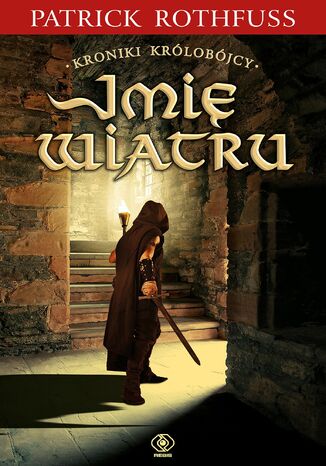
Patrick Rothfuss
Pierwszy tom Kronik Królobójcy. Kvothe to człowiek legenda. Wielki mag, geniusz muzyki, bohater i złoczyńca - namówiony przez Kronikarza - wspomina swe barwne życie. Od dzieciństwa spędzonego w trupie wędrownych aktorów poprzez lata chłopięce spędzone w półświatku mrocznego miasta po szaloną, ale udaną próbę wstąpienia na Uniwersytet. Powoduje nim pragnienie władania magią i zemsty na demonach, które zabiły jego rodziców i cały jego świat obróciły w perzynę. Niezwykle żywo i naturalnie snuta opowieść na homerycką skalę. Intrygująca i poruszająca odyseja Kvothea doskonale harmonizuje z nienachalnym klimatem fantasy. Ten debiut literacki zdobył kilka prestiżowych nagród, m.in. Quill Award oraz Onion AV Club. Prawa do wydania sprzedano już do ponad 20 krajów. "To niezwykle rzadka przyjemność trafić na autora piszącego z precyzją niezbędną do tworzenia nie tylko fantasy, w którego słowach brzmi prawdziwa muzyka" - Ursula K. Le Guin "Książka ma wszystko, co lubia czytelnicy fantasy: magię, tajemnice, starożytne zło. Ale jest także zabawna i przerażająca, a na dodatek przekonująca. Wzorem najlepszych książek gatunku to nie elementy fantasy czynią ją niezwykłą, ale to, co autor ma do powiedzenia o codziennych sprawach, zwykłym życiu, ambicjach i upadkach, sztuce, miłości i stracie" - Tad Williams Patrick Rothfuss (ur. 1973) studiował m.in. chemię, psychologię i literatureęangielską. Jest wykładowcą akademickim w Wisconsin. Gdy nie czyta (nałogowo) i nie pisze, marnuje czas na gry komputerowe i eksperymenty z formułami alchemicznymi.
Soren Gauger
„Imitacja życia” zaczyna się kraksą samochodową w nienazwanym arabskim kraju. Na skutek wypadku Martin nie zdąża na samolot do domu i zostaje wysłany do luksusowego międzynarodowego hotelu, aby poczekać na kolejny lot. W tym samym położeniu jest Günther. Mężczyźni postanawiają nocować w jednym pokoju. Od samego początku się nie lubią, ale sytuacja jest tak nerwowa, że trzymają się razem. Obserwując życie hotelu, obaj stopniowo dochodzą do wniosku, że naokoło dzieją się rzeczy straszne. OD AUTORA „Za powieścią Imitacja życia stała najpierw chęć wyrażenia pewnego poczucia, które wydawało mi się bardzo silne w Polsce w ostatnich latach – wyraźne doznanie, że przestrzeń naokoło stała się coraz bardziej ciasna i groźna, że jest coraz mniej miejsca do swobodnego poruszania się. To poczucie połączyło się w mojej głowie z fragmentem eseju Eliota Weinbergera, w którym twierdził, że "złotym okresom” cywilizacji światowych towarzyszyły wielkie ilości przetłumaczonych książek i otwartość wobec osiągnięć innych kultur, podczas gdy budowanie murów i zamykanie kraju i nurzanie się we własnym sosie prawie zawsze oznacza erę ciemności. Wyobraziłem sobie zatem coś na kształt Zamku Franza Kafki, ale na odwrót – zamiast bohatera, który nie może wejść do środka, wymyśliłem bohatera przekonanego, że świat się kurczy, stopniowo ściska się wokół niego. Ten świat jest jednym wielkim czarnym nieznanym. Wyobrażałem to sobie jako paranoję drwala, który podejrzewa, że drzewa nadciągają ze wszystkich stron." Imitacja życia. Ile trzeba wysiłku, by tego nie widzieć? Na masce pulsuje czarne serce. Zaraz wybuchnie. Hotel. Günther i Martin czekają. Czekanie zamienia się w rozpacz, wszechświat się kurczy, świat się rozpada. Nie ma wyjścia awaryjnego. Pozostaje kurczowe zaciskanie powiek. Gęsty język prozy Gaugera (w tłumaczeniu Umińskiego) oddaje duszną atmosferę zamknięcia jak z Zaproszenia na egzekucję Nabokova czy Ameryki Kafki. To Heart of Darkness tuż przed implozją. Barbara Sadurska *** Kiedy czytałem Imitację życia, wciąż przychodził mi do głowy Zawód: Reporter Antonioniego. Doskonała powieść Gaugera w jakimś sensie może być prologiem tego filmu, a także jego twórczym rozwinięciem. Dwóch mężczyzn w hotelu, który jest w sercu wojny, dokonuje rozrachunku ze swoim niespełnionym życiem. Świadkiem tego jest wszechogarniająca pustynia, bezkształtna i nieprzyjazna, a przy tym jakoś pociągająca. Kasper Bajon *** Soren Gauger to kanadyjski pisarz i tłumacz mieszkający w Polsce od dwudziestu lat. Autor książek Nie to / nie tamto, Rzeczy niewysłowione oraz zbiorów opowiadań w języku angielskim: Hymns to Millionaires i Quatre Regards sur l’Enfant Jésus. Tłumaczy prozę dwudziestolecia międzywojennego oraz teksty współczesne. Na język angielski przełożył między innymi książki Witkacego, Brunona Jasieńskiego oraz Jerzego Ficowskiego. Mieszka w Krakowie z żoną Magdaleną i synem Milo. *** Krzysztof Umiński – tłumacz literatury francuskojęzycznej i anglojęzycznej, scenarzysta filmów Kamper i Córka trenera. Tłumaczył takich autorów, jak Albert Cohen, Mark Danner, Rohinton Mistry i Arundhati Roy; przełożył też kilka francuskich komiksów. Publikował m.in. w „Bluszczu”, „Dwutygodniku” i „Nowych Książkach”. Wkrótce nakładem Wydawnictwa Marginesy ukaże się jego książka Trzy tłumaczki.