
Elektronika
Interesujesz się elektroniką, chciałbyś umieć coś więcej niż lutować obwody? W dziale elektronika znajdziesz książki dzięki, którym zapoznasz się z mikrokontrolerami, a w szczególności z ich programowaniem.
Książki z tego działu wyjaśnią wam jak zbudować i obsługiwać programator, zaprogramować pokaz świetlny z diod LED, zbudować robota, panel sterowania modelu samochodu czy samolotu lub inteligentne żaluzje. Poznasz kilka języków, jak asembler (środowisko AVR Studio 4), C (środowisko WinAVR), Bascom oraz Pascala, które są wykorzystywane do programowania mikrokontrolerów.
Komputerowe projektowanie układów cyfrowych, wyd. 1 / 2000
Tadeusz Łuba, Bogdan Zbierzchowski
Podstawowy wykład z zakresu komputerowego projektowania układów cyfrowych obejmujący syntezę układów cyfrowych wraz z przykładami i omówieniem ich budowy, języki specyfikacji sprzętu (VHDL) ze szczególnym uwzględnieniem języków dla układów programowalnych (AHDL, ABEL), a także komputerowe narzędzia syntezy logicznej (SIS, DEMAIN, ESPRESSO). Odbiorcy książki: studenci wydziałów elektroniki i technik informacyjnych o specjalności elektronika, telekomunikacja oraz informatyka, słuchacze studiów podyplomowych i studiów doktoranckich w dziedzinie techniki cyfrowej oraz specjalności pokrewnych.
Laboratorium sygnałów, modulacji i systemów
Mateusz Malanowski
Skrypt jest przeznaczony dla uczestników przedmiotu Sygnały, modulacje i systemy (SYMSE), prowadzonego na trzecim semestrze na Wydziale Elektroniki i Technik Informacyjnych Politechniki Warszawskiej, ale może być także wykorzystywany na innych uczelniach i wydziałach. W opracowaniu omówiono pięć ćwiczeń laboratoryjnych ściśle powiązanych z treścią wykładu. Dotyczą one: szeregu Fouriera, badania analogowych układów liniowych, próbkowania sygnałów i ich odtwarzania z probek, badania dyskretnych układów liniowych oraz stabilności układów analogowych i modulacji.
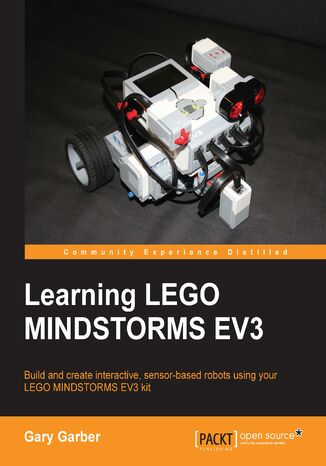
Gary Garber
This book is for the hobbyists, builders, and programmers who want to build and control their very own robots beyond the capabilities provided with the LEGO EV3 kit. You will need the LEGO MINDSTORMS EV3 kit for this book. The book is compatible with both the Home Edition and the Educational Edition of the kit. You should already have a rudimentary knowledge of general programming concepts and will need to have gone through the basic introductory material provided by the official LEGO EV3 tutorials.
Alok Mani Tripathi
Robotic Process Automation (RPA) enables automating business processes using software robots. Software robots interpret, trigger responses, and communicate with other systems just like humans do. Robotic processes and intelligent automation tools can help businesses improve the effectiveness of services faster and at a lower cost than current methods.This book is the perfect start to your automation journey, with a special focus on one of the most popular RPA tools: UiPath.Learning Robotic Process Automation takes you on a journey from understanding the basics of RPA to advanced implementation techniques. You will become familiar with the UiPath interface and learn about its workflow. Once you are familiar with the environment, we will get hands-on with automating applications such as Excel, SAP, Windows and web applications, screen and web scraping, working with user events, and we'll cover exceptions and debugging. By the end of the book, you'll not only be able to build your first software robot, but you'll also wire it up to perform various automation tasks with the help of best practices for robot deployment.
If you are an engineer, a researcher, or a hobbyist, and you are interested in robotics and want to build your own robot, this book is for you. Readers are assumed to be new to robotics but should have experience with Python.
Anil Mahtani, Aaron Martinez
If you have ever tried building a robot, then you know how cumbersome programming everything from scratch can be. This is where ROS comes into the picture. It is a collection of tools, libraries, and conventions that simplifies the robot building process. What’s more, ROS encourages collaborative robotics software development, allowing you to connect with experts in various fields to collaborate and build upon each other's work.Packed full of examples, this book will help you understand the ROS framework to help you build your own robot applications in a simulated environment and share your knowledge with the large community supporting ROS.Starting at an introductory level, this book is a comprehensive guide to the fascinating world of robotics, covering sensor integration, modeling, simulation, computer vision, navigation algorithms, and more. You will then go on to explore concepts like topics, messages, and nodes. Next, you will learn how to make your robot see with HD cameras, or navigate obstacles with range sensors. Furthermore, thanks to the contributions of the vast ROS community, your robot will be able to navigate autonomously, and even recognize and interact with you in a matter of minutes.What’s new in this updated edition? First and foremost, we are going to work with ROS Hydro this time around. You will learn how to create, visualize, and process Point Cloud information from different sensors. This edition will also show you how to control and plan motion of robotic arms with multiple joints using MoveIt! By the end of this book, you will have all the background you need to build your own robot and get started with ROS.