Naukowe i akademickie
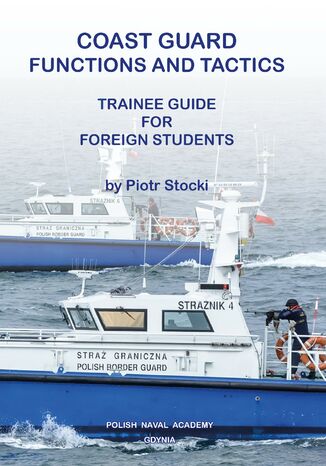
COAST GUARD. FUNCTIONS AND TACTICS. TRAINEE GUIDE FOR FOREIGN STUDENTS
Piotr Stocki
The book is a complex trainee guide. It covers issues as: sea Piracy, sea regulations, overexploitation of the sea resources, etc.. The book also describes sample situations at sea and how to deal with them.
Cognition, Meaning and Action. Lodz-Lund Studies in Cognitive Science
Piotr Łukowski, Aleksander Gemel, Bartosz Żukowski
The goal of contemporary cognitive science is not primarily to build a thinking machine, but to increase our understanding of cognitive processes. This can be done by various methods, including traditional psychological experiments, observations of authentic cognitive processes in practical action, or by simulating cognition in robots or programs. Unlike the early days of AI when it was believed that one single methodology, that of symbolic representation, could solve all cognitive problems, the current trend is to work with several forms of representations and data. The publication is the result of a collaboration between the Department of Cognitive Science at University of Lodz and the Department of Cognitive Science at Lund University. It is intended to provide a comprehensive presentation of the key research issues undertaken in both Departments, including considerations on meaning, natural language and reasoning, linguistic as well as numerical competence, the theory of decision making, modelling of conceptual representations, cognitive and game theoretic approach to social interactions. The book is addressed to all readers interested in cognitive science, and especially in research combining a logical analysis with psychological, linguistic and neurobiological approaches.
Commercial Relations Between Arabs and Slavs (9th-11th centuries)
Ahmad Nazmi
Napisana po angielsku monografia dotyczy stosunków słowiańsko-arabskich w najwcześniejszym okresie (IX-XI w.). Autor wykorzystuje mało zbadane źródła muzułmańskie, arabski i perskie. A monograph dealing with the trade relations between the Slav World and the Arabs. The reader is confronted with a mass of information on the middlemen of trade and commodities, which were exchanged.
Compendium on ElectroMagnetic Compatibility
Jan Sroka
Electromagnetic compatibility is a capacious branch. This book is not claiming to cover all aspects of it. It is rather a narration about EMC from the sight angle of professional experience of the author, and it is versatile. At the origin, it was a scientific activity with numerical methods and simulations of electromagnetic fields at the WUT and teaching about theory of electromagnetic fields and electrical circuits.
Viktar Tur, Marta Kosior-Kazberuk, Robert Grygo, Andrei...
Implementation of the Eurocodes extends to all of the European countries and there are firm steps toward their adoption internationally. As with any design codes, it is important to have an understanding of the principles and background, as well as design aids to assist in the design process. The relevance to train in the use of Eurocodes should be pointed out, especially in engineering schools as a basic course for civil and structural engineering students and as a part of continious professional development courses for engineers and technicians, which are promoted both at national and international levels. This book is directed primarily at civil and structural engineering students, young designers, who require an understanding of the basic theory and a concise guide for design procedure.
Corporate governance w bankach. Teoria i praktyka
Monika Marcinkowska
Kwestie specyfiki władztwa korporacyjnego w bankowości podejmowane były dotąd relatywnie rzadko. W ubiegłym wieku ukazało się niewiele publikacji na ten temat, dopiero w obecnym stuleciu nadano większą rangę tej problematyce. Szczególnie istotnym impulsem do rozwoju badań w tym obszarze był globalny kryzys finansowy zapoczątkowany na amerykańskim rynku kredytów hipotecznych, a rozprzestrzeniony niemal na cały świat (m.in. poprzez powiązania kapitałowe i organizacyjne instytucji finansowych oraz globalny handel instrumentami finansowymi – często o skomplikowanej konstrukcji i trudnym do oszacowania ryzyku). Powyższe zagadnienia stanowiły główną motywację przeprowadzenia badań, których pokłosiem jest niniejsza monografia. Jej celem jest poznanie mechanizmów ładu korporacyjnego i ocena ich znaczenia w bankach, a w konsekwencji - opracowanie całościowego modelu władztwa korporacyjnego w tych instytucjach. Praca oparta jest na obszernych studiach literaturowych, które stanowiły inspirację do przeprowadzenia własnych badań empirycznych, obejmujących reprezentantów polskiego sektora bankowego (zarówno banki komercyjne, jak i spółdzielcze).
Cost Management in Business Activity
Karolina Rybicka
The aim of the work is to present – based on literature studies – definitions and issues connected with cost accounting and indication of key instruments of cost management in modern enterprises. There are used in the work following research methods: literature research as well as case studies. The first chapter of the work contains an introduction to management accounting and cost management. There are presented here considerations connected with the accounting system in the management of a modern enterprise. This chapter also presents the differences between financial accounting and management accounting. The attention was paid to the functions of management accounting in business units. Next, the trends in modern management accounting are presented, including particular emphasis on the use of modern IT technologies in cost management, and the main trends in modern accounting and cost management are presented. The second chapter is devoted to the concept and classification of costs. It attempts to explain the basic concepts related to the cost category and discusses the basic cost definitions. Subsequently, the classification of costs for reporting purposes and for various criteria for management purposes is presented. The third chapter covers issues related to the cost calculation of production. Introductory considerations have been made regarding the issue of determining production costs in the basic variants of cost accounting. The concept of cost calculation of manufactured goods or services was introduced. Subsequently, the basic types of traditional calculation are characterized – process costing and job costing. This characteristic has been enriched with practical examples. Chapter four discusses costing models. The main aspects of the full and variable cost accounting and their impact on the financial results of business units were discussed. The rest of this chapter introduces the main ideas of multi-step and multi-block costing to move on to the costing considerations under the activitybased costing concept. Practical examples are provided with each of these costing models. The fifth chapter deals with the application of cost accounting in management processes of economic units. The influence of the application of management accounting instruments on short-term decisions is presented. The issues related to the break-even point analysis, price decisions and decisions such as “make or buy” were discussed. In the sixth chapter, an attempt was made to explain the essence of costs in planning and control processes in the enterprise. The traditional cost budgeting process was discussed, the main assumptions of the budget, the so-called “Master budget” in a manufacturing company. The concept of Beyond Budgeting was also indicated as an alternative to the traditional management method in a modern enterprise. Chapter seven deals with selected aspects of contemporary cost accounting concepts. The chapter’s considerations focus on the most common types of modern cost accounting. Concepts such as: product life cycle costing, target costing and kaizen costing, ABM concept, JiT systems, quality costing, value chain analysis, logistics costing and a balanced scorecard are presented here. The monograph is intended for students, postgraduate students in accounting and management, and practitioners who deal with cost management processes, including IT technologies. However, due to the great versatility of considerations, the book can be addressed to a relatively wide audience who want to expand their existing knowledge in the field of cost management.
Creative writing publicystycznych tekstów dziennikarskich
Piotr Lewandowski
Na polskim rynku wydawniczym nadal odczuwa się brak szerokiej oferty nowoczesnych, a przy tym profesjonalnie przygotowanych publikacji, uczących współczesnego warsztatu dziennikarskiego. Proponowane dzieło, autorstwa Piotra Lewandowskiego, ma tą szczególną wartość, iż napisane jest z ogromnym wyczuciem dla problemów warsztatowych przed jakimi staje młody adept sztuki dziennikarskiej. Ma mu służyć i ułatwiać profesjonalizację jego warsztatu pracy. Dzieło to tworzy oczywistą całość z pierwszą pracą P. Lewandowskiego, poświęconą praktyce dziennikarskiej ("Creative writing informacyjnych tekstów dziennikarskich") i jest jego naturalną kontynuacją. Również i tym razem Autor kładzie silny nacisk na ukazanie jak istotną rolę w pracy dziennikarza odgrywa kreatywność - w tym szczególnym wypadku ściśle połączoną z perswazją. Można odnieść mylne wrażenie, iż w ciągu dynamicznego rozwoju mediów ich twórcy wykorzystali i do końca wyeksploatowali wszystkie możliwe schematy komunikacyjne, co musiałoby powodować zjawisko zmęczenia i uodpornienia się odbiorców na wszelkie formy pozyskania ich ciekawości. A jednak Autor udowadnia młodemu adeptowi dziennikarstwa, iż tym bardziej winien on walczyć o to, by jego przekaz perswazyjny był zbudowany wyjątkowo profesjonalnie, a jednocześnie by wyróżniał się swoją wyjątkowością, by wnosił coś nowego, by był kreatywny, a więc twórczy, odkrywczy. Można się tego nauczyć, wymaga to jednak poznania złożonego instrumentarium jakim należy się posługiwać. Piotr Lewandowski zaczyna od ukazania zasadniczych, klasycznych i dominujących form występujących we współczesnej pracy dziennikarza prasowego. Przedstawia materię artykułu publicystycznego, felietonu, recenzji, komentarza, dziennika i reportażu publicystycznego. Pokazuje w jaki sposób wykorzystuje się w nich środki stylistyczne, które wypracowane zostały w literaturze i retoryce, a więc głęboko tkwią w kulturowym podglebiu z którego wyrasta także dziennikarstwo. Najczęściej jednak takie "narzędzia" wymagają twórczej adaptacji, precyzyjnego przystosowania do formalnych schematów właściwych dla dziennikarstwa. P. Lewandowski otwiera przed oczami zdumionego adepta dziennikarstwa rozmiary bogactwa z którego może on czerpać bez końca jeśli zrozumie jaki ogrom kreatywnych i perswazyjnych form zawiera literatura i te obszary aktywności twórczej człowieka, które wykraczają poza klasyczny język i wnikają w inne formy obrazowania i ekspansji poznawczej człowieka. Jednak Autor na pierwszym miejscu stawia praktyczny wymiar przekazywanej wiedzy. Uczy w jaki sposób tworzyć formy publicystyczne, które mają silny ładunek perswazyjny. P. Lewandowski daje do ręki młodego adepta dziennikarstwa szereg sprawdzonych form z obszaru retoryki i erystyki. Podsumowaniem jego wielce kompetentnego poradnika jest świetne ukazanie teoretycznych i praktycznych ograniczeń i możliwości wywiadu prasowego. Przedstawia pomysły w jaki sposób ograniczenia formalne właściwe dla wywiadu prasowego wykorzystać kreatywnie i uczynić z nich ich silną stronę takiej formy wypowiedzi. Niezwykłe możliwości wywiadu, jako formy dziennikarskiego przekazu, ukazał Johann Peter Eckermann w swoich "Rozmowach z Goethem", ale to przecież Platonowi zawdzięczamy wykazanie jak silną formą perswazyjną i kreatywną jest dialog jako forma interakcji między ludźmi. W ślad za nim poszło tysiące innych genialnych umysłów. Z tego niewyczerpanego bogactwa czerpią dziś także dziennikarze sięgający po wywiad jako szczególnie gorącą formę interakcji z odbiorcą. P. Lewandowski przedstawił w sposób wyjątkowo jasny, a przy tym praktyczny, metody skutecznego budowania i wykorzystania wywiadu, a także tworzenia jego wewnętrznej narracji. Otrzymujemy dzieło, które jest nie tylko świetnym poradnikiem warsztatowym dla młodych adeptów dziennikarstwa, ale też uczy kreatywności i odkrywa tajniki techniki użytkowej pozwalającej na stałe doskonalenie swoich umiejętności oraz twórcze wykorzystywanie literackich, kulturowych i komunikacyjnych "narzędzi" istniejących w naszym cywilizacyjnym dziedzictwie. Piotr Grochmalski