
Języki obce
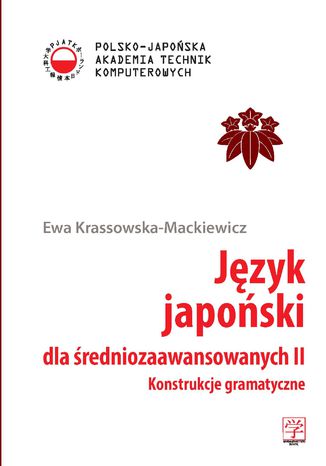
Język japoński dla średniozaawansowanych II. Konstrukcje gramatyczne
Ewa Krassowska-Mackiewicz
Ewa Krassowska-Mackiewicz – ukończyła japonistykę na Uniwersytecie Warszawskim w 1994 roku. Przez rok była na stypendium na Uniwersytecie w Hiroshimie przyznanym jej przez Japońskie Ministerstwo Edukacji. Od 1997 roku związana jest na stałe z PJATK, gdzie jest pracownikiem Katedry Kultury Japońskiej. Zajmuje się metodologią nauczania języka japońskiego, e-learningiem, kaligrafią i rozmaitymi aspektami kultury japońskiej. Autorka poczytnych książek do nauki języka japońskiego. Podręcznik ten skierowany jest do wszystkich uczących się języka japońskiego na poziomie średniozaawansowanym, którzy są już gotowi do samodzielnej pracy nad językiem i pogłębiania wiedzy we własnym zakresie. Nowa forma (inna od dotychczasowych książek Wydawnictwa PJATK: Język japoński dla początkujących i Język japoński dla śreniozaawansowanych) jest dostosowana do potrzeb odbiorcy, który poszukuje wyjaśnień coraz bardziej skomplikowanych i zaawansowanych gramatycznie tematów. Choć kolejność prezentowanych zagadnień opiera się na stopniu ich trudności, to uczący się może wybierać tematy dowolnie według potrzeb i traktować podręcznik jako słownik konstrukcji gramatycznych i partykuł.
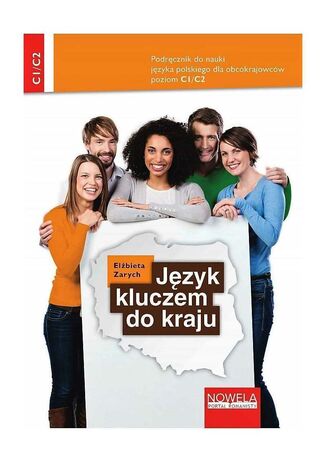
Język kluczem do kraju. Podręcznik do nauki języka polskiego dla obcokrajowców, poziom C1/C2
Elżbieta Zarych
Język kluczem do kraju to podręcznik dla obcokrajowców chcących gruntownie oraz wszechstronnie poznać język polski na najwyższych poziomach kompetencji językowej (C1/C2), a także lepiej poznać polską kulturę i życie w Polsce. Na stronie redakcyjnej podręcznika znajduje się kod QR dający dostęp do wersji cyfrowej podręcznika. Niniejsza książka to druga część serii, która jest owocem wieloletnich doświadczeń Autorki w zakresie nauczania języka polskiego jako obcego studentów Erasmusa i uczestników programów międzynarodowych Centrum Kultury i Języka Polskiego w Świecie na Uniwersytecie Jagiellońskim. Różnorodne, starannie dobrane, inspirujące teksty prasowe, literackie i satyryczne, dokumenty i pisma urzędowe, skecze kabaretowe, prezentacje zdjęć i projektów artystycznych, piosenki pomagające zapoznać się ze słownictwem z różnych dziedzin i zagadnień, w tym słownictwem literackim i potocznym. Liczne ćwiczenia różnego typu pozwalające nie tylko wzbogacić zasób słownictwa (leksyki i frazeologii), ale również wyćwiczyć różne formy wypowiedzi, w tym formułowania pism urzędowych. Ćwiczenia gramatyczne dotyczące zagadnień sprawiających trudności na poziomie zaawansowanym wraz z przejrzystym omówieniem teorii. Zadania indywidualne i zespołowe, gry i zabawy językowe. Tematy dyskusji i wypracowań. Klucz do ćwiczeń pozwalający na samodzielne korzystanie z podręcznika. Możliwość wykorzystania ćwiczeń leksykalnych, frazeologicznych i gramatycznych także na zajęciach z kultury języka polskiego i poprawności językowej z polskimi uczniami szkół średnich oraz studentami. Pozostałe tytuły z serii Język polski dla obcokrajowców: Przejdź na wyższy poziom (poziom C1/C2) Nadstaw ucha! Ćwiczenia z nagraniami (poziom B1-C2) Sprawdź swój polski. Testy poziomujące (poziom A1-C2) Podróże po Polsce (poziom C1/C2)
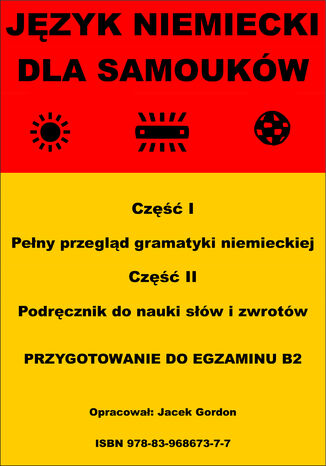
Jacek Gordon
JĘZYK NIEMIECKI DLA SAMOUKÓW to e-book zawierający cały potrzebny materiał do nauki dla osób, które uczą się samodzielnie języka niemieckiego ale także dla osób przygotowujących się do egzaminu B2 lub na obywatelstwo niemieckie. E-book zawiera pełny przegląd gramatyki niemieckiej oraz podręcznik do nauki słów i zwrotów, poprzez naukę wg. wypróbowanej i skutecznej metody opracowanej przez autora. Podręcznik jest przystosowany do używania na komputerach i tabletach.
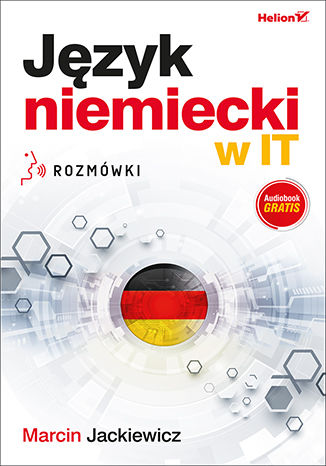
Język niemiecki w IT. Rozmówki
Marcin Jackiewicz
UWAGA: Kup książkę i zgarnij audiobook Autora w BONUSIE! Szczegóły promocji >> UWAGA: Kup ebook i zgarnij audiobook Autora w BONUSIE! Szczegóły promocji >> UWAGA: Kup audiobooka i zgarnij ebooka Autora w BONUSIE! Szczegóły promocji >> Nie taki straszny niemiecki w IT! Współpracujesz z niemieckimi klientami? Myślisz o przeprowadzce za zachodnią granicę? Chcesz poszerzyć swoje umiejętności językowe? Jeśli na choć jedno z tych pytań odpowiedziałeś twierdząco, ta książka jest dla Ciebie! Polscy informatycy dali się światu poznać z jak najlepszej strony, więc świat upomina się o nich. Coraz więcej rodzimych firm współpracuje z europejskimi klientami, dla których podstawowym językiem komunikacji jest niemiecki. Liczne organizacje zza Odry korzystają z outsourcingu świadczonego przez polskich przedsiębiorców. Wielu Polaków planuje rozwinąć swoje kariery w branży IT w niemieckich, austriackich lub szwajcarskich firmach. Wszystko to powoduje, że na rynku jest duży popyt na informatyków znających branżowy język niemiecki, wielu z nich dostrzega też konieczność poznania tego języka w stopniu komunikatywnym. Jeśli jesteś wśród nich i Ty, sięgnij po książkę Język niemiecki w IT. Rozmówki. Rozwiniesz dzięki niej swoje umiejętności językowe, poznasz branżowe zwroty i terminy wykorzystywane w IT, a także dowiesz się, jak płynnie odpowiadać na najczęściej zadawane pytania i prawidłowo formułować własne. Ułożone tematycznie rozmówki pozwolą Ci nie tylko podszlifować niemiecki i poszerzyć słownictwo, lecz także poznać kulturę pracy w niemieckojęzycznej firmie. Pytania do dialogów ułatwią rozwiązanie języka, a tłumaczenia rozwieją wszelkie wątpliwości dotyczące przedstawionych treści. Bardzo praktyczny sposób prezentacji i wieloletnie doświadczenie autora zapewnią Ci niezbędną pewność siebie. Dialogi z życia wzięte, dotyczące różnych zagadnień z branży IT Rozmówki na praktyczne tematy poruszane w firmach Specjalistyczne słownictwo i kontekst, w którym jest używane Pytania pozwalające sprawdzić zrozumienie treści Tłumaczenia dialogów wyjaśniające wątpliwości Zwroty przydatne w karierze zawodowej i życiu codziennym Poznaj informatyczny język niemiecki od strony praktycznej!
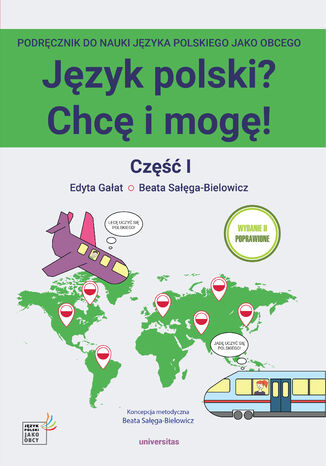
Język polski? Chcę i mogę! Część I: A1 - wyd. II poprawione
Beata Sałęga-Bielowicz, Edyta Gałat
Wydanie II poprawione Materiał dźwiękowy do pobrania z https://www.universitas.com.pl/pl/ksiazki/2382-jezyk-polski-chce-i-moge-cz-i-wyd2-p-oprawione.html Analiza zawartości podręcznika pozwala zgodzić się z tym, co Autorki napisały we wstępie, czyli że - bez szkody dla rozwoju kompetencji komunikacyjnej - rozbudowany został komponent gramatyczny (Autorki mówią o "dowartościowaniu komponentu gramatycznego"); że wykorzystano uwspółcześnione listy frekwencyjne - jeśli chodzi o zawartość leksykalną; że kryterium istotnym w tworzeniu materiałów było kryterium użyteczności - stąd przywołanie wielu kolokwializmów (raczej: słownictwa współczesnego, na które składają się i potocyzmy, i - czasem - elementy slangowe), ale i elementów języków specjalistycznych (dopasowanie tychże do poziomu nie jest proste, ale Autorkom udaje się to zrobić!). (...) Niniejsze materiały odzwierciedlają doświadczenie i warsztat Autorek, potrafiących przygotować świetny program, dopasowany do potrzeb konkretnych odbiorców. Zaproponowany przez E. Gałat i B. Sałęgę-Bielowicz rozkład materiału (= brak sztywnej struktury) pozwala nauczycielom na dopasowanie zawartości do potrzeb wskazanej grupy uczniów. Z drugiej strony trzyma w ryzach tych lektorów, którzy jeszcze nie nauczyli się dyscypliny w pracy z podręcznikiem kursowym. Spokojna, skromna, ale estetyczna szata graficzna jest na tyle poważna, by skupić uwagę uczących się na zawartości merytorycznej, i na tyle bogata, by móc postawić podręcznik na tej samej półce, co najlepsze (starsze) materiały dydaktyczne w naszej branży. Dr Piotr Kajak, Uniwersytet Warszawski Na pochwałę zasługuje logiczny i spójny układ podręcznika. Każda jednostka lekcyjna jest przemyślana pod względem merytorycznym i metodycznym. Przyjazna i czytelna forma graficzna, różnorodny, szeroki i ciekawy dobór materiałów (tekstów, ćwiczeń, objaśnień gramatycznych itp.), bogato zilustrowane lekcje, dołączony do nich komponent socjokulturowy i kulturoznawczy to niewątpliwie ogromne atuty opracowania. (...) Duża liczba zadań z pewnością ułatwi pracę lektorom (nie muszą uzupełniać podręcznika dodatkowymi materiałami), zaś użytkownikom pozwoli na skuteczniejsze opanowanie podsystemów języka polskiego. (...) Godna podkreślenia jest także dbałość o konsekwentne realizowanie założeń programowych, o równomierne rozwijanie wszystkich sprawności. Autorki nie zapominają również o nauce poprawnej pisowni i wymowy tak potrzebnych w praktyce językowej. Realizując kryterium przydatności nauczanych treści i pamiętając o zmieniających się realiach, w części poświęconej pisaniu wprowadzają - obok form przewidzianych w programie dla poziomu A1 - blog jako coraz popularniejszą formę wypowiedzi. Zachwyci to bez wątpienia użytkowników i zachęci ich do nauki pisania (sprawności wciąż deficytowej) oraz podejmowania prób samodzielnego redagowania tekstów po polsku. Dr Grażyna Przechodzka, Uniwersytet Marii Curie-Skłodowskiej w Lublinie Edyta Gałat - absolwentka filologii orientalnej Uniwersytetu Jagiellońskiego, studiów podyplomowych na Wydziale Europeistyki Uniwersytetu Jagiellońskiego, studiów podyplomowych w Centrum Jakości Politechniki Krakowskiej na kierunku Zarządzanie Zasobami Ludzkimi. Licencjonowany egzaminator Telc z języka polskiego jako obcego B1-B2, członek Komisji ds. Jakości Kształcenia na Politechnice Krakowskiej. Lektor języka polskiego od 1997 r., współpracowała z Centrum Języka i Kultury Polskiej w Świecie UJ, Szkołą Języka i Kultury Polskiej UJ, a także krakowskimi prywatnymi szkołami. W Międzynarodowym Centrum Kształcenia pracuje jako wykładowca języka polskiego od 2004 r. Prowadzi zajęcia ze słownictwa specjalistycznego, kursy dla studentów różnych programów, lektoraty, a także koordynuje pracę lektorów. Jest współautorką kursu języka polskiego na platformie e-learningowej Politechniki Krakowskiej, a także skryptów z materiałami przeznaczonymi na roczny kurs polskiego dla studentów MCK PK. Beata Sałęga-Bielowicz - absolwentka filologii polskiej UP (1995 r.). W 1996 r. ukończyła Kurs Przygotowawczy dla kandydatów na lektorów jpjo na UJ. Od 1996 r. zaczyna współpracę z UJ w Centrum Języka i Kultury Polskiej w Świecie (dawniej: Instytut Polonijny) oraz Szkołą Języka i Kultury Polskiej UJ jako lektor języka polskiego jako obcego, gdzie prowadzi zajęcia na wszystkich poziomach zaawansowania o różnej intensywności. Prowadzi także zajęcia indywidualne, w tym z różnych specjalistycznych odmian polszczyzny. Od 1998 r. - członek Stowarzyszenia Polskich i Zagranicznych Nauczycieli Kultury Polskiej i Języka Polskiego Jako Obcego BRISTOL. Do maja 2018 r. była zatrudniona jako lektor języka polskiego jako obcego w Konsulacie Generalnym USA w Krakowie. Od 2008 r. prowadzi zajęcia na Uniwersytecie Pedagogicznym na studiach podyplomowych: Nauczanie języka polskiego jako obcego. Od września 2018 do lipca 2024 r. visiting professor w Dalian University of Foreign Languages w Chinach. Stypendystka NAWA (2019-2024).
Kusio Joanna, Herrmann Tadeusz
Język tamilski jest uznawany za najważniejszy wśród języków drawidyjskiej rodziny językowej. Jest to język etniczny Tamilów, używany głównie w indyjskim stanie Tamilnadu, gdzie ma status języka oficjalnego, oraz w Sri Lance i Singapurze, gdzie jest jednym z języków urzędowych. Posługuje się nim obecnie ponad 70 milionów osób. Cechuje się silną dyglosją, a zaświadczona historia jego rozwoju sięga 2 tysięcy lat, co czyni go jednocześnie językiem klasycznym, jak i współczesnym medium komunikacji. Opracowanie dotyczy wyłącznie języka współczesnego w jego odmianie literackiej. Joanna Kusio (1960-2009) była pracownikiem Wydziału Orientalistycznego Uniwersytetu Warszawskiego, gdzie uzyskała stopień doktora na podstawie rozprawy Postać wróżbitki kuratti w tradycji tamilskiej. Analiza tamilskich źródeł literackich i przekazów ustnych (2003). Poza nauczaniem języka i literatury, zajmowała się tamilską tradycją ludową, hinduizmem południowoindyjskim oraz szeroko rozumianą kulturą Azji Południowej. Tadeusz Herrmann (ur. 1940) jest emerytowanym pracownikiem Wydziału Orientalistycznego Uniwersytetu Warszawskiego, gdzie wykładał język i literaturę tamilską oraz nauczał języka malajalam. Specjalizuje się w średniowiecznej literaturze tamilskiej okresu bhakti i filozofii systemu śajwasiddhanty. Jako pierwszy w Polsce uzyskał stopień doktora na podstawie rozprawy poświęconej literaturze tamilskiej (Poglądy śajwasiddhanty w Tiruwasaham Manikki Wasakara; 1989).
Tadeusz Majda
Język turecki, dawniej zwany również osmańskim, należy do grupy oguzyjskiej rodziny języków tureckich. Posługuje się nim ponad 80 milionów ludzi mieszkających w Republice Tureckiej i na emigracji. W ostatnich dziesięcioleciach język turecki zmienił się w stopniu porównywalnym jedynie ze zmianami, jakie zaszły we współczesnym języku hebrajskim. Dzięki systematycznej akcji "oczyszczania" języka z zapożyczeń arabskich i perskich na rzecz słów rdzennie tureckich zmieniło się zasadniczo słownictwo i języka literackiego, i mówionego. Tadeusz Majda jest turkologiem, profesorem w Zakładzie Turkologii i Ludów Azji Środkowej Uniwersytetu Warszawskiego. Wykłada język, literaturę, kulturę i sztukę turecką; zajmuje się także sztuką islamu. Wśród licznych publikacji w jego dorobku naukowym można wymienić "Katalog rękopisów tureckich i perskich ze zbiorów polskich", "Tureckie stroje i sceny rodzajowe: z kolekcji króla Stanisława Augusta: katalog rysunków", "Rozwój języka tureckiego w XVII wieku" oraz współtłumaczenie dzieła Arifa Alego "Daniszmendname. Księga czynów Melika Daniszmenda".
Język turecki. Minimum gramatyczne
Milena Jordanowa
Minimum gramatyczne języka tureckiego to nowatorski podręcznik przeznaczony do początkowej nauki języka tureckiego i został oparty na skonstruowanym specyficznym binarnym modelu, uwzględniając osiągnięcia w dziedzinie nauczania języka tureckiego jako obcego, z uwzględnieniem dokonań współczesnej turkologii i lingwodydaktyki. Zawiera niezbędny zestaw informacji z zakresu fonetyki, morfologii i podstawowych funkcji syntaktycznych. Materiał gramatyczny jest przedstawiony stopniowo i objaśniony przystępnym językiem, mając głównie na celu przydatność podręcznika w początkowym etapie nauczania języka tureckiego dla wszystkich zainteresowanych. Omówione zostały cechy gramatyczne, głównie sufiksy derywacyjne, szeroko stosowane w języku tureckim i stanowiące niezbędną podstawę do przedstawienia i zrozumienia specyfiki procesu derywacyjnego w tym języku. W przykładach gramatycznych wykorzystano najczęściej leksykę występującą we współczesnym języku literackim.
Język w zagrożeniu. Przyswajanie języka polskiego w warunkach polsko-szwedzkiego bilingwizmu
Roman Laskowski
Monografia, oparta na szeroko zakrojonych badaniach środowiska polskich dzieci w Szwecji, przynosi obraz społecznych uwarunkowań zachowania języka i kultury rodziców przez drugie pokolenie emigrantów. Przedmiotem zainteresowania autora jest jednak przede wszystkim próba rozpoznania mechanizmów lingwistycznych rządzących przyswajaniem przez dziecko języka w warunkach bilingwizmu, zbadanie wpływu interferencji dominującego języka na przebieg procesu opanowywania języka polskiego przez dziecko. Szczególną uwagę poświęcono w opracowaniu kategorii przypadka (obcej językowi szwedzkiemu). Monografia jest wprawdzie opisem konkretnego materiału językowego (idiolektów ponad setki dzieci w wieku 5-15 lat), przede wszystkim jednak chce być przyczynkiem do teorii przyswajania języka. Uzyskane wyniki badań pozwalają na głębsze poznanie uniwersalnych, semiotycznie i psychologicznie uwarunkowanych zasad organizujących strukturę systemu gramatycznego języka naturalnego.
Języki specjalistyczne. Teoria i praktyka glottodydaktyczna
red. Danuta Gabryś-Barker, red. Ryszard Kalamarz
Tom został poświęcony zdefiniowaniu pojęcia „języki specjalistyczne”, jak również ukazaniu pewnych problemów i dylematów, na jakie napotykają nauczyciele języków obcych, których zadaniem jest kształcenie językowe z elementami wiedzy specjalistycznej. Książka stanowi zbiór tekstów będących efektem doświadczeń praktykujących nauczycieli glottodydaktyków, pracujących w różnych kontekstach edukacyjnych. Autorami są lektorzy języków obcych na wyższych uczelniach bądź pracujący na wydziałach neofilologicznych wyższych uczelni. Niniejszy zbiór tekstów opracowanych przez nauczycieli glottodydaktyków ukazuje zarówno ich przemyślenia, wiedzę jak i praktyczne doświadczenia w nauczaniu języków specjalistycznych będące wyrazem ich własnych poszukiwań. Redaktorzy wierzą, że niniejszy tom stanie się nie tylko źródłem wiedzy i pomysłów, jak radzić sobie z nauczaniem języków specjalistycznych, ale że również stanie się inspiracją do dalszych poszukiwań bardziej motywujących i efektywnych metod i technik nauczania, bardziej różnorodnych i wychodzących poza program kursu językowego, realizowanego za pomocą mniej tradycyjnych materiałów dydaktycznych.

Job interview - Rozmowa kwalifikacyjna
Praca zbiorowa
Seria kieszonkowych poradników językowo-biznesowych pomoże Ci poszerzyć słownictwo i wiedzę w różnych dziedzinach. Książeczki zawierają tematycznie zgromadzone pojęcia i zagadnienia, a także ich tłumaczenia. Bądź specjalistą w swojej dziedzinie, również w kręgach obcojęzycznych!

Jack London
“John Barleycorn” is a book by Jack London, an American novelist. A pioneer of commercial fiction and an innovator in the genre that would later become known as science fiction. John Barleycorn is an autobiographical novel by Jack London dealing with his enjoyment of drinking and struggles with alcoholism. It was published in 1913. The title is taken from the British folksong "John Barleycorn".
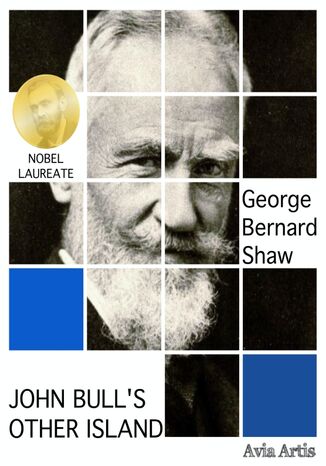
George Bernard Shaw
“John Bull's Other Island” is a play by George Bernard Shaw, an Irish playwright who became the leading dramatist of his generation, and in 1925 was awarded the Nobel Prize in Literature. John Bull's Other Island is a comedy about Ireland, written by George Bernard Shaw in 1904. Shaw himself was born in Dublin, yet this is one of only two plays of his where he thematically returned to his homeland, the other being O’Flaherty V.C.
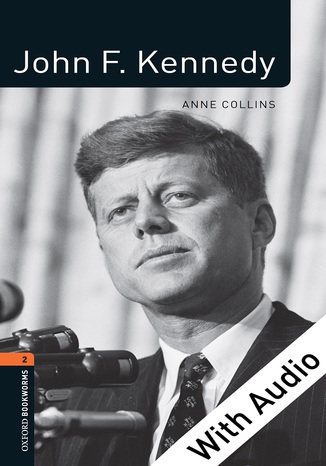
John F. Kennedy - With Audio Level 2 Factfiles Oxford Bookworms Library
Collins, Anne
A level 2 Oxford Bookworms Library graded reader. This version includes an audio book: listen to the story as you read. Written for Learners of English by Anne Collins. 'Ask not what your country can do for you - ask what you can do for your country.' More than fifty years ago, the new US President, John F. Kennedy, spoke these words. Millions of Americans listened, and they were filled with hope. With Kennedy as president, surely there was a great future ahead for their country. But Kennedy would not finish his four years as president. In November 1963, the world stopped as terrible news came from Dallas, Texas . . .
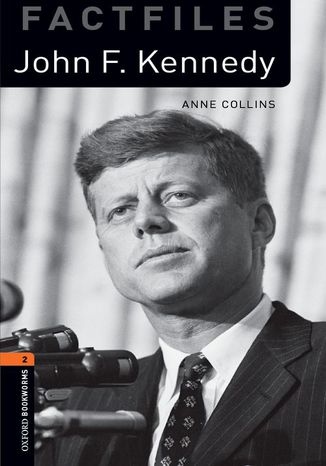
John F. Kennedy Level 2 Oxford Bookworms Library
Collins, Anne
A level 2 Oxford Bookworms Library graded reader. Written for Learners of English by Anne Collins. 'Ask not what your country can do for you - ask what you can do for your country.' More than fifty years ago, the new US President, John F. Kennedy, spoke these words. Millions of Americans listened, and they were filled with hope. With Kennedy as president, surely there was a great future ahead for their country. But Kennedy would not finish his four years as president. In November 1963, the world stopped as terrible news came from Dallas, Texas . . .
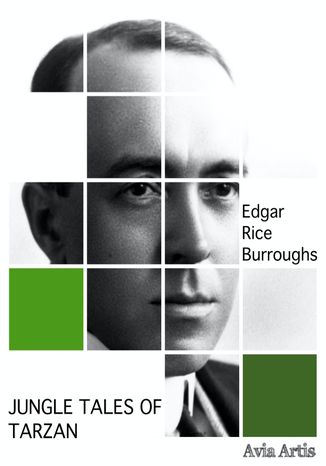
Edgar Rice Burroughs
“Jungle Tales of Tarzan“ is a collection of short stories by Edgar Rice Burroughs, an American fiction writer, who created such great characters as Tarzan and John Carter of Mars. This is a collection of twelve loosely connected short stories comprising the sixth book in a series of twenty-four books about the title character Tarzan. The story follows Tarzan's adventures, from his childhood being raised by apes in the jungle to his eventual encounters with other humans and Western society.