
Języki obce
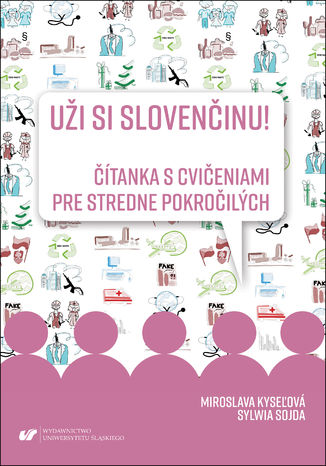
Uži si slovenčinu! Čítanka s cvičeniami pre stredne pokročilých
Miroslava Kyseľová, Sylwia Sojda
Podręcznik do nauczania języka słowackiego jako obcego Uži si slovenčinu! Čítanka s cvičeniami pre stredne pokročilých stanowi bardzo aktualny i potrzebny wkład do materiałów dydaktycznych dla cudzoziemców uczących się języka słowackiego, którzy opanowali umiejętności rozumienia tekstu czytanego na średniozaawansowanym poziomie B2-C1, a sprawności produktywne na poziomie B1 według ESOKJ. Pozycja powstała przede wszystkim z myślą o Słowianach, ale książka może posłużyć do nauki również studentom spoza tego kręgu kulturowego, których kontakt z językiem słowackim jest długotrwały, i którzy posiadają już odpowiednią kompetencję gramatyczną, a chcieliby udoskonalić swoje kompetencje, przede wszystkim w ramach umijętności komunikacyjnych. Ponadto, mogą po nią sięgnąć nie tylko filolodzy, ale wszyscy zainteresowani samodzielną nauką języka słowackiego na poziomie średniozaawansowanym (i wyższym). Publikacja składa się z 15 lekcji o takiej samej strukturze: blok lekcyjny złożony jest z trzech tekstów, dotyczących przewodniego tematu, do których dołączono ciekawe ćwiczenia komunikacyjne, ćwiczenia leksykalne, ćwiczenia gramatyczne oraz słowniczek, a wszystko odpowiednio dopasowane do założonego poziomu.Lekcje mogą składać się zarówno na odrębny kurs nauki języka słowackiego jako obcego, jak i stanowić uzupełnienie materiałów dydaktycznych w trakcie procesu nauczania. Atutem podręcznika są autentyczne, aktualne i oryginalne teksty zaczerpnięte ze słowackich portali internetowych. Stanowi to doskonałe źródło leksyki, której student często nie ma możliwości przyswoić podczas tradycyjnego kursu.
Vanity Fair - With Audio Level 6 Oxford Bookworms Library
Thackeray, William
A level 6 Oxford Bookworms Library graded reader. This version includes an audio book: listen to the story as you read. Retold for Learners of English by Diane Mowat. When Becky Sharp and Amelia Sedley leave school, their feet are set on very different paths. Kind, foolish Amelia returns to her comfortable home and wealthy family, to await a suitable marriage, while Becky must look out for herself, earning her own living in a hard world. But Becky is neither kind nor foolish, and with her quick brain and keen eye for a chance, her fortunes soon rise, while Amelia's fall. Greed, ambition, loyalty, folly, wisdom . . . this famous novel gives us a witty and satirical picture of English society during the Napoleonic wars.
Vanity Fair Level 6 Oxford Bookworms Library
Thackeray, William
A level 6 Oxford Bookworms Library graded reader. Retold for Learners of English by Diane Mowat When Becky Sharp and Amelia Sedley leave school, their feet are set on very different paths. Kind, foolish Amelia returns to her comfortable home and wealthy family, to await a suitable marriage, while Becky must look out for herself, earning her own living in a hard world. But Becky is neither kind nor foolish, and with her quick brain and keen eye for a chance, her fortunes soon rise, while Amelia's fall. Greed, ambition, loyalty, folly, wisdom . . . this famous novel gives us a witty and satirical picture of English society during the Napoleonic wars.
Variability in English across time and space
Ewa Waniek-Klimczak, Anna Cichosz
Synchronic variability in the area of phonetics, phonology, vocabulary, morphology and syntax is a natural feature of any language, including English. The existence of competing variants is in itself a fascinating phenomenon, but it is also a prerequisite for diachronic changes. This volume is a collection of studies which investigate variability from a contemporary and historical perspective, in both native and non-native varieties of English. The topics include Middle English spelling variation, lexical differences between Middle English dialects, Late Middle and Early Modern English forms of address, Middle English negation patterns, the English used by Polish immigrants living in London, lexical fixedness in native and non-native English used by Polish learners, and the phenomenon of phonetic imitation in Polish learners of English. The book should be of interest to anyone interested in English linguistics, especially English phonetics and phonology as well as history of English, historical dialectology and pragmatics.
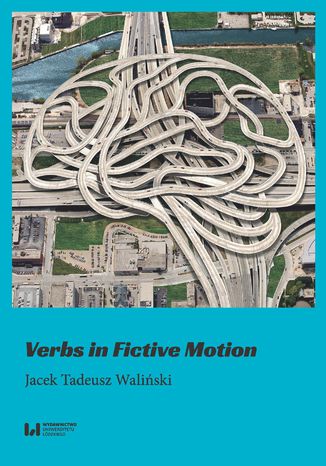
Jacek Tadeusz Waliński
This book presents a corpus-based study of verbs used in expressions of fictive motion, which refers to the cognitive-linguistic phenomenon of describing material objects incapable of movement in terms of motion over their configuration in space. The study focuses specifically on the category of coextension paths, which are used to describe the form, orientation, or location of a spatially extended object in terms of a path over the object’s extent. The analysis, carried out using the British National Corpus, indicates that in English only a fraction of motion verbs are used consistently to express coextension paths, and that some of them are used for this purpose far more systematically than others. A holographic image of structuring coextension paths that emerges from the linguistic data indicates that whereas directional motion verbs tend to be used in fictive motion to express bounded paths, directions, and routes, verbs of motion manner are employed to specify shapes constituting subjective counterparts of spatial contours of actual motion. Moreover, depending on the particular use and the wider linguistic context, certain coextension path expressions can be interpreted as a result of conceptual blending, which fuses multiple facets of motion via a common communicative platform established dynamically in discourse. From the perspective of the analysis, these interpretations are not mutually irreconcilable. The evocation of a particular conceptualization triggered by the semantic attributes conflated in a verb and its satellites is likely to depend not only on individual comprehension strategies, but also on the degree of cultural-linguistic conventionalization of certain fictive motion patterns established through the processes of language acquisition and social transfer.
Voces dialogantes. Estudios en homenaje al professor Wiaczesław Nowikow
Antonio María López González, Marek Baran, Agnieszka...
El presente volumen contiene cuarenta trabajos academicos preparados ex profeso para el homenaje al profesor Wiaczesław Nowikow. Los articulos han sido distribuidos en seis secciones, atendiendo a su contenido temático, a fin de mostrar un orden coherente que, al mismo tiempo, descubra contenidos y aproximaciones comunes. Dado el campo de especialización del homenajeado, la mayoría de las contribuciones –treinta y una– pertenecen al ámbito de la lingüística, en tanto que otros nueve artículos integran la sección literaria, cuya presencia, no obstante, es fruto del interés filológico e hispanista del profesor Nowikow, más allá de lo estrictamente lingüístico.
Voces y caminos en la enseñanza de español/LE: desarrollo de las identidades en el aula
R. Sergio Balches Arenas, Cecylia Tatoj
Monografia „Voces y caminos en la enseñanza de español /LE: desarrollo de las identidades en el aula”, ma na celu przedstawienie różnorodności badań prowadzonych we współczesnej dydaktyce języka hiszpańskiego dotyczących kształtowania się i rozwijania tożsamości. Znajdziemy w niej dwanaście rozdziałów napisanych przez autorów reprezentujących polskie i zagraniczne uczelnie, poświęconych zarówno rozważaniom teoretycznym zawartym w pierwszej części, jak i konkretnym propozycjom wykorzystania badań w praktyce glottodydaktycznej, które opisane zostały w części drugiej. Pierwszą część publikacji rozpoczyna tekst Evy Álvarez Ramos i Carmen Romero Claudio poświęcony rozwojowi indywidualnemu i jego wpływowi na edukację interkulturową. W dalszej części R. Sergio Balches Arenas i Magdalena Słowik, na bazie analizy porównawczej zdrobnień w języku hiszpańskim i polskim, przedstawiają nowe propozycje pracy na lekcji hiszpańskiego. Mª del Carmen García Manga wyjaśnia mechanizmy motywacyjnych w kształtowaniu i kreowaniu leksyki. Justyna Hadaś analizuje introspekcję jako główną strategię nauczania kultury. Antonio María López González, omawia rolę obserwacji w pracy nauczyciela. Manuel Fco. Romero Oliva, i Ester Trigo Ibáñez przedstawiają kształcenie nowych czytelników. José María Santos Rovira omawia rolę nauczyciela jako motywatora w nauce języków obcych, natomiast Bożena Wisłocka Breit skupia się na kursach typu MOOC’s i omawia ich możliwe zastosowania w nauczaniu języka hiszpańskiego. Druga część tomu zawiera propozycje wykorzystania badań naukowych w praktyce nauczania języka hiszpańskiego, których autorami są: Roland Campos López, Rafael Fernández Jiménez, Hugo Heredia Ponce, Fátima Quirós Rivero, Monika Ciesielkiewicz, Raúl Fernández Jódar i Joanna Fernández. R. Sergio Balches Arenas, starszy wykładowca w Zakładzie Filologii Hiszpańskiej Uniwersytetu Jagiellońskiego. Koordynator studiów magisterskich filologii hiszpańskiej specjalność nauczycielska. W latach 2001–2002 koordynator Kursu Mediacji Interkulturowej oraz w latach 2003–2004 studiów magisterskich specjalność mediacja interkulturowa prowadzonych przez Uniwersytet w Almerii, wchodzących w skład europejskiego programu EQUAL. Zainteresowania badawcze: socjolingwistyka, językoznawstwo stosowane w dydaktyce, pragmatyka i glottodydaktyka. Jest współautorem podręcznika do nauczania języka hiszpańskiego, współredaktorem monografii dotyczącej nauczania języka hiszpańskiego w Polsce oraz autorem licznych artykułów naukowych. We współpracy z Instytutem Cervantesa w Krakowie i polskimi ośrodkami naukowymi koordynuje oraz organizuje liczne konferenyje naukowe na temat nauczania języka hiszpańskiego. [16.05.2018] Cecylia Tatoj, doktor nauk humanistycznych w zakresie językoznawstwa, specjalność gramatyka kontrastywna hiszpańsko-polska. Od początku związana z językiem hiszpańskim na Uniwersytecie Śląskim: jako studentka nowo powstałego kierunku, asystent naukowo-dydaktyczny, a obecnie adiunkt w Zakładzie Studiów Iberyjskich i Latynoamerykańskich (dawniej Zakład Hispanistyki). Zainteresowania badawcze: porównywanie różnych pól semantycznych języka hiszpańskiego i polskiego na bazie gramatyki kognitywnej oraz glottodydaktyka ze szczególnym uwzględnieniem roli kompetencji interkulturowej w nauczaniu języka hiszpańskiego Polaków. Jest współredaktorką pięciu monografii wydanych w Polsce i w Hiszpanii, autorką 18 artykułów i rozdziałów w monografiach naukowych opublikowanych w polskich i zagranicznych czasopismach naukowych, materiałów dla nauczycieli, a także raportu na temat nauczania języka hiszpańskiego w sekcjach dwujęzycznych w Polsce. [16.05.2018]
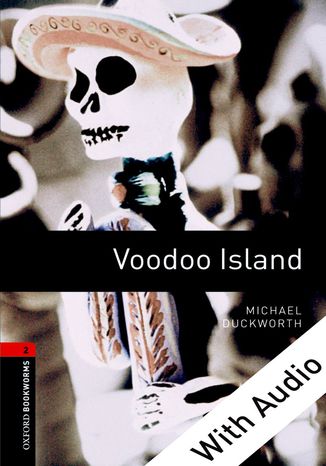
Voodoo Island - With Audio Level 2 Oxford Bookworms Library
Duckworth, Michael
A level 2 Oxford Bookworms Library graded reader. This version includes an audio book: listen to the story as you read. Written for Learners of English by Michael Duckworth. Mr James Conway wants to make money. He wants to build new houses and shops - and he wants to build them on an old graveyard, on the island of Haiti. There is only one old man who still visits the graveyard; and Mr Conway is not afraid of one old man. But the old man has friends - friends in the graveyard, friends who lie dead, under the ground. And when Mr Conway starts to build his houses, he makes the terrible mistake of disturbing the sleep of the dead . . .
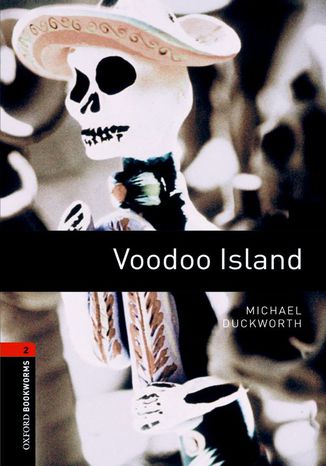
Voodoo Island Level 2 Oxford Bookworms Library
Duckworth, Michael
A level 2 Oxford Bookworms Library graded readers. Written for Learners of English by Michael Duckworth Mr James Conway wants to make money. He wants to build new houses and shops - and he wants to build them on an old graveyard, on the island of Haiti. There is only one old man who still visits the graveyard; and Mr Conway is not afraid of one old man. But the old man has friends - friends in the graveyard, friends who lie dead, under the ground. And when Mr Conway starts to build his houses, he makes the terrible mistake of disturbing the sleep of the dead . . .
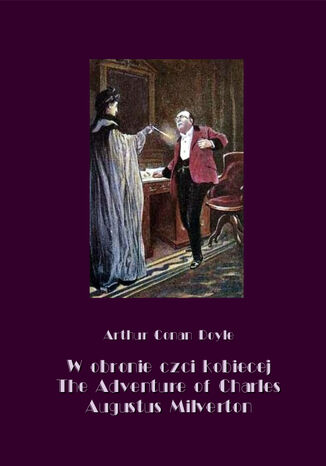
W obronie czci kobiecej. The Adventure of Charles Augustus Milverton
Arthur Conan Doyle
Książka w dwóch wersjach językowych: polskiej i angielskiej. A dual Polish-English language edition. Holmes powiadamia Watsona, że lady Ewa Blackwell, narzeczona lorda Dovercourt, jest prześladowana przez Milvertona, zwanego królem szantażystów. Osobnik ten żąda od niej dużej sumy pieniędzy w zamian listy miłosne lady do jej kochanka grożąc, że w przeciwnym razie ujawni je, co doprowadzi do zerwania zaręczyn. Detektyw poproszony został o wynegocjowanie obniżenia ceny okupu do wysokości, którą lady Ewa byłaby w stanie spłacić, Milverton jest jednak nieugięty. Wyjaśnia, że planuje kilka podobnych spraw i zamierza w ten sposób zastraszyć inne ofiary, które przestaną go lekceważyć. Oburzony tupetem szantażysty Holmes chce go zrewidować, tamten pokazuje jednak, że ma broń i dodaje naiwnością byłoby sądzić, że noszę takie papiery przy sobie. Na pytanie doktora, czy taki proceder jest bezkarny, detektyw wyjaśnia, że należałoby pozwać szantażystę do sądu i udowodnić mu wymuszenie, co oznaczałoby upublicznienie sprawy, czego ofiary starają się uniknąć. (za Wikipedią).
W świecie dźwięków języka polskiego. Przewodnik (glotto)dydaktyczny
Marcin Maciołek, Jolanta Tambor
Monografia dotyczy wybranych zagadnień z zakresu fonetyki języka polskiego i nauczania wymowy polskiej. W publikacji przedstawiono m.in. typologię fonologiczną języków świata, ustalając miejsce, jakie polszczyzna zajmuje na mapie językowej. Omówiono kwestie dotyczące nauczania wymowy polskiej cudzoziemców, uwzględniając problemy artykulacyjne różnych grup narodowościowych. W pracy zawarto też informacje na temat ekwiwalentów fonicznych liter ą i ę, akcentu i intonacji, a także zmian w fonetyce i systemie fonologicznym języka polskiego w związku oddziaływaniem języków obcych na polszczyznę. Uzupełnieniem rozważań teoretycznych jest test pozwalający ocenić czytelnikowi posiadaną kompetencję w zakresie fonetyki artykulacyjnej i nauczania wymowy polskiej cudzoziemców.
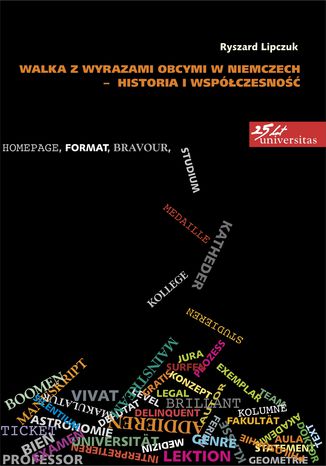
Walka z wyrazami obcymi w Niemczech - historia i współczesność
Ryszard Lipczuk
Monografia przedstawia historię zwalczania wyrazów pochodzenia obcego w języku niemieckim, począwszy od barokowych stowarzyszeń językowych do czasów współczesnych. Nawiązując do spotykanego w literaturze przedmiotu stwierdzenia: „Niemcy to kraj słowników wyrazów obcych” autor wiele uwagi poświęca słownikom zapożyczeń o charakterze purystycznym (m.in. Campe, Dunger, Heyse, Petri, Engel). Porusza też problem anglicyzmów w niemieckich słownikach wyrazów obcych i we współczesnej debacie publicznej. „Jest to przede wszystkim dobrze udokumentowana bibliograficznie, a więc w oparciu o aktualny i reprezentatywny stan badań, oraz faktograficznie, tj. z wykorzystaniem bogatego korpusu przykładowego, analiza zjawiska zapożyczeń leksykalnych w jego różnorodnych aspektach. Jest to zarazem ujęcie syntetyczne w rozumieniu poddawania pod dyskusję różnych racji podnoszonych w trwającej do dziś polemice wokół zapożyczeń. Szczególnie interesujący jest rozdział dot. zapożyczeń angielskich, które niegdyś przegrywały konkurencję z galicyzmami. Adresatami monografii będą w pierwszym rzędzie filolodzy, zwłaszcza neofilolodzy. (…) Krąg czytelników może się łatwo poszerzyć o przedstawicieli humanistyki w ogóle, gdyż autor przystępnie, acz z wykorzystaniem dostępnych badań – również tych wymagających żmudnych kwerend – pokazuje szerokie tło historyczne i kulturowe zachodzących procesów.” Z recenzji prof. zw. dr hab. Romana Sadzińskiego Ryszard Lipczuk, prof. zw. dr hab. Uniwersytetu Szczecińskiego, do r. 1993 - UMK w Toruniu, kierownik Zakładu Języka Niemieckiego Instytutu Filologii Germańskiej US, w latach 1993–1997 i 2005–2012 dyrektor Instytutu, wielokrotny stypendysta Fundacji im. Alexandra von Humboldta. Badania naukowe w zakresie historii puryzmu językowego w Niemczech i w Polsce, leksykografii polsko-niemieckiej, frazeografii, słownictwa sportowego, „fałszywych przyjaciół tłumacza”. Ważniejsze publikacje książkowe: Die Stellung der Zahlwörter im Rahmen der Wortarten Kümmerle: Göppingen 1980, Verbale Tautonyme lateinischer Herkunft in deutsch-polnischer Relation. Ein Beitrag zur semantischen Beschreibung nach dem gebrauchstheoretischen Ansatz Kümmerle: Göppingen 1987, Mały słownik tautonimów niemiecko - polskich WSiP Warszawa 1990, Wörter fremder Herkunft im deutschen und polnischen Sportwortschatz Wyd. US. 1999, (współaut.: P. Mecner, W. Westphal) Lexikon der modernen Linguistik Wyd. Albatros Szczecin 2000 (2. wyd.), (współaut. A. Frączek) Słowniki polsko-niemieckie i niemiecko-polskie. Historia i terażniejszość, In Plus: Wołczkowo 2004, Geschichte und Gegenwart des Fremdwortpurismus in Deutschland und Polen Peter Lang: Frankfurt a. M. 2007. Redaktor lub współredaktor czasopisma „Colloquia Germanica Stetinensia“ (Wyd. US) i serii „Stettiner Beiträge zur Sprachwissenschaft“ (Dr. Kovač Verlag, Hamburg). Strona domowa: https://lipczuk.univ.szczecin.pl

Jack London
“War of the Classes” is a book by Jack London, an American novelist. A pioneer of commercial fiction and an innovator in the genre that would later become known as science fiction. War of the Classes is a series of essays by Jack London. The collection consists of these titles: The Class Struggle, The Tramp, The Scab, The Question of the Maximum,A Review, Wanted: A New Land of Development, How I Became a Socialist.
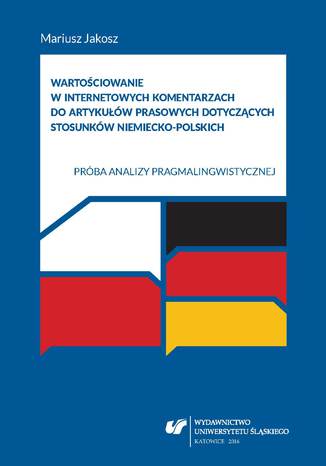
Mariusz Jakosz
Publikacja jest interdyscyplinarną, osadzoną w językoznawstwie pracą nad zagadnieniem wartościowania w języku i przy jego pomocy. Jej celem jest przedstawienie strategii wyrażania etnicznych sądów wartościujących na przykładzie stosunków niemiecko-polskich. Materiał badawczy stanowią komentarze internetowe do artykułów prasowych, które ukazywały się na forach internetowych opiniotwórczych dzienników i tygodników niemieckich. Okres badawczy obejmował lata 2009–2013. W pracy ukazano najczęstsze motywy oraz źródła formułowania etnicznych sądów wartościujących. Przedstawiono także wizerunek Polski i Polaków od XIX wieku aż po czasy współczesne. Podjęto ponadto próbę odpowiedzi na następujące pytania: Jakie środki językowe stosowane są do nazywania Polaków? Jakie własności i cechy przypisuje się Polakom? Jakie argumenty używane są do usprawiedliwienia dyskryminacji Polaków? Z jakiej perspektywy formułowane są pejoratywne określenia i sposoby argumentacji? Czy sądy wartościujące Polaków wyraża się bezpośrednio, czy może w sposób zawoalowany oraz czy zostają one wzmocnione, czy raczej stonowane? Publikacja jest adresowana do osób zainteresowanych współczesnymi tendencjami badań językoznawczych, w nurt których wpisują się zarówno metodologia obejmująca badania dotyczące języka w Internecie jak i analiza pragmalingwistyczna i dyskursywna wartościowania za pomocą języka.
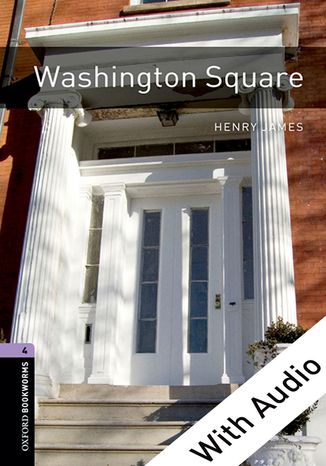
Washington Square - With Audio Level 4 Oxford Bookworms Library
James, Henry
A level 4 Oxford Bookworms Library graded reader. This version includes an audio book: listen to the story as you read. Retold for Learners of English by Kieran McGovern. When a handsome young man begins to court Catherine Sloper, she feels she is very lucky. She is a quiet, gentle girl, but neither beautiful nor clever; no one had ever admired her before, or come to the front parlour of her home in Washington Square to whisper soft words of love to her. But in New York in the 1840s young ladies are not free to marry where they please. Catherine must have her father's permission, and Dr Sloper is a rich man. One day Catherine will have a fortune of 30,000 dollars a year . . .
Washington Square Level 4 Oxford Bookworms Library
James, Henry
A level 4 Oxford Bookworms Library graded readers. Retold for Learners of English by Kieran McGovern When a handsome young man begins to court Catherine Sloper, she feels she is very lucky. She is a quiet, gentle girl, but neither beautiful nor clever; no one had ever admired her before, or come to the front parlour of her home in Washington Square to whisper soft words of love to her. But in New York in the 1840s young ladies are not free to marry where they please. Catherine must have her father's permission, and Dr Sloper is a rich man. One day Catherine will have a fortune of 30,000 dollars a year . . .
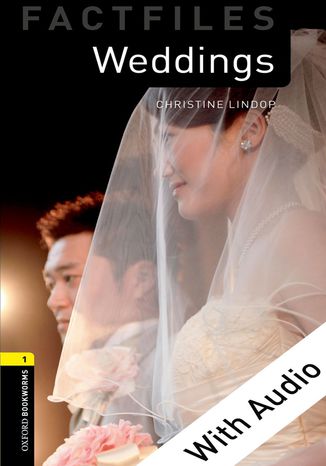
Weddings - With Audio Level 1 Factfiles Oxford Bookworms Library
Lindop, Christine
A level 1 Factfiles Oxford Bookworms Library graded reader. This version includes an audio book: listen to the story as you read. Written for Learners of English by Christine Lindop. 'The bride wore a long white dress, with flowers in her hair. After the wedding, there was a party, and people gave presents to the bride and groom.' This wedding was nearly two thousand years ago, in Rome. Some things don't change. But some things do. Today you can have a wedding on a mountain, or under the sea, or 'Elvis' can sing for you. And different things happen in different places. Little birds made of paper, small trees, money in the bride's shoe, and lots of noise - they are all important for weddings somewhere. Welcome to the wonderful world of weddings!
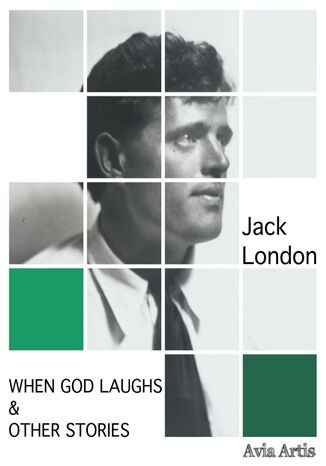
When God Laughs & Other Stories
Jack London
“When God Laughs & Other Stories” is a book by Jack London, an American novelist. A pioneer of commercial fiction and an innovator in the genre that would later become known as science fiction. When God Laughs & Other Stories is a series of short stories by Jack London. It consists of twelve moving and thrilling stories such as: When God Laughs, A Wicked Woman, Make Westing or The Curious Fragment.
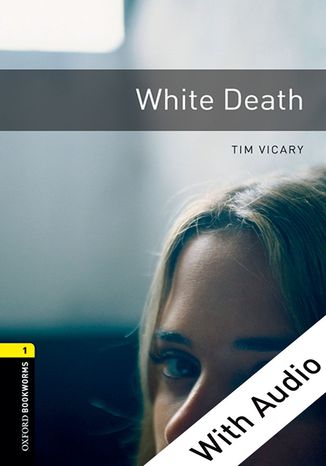
White Death - With Audio Level 1 Oxford Bookworms Library
Vicary, Tim
A level 1 Oxford Bookworms Library graded reader. This version includes an audio book: listen to the story as you read. Written for Learners of English by Tim Vicary. Sarah Harland is nineteen, and she is in prison. At the airport, they find heroin in her bag. So, now she is waiting to go to court. If the court decides that it was her heroin, then she must die. She says she did not do it. But if she did not, who did? Only two people can help Sarah: her mother, and an old boyfriend who does not love her now. Can they work together? Can they find the real criminal before it is too late?
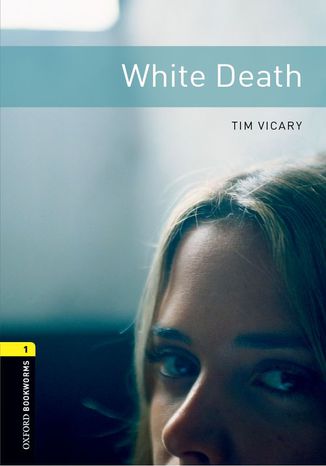
White Death Level 1 Oxford Bookworms Library
Vicary, Tim
A level 1 Oxford Bookworms Library graded readers. Written for Learners of English by Tim Vicary Sarah Harland is nineteen, and she is in prison. At the airport, they find heroin in her bag. So, now she is waiting to go to court. If the court decides that it was her heroin, then she must die. She says she did not do it. But if she did not, who did? Only two people can help Sarah: her mother, and an old boyfriend who does not love her now. Can they work together? Can they find the real criminal before it is too late?
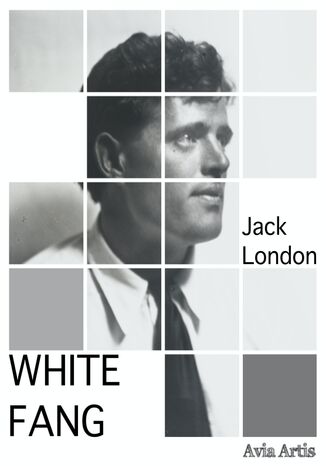
Jack London
“White Fang” is a book by Jack London, an American novelist. A pioneer of commercial fiction and an innovator in the genre that would later become known as science fiction. White Fang is the name of the book's eponymous character, a wild wolfdog. The story details White Fang's journey to domestication in Yukon Territory and the Northwest Territories during the 1890s Klondike Gold Rush. It is a companion novel (and a thematic mirror) to London's best-known work, The Call of the Wild, which is about a kidnapped, domesticated dog embracing his wild ancestry to survive and thrive in the wild.
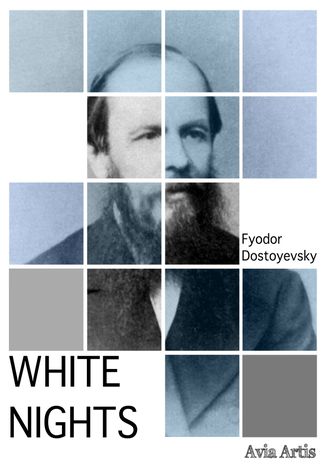
Fyodor Dostoyevsky
White Nights - a short story by Fyodor Dostoyevsky, a Russian novelist, philosopher and short story writer. Many literary critics rate him as one of the greatest psychological novelists in world literature. Like many of Dostoyevsky's stories, "White Nights" is told in the first person by a nameless narrator. The narrator is a young man living in Saint Petersburg who suffers from loneliness. He gets to know and falls in love with a young woman, but the love remains unrequited.
Widmo przeszłości. The Mystery of Cloomber
Arthur Conan Doyle
Książka w dwóch wersjach językowych: polskiej i angielskiej. Widmo przeszłości, czy też Tajemnica Cloomber - The Mystery of Cloomber to powieść brytyjskiego autora Sir Arthura Conan Doyle'a. Narratorem jest John Fothergill West, Szkot, który przeprowadził się z rodziną z Edynburga do Wigtownshire, aby opiekować się majątkiem przyrodniego brata swojego ojca, Williama Farintosha. W pobliżu ich rezydencji, Branksome, znajduje się Cloomber Hall, przez wiele lat nieużytkowany. W końcu jednak zamieszkuje w nim John Berthier Heatherstone, służący ongiś w armii indyjskiej. Generał Heatherstone jest znerwicowany do tego stopnia, że wpada w obłęd. W miarę rozwoju opowieści staje się jasne, że jego obawy są związane z niektórymi ludźmi w Indiach, których w jakiś sposób obraził. W jego obecności ludzie słyszą dziwny dźwięk, podobny do pobrzmiewania dzwonka, który jest bardzo niemiły. Co roku jego obłęd osiąga apogeum około piątego października, po czym jego lęki na chwilę ustępują. Po pewnym czasie w zatoce dochodzi do rozbicia się statku, a wśród ocalałych jest trzech buddyjskich mnichów, którzy weszli na statek z Kurrachee To jednak nie jest koniec tej dziwnej historii...
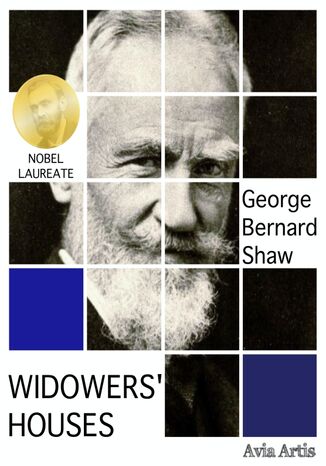
George Bernard Shaw
“Widowers' Houses” is a play by George Bernard Shaw, an Irish playwright who became the leading dramatist of his generation, and in 1925 was awarded the Nobel Prize in Literature. Widowers' Houses was the first play by George Bernard Shaw to be staged. This is one of three plays Shaw published as Plays Unpleasant in 1898. They were termed "unpleasant" because they were intended, not to entertain their audiences – as the traditional Victorian theatre was expected to – but to raise awareness of social problems and to censure exploitation of the labouring class by the unproductive rich. The other plays in the group are The Philanderer and Mrs. Warren's Profession.