
Języki obce
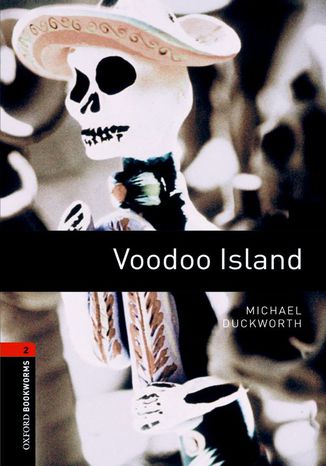
Voodoo Island Level 2 Oxford Bookworms Library
Duckworth, Michael
A level 2 Oxford Bookworms Library graded readers. Written for Learners of English by Michael Duckworth Mr James Conway wants to make money. He wants to build new houses and shops - and he wants to build them on an old graveyard, on the island of Haiti. There is only one old man who still visits the graveyard; and Mr Conway is not afraid of one old man. But the old man has friends - friends in the graveyard, friends who lie dead, under the ground. And when Mr Conway starts to build his houses, he makes the terrible mistake of disturbing the sleep of the dead . . .
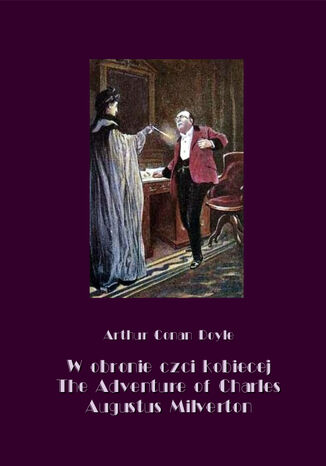
W obronie czci kobiecej. The Adventure of Charles Augustus Milverton
Arthur Conan Doyle
Książka w dwóch wersjach językowych: polskiej i angielskiej. A dual Polish-English language edition. Holmes powiadamia Watsona, że lady Ewa Blackwell, narzeczona lorda Dovercourt, jest prześladowana przez Milvertona, zwanego królem szantażystów. Osobnik ten żąda od niej dużej sumy pieniędzy w zamian listy miłosne lady do jej kochanka grożąc, że w przeciwnym razie ujawni je, co doprowadzi do zerwania zaręczyn. Detektyw poproszony został o wynegocjowanie obniżenia ceny okupu do wysokości, którą lady Ewa byłaby w stanie spłacić, Milverton jest jednak nieugięty. Wyjaśnia, że planuje kilka podobnych spraw i zamierza w ten sposób zastraszyć inne ofiary, które przestaną go lekceważyć. Oburzony tupetem szantażysty Holmes chce go zrewidować, tamten pokazuje jednak, że ma broń i dodaje naiwnością byłoby sądzić, że noszę takie papiery przy sobie. Na pytanie doktora, czy taki proceder jest bezkarny, detektyw wyjaśnia, że należałoby pozwać szantażystę do sądu i udowodnić mu wymuszenie, co oznaczałoby upublicznienie sprawy, czego ofiary starają się uniknąć. (za Wikipedią).

W świecie dźwięków języka polskiego. Przewodnik (glotto)dydaktyczny
Marcin Maciołek, Jolanta Tambor
Monografia dotyczy wybranych zagadnień z zakresu fonetyki języka polskiego i nauczania wymowy polskiej. W publikacji przedstawiono m.in. typologię fonologiczną języków świata, ustalając miejsce, jakie polszczyzna zajmuje na mapie językowej. Omówiono kwestie dotyczące nauczania wymowy polskiej cudzoziemców, uwzględniając problemy artykulacyjne różnych grup narodowościowych. W pracy zawarto też informacje na temat ekwiwalentów fonicznych liter ą i ę, akcentu i intonacji, a także zmian w fonetyce i systemie fonologicznym języka polskiego w związku oddziaływaniem języków obcych na polszczyznę. Uzupełnieniem rozważań teoretycznych jest test pozwalający ocenić czytelnikowi posiadaną kompetencję w zakresie fonetyki artykulacyjnej i nauczania wymowy polskiej cudzoziemców.
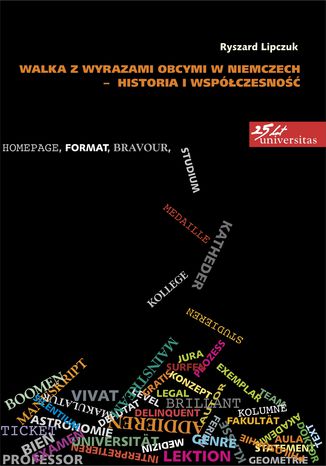
Walka z wyrazami obcymi w Niemczech - historia i współczesność
Ryszard Lipczuk
Monografia przedstawia historię zwalczania wyrazów pochodzenia obcego w języku niemieckim, począwszy od barokowych stowarzyszeń językowych do czasów współczesnych. Nawiązując do spotykanego w literaturze przedmiotu stwierdzenia: „Niemcy to kraj słowników wyrazów obcych” autor wiele uwagi poświęca słownikom zapożyczeń o charakterze purystycznym (m.in. Campe, Dunger, Heyse, Petri, Engel). Porusza też problem anglicyzmów w niemieckich słownikach wyrazów obcych i we współczesnej debacie publicznej. „Jest to przede wszystkim dobrze udokumentowana bibliograficznie, a więc w oparciu o aktualny i reprezentatywny stan badań, oraz faktograficznie, tj. z wykorzystaniem bogatego korpusu przykładowego, analiza zjawiska zapożyczeń leksykalnych w jego różnorodnych aspektach. Jest to zarazem ujęcie syntetyczne w rozumieniu poddawania pod dyskusję różnych racji podnoszonych w trwającej do dziś polemice wokół zapożyczeń. Szczególnie interesujący jest rozdział dot. zapożyczeń angielskich, które niegdyś przegrywały konkurencję z galicyzmami. Adresatami monografii będą w pierwszym rzędzie filolodzy, zwłaszcza neofilolodzy. (…) Krąg czytelników może się łatwo poszerzyć o przedstawicieli humanistyki w ogóle, gdyż autor przystępnie, acz z wykorzystaniem dostępnych badań – również tych wymagających żmudnych kwerend – pokazuje szerokie tło historyczne i kulturowe zachodzących procesów.” Z recenzji prof. zw. dr hab. Romana Sadzińskiego Ryszard Lipczuk, prof. zw. dr hab. Uniwersytetu Szczecińskiego, do r. 1993 - UMK w Toruniu, kierownik Zakładu Języka Niemieckiego Instytutu Filologii Germańskiej US, w latach 1993–1997 i 2005–2012 dyrektor Instytutu, wielokrotny stypendysta Fundacji im. Alexandra von Humboldta. Badania naukowe w zakresie historii puryzmu językowego w Niemczech i w Polsce, leksykografii polsko-niemieckiej, frazeografii, słownictwa sportowego, „fałszywych przyjaciół tłumacza”. Ważniejsze publikacje książkowe: Die Stellung der Zahlwörter im Rahmen der Wortarten Kümmerle: Göppingen 1980, Verbale Tautonyme lateinischer Herkunft in deutsch-polnischer Relation. Ein Beitrag zur semantischen Beschreibung nach dem gebrauchstheoretischen Ansatz Kümmerle: Göppingen 1987, Mały słownik tautonimów niemiecko - polskich WSiP Warszawa 1990, Wörter fremder Herkunft im deutschen und polnischen Sportwortschatz Wyd. US. 1999, (współaut.: P. Mecner, W. Westphal) Lexikon der modernen Linguistik Wyd. Albatros Szczecin 2000 (2. wyd.), (współaut. A. Frączek) Słowniki polsko-niemieckie i niemiecko-polskie. Historia i terażniejszość, In Plus: Wołczkowo 2004, Geschichte und Gegenwart des Fremdwortpurismus in Deutschland und Polen Peter Lang: Frankfurt a. M. 2007. Redaktor lub współredaktor czasopisma „Colloquia Germanica Stetinensia“ (Wyd. US) i serii „Stettiner Beiträge zur Sprachwissenschaft“ (Dr. Kovač Verlag, Hamburg). Strona domowa: https://lipczuk.univ.szczecin.pl

Jack London
“War of the Classes” is a book by Jack London, an American novelist. A pioneer of commercial fiction and an innovator in the genre that would later become known as science fiction. War of the Classes is a series of essays by Jack London. The collection consists of these titles: The Class Struggle, The Tramp, The Scab, The Question of the Maximum,A Review, Wanted: A New Land of Development, How I Became a Socialist.
Mariusz Jakosz
Publikacja jest interdyscyplinarną, osadzoną w językoznawstwie pracą nad zagadnieniem wartościowania w języku i przy jego pomocy. Jej celem jest przedstawienie strategii wyrażania etnicznych sądów wartościujących na przykładzie stosunków niemiecko-polskich. Materiał badawczy stanowią komentarze internetowe do artykułów prasowych, które ukazywały się na forach internetowych opiniotwórczych dzienników i tygodników niemieckich. Okres badawczy obejmował lata 2009–2013. W pracy ukazano najczęstsze motywy oraz źródła formułowania etnicznych sądów wartościujących. Przedstawiono także wizerunek Polski i Polaków od XIX wieku aż po czasy współczesne. Podjęto ponadto próbę odpowiedzi na następujące pytania: Jakie środki językowe stosowane są do nazywania Polaków? Jakie własności i cechy przypisuje się Polakom? Jakie argumenty używane są do usprawiedliwienia dyskryminacji Polaków? Z jakiej perspektywy formułowane są pejoratywne określenia i sposoby argumentacji? Czy sądy wartościujące Polaków wyraża się bezpośrednio, czy może w sposób zawoalowany oraz czy zostają one wzmocnione, czy raczej stonowane? Publikacja jest adresowana do osób zainteresowanych współczesnymi tendencjami badań językoznawczych, w nurt których wpisują się zarówno metodologia obejmująca badania dotyczące języka w Internecie jak i analiza pragmalingwistyczna i dyskursywna wartościowania za pomocą języka.
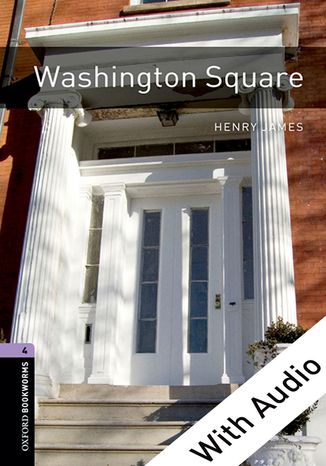
Washington Square - With Audio Level 4 Oxford Bookworms Library
James, Henry
A level 4 Oxford Bookworms Library graded reader. This version includes an audio book: listen to the story as you read. Retold for Learners of English by Kieran McGovern. When a handsome young man begins to court Catherine Sloper, she feels she is very lucky. She is a quiet, gentle girl, but neither beautiful nor clever; no one had ever admired her before, or come to the front parlour of her home in Washington Square to whisper soft words of love to her. But in New York in the 1840s young ladies are not free to marry where they please. Catherine must have her father's permission, and Dr Sloper is a rich man. One day Catherine will have a fortune of 30,000 dollars a year . . .
Washington Square Level 4 Oxford Bookworms Library
James, Henry
A level 4 Oxford Bookworms Library graded readers. Retold for Learners of English by Kieran McGovern When a handsome young man begins to court Catherine Sloper, she feels she is very lucky. She is a quiet, gentle girl, but neither beautiful nor clever; no one had ever admired her before, or come to the front parlour of her home in Washington Square to whisper soft words of love to her. But in New York in the 1840s young ladies are not free to marry where they please. Catherine must have her father's permission, and Dr Sloper is a rich man. One day Catherine will have a fortune of 30,000 dollars a year . . .