
Angielski
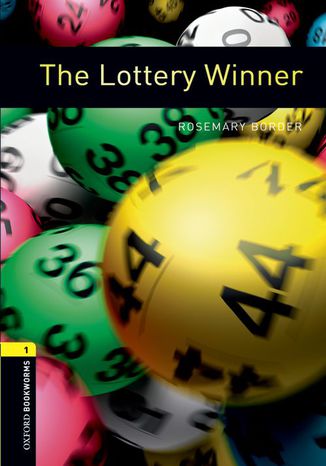
Lottery Winner Level 1 Oxford Bookworms Library
Border, Rosemary
A level 1 Oxford Bookworms Library graded readers. Written for Learners of English by Rosemary Border Everybody wants to win the lottery. A million pounds, perhaps five million, even ten million. How wonderful! Emma Carter buys a ticket for the lottery every week, and puts the ticket carefully in her bag. She is seventy-three years old and does not have much money. She would like to visit her son in Australia, but aeroplane tickets are very expensive. Jason Williams buys lottery tickets every week too. But he is not a very nice young man. He steals things. He hits old ladies in the street, snatches their bags and runs away . . .
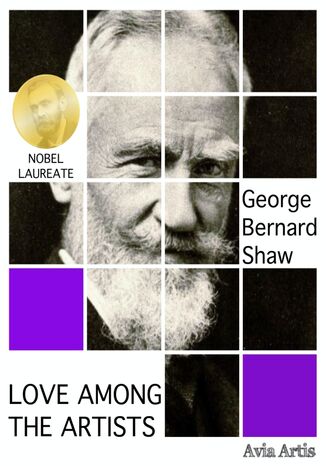
George Bernard Shaw
“Love Among the Artists” is a novel by George Bernard Shaw, an Irish playwright who became the leading dramatist of his generation, and in 1925 was awarded the Nobel Prize in Literature. Love Among the Artists is George Bernard Shaw's novel. Shaw wrote five novels early in his career and then abandoned them to pursue politics, drama criticism, and eventually playwriting.
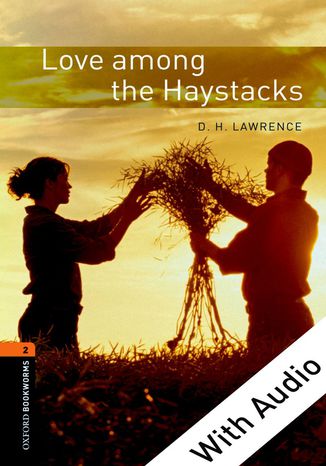
Love among the Haystacks - With Audio Level 2 Oxford Bookworms Library
Lawrence, D. H.
A level 2 Oxford Bookworms Library graded reader. This version includes an audio book: listen to the story as you read. Retold for Learners of English by Jennifer Bassett. It is hay-making time on the Wookey farm. Two brothers are building the haystack, but thinking about other things - about young women, and love. There are angry words, and then a fight between the brothers. But the work goes on, visitors come and go, and the long hot summer day slowly turns to evening. Then the sun goes down, covering the world with a carpet of darkness. From the hedges around the hayfield comes the rich, sweet smell of wild flowers, and the hay will make a fine, soft bed . . .
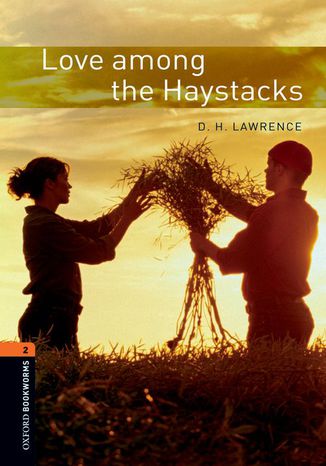
Love among the Haystacks Level 2 Oxford Bookworms Library
Lawrence, D. H.
A level 2 Oxford Bookworms Library graded readers. Retold for Learners of English by Jennifer Bassett It is hay-making time on the Wookey farm. Two brothers are building the haystack, but thinking about other things - about young women, and love. There are angry words, and then a fight between the brothers. But the work goes on, visitors come and go, and the long hot summer day slowly turns to evening. Then the sun goes down, covering the world with a carpet of darkness. From the hedges around the hayfield comes the rich, sweet smell of wild flowers, and the hay will make a fine, soft bed . . .

Jack London
“Love of Life & Other Stories” is a book by Jack London, an American novelist. A pioneer of commercial fiction and an innovator in the genre that would later become known as science fiction. Love of Life & Other Stories is a series of short stories by Jack London. It consists of eight moving and thrilling stories such as: Love of Life, The Story of Keesh or The Sun-Dog Trail.
Love or Money - With Audio Level 1 Oxford Bookworms Library
Akinyemi, Rowena
A level 1 Oxford Bookworms Library graded reader. This version includes an audio book: listen to the story as you read. Written for Learners of English by Rowena Akinyemi. It is Molly Clarkson's fiftieth birthday. She is having a party. She is rich, but she is having a small party - only four people. Four people, however, who all need the same thing: they need her money. She will not give them the money, so they are waiting for her to die. And there are other people who are also waiting for her to die. But one person can't wait. And so, on her fiftieth birthday, Molly Clarkson is going to die.
Love or Money Level 1 Oxford Bookworms Library
Akinyemi, Rowena
A level 1 Oxford Bookworms Library graded readers. Written for Learners of English by Rowena Akinyemi It is Molly Clarkson's fiftieth birthday. She is having a party. She is rich, but she is having a small party - only four people. Four people, however, who all need the same thing: they need her money. She will not give them the money, so they are waiting for her to die. And there are other people who are also waiting for her to die. But one person can't wait. And so, on her fiftieth birthday, Molly Clarkson is going to die.
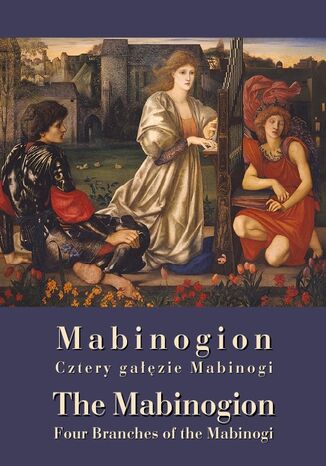
Mabinogion Cztery gałęzie. The Mabinogion Four Branches of the Mabinogi
Nieznany
Książka w dwóch wersjach językowych: polskiej i angielskiej. A dual Polish-English language edition. Mabinogion. Cztery gałęzie Mabinogi. Przełożył Andrzej Sarwa. The Mabinogion. Four Branches of the Mabinogi. Translated by Lady Charlotte Guest Prastare celtyckie sagi (walijskie). Jest to pierwszy pełny polski przekład oryginalnego tekstu pierwszej części Mabinogionu. Mabinogion. Cztery gałęzie Mabinogi zawierający cztery opowieści to pierwsza część cyklu walijskich sag. Sagi te powstały głównie w średniowieczu (a jak sugeruje ich treść, częściowo sięgają także do tradycji epoki żelaza). Tytuł Mabinogion nadała zbiorowi jego pierwsza tłumaczka na język angielski lady Charlotte Guest w roku 1849. Znaczenie i pochodzenie walijskiego słowa mabinogi nie jest znane do dziś. Pełny cykl Mabinogionu został zapisany w dwóch średniowiecznych rękopisach znanych jako Biała Księga z Rhydderch (w języku walijskim Llyfr Gwyn Rhydderch) z roku około 1350 i Czerwona Księga z Hergest (po walijsku Llyfr Coch Hergest) datowana na lata 13821410. Oprócz tego fragmenty poszczególnych opowiadań znane są także z innych źródeł datowanych na wiek XIII. Uważa się jednak, że pierwotnie powstały między rokiem 1000 a 1110. Mabinogion oraz sagi irlandzkie dostarczają nam informacji na temat staroceltyckich bogów, wierzeń i obyczajów. The Mabinogion (Welsh pronunciation: [mabnjn]) is the title given to a collection of eleven prose stories collated from medieval Welsh manuscripts. The tales draw on pre-Christian Celtic mythology, international folktale motifs, and early medieval historical traditions. While some details may hark back to older Iron Age traditions, each of these tales is the product of a highly developed medieval Welsh narrative tradition, both oral and written. Lady Charlotte Guest in the mid 19th century was the first to publish English translations of the collection, popularising the name ""Mabinogion"" at the same time. (https://en.wikipedia.org/wiki/Mabinogion)