
Angielski
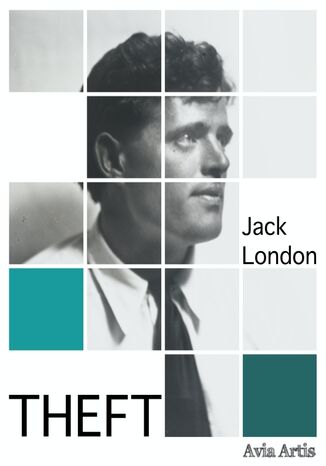
Jack London
“Theft” is a book by Jack London, an American novelist. A pioneer of commercial fiction and an innovator in the genre that would later become known as science fiction. Theft is a political piece set in Washington, DC. A Congressman, Howard Knox, is ready to reveal the corrupt practices of Anthony Starkweather, a wealthy industrialist. To complicate matters, Starkweather's daughter is helping Knox. The play's underlying anti-capitalist theme is also found in some of London's other works. The plot revolves around recovering documents that support Knox's revelations.
"Theory and Practice of Second Language Acquisition" 2016. Vol. 2 (2)
red. Danuta Gabryś-Barker, red. Adam Wojtaszek
Theory and Practice of Second Language Acquisition, Volume 2, Issue 2 to trzeci numer nowopowstałego czasopisma (półrocznik) poświęconego pracom teoretycznym oraz badaniom empirycznym zajmującym się przyswajaniem języka drugiego oraz uczeniem się języka obcego. Jest czasopismem o zasięgu międzynarodowym, gromadzi bowiem Autorów z wielu środowisk akademickich poza Polską. Tegoroczny drugi numer koncentruje się na czynnikach kształtujących motywację do nauki języka obcego, roli blogów w promowaniu wielojęzyczności, przeplataniu się świata wirtualnego z rzeczywistym w kontekście nauczania języka obcego, problemu selektywnego mutyzmu wśród dzieci imigrantów, zmieniającej się roli native speaker’a we współczesnej glottodydaktyce oraz na wykształcaniu specjalistycznych umiejętności w ramach przyswajanego języka obcego. Tak jak poprzednie, obecny numer kierowany jest zarówno do badaczy procesów przyswajania języków, jak i do praktykujących glottodydaktyków.
"Theory and Practice of Second Language Acquisition" 2018. Vol. 4 (2))
red. Danuta Gabryś-Barker, Adam Wojtaszek
Theory and Practice of Second Language Acquisition, Volume 4, Issue 2 to siódmy numer powstałego w 2015 roku czasopisma (półrocznik) poświęconego pracom teoretycznym oraz badaniom empirycznym zajmującym się przyswajaniem języka drugiego oraz uczeniem się języka obcego. Jest czasopismem o zasięgu międzynarodowym, gromadzi bowiem autorów z wielu środowisk akademickich poza Polską. Tegoroczny drugi numer kontynuuje kwestie podejmowane w poprzednim, związane ze wpływem szeroko pojętego środowiska uczenia się i przyswajania języka na osiągane rezultaty. Omawiane są badania nad profilem nauczania określanym jako Positive Language Education (Pozytywne Kształcenie Językowe), które łączy nauczanie języka z ogólnymi treściami edukacyjnymi skupiającymi się na dobrym egzystowaniu w społeczeństwie i dbaniem o rozwój własnej osobowości. Temu tematowi poświęcone są dwa pierwsze artykuły. Trzeci artykuł oferuje spojrzenie na środowisko przyswajania języka z perspektywy uczących się, natomiast w czwartym tekście przedstawione są korzyści wynikające z integracji trzech języków w środowisku klasowym dla rozwoju kompetencji w każdym z nich. Piąty tekst podejmuje problematykę kształcenia językowego online, prezentując ciekawe rozwiązania organizacyjno-metodyczne pozwalające na optymalizację procesu nauczania języka poprzez łączenie metod tradycyjnych z kształceniem na odległość. W ostatnim artykule naukowym prezentowane są możliwości zaadoptowania nowego modelu teoretycznego Complex Dynamic Systems Theory (Teoria Złożonych Układów Dynamicznych) dla potrzeb nauczania języka, wskazując zarówno na korzyści, jak i problemy z tym związane. W tomie zawarte są także dwie recenzje niedawno opublikowanych książek: Personality and Emotional Intelligence in Second Language Learning Katarzyny Ożańskiej-Ponikwii (recenzja autorstwa Danuty Gabryś-Barker) oraz Avialinguistics. The Study of Language for Aviation Purposes Anny Borowskiej (recenzja przygotowana przez Adama Wojtaszka). Tak jak poprzednie, obecny numer kierowany jest zarówno do badaczy procesów przyswajania języków, jak i do praktykujących glottodydaktyków.
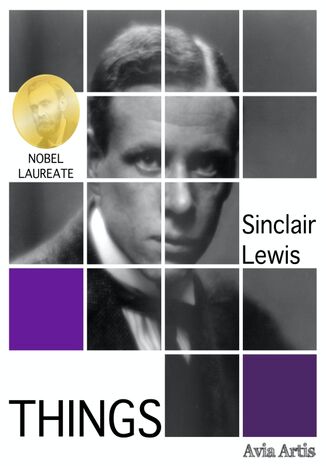
Sinclair Lewis
“Things” is a book by Sinclair Lewis an American writer. In 1930, he became the first writer from the United States to receive the Nobel Prize in Literature. “Things” is a short story by Sinclair Lewis. “This is not the story of Theodora Duke and Stacy Lindstrom, but of a traveling bag with silver fittings, a collection of cloisonné, a pile of ratty school-books, and a fireless cooker that did not cook. Long before these things were acquired, when Theo was a girl and her father, Lyman Duke, was a so-so dealer in cut-over lands, there was a feeling of adventure in the family. They lived in a small brown house which predicated children and rabbits in the back yard, and a father invariably home for supper. But Mr. Duke was always catching trains to look at pine tracts in northern Minnesota. Often his wife went along and, in the wilds, way and beyond Grand Marais and the steely shore of Lake Superior, she heard wolves howl and was unafraid.” Preview.
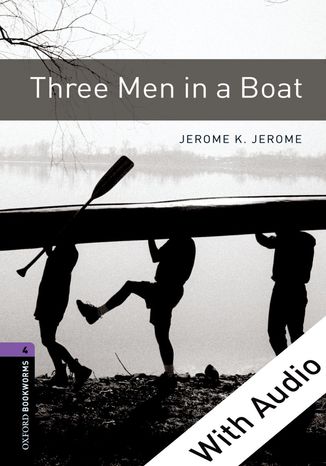
Three Men in a Boat - With Audio Level 4 Oxford Bookworms Library
Jerome, Jerome K.
A level 4 Oxford Bookworms Library graded reader. This version includes an audio book: listen to the story as you read. Retold for Learners of English by Diane Mowat. 'I like work. I find it interesting . . . I can sit and look at it for hours.' With ideas like this, perhaps it is not a good idea to spend a holiday taking a boat trip up the River Thames. But this is what the three friends - and Montmorency the dog - decide to do. It is the sort of holiday that is fun to remember afterwards, but not so much fun to wake up to early on a cold, wet morning. This famous book has made people laugh all over the world for a hundred years . . . and they are still laughing.
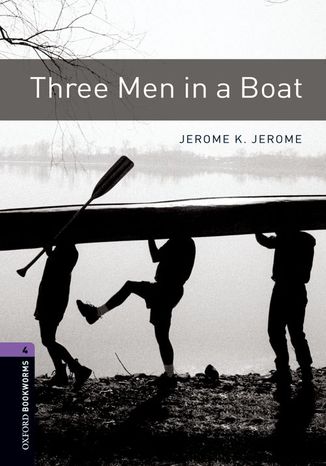
Three Men in a Boat Level 4 Oxford Bookworms Library
Jerome, Jerome K.
A level 4 Oxford Bookworms Library graded readers. Retold for Learners of English by Diane Mowat 'I like work. I find it interesting . . . I can sit and look at it for hours.' With ideas like this, perhaps it is not a good idea to spend a holiday taking a boat trip up the River Thames. But this is what the three friends - and Montmorency the dog - decide to do. It is the sort of holiday that is fun to remember afterwards, but not so much fun to wake up to early on a cold, wet morning. This famous book has made people laugh all over the world for a hundred years . . . and they are still laughing.
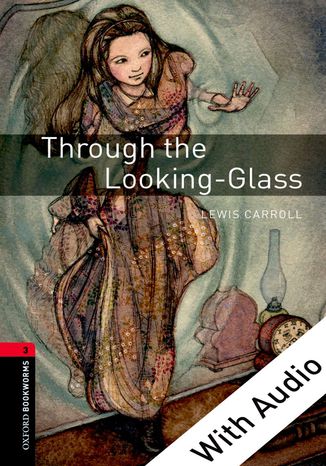
Through the Looking-Glass - With Audio Level 3 Oxford Bookworms Library
Carroll, Lewis
A level 3 Oxford Bookworms Library graded reader. This version includes an audio book: listen to the story as you read. Retold for Learners of English by Jennifer Bassett. 'I wish I could get through into looking-glass house,' Alice said. 'Let's pretend that the glass has gone soft and . . . Why, I do believe it has! It's turning into a kind of cloud!' A moment later Alice is inside the looking-glass world. There she finds herself part of a great game of chess, travelling through forests and jumping across brooks. The chess pieces talk and argue with her, give orders and repeat poems . . . It is the strangest dream that anyone ever had . . .
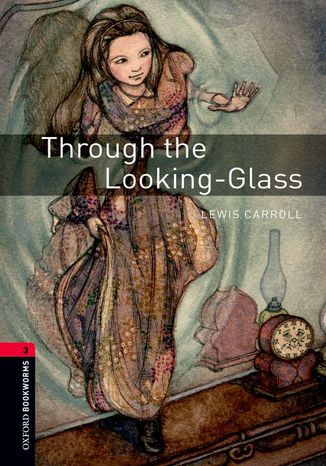
Through the Looking-Glass Level 3 Oxford Bookworms Library
Carroll, Lewis
A level 3 Oxford Bookworms Library graded reader. Retold for Learners of English by Jennifer Bassett 'I wish I could get through into looking-glass house,' Alice said. 'Let's pretend that the glass has gone soft and . . . Why, I do believe it has! It's turning into a kind of cloud!' A moment later Alice is inside the looking-glass world. There she finds herself part of a great game of chess, travelling through forests and jumping across brooks. The chess pieces talk and argue with her, give orders and repeat poems . . . It is the strangest dream that anyone ever had . . .