
Big data
Anish Chapagain
Web scraping is an essential technique used in many organizations to gather valuable data from web pages. This book will enable you to delve into web scraping techniques and methodologies.The book will introduce you to the fundamental concepts of web scraping techniques and how they can be applied to multiple sets of web pages. You'll use powerful libraries from the Python ecosystem such as Scrapy, lxml, pyquery, and bs4 to carry out web scraping operations. You will then get up to speed with simple to intermediate scraping operations such as identifying information from web pages and using patterns or attributes to retrieve information. This book adopts a practical approach to web scraping concepts and tools, guiding you through a series of use cases and showing you how to use the best tools and techniques to efficiently scrape web pages. You'll even cover the use of other popular web scraping tools, such as Selenium, Regex, and web-based APIs.By the end of this book, you will have learned how to efficiently scrape the web using different techniques with Python and other popular tools.
Nishant Shukla
Step-by-step recipes filled with practical code samples and engaging examples demonstrate Haskell in practice, and then the concepts behind the code.This book shows functional developers and analysts how to leverage their existing knowledge of Haskell specifically for high-quality data analysis. A good understanding of data sets and functional programming is assumed.
Rajesh Nadipalli
If you want to discover one of the latest tools designed to produce stunning Big Data insights, this book features everything you need to get to grips with your data. Whether you are a data architect, developer, or a business strategist, HDInsight adds value in everything from development, administration, and reporting.
Vikas (Vik) Kumar, Shameer Khader
In recent years, machine learning technologies and analytics have been widely utilized across the healthcare sector. Healthcare Analytics Made Simple bridges the gap between practising doctors and data scientists. It equips the data scientists’ work with healthcare data and allows them to gain better insight from this data in order to improve healthcare outcomes.This book is a complete overview of machine learning for healthcare analytics, briefly describing the current healthcare landscape, machine learning algorithms, and Python and SQL programming languages. The step-by-step instructions teach you how to obtain real healthcare data and perform descriptive, predictive, and prescriptive analytics using popular Python packages such as pandas and scikit-learn. The latest research results in disease detection and healthcare image analysis are reviewed.By the end of this book, you will understand how to use Python for healthcare data analysis, how to import, collect, clean, and refine data from electronic health record (EHR) surveys, and how to make predictive models with this data through real-world algorithms and code examples.
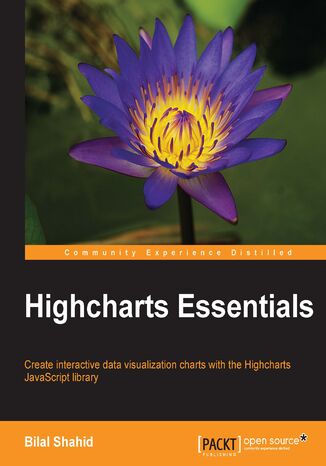
Bilal Shahid
If you are a web developer with a basic knowledge of HTML, CSS, and JavaScript and want to quickly get started with this web charting technology, this is the book for you. This book will also serve as an essential guide to those who have probably used a similar library and are now looking at migrating to Highcharts.
Hurtownie danych. Od przetwarzania analitycznego do raportowania
Adam Pelikant
Spec od hurtowni danych? Zawsze będzie pilnie potrzebny! Jak stworzyć strukturę hurtowni danych i dokonać ich integracji? Jak przeprowadzić analizę danych z wykorzystaniem rozszerzenia MDX SQL? Do czego potrzebne jest raportowanie? Idea hurtowni danych ściśle wiąże się z ich kolosalnymi ilościami, gromadzonymi podczas tysięcy różnych sytuacji — przy dowolnej transakcji, w urzędzie, na lotnisku, w internecie… Nawet nasze połączenia telefoniczne są przechowywane przez operatora. Te wszystkie dane trzeba gdzieś pomieścić, sensownie posegregować i zapewnić sobie możliwość sięgnięcia do wybranego ich zakresu bez długotrwałych poszukiwań. Taką możliwość dają właśnie hurtownie danych — przemyślane, bardzo pojemne bazy, oferujące zarówno integrację wprowadzanych danych, jak i znakomite mechanizmy ich przeszukiwania. Jeśli chcesz poszerzyć swoją wiedzę na temat tworzenia i przeglądania zawartości hurtowni danych, trafiłeś pod właściwy adres! Książka "Hurtownie danych. Od przetwarzania analitycznego do raportowania" zawiera materiał przeznaczony nie tylko dla studentów wydziałów informatycznych, ale także dla pasjonatów tej tematyki oraz specjalistów zainteresowanych poszerzeniem wiedzy. W możliwie najprostszy, praktyczny sposób opisano w niej składnię i postać zapytań analitycznych, strukturę hurtowni danych oraz kwestię ich integracji i wizualnego tworzenia elementów hurtowni. Znajdziesz tu także omówienie analizy danych z wykorzystaniem rozszerzenia MDX SQL oraz zastosowań raportowania. Zapoznanie się z tymi informacjami oraz prześledzenie zgromadzonych tu przykładów pozwoli Ci zrozumieć problemy powstające przy budowie hurtowni danych i wykorzystać tę wiedzę we własnych projektach. Zapytania analityczne Struktura hurtowni danych Integracja danych Wizualne tworzenie elementów hurtowni danych Analiza danych z wykorzystaniem rozszerzenia MDX SQL Raportowanie Od bazy do hurtowni danych… Skocz na głęboką wodę!
Hurtownie danych. Od przetwarzania analitycznego do raportowania. Wydanie II
Adam Pelikant
Idea hurtowni danych ściśle wiąże się z ich kolosalnymi ilościami, gromadzonymi podczas tysięcy różnych sytuacji - przy dowolnej transakcji, w urzędzie, na lotnisku, w internecie... Nawet nasze połączenia telefoniczne są przechowywane przez operatora. Te wszystkie dane trzeba gdzieś pomieścić, sensownie posegregować i zapewnić sobie możliwość sięgnięcia do wybranego ich zakresu bez długotrwałych poszukiwań. Taką możliwość dają właśnie hurtownie danych - przemyślane, bardzo pojemne bazy, oferujące zarówno integrację wprowadzanych danych, jak i znakomite mechanizmy ich przeszukiwania. Jeśli chcesz poszerzyć swoją wiedzę na temat tworzenia i przeglądania zawartości hurtowni danych, trafiłeś pod właściwy adres! Książka Hurtownie danych. Od przetwarzania analitycznego do raportowania zawiera materiał przeznaczony nie tylko dla studentów wydziałów informatycznych, ale także dla pasjonatów tej tematyki oraz specjalistów zainteresowanych poszerzeniem wiedzy. W możliwie najprostszy, praktyczny sposób opisano w niej składnię i postać zapytań analitycznych, strukturę hurtowni danych oraz kwestię ich integracji i wizualnego tworzenia elementów hurtowni. Znajdziesz tu także omówienie analizy danych z wykorzystaniem rozszerzenia MDX SQL oraz zastosowań raportowania. Zapoznanie się z tymi informacjami oraz prześledzenie zgromadzonych tu przykładów pozwoli Ci zrozumieć problemy powstające przy budowie hurtowni danych i wykorzystać tę wiedzę we własnych projektach. Zapytania analityczne Struktura hurtowni danych Integracja danych Wizualne tworzenie elementów hurtowni danych Analiza danych z wykorzystaniem rozszerzenia MDX SQL Raportowanie
IBM Cloud Pak for Data. An enterprise platform to operationalize data, analytics, and AI
Hemanth Manda, Sriram Srinivasan, Deepak Rangarao
Cloud Pak for Data is IBM's modern data and AI platform that includes strategic offerings from its data and AI portfolio delivered in a cloud-native fashion with the flexibility of deployment on any cloud. The platform offers a unique approach to addressing modern challenges with an integrated mix of proprietary, open-source, and third-party services.You'll begin by getting to grips with key concepts in modern data management and artificial intelligence (AI), reviewing real-life use cases, and developing an appreciation of the AI Ladder principle. Once you've gotten to grips with the basics, you will explore how Cloud Pak for Data helps in the elegant implementation of the AI Ladder practice to collect, organize, analyze, and infuse data and trustworthy AI across your business. As you advance, you'll discover the capabilities of the platform and extension services, including how they are packaged and priced. With the help of examples present throughout the book, you will gain a deep understanding of the platform, from its rich capabilities and technical architecture to its ecosystem and key go-to-market aspects.By the end of this IBM book, you'll be able to apply IBM Cloud Pak for Data's prescriptive practices and leverage its capabilities to build a trusted data foundation and accelerate AI adoption in your enterprise.