Systemy operacyjne
Tutaj dowiecie się jak prawidłowo zainstalować i skonfigurować wybrany system operacyjny, naprawić ewentualne błędy lub zwiększyć wydajność komputera. Znajdziecie przydatne informacje na temat administracji OS, nauczycie się optymalnie wykorzystywać oparte na nim aplikacje oraz w pełni opanować potencjał waszego systemu.
Poszczególne pozycje odkrywają tajemnice wszystkich, mniej lub bardziej popularnych systemów operacyjnych, od DOS, Unix, Mac OS, poprzez wszelkie dystrybucje Linuxa, zarówno desktopowe, serwerowe i typu live-CD, aż po większość wersji Microsoft Windows, także wersje serwerowe. Książki napisane są przystępnym i zrozumiałym językiem, przeznaczone zarówno dla zwykłego użytkownika, stanowią również cenne źródło informacji dla profesjonalnych administratorów.
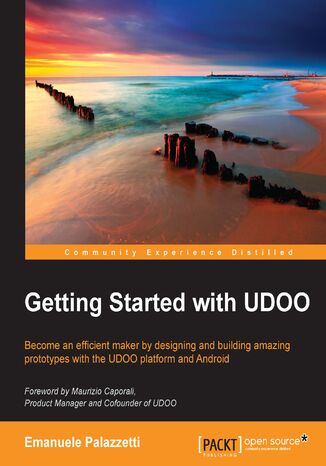
Maurizio Caporali, Emanuele Palazzetti
David Álvarez Pérez
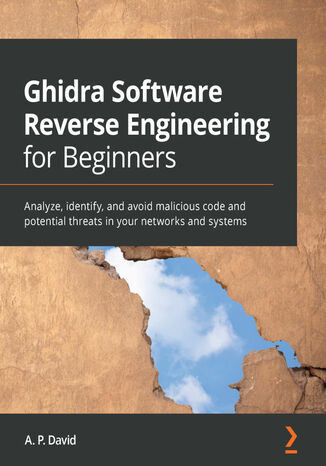
Ghidra, an open source software reverse engineering (SRE) framework created by the NSA research directorate, enables users to analyze compiled code on any platform, whether Linux, Windows, or macOS. This book is a starting point for developers interested in leveraging Ghidra to create patches and extend tool capabilities to meet their cybersecurity needs.You'll begin by installing Ghidra and exploring its features, and gradually learn how to automate reverse engineering tasks using Ghidra plug-ins. You’ll then see how to set up an environment to perform malware analysis using Ghidra and how to use it in the headless mode. As you progress, you’ll use Ghidra scripting to automate the task of identifying vulnerabilities in executable binaries. The book also covers advanced topics such as developing Ghidra plug-ins, developing your own GUI, incorporating new process architectures if needed, and contributing to the Ghidra project.By the end of this Ghidra book, you’ll have developed the skills you need to harness the power of Ghidra for analyzing and avoiding potential vulnerabilities in code and networks.
David Álvarez Pérez
Ghidra, an open source software reverse engineering (SRE) framework created by the NSA research directorate, enables users to analyze compiled code on any platform, whether Linux, Windows, or macOS. This book is a starting point for developers interested in leveraging Ghidra to create patches and extend tool capabilities to meet their cybersecurity needs.You'll begin by installing Ghidra and exploring its features, and gradually learn how to automate reverse engineering tasks using Ghidra plug-ins. You’ll then see how to set up an environment to perform malware analysis using Ghidra and how to use it in the headless mode. As you progress, you’ll use Ghidra scripting to automate the task of identifying vulnerabilities in executable binaries. The book also covers advanced topics such as developing Ghidra plug-ins, developing your own GUI, incorporating new process architectures if needed, and contributing to the Ghidra project.By the end of this Ghidra book, you’ll have developed the skills you need to harness the power of Ghidra for analyzing and avoiding potential vulnerabilities in code and networks.
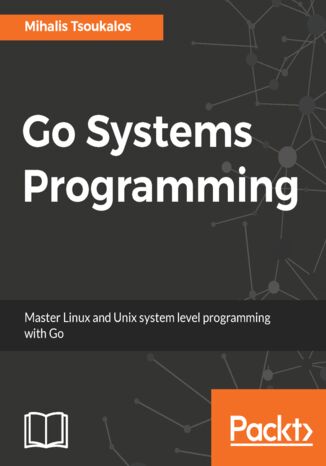
Go Systems Programming. Master Linux and Unix system level programming with Go
Mihalis Tsoukalos
Go is the new systems programming language for Linux and Unix systems. It is also the language in which some of the most prominent cloud-level systems have been written, such as Docker. Where C programmers used to rule, Go programmers are in demand to write highly optimized systems programming code.Created by some of the original designers of C and Unix, Go expands the systems programmers toolkit and adds a mature, clear programming language. Traditional system applications become easier to write since pointers are not relevant and garbage collection has taken away the most problematic area for low-level systems code: memory management.This book opens up the world of high-performance Unix system applications to the beginning Go programmer. It does not get stuck on single systems or even system types, but tries to expand the original teachings from Unix system level programming to all types of servers, the cloud, and the web.
Gray Hat C#. Język C# w kontroli i łamaniu zabezpieczeń
Brandon Perry
C# to nowoczesny język programowania, który został od podstaw zaprojektowany jako obiektowy. Ta dojrzała technologia jest często wybierana przez twórców oprogramowania, również tego służącego do pokonywania zabezpieczeń systemów. Dzięki temu, że platforma .NET jest oprogramowaniem open source, w C# można pisać kod, który bez problemu będzie działał w każdym systemie operacyjnym. Co prawda język ten jest prosty i łatwy do nauczenia się, jednak dopiero gruntowna znajomość C# umożliwia efektywne tworzenie narzędzi związanych z bezpieczeństwem, służących choćby do wyszukiwania luk w infrastrukturze czy prowadzenia testów penetracyjnych. Ta książka jest przeznaczona dla specjalistów ds. bezpieczeństwa, którzy chcą korzystać z języka C# do takich zadań jak fuzzowanie, skanowanie w poszukiwaniu luk zabezpieczeń i analiza złośliwego oprogramowania. Opisano tu zarówno podstawy języka C#, jak i jego dość zaawansowane funkcje. Przedstawiono szereg bibliotek dostępnych dla tego języka. Pokazano, jak pisać kod wyszukujący luki w zabezpieczeniach i jak tworzyć eksploity. Przedstawiono sposoby korzystania z takich narzędzi jak Nessus, sqlmap i Cuckoo Sandbox. Dzięki technikom zaprezentowanym w książce administrator bezpieczeństwa bez problemu zautomatyzuje nawet najbardziej żmudne codzienne zadania! W tej książce między innymi: Podstawowe i zaawansowane funkcjonalności języka C# Generowanie kodu ładunków, również wieloplatformowych Skanery, w tym OpenVAS, Nessus i Nexpose Automatyczna identyfikacja luk umożliwiających wstrzyknięcie kodu SQL Tworzenie w C# narzędzi do inżynierii wstecznej C#. Sprawdź swój system zabezpieczeń! Brandon Perry jest programistą i gorącym zwolennikiem idei open source. Odkąd pojawiło się środowisko Mono, pisze aplikacje w języku C#. Tworzy też moduły dla frameworka Metasploit, analizuje pliki binarne i zarządza ciekawymi projektami (https://volatileminds.net/). Fascynuje się badaniami nad bezpieczeństwem systemów informatycznych. Chętnie dzieli się swoją wiedzą, pisze książki i pomaga innym w tworzeniu solidniejszego oprogramowania.
Gray Hat C#. Język C# w kontroli i łamaniu zabezpieczeń
Brandon Perry
C# to nowoczesny język programowania, który został od podstaw zaprojektowany jako obiektowy. Ta dojrzała technologia jest często wybierana przez twórców oprogramowania, również tego służącego do pokonywania zabezpieczeń systemów. Dzięki temu, że platforma .NET jest oprogramowaniem open source, w C# można pisać kod, który bez problemu będzie działał w każdym systemie operacyjnym. Co prawda język ten jest prosty i łatwy do nauczenia się, jednak dopiero gruntowna znajomość C# umożliwia efektywne tworzenie narzędzi związanych z bezpieczeństwem, służących choćby do wyszukiwania luk w infrastrukturze czy prowadzenia testów penetracyjnych. Ta książka jest przeznaczona dla specjalistów ds. bezpieczeństwa, którzy chcą korzystać z języka C# do takich zadań jak fuzzowanie, skanowanie w poszukiwaniu luk zabezpieczeń i analiza złośliwego oprogramowania. Opisano tu zarówno podstawy języka C#, jak i jego dość zaawansowane funkcje. Przedstawiono szereg bibliotek dostępnych dla tego języka. Pokazano, jak pisać kod wyszukujący luki w zabezpieczeniach i jak tworzyć eksploity. Przedstawiono sposoby korzystania z takich narzędzi jak Nessus, sqlmap i Cuckoo Sandbox. Dzięki technikom zaprezentowanym w książce administrator bezpieczeństwa bez problemu zautomatyzuje nawet najbardziej żmudne codzienne zadania! W tej książce między innymi: Podstawowe i zaawansowane funkcjonalności języka C# Generowanie kodu ładunków, również wieloplatformowych Skanery, w tym OpenVAS, Nessus i Nexpose Automatyczna identyfikacja luk umożliwiających wstrzyknięcie kodu SQL Tworzenie w C# narzędzi do inżynierii wstecznej C#. Sprawdź swój system zabezpieczeń! Brandon Perry jest programistą i gorącym zwolennikiem idei open source. Odkąd pojawiło się środowisko Mono, pisze aplikacje w języku C#. Tworzy też moduły dla frameworka Metasploit, analizuje pliki binarne i zarządza ciekawymi projektami (https://volatileminds.net/). Fascynuje się badaniami nad bezpieczeństwem systemów informatycznych. Chętnie dzieli się swoją wiedzą, pisze książki i pomaga innym w tworzeniu solidniejszego oprogramowania.
Gray Hat C#. Język C# w kontroli i łamaniu zabezpieczeń
Brandon Perry
C# to nowoczesny język programowania, który został od podstaw zaprojektowany jako obiektowy. Ta dojrzała technologia jest często wybierana przez twórców oprogramowania, również tego służącego do pokonywania zabezpieczeń systemów. Dzięki temu, że platforma .NET jest oprogramowaniem open source, w C# można pisać kod, który bez problemu będzie działał w każdym systemie operacyjnym. Co prawda język ten jest prosty i łatwy do nauczenia się, jednak dopiero gruntowna znajomość C# umożliwia efektywne tworzenie narzędzi związanych z bezpieczeństwem, służących choćby do wyszukiwania luk w infrastrukturze czy prowadzenia testów penetracyjnych. Ta książka jest przeznaczona dla specjalistów ds. bezpieczeństwa, którzy chcą korzystać z języka C# do takich zadań jak fuzzowanie, skanowanie w poszukiwaniu luk zabezpieczeń i analiza złośliwego oprogramowania. Opisano tu zarówno podstawy języka C#, jak i jego dość zaawansowane funkcje. Przedstawiono szereg bibliotek dostępnych dla tego języka. Pokazano, jak pisać kod wyszukujący luki w zabezpieczeniach i jak tworzyć eksploity. Przedstawiono sposoby korzystania z takich narzędzi jak Nessus, sqlmap i Cuckoo Sandbox. Dzięki technikom zaprezentowanym w książce administrator bezpieczeństwa bez problemu zautomatyzuje nawet najbardziej żmudne codzienne zadania! W tej książce między innymi: Podstawowe i zaawansowane funkcjonalności języka C# Generowanie kodu ładunków, również wieloplatformowych Skanery, w tym OpenVAS, Nessus i Nexpose Automatyczna identyfikacja luk umożliwiających wstrzyknięcie kodu SQL Tworzenie w C# narzędzi do inżynierii wstecznej C#. Sprawdź swój system zabezpieczeń! Brandon Perry jest programistą i gorącym zwolennikiem idei open source. Odkąd pojawiło się środowisko Mono, pisze aplikacje w języku C#. Tworzy też moduły dla frameworka Metasploit, analizuje pliki binarne i zarządza ciekawymi projektami (https://volatileminds.net/). Fascynuje się badaniami nad bezpieczeństwem systemów informatycznych. Chętnie dzieli się swoją wiedzą, pisze książki i pomaga innym w tworzeniu solidniejszego oprogramowania.
Banibrata De
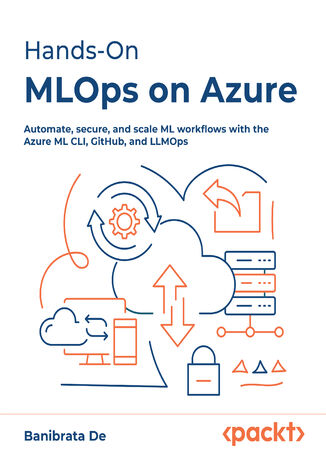
Effective machine learning (ML) now demands not just building models but deploying and managing them at scale. Written by a seasoned senior software engineer with high-level expertise in both MLOps and LLMOps, Hands-On MLOps on Azure equips ML practitioners, DevOps engineers, and cloud professionals with the skills to automate, monitor, and scale ML systems across environments.The book begins with MLOps fundamentals and their roots in DevOps, exploring training workflows, model versioning, and reproducibility using pipelines. You'll implement CI/CD with GitHub Actions and the Azure ML CLI, automate deployments, and manage governance and alerting for enterprise use. The author draws on their production ML experience to provide you with actionable guidance and real-world examples. A dedicated section on LLMOps covers operationalizing large language models (LLMs) such as GPT-4 using RAG patterns, evaluation techniques, and responsible AI practices. You'll also work with case studies across Azure, AWS, and GCP that offer practical context for multi-cloud operations.Whether you're building pipelines, packaging models, or deploying LLMs, this guide delivers end-to-end strategy to build robust, scalable systems. By the end of this book, you'll be ready to design, deploy, and maintain enterprise-grade ML solutions with confidence.
Banibrata De
Effective machine learning (ML) now demands not just building models but deploying and managing them at scale. Written by a seasoned senior software engineer with high-level expertise in both MLOps and LLMOps, Hands-On MLOps on Azure equips ML practitioners, DevOps engineers, and cloud professionals with the skills to automate, monitor, and scale ML systems across environments.The book begins with MLOps fundamentals and their roots in DevOps, exploring training workflows, model versioning, and reproducibility using pipelines. You'll implement CI/CD with GitHub Actions and the Azure ML CLI, automate deployments, and manage governance and alerting for enterprise use. The author draws on their production ML experience to provide you with actionable guidance and real-world examples. A dedicated section on LLMOps covers operationalizing large language models (LLMs) such as GPT-4 using RAG patterns, evaluation techniques, and responsible AI practices. You'll also work with case studies across Azure, AWS, and GCP that offer practical context for multi-cloud operations.Whether you're building pipelines, packaging models, or deploying LLMs, this guide delivers end-to-end strategy to build robust, scalable systems. By the end of this book, you'll be ready to design, deploy, and maintain enterprise-grade ML solutions with confidence.
Karl Gilbert Gupta, Benjamin Caudill
The cloud is taking over the IT industry. Any organization housing a large amount of data or a large infrastructure has started moving cloud-ward — and AWS rules the roost when it comes to cloud service providers, with its closest competitor having less than half of its market share. This highlights the importance of security on the cloud, especially on AWS. While a lot has been said (and written) about how cloud environments can be secured, performing external security assessments in the form of pentests on AWS is still seen as a dark art. This book aims to help pentesters as well as seasoned system administrators with a hands-on approach to pentesting the various cloud services provided by Amazon through AWS using Kali Linux. To make things easier for novice pentesters, the book focuses on building a practice lab and refining penetration testing with Kali Linux on the cloud. This is helpful not only for beginners but also for pentesters who want to set up a pentesting environment in their private cloud, using Kali Linux to perform a white-box assessment of their own cloud resources. Besides this, the book covers a large variety of AWS services that are often overlooked during a pentest — from serverless infrastructure to automated deployment pipelines. By the end of this book, you will be able to identify possible vulnerable areas efficiently and secure your AWS cloud environment.
Kamil Mrzygłód
Microsoft Azure is one of the fastest growing public cloud service providers in the market currently, and also holds the second highest market share after AWS. Azure has a sophisticated set of services that will help you build fault-tolerant and scalable cloud-based applications.Hands-On Azure for Developers will take you on a journey through multiple PaaS services available in Azure, including App Services, Functions, and Service Fabric, and explain in detail how to build a complete and reliable system with ease. You will learn about how to maximize your skills when building cloud-based solutions leveraging different SQL/NoSQL databases, serverless and messaging components, and even search engines such as Azure Search. In the concluding chapters, this book covers more advanced scenarios such as scalability best practices, serving static content with Azure CDN, and distributing loads with Azure Traffic Manager.By the end of the book, you will be able to build modern applications on the Azure cloud using the most popular and promising technologies, which will help make your solutions reliable, stable, and efficient.
Mustafa Toroman
Azure continues to dominate the public cloud market and grow rapidly thanks to a number of recent innovations. Azure's wide range of services and support has led to a large number of customers switching to Azure cloud.Hands-On Cloud Administration in Azure starts with the basics of Azure cloud fundamentals and key concepts of the cloud computing ecosystem and services. Then, you will gradually get acquainted with core services provided by Azure, including Azure VNet, types and assignments of IP addresses, and network security groups. You will also work on creating and administering Azure Virtual Machines, types of virtual machines (VMs), and design VM solutions based on computing workloads. As you make your way through the chapters, you will explore Azure App Service, discover how to host your web apps in Azure, and monitor and troubleshoot them. In the concluding chapters, you will learn more complex and abstract services, such as Azure Storage, Azure Backup, and Azure Site Recovery. You will also get to grips with Azure SQL Databases and the SQL on Azure VM concept.By the end of this book, you will have obtained practical experience of working with Azure services and Azure administration, along with maintaining, monitoring, and securing your Azure resources.