
Webmasterstwo
Matematyka dla programistów JavaScript
Jacek Piechota
Programowanie matematyki wcale nie musi być trudne! Przypomnij sobie reguły i działania matematyczne Poznaj w praktyce funkcje matematyczne JavaScriptu Zamieniaj wzory i problemy matematyczne na algorytmy Naucz się wizualizować matematykę Spójrzmy prawdzie w oczy: większość ludzi nie lubi matematyki. Co dziwne, nie jest ona również ulubioną dziedziną wiedzy wielu osób zawodowo parających się informatyką. Niejedną z nich w prawdziwy popłoch wpędza konieczność posłużenia się choćby najbardziej niewinnie wyglądającą funkcją matematyczną, nie wspominając o przeprowadzeniu bardziej skomplikowanych obliczeń statystycznych, wykreśleniu przebiegu funkcji czy implementowaniu działań na macierzach. Niepotrzebnie, bo matematyka wcale nie jest taka straszna! Przekonasz się o tym dzięki tej książce, która szybko i łatwo wprowadzi Cię w świat obliczeń matematycznych przeprowadzanych za pomocą komputera. Z wykorzystaniem praktycznych przykładów, opracowanych w popularnym języku JavaScript, przedstawia ona sposoby wykonywania rozmaitych działań i przekształceń, stosowania algorytmów i wizualizowania otrzymanych wyników. Przestań się martwić i zostań prawdziwym matematycznym ninja! Podstawy matematyki i teorii informacji Działania na liczbach binarnych i heksadecymalnych Kombinatoryka i prawdopodobieństwo Działania na wektorach i macierzach Przetwarzanie liczb zespolonych Wykresy krzywych Chaos, fraktale i paradoksy Matematyka i JavaScript to doskonały tandem!
MEAN Cookbook. The meanest set of MEAN stack solutions around
Nicholas McClay
The MEAN Stack is a framework for web application development using JavaScript-based technologies; MongoDB, Express, Angular, and Node.js. If you want to expand your understanding of using JavaScript to produce a fully functional standalone web application, including the web server, user interface, and database, then this book can help guide you through that transition. This book begins by configuring the frontend of the MEAN stack web application using the Angular JavaScript framework. We then implement common user interface enhancements before moving on to configuring the server layer of our MEAN stack web application using Express for our backend APIs. You will learn to configure the database layer of your MEAN stack web application using MongoDB and the Mongoose framework, including modeling relationships between documents. You will explore advanced topics such as optimizing your web application using WebPack as well as the use of automated testing with the Mocha and Chai frameworks. By the end of the book, you should have acquired a level of proficiency that allows you to confidently build a full production-ready and scalable MEAN stack application.
Amos Q. Haviv
The MEAN stack is a collection of the most popular modern tools for web development; it comprises MongoDB, Express, AngularJS, and Node.js.Starting with MEAN core frameworks, this project-based guide will explain the key concepts of each framework, how to set them up properly, and how to use popular modules to connect it all together. By following the real-world examples shown in this tutorial, you will scaffold your MEAN application architecture, add an authentication layer, and develop an MVC structure to support your project development. Finally, you will walk through the different tools and frameworks that will help expedite your daily development cycles.Watch how your application development grows by learning from the only guide that is solely orientated towards building a full, end-to-end, real-time application using the MEAN stack!
MediaWiki Skins Design. Designing attractive skins and templates for your MediaWiki site
Richard Carter
This book takes you step by step through customizing your MediaWiki skin. It is full of practical examples of MediaWiki skinning techniques, and clear explanations of how MediaWiki skinning works. The early chapters go through each element of a MediaWiki design, showing the CSS and PHP tags necessary to customize MediaWiki's appearance. Later chapters look at ways to further enhance your design using extra graphics, JavaScript, AJAX, dynamic CSS, and more. This book is aimed at web designers or wiki administrators who want to customize the look of MediaWiki with custom skins. The reader will already have a MediaWiki installation that they are targeting with their skin. It might be their own installation, or they might be a designer developing a custom look for a client. The book does not cover setting up or using MediaWiki, except features specifically related to skinning. The book assumes that you are familiar with CSS and HTML, but no prior knowledge of PHP is required.
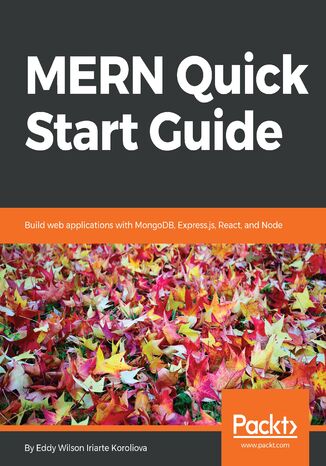
MERN Quick Start Guide. Build web applications with MongoDB, Express.js, React, and Node
Eddy Wilson Iriarte Koroliova
The MERN stack is a collection of great tools—MongoDB, Express.js, React, and Node—that provide a strong base for a developer to build easily maintainable web applications. With each of them a JavaScript or JavaScript-based technology, having a shared programming language means it takes less time to develop web applications. This book focuses on providing key tasks that can help you get started, learn, understand, and build full-stack web applications. It walks you through the process of installing all the requirements and project setup to build client-side React web applications, managing synchronous and asynchronous data flows with Redux, and building real-time web applications with Socket.IO, RESTful APIs, and other concepts. This book gives you practical and clear hands-on experience so you can begin building a full-stack MERN web application.Quick Start Guides are focused, shorter titles that provide a faster paced introduction to a technology. They are for people who don't need all the detail at this point in their learning curve. The presentation has been streamlined to concentrate on the things you really need to know.
Isaac Strack
This book is meant for developers of all experience levels looking to create mobile and full-stack web applications in JavaScript. Many of the simple recipes can easily be followed by less-experienced developers, while some of the advanced recipes will require extensive knowledge of existing web, mobile, and server technologies. Any application or enterprise web developer looking to create full-stack JavaScript-based apps will benefit from the recipes and concepts covered in this book.
Marcelo Reyna
With the increasing interest in NodeJS web applications, a new framework, Meteor, has joined the ranks to simplify developer workflows. Meteor is one of the few open source frameworks that has received funding since its early development stages. It builds on ideas from existing frameworks and libraries, offering developers an easy way to develop a prototype app. At the same time, it gives them the tools and flexibility to build a fully fledged production app. Meteor is the weapon of choice for start-ups in today’s world.Meteor Design Patterns cuts through the jargon that most websites play with and gets to the point with simple solutions that will boost your development skills.We start off with a refresher on the basics of JavaScript programming such as templates, CoffeeScript, the Event Loop, and the Merge Box, amongst others. You then learn how to map real-world data and optimize the data’s publishers to output data with the least amount of work done by the server with some subscribe and publish patterns. Next, using front-end patterns, you will learn how to create maintainable and trackable forms, and make our site crawlable by any search engine. Following this, you will see how to optimize and secure the web application and maintain applications without breaking other features. Finally, you will learn how to deploy a secure production-ready application while learning to set up modulus, compose with Oplog tracking and SSL certificates, as well as error tracking with Kadira.Throughout the book, you will put your skills to practice and build an online shop from scratch. By the end of the book, you will have built a feature-rich online shop.
Microsoft HoloLens By Example. Create immersive Augmented Reality experiences
Joshua Newnham
Are you a developer who is fascinated with Microsoft HoloLens and its capabilities? Do you want to learn the intricacies of working with the HoloLens SDK and create your own apps? If so, this is the book for you.This book introduces and demystifies the HoloLens platform and introduces new ways you can interact with computers (Mixed Reality). It will teach you the important concepts, get you excited about the possibilities, and give you the tools to continue exploring and experimenting. You will go through the journey of creating four independent examples throughout the book, two using DirectX and two using Unity. You will learn to implement spatial mapping and gesture control, incorporate spatial sound, and work with different types of input and gaze. You will also learn to use the Unity 5 SDK for HoloLens and create apps with it. Collectively, the apps explore the major concepts of HoloLens, but each app is independent, giving you the flexibility to choose where to start (and end).