
Edukacja
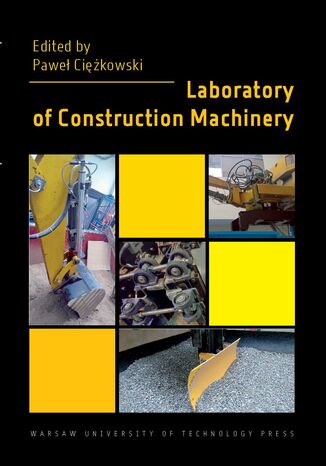
Laboratory of Construction Machinery
Paweł Ciężkowski
In this script, the laboratory exercises presented are divided into two groups. In the fi rst group, the authors describe the stands and test methods to determine the basic strength parameters of soils and rocks. The stands discussed allow students to become familiar with model processes of interaction of construction machinery tools with geomaterials and road surface materials (asphalt, concrete). The model investigations are concerned with elementary rock fragmentation processes and the interaction of crushing tools in the milling process of road surfaces. Exercises on machine-based crushing processes will be presented. Within this group of exercises, students will become familiar with the construction and operation of various types of crushers (cone, impact, jaw). The exercises will include studies of: a) the influence of the type of crusher on the shape and grain size of the product obtained, b) the influence of the outlet gap setting on the forces, energy consump-tion and effi ciency of the crushing process, c) the infl uence of the shape of jaw crusher crushing plates on the parameters of the crushing process. The second group of exercises deals with construction and transport machinery, their construction and operation. The exercises are aimed with the problems of interaction of tools with the soil. On the laboratory stand "soil channel", exercises will be presented to study the interaction of model tools of earth-moving construction machinery such as: loader bucket blade, excavator, scraper basket. The exercises will include the determination of cutting forces and work and the determina-tion of deformation mechanisms. The soil channel described in the paper allows students to fami-liarise themselves with the interaction of the driving system with the ground. The exercises will include determining the characteristics of the interaction of the crawler with the ground, investiga-ting changes in the tractive force of the machine as a function of slippage and the weight of the machine. Within the laboratory, exercises will be performed on a unique stand of a single-head hydraulic backhoe excavator, whose control and data acquisition system is fully automated. By performing the exercise on the single-head excavator, students will study selected methods for calculating cutting forces, the eff ect of excavator bucket shape and digging trajectory on cutting forces. The next stand is a rotating mechanism, where students can familiarise themselves with the properties of hydraulic drive systems using a hydraulic piston motor as an example, and the influence of the gain of individual controller components on system properties and speed control error. The script also includes a stand to learn about a typical PLC structure and the programme structure and programming method. Information on the theory of vibratory conveyor of granular materials is also presented in this study.
LaTeX dla niecierpliwych. Część pierwsza. Wydanie drugie poprawione i uzupełnione
Zofia Walczak
Książka będzie przydatna dla studentów kierunków ścisłych przygotowujących swoje prace licencjackie lub magisterskie, a także pracowników naukowych stających przed koniecznością dostarczenia złożonego w LATEX-u artykułu do czasopisma naukowego. LATEX jest językiem niskiego poziomu, posiada ok. 300 pierwotnych sekwencji sterują-cych, które nie są rozkładalne na prostsze funkcje. Rozumie ok. 900 sekwencji sterują-cych zbudowanych z sekwencji pierwotnych. Są one częścią wbudowanego słownika i możliwe jest budowanie z nich makr i wygodnego interfejsu użytkownika. Obecnie używany, standardowy format LATEX-a powstał w 1994 r.
Leading and developing virtual teams. Practical lessons learned from university students
Joanna Samul, Monica Zaharie, Andrzej Pawluczuk, Anamaria...
This book features the competences and skills that the university students as future leaders should acquire in order to work in virtual teams. Virtual teams have become the basic unit for many organizations. Combined work using different technology, places, time zones, persons of different cultures requires knowledge and skills to lead this team. Unreflective teaching methods can cause a lower level of efficiency and effectiveness. The gap knowledge about todays students’ skills of virtual work may be interesting for university lecturers to improve the quality of university leadership programs, and also for HR practitioners to develop managerial competences. This book focuses on leading and developing virtual teams in the process of shaping their competence for the new (prospects) organizational requirements. The effective strategies and clever techniques to improve leadership and management skills are needed in the virtual environment. The premise of this book is to pay attention how to lead and develop virtual teams by providing more directed tips to improve the quality of a university program and thereby develop effective leaders within their organization. The better the leadership, the better the virtual teams.
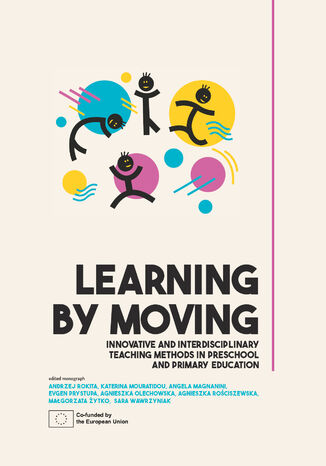
Andrzej Rokita, Katerina Mouratidou, Angela Magnanini, Evgen...
Children learn best when their minds and bodies are actively engaged. This book discusses education as a movement-based process that nurtures curiosity, develops cooperation and brings joy to learning. It also supports children with concentration problems and children with special educational needs. Movement can become a natural and meaningful part of classroom learning. The book presents seven innovative methods developed as part of the Learning by Moving programme. Each chapter combines theoretical reflection with practical application, offering teachers insights, examples and appropriate tools for combining movement with learning. Dzieci najlepiej uczą się, gdy ich umysły i ciała są aktywnie zaangażowane. Niniejsza książka przedstawia edukację jako proces oparty na ruchu, który pielęgnuje ciekawość, rozwija współpracę i daje radość z nauki. Wspomaga także dzieci z problemami koncentracji oraz dzieci ze specjalnymi potrzebami edukacyjnymi. Ruch może stać się naturalną i znaczącą częścią nauki w klasie. Książka zawiera siedem innowacyjnych metod opracowanych w ramach programu Learning by Moving. Każdy rozdział łączy refleksję teoretyczną z praktycznym zastosowaniem, oferując nauczycielom spostrzeżenia, przykłady i odpowiednie narzędzia pozwalające połączyć ruch z nauką.
Learning Translation - Learning the Impossible? A course of translation from English into Polish
Maria Piotrowska
Learning translation - Learning the Impossible? can be recommended as a textbook on translation, which may be used by teachers who can get their students practically involved in some activities in the classroom (suggested for group work or general discussion). It may also be used by students, referring in a narrow sense to persons formally engaged in the educational process within the framework of a university; or in a broader sense - to persons who are enthusiastic about the subject and help them understand some phenomena and perhaps give more insight into some issues they are not thoroughly familiar with.
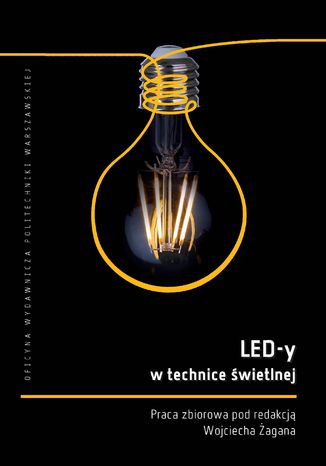
Wojciech Żagan
Na przełomie ostatnich kilkunastu lat, a w zasadzie na przełomie XX i XXI wieku, dokonała się w technice świetlnej rewolucja w zakresie źródeł światła. Pojawiły się diody elektroluminescencyjne (LED-y), choć wcześniej już znane, jednak musiały odbyć "kwarantannę" rozwojową, aby osiągnąć pełną dojrzałość aplikacyjną w szeroko rozumianym oświetleniu elektrycznym. Nie bez wpływu na wkraczanie LED-ów w obszar techniki świetlnej były też działania prawne, które w sposób administracyjny spowodowały praktycznie zakończenie ery żarowych źródeł światła. Obecnie mamy tak ukształtowaną świadomość społeczeństw, głównie w Europie, że nie tylko energooszczędność, ale także racjonalność, nowoczesność w oświetleniu elektrycznym musi się kojarzyć z wykorzystywaniem LED-ów. Obserwując rozchwianie informacyjne na temat diod elektroluminescencyjnych, autorzy niniejszej monografii, na podstawie wieloletniej obserwacji i badań naukowych postanowili stworzyć dzieło, które rzetelnie i rozważnie przedstawi szerokie spojrzenie na diody elektroluminescencyjne, na ich możliwości wykorzystania w szeroko rozumianej technice świetlnej. W pracy przedstawiono LED-y z perspektywy ich wytwarzania, cech fotometrycznych, kolorymetrycznych i użytkowych a także zaprezentowano spojrzenie aplikacyjne na te źródła w różnych typowych obszarach wykorzystywania elektrycznych źródeł światła. Podano dość wnikliwe spojrzenie na problem zasilania i sterowania światłem przez te źródła a także na kwestię powiązania właściwości użytkowych oraz cech foto- i kolorymetrycznych z termicznymi warunkami pracy. Mając świadomość szybkiego rozwoju technologicznego elektroluminescencyjnych źródeł światła, autorzy pracy potraktowali przekazywany materiał w formie otwartej, zakładając możliwość dalszych udoskonaleń, odkrycia nowych możliwości itp.
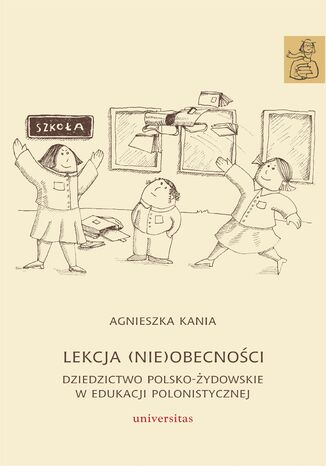
Lekcja (nie)obecności. Dziedzictwo polsko-żydowskie w edukacji polonistycznej
Agnieszka Kania
Jak uczyć patriotyzmu, który jest „oparty na odpowiedzialności za wspólnotę, niewykluczający nikogo, krytyczny wobec historii i zachowujący szacunek dla dziedzictwa przodków” (Jerzy Nikitorowicz)? Gdzie we współczesnej edukacji polonistycznej znaleźć miejsce dla dziedzictwa polsko-żydowskiego jako znaczącego elementu polskości? Czy w trudnej sytuacji społeczno-politycznej Europy i świata w XXI wieku odrabiamy lekcję daną nam przez historię w wieku XX? Niniejsza książka to swoista kontynuacja rozpoznań poczynionych przez autorkę w poprzedniej rozprawie, odnosząca się do kulturowej teorii narodu jako bardziej inkluzyjnej niż teoria etniczna. Doświadczenia Agnieszki Kani z realizacji projektów edukacyjnych (także międzynarodowych) i twórcze podejście do osiągnięć dydaktyki zagranicznej (głównie amerykańskiej) zaowocowały szczególnie obficie w tych fragmentach książki, które wprowadzają praktyczną wizję edukacji na wskroś humanistycznej, budującej wizerunek człowieka zdolnego wznieść się ponad identyfikację narodową. Fundamentem takiej edukacji Autorka czyni – dostępne wszak uczniom i afirmowane przez nich – przeświadczenie o naturalnej, przyrodzonej nam wszystkim różnorodności, odmienności ludzi. Kluczowe dla tej filozofii edukacji jest rozpoznanie, że kategoria „inności” dotyczy w pierwszym rzędzie nas samych, a jej świadomość pozwala na otwarcie się na drugiego człowieka i pozbycie się lęku. Witold Bobiński