
Bezpieczeństwo systemów
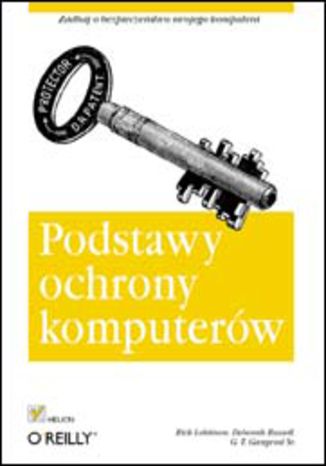
Rick Lehtinen, Deborah Russell, G T Gangemi
Zadbaj o bezpieczeństwo swojego komputera Poznaj zagrożenia, na jakie narażony jest komputer Naucz się kontrolować dostęp do komputera Stosuj techniki zapewniające bezpieczeństwo w sieci Czy mój komputer na pewno jest bezpieczny? Wiele osób zadaje sobie to pytanie dopiero w momencie, kiedy system zaczyna zachowywać się w podejrzany sposób. Okazuje się wówczas, że skaner wykrywa dziesiątki, a nawet setki wirusów, programy zaczynają działać nieprawidłowo, a z dysku giną ważne dane. Pół biedy, jeśli jest to tylko domowy komputer z prywatnymi plikami. Dużo gorsze skutki może mieć włamanie do firmowej bazy danych lub przechwycenie poufnej komunikacji. Książka "Podstawy ochrony komputerów" to wszechstronne wprowadzenie do najważniejszych zagadnień dotyczących bezpieczeństwa danych i sprzętu. Czytając ją, poznasz zagrożenia, jakie czyhają na użytkowników komputerów, ale także skuteczne techniki ochrony. Nauczysz się kontrolować dostęp do danych, prowadzić efektywną politykę zabezpieczeń, wykrywać i usuwać wirusy oraz zapobiegać przenikaniu ich do systemu. Dowiesz się, jak zapewnić bezpieczeństwo komputera w sieci oraz jak używać szyfrowania do przesyłania poufnych informacji. Przeczytasz też o najnowszych technikach zabezpieczenia bazującego na danych biometrycznych (wzorze siatkówki czy odciskach palców) oraz ochronie sieci bezprzewodowych. Niebezpieczeństwa grożące użytkownikom komputerów Kontrolowanie dostępu do komputera Walka z wirusami Prowadzenie skutecznej polityki zabezpieczeń Bezpieczne korzystanie z sieci Szyfrowanie poufnych danych Komunikacja bez ryzyka Zabezpieczenia biometryczne Tworzenie bezpiecznych sieci bezprzewodowych Stosuj skuteczne zabezpieczenia i zapewnij maksymalne bezpieczeństwo swojemu komputerowi!
PowerShell Automation and Scripting for Cybersecurity. Hacking and defense for red and blue teamers
Miriam C. Wiesner, Tanya Janca
Take your cybersecurity skills to the next level with this comprehensive PowerShell security guide! Whether you're on the red or blue team, you'll gain a deep understanding of PowerShell's security capabilities and how to apply them.With years of hands-on experience, the author brings real-world use cases to demonstrate PowerShell’s critical role in offensive and defensive security.After covering PowerShell basics and scripting fundamentals, you'll explore PowerShell Remoting and remote management technologies. You'll learn to configure and analyze Windows event logs, identifying crucial logs and IDs for effective monitoring. The book delves into PowerShell's interaction with system components, Active Directory, and Azure AD, including stealth execution methods. You’ll uncover authentication protocols, enumeration, credential theft, and exploitation, providing strategies to mitigate these risks. A dedicated red and blue team cookbook offers practical security tasks. Finally, you'll delve into mitigations such as Just Enough Administration, AMSI, application control, and code signing, emphasizing configuration, risks, exploitation, bypasses, and best practices.By the end of this book, you’ll confidently apply PowerShell for cybersecurity, from detection to defense, staying ahead of cyber threats.
Diana Kelley, Ed Moyle
Cybersecurity architecture is the discipline of systematically ensuring that an organization is resilient against cybersecurity threats. Cybersecurity architects work in tandem with stakeholders to create a vision for security in the organization and create designs that are implementable, goal-based, and aligned with the organization’s governance strategy.Within this book, you'll learn the fundamentals of cybersecurity architecture as a practical discipline. These fundamentals are evergreen approaches that, once mastered, can be applied and adapted to new and emerging technologies like artificial intelligence and machine learning. You’ll learn how to address and mitigate risks, design secure solutions in a purposeful and repeatable way, communicate with others about security designs, and bring designs to fruition. This new edition outlines strategies to help you work with execution teams to make your vision a reality, along with ways of keeping designs relevant over time. As you progress, you'll also learn about well-known frameworks for building robust designs and strategies that you can adopt to create your own designs.By the end of this book, you’ll have the foundational skills required to build infrastructure, cloud, AI, and application solutions for today and well into the future with robust security components for your organization.
Jean-Georges Valle
Practical Hardware Pentesting, Second Edition, is an example-driven guide that will help you plan attacks, hack your embedded devices, and secure the hardware infrastructure.Throughout the book, you’ll explore the functional and security aspects of a device and learn how a system senses and communicates with the outside world. You’ll set up a lab from scratch and gradually work towards an advanced hardware lab.The first part of this book will get you attacking the software of an embedded device. This will get you thinking from an attacker point of view; you’ll understand how devices are attacked, compromised, and how you can harden a device against the most common hardware attack vectors. As you progress, you’ll get to grips with the global architecture of an embedded system and sniff on-board traffic, learn how to identify and formalize threats to the embedded system, and understand its relationship with its ecosystem. This 2nd Edition covers real-world examples featuring various devices like smart TVs, baby monitors, or pacemakers, you’ll discover how to analyze hardware and locate its possible vulnerabilities before going on to explore firmware dumping, analysis, and exploitation.By the end of this book, you’ll and understand how to implement best practices to secure your hardware.
Practical Memory Forensics. Jumpstart effective forensic analysis of volatile memory
Svetlana Ostrovskaya, Oleg Skulkin
Memory Forensics is a powerful analysis technique that can be used in different areas, from incident response to malware analysis. With memory forensics, you can not only gain key insights into the user's context but also look for unique traces of malware, in some cases, to piece together the puzzle of a sophisticated targeted attack.Starting with an introduction to memory forensics, this book will gradually take you through more modern concepts of hunting and investigating advanced malware using free tools and memory analysis frameworks. This book takes a practical approach and uses memory images from real incidents to help you gain a better understanding of the subject and develop the skills required to investigate and respond to malware-related incidents and complex targeted attacks. You'll cover Windows, Linux, and macOS internals and explore techniques and tools to detect, investigate, and hunt threats using memory forensics. Equipped with this knowledge, you'll be able to create and analyze memory dumps on your own, examine user activity, detect traces of fileless and memory-based malware, and reconstruct the actions taken by threat actors.By the end of this book, you'll be well-versed in memory forensics and have gained hands-on experience of using various tools associated with it.
Rohit Tamma, Oleg Skulkin, Heather Mahalik, Satish...
Covering up-to-date mobile platforms, this book will focuses on teaching you the most recent techniques for investigating mobile devices. We delve mobile forensics techniques in iOS 9-11, Android 7-8 devices, and Windows 10. We will demonstrate the latest open source and commercial mobile forensics tools, enabling you to analyze and retrieve data effectively. You will learn how to introspect and retrieve data from the cloud, and document and prepare reports of your investigations. By the end of this book, you will have mastered the current operating systems and the relevant techniques to recover data from mobile devices by leveraging open source solutions.
Rohit Tamma
Mobile forensics has evolved significantly with the rise of secure hardware, encrypted ecosystems, and cloud-first architectures. Practical Mobile Forensics, Fifth Edition explores the science of acquiring and analyzing data from mobile devices in a forensically sound manner, while addressing the challenges posed by modern operating systems and security controls.This edition focuses on practical, real-world techniques for investigating mobile devices across contemporary platforms, including the latest versions of iOS and Android. The book covers both open-source and commercial forensic tools, guiding you through structured workflows for acquisition, analysis, and reporting. As mobile ecosystems become more restrictive, the book also examines platform-level limitations, encryption models, and practical approaches to navigate these constraints. Advanced sections introduce application analysis, reverse engineering concepts, and techniques for identifying malicious or suspicious behavior within mobile environments.By the end of this book, you will have a strong, hands-on understanding of modern mobile forensics—enabling you to extract, analyze, and interpret data from mobile devices and associated ecosystems using reliable and defensible methods.
Ajay Singh Chauhan
Network scanning is the process of assessing a network to identify an active host network; same methods can be used by an attacker or network administrator for security assessment. This procedure plays a vital role in risk assessment programs or while preparing a security plan for your organization.Practical Network Scanning starts with the concept of network scanning and how organizations can benefit from it. Then, going forward, we delve into the different scanning steps, such as service detection, firewall detection, TCP/IP port detection, and OS detection. We also implement these concepts using a few of the most prominent tools on the market, such as Nessus and Nmap. In the concluding chapters, we prepare a complete vulnerability assessment plan for your organization. By the end of this book, you will have hands-on experience in performing network scanning using different tools and in choosing the best tools for your system.
Practical OneOps. Implement DevOps with ease
Nilesh Nimkar
Walmart’s OneOps is an open source DevOps platform that is used for cloud and application lifecycle management. It can manage critical and complex application workload on any multi cloud-based infrastructure and revolutionizes the way administrators, developers, and engineers develop and launch new products.This practical book focuses on real-life cases and hands-on scenarios to develop, launch, and test your applications faster, so you can implement the DevOps process using OneOps.You will be exposed to the fundamental aspects of OneOps starting with installing, deploying, and configuring OneOps in a test environment, which will also come in handy later for development and debugging. You will also learn about design and architecture, and work through steps to perform enterprise level deployment. You will understand the initial setup of OneOps such as creating organization, teams, and access management. Finally, you will be taught how to configure, repair, scale, and extend applications across various cloud platforms.
Tony Hsiang-Chih Hsu
Security automation is the automatic handling of software security assessments tasks. This book helps you to build your security automation framework to scan for vulnerabilities without human intervention.This book will teach you to adopt security automation techniques to continuously improve your entire software development and security testing. You will learn to use open source tools and techniques to integrate security testing tools directly into your CI/CD framework. With this book, you will see how to implement security inspection at every layer, such as secure code inspection, fuzz testing, Rest API, privacy, infrastructure security, and web UI testing. With the help of practical examples, this book will teach you to implement the combination of automation and Security in DevOps. You will learn about the integration of security testing results for an overall security status for projects.By the end of this book, you will be confident implementing automation security in all layers of your software development stages and will be able to build your own in-house security automation platform throughout your mobile and cloud releases.
Megan Roddie, Jason Deyalsingh, Gary J. Katz
Threat validation is the backbone of every strong security detection strategy—it ensures your detection pipeline is effective, reliable, and resilient against real-world threats.This comprehensive guide is designed for those new to detection validation, offering clear, actionable frameworks to help you assess, test, and refine your security detections with confidence. Covering the entire detection lifecycle, from development to validation, this book provides real-world examples, hands-on tutorials, and practical projects to solidify your skills.Beyond just technical know-how, this book empowers you to build a career in detection engineering, equipping you with the essential expertise to thrive in today’s cybersecurity landscape.By the end of this book, you'll have the tools and knowledge to fortify your organization’s defenses, enhance detection accuracy, and stay ahead of cyber threats.
Valentina Costa-Gazcón
Threat hunting (TH) provides cybersecurity analysts and enterprises with the opportunity to proactively defend themselves by getting ahead of threats before they can cause major damage to their business.This book is not only an introduction for those who don’t know much about the cyber threat intelligence (CTI) and TH world, but also a guide for those with more advanced knowledge of other cybersecurity fields who are looking to implement a TH program from scratch.You will start by exploring what threat intelligence is and how it can be used to detect and prevent cyber threats. As you progress, you’ll learn how to collect data, along with understanding it by developing data models. The book will also show you how to set up an environment for TH using open source tools. Later, you will focus on how to plan a hunt with practical examples, before going on to explore the MITRE ATT&CK framework.By the end of this book, you’ll have the skills you need to be able to carry out effective hunts in your own environment.
Valentina Costa-Gazcón
Practical Threat Intelligence and Data-Driven Threat Hunting, 2nd edition is more than just a book—it's your roadmap to becoming a proficient threat hunter and a valuable asset to your organization's cybersecurity efforts. Whether you're looking to start a career in cyber intelligence or seeking to enhance your existing skills, this book equips you with the knowledge and practical insights needed to proactively detect and thwart cyber threats. With a strong focus on hands-on learning and open-source tools, it's your ultimate guide to staying ahead in the ever-changing world of cybersecurity. You'll start by unraveling the core concepts of cyber threat intelligence, diving into the intricacies of threat intelligence cycles and understanding the nuances of advanced persistent threats. From there, you'll learn how to collect and analyze indicators of compromise, set up a centralized threat hunting environment using open-source tools, and develop hypotheses for hunting campaigns. The book will also guide you through the MITRE ATT&CK Framework, providing practical examples and hands-on experience.Don't wait for threats to knock on your door. Be the hunter, not the hunted. Get your copy of Practical Threat Intelligence and Data-Driven Threat Hunting, 2nd edition and empower yourself to defend against cyber adversaries effectively.
Gus Khawaja
Companies all over the world want to hire professionals dedicated to application security. Practical Web Penetration Testing focuses on this very trend, teaching you how to conduct application security testing using real-life scenarios.To start with, you’ll set up an environment to perform web application penetration testing. You will then explore different penetration testing concepts such as threat modeling, intrusion test, infrastructure security threat, and more, in combination with advanced concepts such as Python scripting for automation. Once you are done learning the basics, you will discover end-to-end implementation of tools such as Metasploit, Burp Suite, and Kali Linux. Many companies deliver projects into production by using either Agile or Waterfall methodology. This book shows you how to assist any company with their SDLC approach and helps you on your journey to becoming an application security specialist.By the end of this book, you will have hands-on knowledge of using different tools for penetration testing.

Dariusz Gołębiowski
📘 Bezpłatny ebook Praktyczne bezpieczeństwo organizacji oparte na podejściu ISO/IEC 27001 Część 1 - Fundamenty Nie potrzebujesz więcej chaosu, procedur i straszenia cyberatakami. Potrzebujesz porządku. Poznaj fundamenty bezpieczeństwa organizacji opartego na ISO 27001 - bezpłatnie. Czy Twoja organizacja jest naprawdę bezpieczna? Większość organizacji inwestuje w programy, komputery, serwery i zabezpieczenia techniczne. Tymczasem wiele najpoważniejszych incydentów bezpieczeństwa zaczyna się od jednego kliknięcia, jednego błędu lub jednego nieprzemyślanego procesu. Ten bezpłatny ebook został przygotowany dla osób, które chcą zrozumieć bezpieczeństwo organizacji bez skomplikowanego języka norm, przepisów i specjalistycznego żargonu. Dowiesz się między innymi: ✅ dlaczego organizacje wpadają w kłopoty, ✅ czym naprawdę jest bezpieczeństwo organizacji, ✅ dlaczego informacja jest jednym z najcenniejszych aktywów, ✅ czym jest ryzyko i dlaczego nie da się go całkowicie wyeliminować, ✅ jaką rolę odgrywają ludzie, procesy i technologia, ✅ czym jest ISO 27001 i dlaczego tysiące organizacji na całym świecie wykorzystują tę normę jako fundament swojego bezpieczeństwa. To nie jest kolejna publikacja pełna paragrafów i niezrozumiałych definicji. To praktyczne wprowadzenie do świata bezpieczeństwa informacji, cyberbezpieczeństwa i Systemów Zarządzania Bezpieczeństwem Informacji (SZBI), napisane prostym językiem i oparte na doświadczeniach autora jako Audytora Wiodącego ISO 27001. 🎯 Dla kogo jest ten ebook? - dla właścicielek i właścicieli firm, - dla dyrektorek i dyrektorów szkół, - dla kierowniczek i kierowników jednostek publicznych, - dla specjalistek i specjalistów IT, - dla osób odpowiedzialnych za bezpieczeństwo informacji, - dla wszystkich, którzy chcą zrozumieć ISO 27001 bez czytania setek stron norm. 📚 Ebook jest bezpłatnym fragmentem większej serii: Praktyczne bezpieczeństwo organizacji oparte na ISO 27001 Po jego przeczytaniu możesz sięgnąć po pełną wersję oraz kolejne części poświęcone analizie ryzyka, zabezpieczeniom, dokumentacji SZBI, audytom wewnętrznym, NIS2 i innym zagadnieniom związanym z bezpieczeństwem organizacji. Pobierz, przeczytaj i sprawdź, jak wygląda bezpieczeństwo organizacji po ludzku.

Praktyczne bezpieczeństwo organizacji oparte na podejściu ISO/IEC 27001
Gołębiowski Dariusz
Cyberbezpieczeństwo i bezpieczeństwo informacji nie zaczynają się od zakupu kolejnego programu, urządzenia ani gotowego szablonu dokumentacji. Zaczynają się od zrozumienia organizacji, jej procesów, ludzi, informacji, ryzyk i decyzji, które trzeba podejmować świadomie. Cyberbezpieczeństwo i bezpieczeństwo informacji oparte na podejściu ISO/IEC 27001. "Praktyczne bezpieczeństwo organizacji oparte na podejściu ISO/IEC 27001" to poradnik dla osób, które chcą uporządkować bezpieczeństwo informacji w firmie, urzędzie, szkole, organizacji publicznej lub prywatnej - bez korporacyjnego żargonu, bez udawania, że każda organizacja działa jak wielka korporacja, i bez sprowadzania ISO 27001 wyłącznie do dokumentów. Książka pokazuje, jak myśleć o bezpieczeństwie informacji praktycznie - podręcznik: od identyfikacji zasobów, przez analizę ryzyka, odpowiedzialność kierownictwa, role i procesy, aż po dokumentację, działania organizacyjne, zabezpieczenia techniczne i ciągłe doskonalenie. Poradnik dla audytorów, managerów, dyrekcji i specjalistów IT. To nie jest podręcznik pisany wyłącznie dla audytorów lub specjalistów IT. To przewodnik dla osób, które realnie muszą podjąć decyzję: od czego zacząć, co uporządkować najpierw, za co odpowiada kierownictwo, co powinno być udokumentowane i jak nie zgubić sensu bezpieczeństwa w nadmiarze formalności. W książce Praktyczne bezpieczeństwo organizacji oparte na podejściu ISO/IEC 27001 znajdziesz między innymi: - praktyczne wyjaśnienie, czym jest bezpieczeństwo informacji i dlaczego dotyczy całej organizacji, a nie tylko działu IT, - omówienie podejścia ISO/IEC 27001 jako sposobu porządkowania odpowiedzialności, procesów i ryzyk, - wprowadzenie do SZBI, czyli Systemu Zarządzania Bezpieczeństwem Informacji, - pokazanie różnicy między dokumentacją tworzoną "dla papieru" a dokumentacją, która faktycznie wspiera zarządzanie, - omówienie znaczenia analizy ryzyka, aktywów informacyjnych, odpowiedzialności i priorytetów, - wyjaśnienie, dlaczego kierownictwo organizacji nie może delegować całej odpowiedzialności za bezpieczeństwo wyłącznie na informatyków, - praktyczne spojrzenie na cyberbezpieczeństwo, RODO, KSC, NIS2, AI i wymagania współczesnych organizacji, - wskazówki, jak budować bezpieczeństwo informacji krok po kroku, bez chaosu i bez kopiowania przypadkowych szablonów, - uporządkowanie podstawowych pojęć przydatnych dla właścicieli firm, kadry kierowniczej, pełnomocników SZBI, IOD, informatyków i audytorów wewnętrznych. Autor pokazuje, że skuteczne bezpieczeństwo informacji nie polega na stworzeniu segregatora procedur, którego nikt później nie używa. Polega na zbudowaniu sposobu działania organizacji, w którym informacje są rozpoznane, ryzyka są świadomie oceniane, odpowiedzialności są jasne, a decyzje można uzasadnić i udokumentować. Podejście ISO/IEC 27001 pomaga uporządkować ten proces, ale nie zastępuje zdrowego rozsądku, znajomości własnej organizacji i odpowiedzialnego zarządzania. Dlatego książka nie obiecuje "magicznego wdrożenia ISO" ani gotowej recepty dla każdego. Zamiast tego pokazuje fundamenty, które można dostosować do realnych warunków: wielkości organizacji, zasobów, kompetencji, ryzyk i obowiązków prawnych. To praktyczny przewodnik dla osób, które odpowiadają za bezpieczeństwo informacji, cyberbezpieczeństwo, zgodność, ryzyko, RODO, SZBI lub przygotowanie organizacji do uporządkowanego działania opartego na podejściu ISO/IEC 27001. Książka jest szczególnie przydatna dla właścicieli firm, kadry zarządzającej, pełnomocników SZBI, osób odpowiedzialnych za IT, inspektorów ochrony danych, audytorów wewnętrznych, kierowników jednostek publicznych, szkół, urzędów i organizacji, które chcą przejść od intuicyjnego reagowania na problemy do świadomego zarządzania bezpieczeństwem informacji. Jeżeli w Twojej organizacji pojawiają się pytania: Czy naprawdę wiemy, jakie informacje chronimy? Kto odpowiada za bezpieczeństwo informacji? Czy nasze procedury są używane, czy tylko istnieją? Czy potrafimy wykazać, że zarządzamy ryzykiem? Czy cyberbezpieczeństwo jest elementem zarządzania, czy tylko zadaniem informatyka? Jak przygotować organizację do wymagań ISO/IEC 27001, KSC, NIS2, RODO i rosnącej roli sztucznej inteligencji? - ta książka pomoże uporządkować odpowiedzi. "Praktyczne bezpieczeństwo organizacji oparte na podejściu ISO/IEC 27001" to pierwsza część praktycznej serii poświęconej bezpieczeństwu informacji, SZBI, analizie ryzyka, cyberbezpieczeństwu, dokumentacji, audytowi i budowaniu odporności organizacyjnej. Bez straszenia. Bez pustych sloganów. Bez korporacyjnej nowomowy. Praktycznie, odpowiedzialnie i poswojsku.
Prawdziwa głębia OSINT. Odkryj wartość danych Open Source Intelligence
Rae L. Baker
OSINT (ang. open source intelligence) polega na pozyskiwaniu danych wywiadowczych z ogólnodostępnych źródeł. Jest to zestaw praktycznych umiejętności, które przydadzą się nie tylko analitykom - metody białego wywiadu okazują się pomocne na wielu ścieżkach kariery, a także w życiu codziennym. Łatwo się przekonasz, że OSINT pozwala uzyskać niezwykle cenne informacje, a przy tym jest satysfakcjonującym i ciekawym zajęciem! Dzięki tej książce nauczysz się gromadzić publicznie dostępne informacje, korzystać z wiedzy o cyklu życia wrażliwych danych i przekształcać je w informacje wywiadowcze przydatne dla zespołów zajmujących się bezpieczeństwem. Opanujesz proces gromadzenia i analizy danych, poznasz również strategie, które należy wdrożyć podczas poszukiwania informacji z publicznie dostępnych źródeł. Ugruntujesz wiedzę na temat bezpieczeństwa operacyjnego i uświadomisz sobie, w jaki sposób niektórzy używają publicznie dostępnych danych do nielegalnych celów. Książkę tę szczególnie docenią inżynierowie społeczni i specjaliści do spraw bezpieczeństwa, a także kadra kierownicza. Najciekawsze zagadnienia: strategie stosowania urządzeń IoT do gromadzenia danych wywiadowczych pozyskiwanie danych przy użyciu publicznie dostępnych informacji transportowych techniki poprawy bezpieczeństwa operacyjnego zagrożenia związane z ogólnodostępnymi danymi metody gromadzenia danych wywiadowczych stosowane przez najlepsze zespoły do spraw bezpieczeństwa Dostrzegaj to, co pozostaje niewidoczne dla innych!

Prywatność danych w praktyce. Skuteczna ochrona prywatności i bezpieczeństwa danych
Katharine Jarmul
Chyba nikogo nie trzeba przekonywać, że ochrona danych i zabezpieczenie prywatności są kwestiami absolutnie kluczowymi w cyfrowym świecie. Na szczęście zdajemy sobie coraz lepiej sprawę, że incydenty naruszeń w dziedzinie bezpieczeństwa danych mogą nas narazić na realne szkody. Z drugiej strony niedopełnienie obowiązków wynikających z RODO okazuje się dla organizacji niezwykle kosztowne, a także naraża na szwank ich wizerunek. Zapewnienie należytej ochrony danych to wymagające wyzwanie. Z tego względu inżynieria prywatności z roku na rok staje się coraz ważniejszą dziedziną. Książka w przystępny sposób przedstawia głęboką perspektywę techniczną wraz z przeglądem najnowszych podejść i architektur technologicznych. Emily F. Gorcenski, główna analityczka danych, Thoughtworks Tę książkę docenią osoby, które w ramach codziennej pracy integrują tematy związane z prywatnością i bezpieczeństwem danych. To przewodnik dla pragmatyków, zapewniający gruntowną wiedzę o współczesnych elementach ochrony danych, takich jak prywatność różnicowa, uczenie federacyjne i obliczenia szyfrowane. Znajdziesz tu przydatne wskazówki, jak również najlepsze, wielokrotnie sprawdzone praktyki integracji przełomowych technologii, pozwalające skutecznie i na wysokim poziomie dbać o prywatność i bezpieczeństwo danych. Najważniejsze zagadnienia: Jak przepisy (RODO i CCPA) mają się do przepływów danych i przypadków ich użycia? Jak właściwie anonimizować dane? Czy szyfrowanie homomorficzne jest właściwym rozwiązaniem? Jak wybierać technologie i metody ochrony prywatności? Jak zapewnić bezpieczeństwo danych w projektach opartych na ich analizie? Jak odpowiednio wdrożyć wewnętrzne zasady ochrony prywatności danych? Wreszcie znalazłem książkę, którą mogę polecać wszystkim unikającym tematu prywatności danych! Vincent Warmerdam, twórca Calm Code, inżynier uczenia maszynowego, Explosion

Przetwarzanie danych w dużej skali. Niezawodność, skalowalność i łatwość konserwacji systemów
Martin Kleppmann
Przetwarzanie i bezpieczne przechowywanie danych absorbuje uwagę inżynierów oprogramowania w coraz większym stopniu. W ostatnich latach pojawiło się wiele bardzo różnych rozwiązań w dziedzinie baz danych, systemów rozproszonych i metodyce budowania aplikacji. Sprzyjają temu zarówno rozwój technologii, rosnące potrzeby dotyczące dostępu do danych, jak i malejąca tolerancja na przestoje spowodowane awarią czy konserwacją systemu. To wszystko sprawia, że zespoły projektujące aplikacje muszą cały czas aktualizować swoją wiedzę i znakomicie orientować się w zakresie słabych i silnych stron poszczególnych rozwiązań oraz możliwości ich stosowania. I właśnie ta książka Ci to ułatwi. Dzięki niej zaczniesz orientować się w świecie szybko zmieniających się technologii przetwarzania i przechowywania danych. Znajdziesz tu przykłady skutecznych systemów spełniających wymogi skalowalności, wydajności i niezawodności. Zapoznasz się z wewnętrznymi mechanizmami tych systemów, analizami najważniejszych algorytmów, omówieniem zasad działania i koniecznymi kompromisami. Przy okazji przyswoisz sobie przydatne sposoby myślenia o systemach danych. W ten sposób rozwiniesz dobre intuicyjne zrozumienie tego, jak i dlaczego działają systemy, co pozwoli Ci analizować ich pracę, podejmować trafne decyzje projektowe i wyszukiwać źródła pojawiających się problemów. W tej książce między innymi: co to właściwie znaczy: niezawodność, skalowalność i łatwość konserwacji różne modele danych i obsługa zapytań replikacja, dzielenie danych, transakcje dane pochodne i ich przetwarzanie przetwarzanie strumieniowe Poznaj systemy, w których liczą się dane!
David Routin, Simon Thoores, Samuel Rossier
With small to large companies focusing on hardening their security systems, the term purple team has gained a lot of traction over the last couple of years. Purple teams represent a group of individuals responsible for securing an organization’s environment using both red team and blue team testing and integration – if you’re ready to join or advance their ranks, then this book is for you. Purple Team Strategies will get you up and running with the exact strategies and techniques used by purple teamers to implement and then maintain a robust environment. You’ll start with planning and prioritizing adversary emulation, and explore concepts around building a purple team infrastructure as well as simulating and defending against the most trendy ATT&CK tactics. You’ll also dive into performing assessments and continuous testing with breach and attack simulations. Once you’ve covered the fundamentals, you'll also learn tips and tricks to improve the overall maturity of your purple teaming capabilities along with measuring success with KPIs and reporting.With the help of real-world use cases and examples, by the end of this book, you'll be able to integrate the best of both sides: red team tactics and blue team security measures.
Python Digital Forensics Cookbook. Effective Python recipes for digital investigations
Chapin Bryce, Preston Miller
Technology plays an increasingly large role in our daily lives and shows no sign of stopping. Now, more than ever, it is paramount that an investigator develops programming expertise to deal with increasingly large datasets. By leveraging the Python recipes explored throughout this book, we make the complex simple, quickly extracting relevant information from large datasets. You will explore, develop, and deploy Python code and libraries to provide meaningful results that can be immediately applied to your investigations. Throughout the Python Digital Forensics Cookbook, recipes include topics such as working with forensic evidence containers, parsing mobile and desktop operating system artifacts, extracting embedded metadatafrom documents and executables, and identifying indicators of compromise. Youwill also learn to integrate scripts with Application Program Interfaces (APIs) suchas VirusTotal and PassiveTotal, and tools such as Axiom, Cellebrite, and EnCase. By the end of the book, you will have a sound understanding of Python and how you can use it to process artifacts in your investigations.
Hussam Khrais
Python is an easy-to-learn and cross-platform programming language that has unlimited third-party libraries. Plenty of open source hacking tools are written in Python, which can be easily integrated within your script.This book is packed with step-by-step instructions and working examples to make you a skilled penetration tester. It is divided into clear bite-sized chunks, so you can learn at your own pace and focus on the areas of most interest to you. This book will teach you how to code a reverse shell and build an anonymous shell. You will also learn how to hack passwords and perform a privilege escalation on Windows with practical examples. You will set up your own virtual hacking environment in VirtualBox, which will help you run multiple operating systems for your testing environment.By the end of this book, you will have learned how to code your own scripts and mastered ethical hacking from scratch.
José Manuel Ortega
Python’s latest updates add numerous libraries that can be used to perform critical security-related missions, including detecting vulnerabilities in web applications, taking care of attacks, and helping to build secure and robust networks that are resilient to them. This fully updated third edition will show you how to make the most of them and improve your security posture.The first part of this book will walk you through Python scripts and libraries that you’ll use throughout the book. Next, you’ll dive deep into the core networking tasks where you will learn how to check a network’s vulnerability using Python security scripting and understand how to check for vulnerabilities in your network – including tasks related to packet sniffing. You’ll also learn how to achieve endpoint protection by leveraging Python packages along with writing forensics scripts.The next part of the book will show you a variety of modern techniques, libraries, and frameworks from the Python ecosystem that will help you extract data from servers and analyze the security in web applications. You’ll take your first steps in extracting data from a domain using OSINT tools and using Python tools to perform forensics tasks.By the end of this book, you will be able to make the most of Python to test the security of your network and applications.
Rejah Rehim
Penetration testing is the use of tools and code to attack a system in order to assess its vulnerabilities to external threats. Python allows pen testers to create their own tools. Since Python is a highly valued pen-testing language, there are many native libraries and Python bindings available specifically for pen-testing tasks.Python Penetration Testing Cookbook begins by teaching you how to extract information from web pages. You will learn how to build an intrusion detection system using network sniffing techniques. Next, you will find out how to scan your networks to ensure performance and quality, and how to carry out wireless pen testing on your network to avoid cyber attacks. After that, we’ll discuss the different kinds of network attack. Next, you’ll get to grips with designing your own torrent detection program. We’ll take you through common vulnerability scenarios and then cover buffer overflow exploitation so you can detect insecure coding. Finally, you’ll master PE code injection methods to safeguard your network.