
Bezpieczeństwo systemów
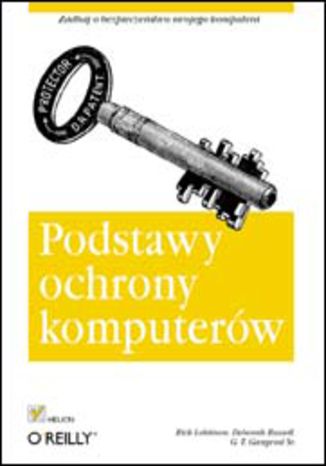
Rick Lehtinen, Deborah Russell, G T Gangemi
Zadbaj o bezpieczeństwo swojego komputera Poznaj zagrożenia, na jakie narażony jest komputer Naucz się kontrolować dostęp do komputera Stosuj techniki zapewniające bezpieczeństwo w sieci Czy mój komputer na pewno jest bezpieczny? Wiele osób zadaje sobie to pytanie dopiero w momencie, kiedy system zaczyna zachowywać się w podejrzany sposób. Okazuje się wówczas, że skaner wykrywa dziesiątki, a nawet setki wirusów, programy zaczynają działać nieprawidłowo, a z dysku giną ważne dane. Pół biedy, jeśli jest to tylko domowy komputer z prywatnymi plikami. Dużo gorsze skutki może mieć włamanie do firmowej bazy danych lub przechwycenie poufnej komunikacji. Książka "Podstawy ochrony komputerów" to wszechstronne wprowadzenie do najważniejszych zagadnień dotyczących bezpieczeństwa danych i sprzętu. Czytając ją, poznasz zagrożenia, jakie czyhają na użytkowników komputerów, ale także skuteczne techniki ochrony. Nauczysz się kontrolować dostęp do danych, prowadzić efektywną politykę zabezpieczeń, wykrywać i usuwać wirusy oraz zapobiegać przenikaniu ich do systemu. Dowiesz się, jak zapewnić bezpieczeństwo komputera w sieci oraz jak używać szyfrowania do przesyłania poufnych informacji. Przeczytasz też o najnowszych technikach zabezpieczenia bazującego na danych biometrycznych (wzorze siatkówki czy odciskach palców) oraz ochronie sieci bezprzewodowych. Niebezpieczeństwa grożące użytkownikom komputerów Kontrolowanie dostępu do komputera Walka z wirusami Prowadzenie skutecznej polityki zabezpieczeń Bezpieczne korzystanie z sieci Szyfrowanie poufnych danych Komunikacja bez ryzyka Zabezpieczenia biometryczne Tworzenie bezpiecznych sieci bezprzewodowych Stosuj skuteczne zabezpieczenia i zapewnij maksymalne bezpieczeństwo swojemu komputerowi!
PowerShell Automation and Scripting for Cybersecurity. Hacking and defense for red and blue teamers
Miriam C. Wiesner, Tanya Janca
Take your cybersecurity skills to the next level with this comprehensive PowerShell security guide! Whether you're on the red or blue team, you'll gain a deep understanding of PowerShell's security capabilities and how to apply them.With years of hands-on experience, the author brings real-world use cases to demonstrate PowerShell’s critical role in offensive and defensive security.After covering PowerShell basics and scripting fundamentals, you'll explore PowerShell Remoting and remote management technologies. You'll learn to configure and analyze Windows event logs, identifying crucial logs and IDs for effective monitoring. The book delves into PowerShell's interaction with system components, Active Directory, and Azure AD, including stealth execution methods. You’ll uncover authentication protocols, enumeration, credential theft, and exploitation, providing strategies to mitigate these risks. A dedicated red and blue team cookbook offers practical security tasks. Finally, you'll delve into mitigations such as Just Enough Administration, AMSI, application control, and code signing, emphasizing configuration, risks, exploitation, bypasses, and best practices.By the end of this book, you’ll confidently apply PowerShell for cybersecurity, from detection to defense, staying ahead of cyber threats.
Diana Kelley, Ed Moyle
Cybersecurity architecture is the discipline of systematically ensuring that an organization is resilient against cybersecurity threats. Cybersecurity architects work in tandem with stakeholders to create a vision for security in the organization and create designs that are implementable, goal-based, and aligned with the organization’s governance strategy.Within this book, you'll learn the fundamentals of cybersecurity architecture as a practical discipline. These fundamentals are evergreen approaches that, once mastered, can be applied and adapted to new and emerging technologies like artificial intelligence and machine learning. You’ll learn how to address and mitigate risks, design secure solutions in a purposeful and repeatable way, communicate with others about security designs, and bring designs to fruition. This new edition outlines strategies to help you work with execution teams to make your vision a reality, along with ways of keeping designs relevant over time. As you progress, you'll also learn about well-known frameworks for building robust designs and strategies that you can adopt to create your own designs.By the end of this book, you’ll have the foundational skills required to build infrastructure, cloud, AI, and application solutions for today and well into the future with robust security components for your organization.
Jean-Georges Valle
Practical Hardware Pentesting, Second Edition, is an example-driven guide that will help you plan attacks, hack your embedded devices, and secure the hardware infrastructure.Throughout the book, you’ll explore the functional and security aspects of a device and learn how a system senses and communicates with the outside world. You’ll set up a lab from scratch and gradually work towards an advanced hardware lab.The first part of this book will get you attacking the software of an embedded device. This will get you thinking from an attacker point of view; you’ll understand how devices are attacked, compromised, and how you can harden a device against the most common hardware attack vectors. As you progress, you’ll get to grips with the global architecture of an embedded system and sniff on-board traffic, learn how to identify and formalize threats to the embedded system, and understand its relationship with its ecosystem. This 2nd Edition covers real-world examples featuring various devices like smart TVs, baby monitors, or pacemakers, you’ll discover how to analyze hardware and locate its possible vulnerabilities before going on to explore firmware dumping, analysis, and exploitation.By the end of this book, you’ll and understand how to implement best practices to secure your hardware.
Practical Memory Forensics. Jumpstart effective forensic analysis of volatile memory
Svetlana Ostrovskaya, Oleg Skulkin
Memory Forensics is a powerful analysis technique that can be used in different areas, from incident response to malware analysis. With memory forensics, you can not only gain key insights into the user's context but also look for unique traces of malware, in some cases, to piece together the puzzle of a sophisticated targeted attack.Starting with an introduction to memory forensics, this book will gradually take you through more modern concepts of hunting and investigating advanced malware using free tools and memory analysis frameworks. This book takes a practical approach and uses memory images from real incidents to help you gain a better understanding of the subject and develop the skills required to investigate and respond to malware-related incidents and complex targeted attacks. You'll cover Windows, Linux, and macOS internals and explore techniques and tools to detect, investigate, and hunt threats using memory forensics. Equipped with this knowledge, you'll be able to create and analyze memory dumps on your own, examine user activity, detect traces of fileless and memory-based malware, and reconstruct the actions taken by threat actors.By the end of this book, you'll be well-versed in memory forensics and have gained hands-on experience of using various tools associated with it.
Rohit Tamma, Oleg Skulkin, Heather Mahalik, Satish...
Covering up-to-date mobile platforms, this book will focuses on teaching you the most recent techniques for investigating mobile devices. We delve mobile forensics techniques in iOS 9-11, Android 7-8 devices, and Windows 10. We will demonstrate the latest open source and commercial mobile forensics tools, enabling you to analyze and retrieve data effectively. You will learn how to introspect and retrieve data from the cloud, and document and prepare reports of your investigations. By the end of this book, you will have mastered the current operating systems and the relevant techniques to recover data from mobile devices by leveraging open source solutions.
Rohit Tamma
Mobile forensics has evolved significantly with the rise of secure hardware, encrypted ecosystems, and cloud-first architectures. Practical Mobile Forensics, Fifth Edition explores the science of acquiring and analyzing data from mobile devices in a forensically sound manner, while addressing the challenges posed by modern operating systems and security controls.This edition focuses on practical, real-world techniques for investigating mobile devices across contemporary platforms, including the latest versions of iOS and Android. The book covers both open-source and commercial forensic tools, guiding you through structured workflows for acquisition, analysis, and reporting. As mobile ecosystems become more restrictive, the book also examines platform-level limitations, encryption models, and practical approaches to navigate these constraints. Advanced sections introduce application analysis, reverse engineering concepts, and techniques for identifying malicious or suspicious behavior within mobile environments.By the end of this book, you will have a strong, hands-on understanding of modern mobile forensics—enabling you to extract, analyze, and interpret data from mobile devices and associated ecosystems using reliable and defensible methods.
Ajay Singh Chauhan
Network scanning is the process of assessing a network to identify an active host network; same methods can be used by an attacker or network administrator for security assessment. This procedure plays a vital role in risk assessment programs or while preparing a security plan for your organization.Practical Network Scanning starts with the concept of network scanning and how organizations can benefit from it. Then, going forward, we delve into the different scanning steps, such as service detection, firewall detection, TCP/IP port detection, and OS detection. We also implement these concepts using a few of the most prominent tools on the market, such as Nessus and Nmap. In the concluding chapters, we prepare a complete vulnerability assessment plan for your organization. By the end of this book, you will have hands-on experience in performing network scanning using different tools and in choosing the best tools for your system.