
Inne - Programowanie
Frank Bruno
Field Programmable Gate Arrays (FPGAs) have now become a core part of most modern electronic and computer systems. However, to implement your ideas in the real world, you need to get your head around the FPGA architecture, its toolset, and critical design considerations. FPGA Programming for Beginners will help you bring your ideas to life by guiding you through the entire process of programming FPGAs and designing hardware circuits using SystemVerilog.The book will introduce you to the FPGA and Xilinx architectures and show you how to work on your first project, which includes toggling an LED. You’ll then cover SystemVerilog RTL designs and their implementations. Next, you’ll get to grips with using the combinational Boolean logic design and work on several projects, such as creating a calculator and updating it using FPGA resources. Later, the book will take you through the advanced concepts of AXI and show you how to create a keyboard using PS/2. Finally, you’ll be able to consolidate all the projects in the book to create a unified output using a Video Graphics Array (VGA) controller that you’ll design.By the end of this SystemVerilog FPGA book, you’ll have learned how to work with FPGA systems and be able to design hardware circuits and boards using SystemVerilog programming.
Functional Kotlin. Extend your OOP skills and implement Functional techniques in Kotlin and Arrow
Mario Arias, Rivu Chakraborty
Functional programming makes your application faster, improves performance, and increases your productivity. Kotlin supports many of the popular and advanced functional features of functional languages. This book will cover the A-Z of functional programming in Kotlin. This book bridges the language gap for Kotlin developers by showing you how to create and consume functional constructs in Kotlin. We also bridge the domain gap by showing how functional constructs can be applied in business scenarios. We’ll take you through lambdas, pattern matching, immutability, and help you develop a deep understanding of the concepts and practices of functional programming. If you want learn to address problems using Recursion, Koltin has support for it as well. You’ll also learn how to use the funKtionale library to perform currying and lazy programming and more. Finally, you’ll learn functional design patterns and techniques that will make you a better programmer.By the end of the book, you will be more confident in your functional programming skills and will be able to apply them while programming in Kotlin.
Game Development Patterns and Best Practices. Better games, less hassle
John P. Doran, Matt Casanova
You’ve learned how to program, and you’ve probably created some simple games at some point, but now you want to build larger projects and find out how to resolve your problems. So instead of a coder, you might now want to think like a game developer or software engineer. To organize your code well, you need certain tools to do so, and that’s what this book is all about.You will learn techniques to code quickly and correctly, while ensuring your code is modular and easily understandable.To begin, we will start with the core game programming patterns, but not the usual way. We will take the use case strategy with this book. We will take an AAA standard game and show you the hurdles at multiple stages of development. Similarly, various use cases are used to showcase other patterns such as the adapter pattern, prototype pattern, flyweight pattern, and observer pattern. Lastly, we’ll go over some tips and tricks on how to refactor your code to remove common code smells and make it easier for others to work with you. By the end of the book you will be proficient in using the most popular and frequently used patterns with the best practices.
Stefano Iacovella
This book is ideal for GIS experts, developers, and system administrators who have had a first glance at GeoServer and who are eager to explore all its features in order to configure professional map servers. Basic knowledge of GIS and GeoServer is required.
Bonny P McClain
Geospatial analysis is industry agnostic and a powerful tool for answering location questions. Combined with the power of SQL, developers and analysts worldwide rely on database integration to solve real-world spatial problems. This book introduces skills to help you detect and quantify patterns in datasets through data exploration, visualization, data engineering, and the application of analysis and spatial techniques.You will begin by exploring the fundamentals of geospatial analysis where you’ll learn about the importance of geospatial analysis and how location information enhances data exploration. Walter Tobler’s second law of geography states, “the phenomenon external to a geographic area of interest affects what goes on inside.” This quote will be the framework of the geospatial questions we will explore. You’ll then observe the framework of geospatial analysis using SQL while learning to create spatial databases and SQL queries and functions.By the end of this book, you will have an expanded toolbox of analytic skills such as PostGIS and QGIS to explore data questions and analysis of spatial information.
Sudharsan Ravichandiran
BERT (bidirectional encoder representations from transformer) has revolutionized the world of natural language processing (NLP) with promising results. This book is an introductory guide that will help you get to grips with Google's BERT architecture. With a detailed explanation of the transformer architecture, this book will help you understand how the transformer’s encoder and decoder work.You’ll explore the BERT architecture by learning how the BERT model is pre-trained and how to use pre-trained BERT for downstream tasks by fine-tuning it for NLP tasks such as sentiment analysis and text summarization with the Hugging Face transformers library. As you advance, you’ll learn about different variants of BERT such as ALBERT, RoBERTa, and ELECTRA, and look at SpanBERT, which is used for NLP tasks like question answering. You'll also cover simpler and faster BERT variants based on knowledge distillation such as DistilBERT and TinyBERT. The book takes you through MBERT, XLM, and XLM-R in detail and then introduces you to sentence-BERT, which is used for obtaining sentence representation. Finally, you'll discover domain-specific BERT models such as BioBERT and ClinicalBERT, and discover an interesting variant called VideoBERT.By the end of this BERT book, you’ll be well-versed with using BERT and its variants for performing practical NLP tasks.
Fabrizio Romano, Benjamin Baka, Dusty Phillips
This Learning Path helps you get comfortable with the world of Python. It starts with a thorough and practical introduction to Python. You’ll quickly start writing programs, building websites, and working with data by harnessing Python's renowned data science libraries. With the power of linked lists, binary searches, and sorting algorithms, you'll easily create complex data structures, such as graphs, stacks, and queues. After understanding cooperative inheritance, you'll expertly raise, handle, and manipulate exceptions. You will effortlessly integrate the object-oriented and not-so-object-oriented aspects of Python, and create maintainable applications using higher level design patterns. Once you’ve covered core topics, you’ll understand the joy of unit testing and just how easy it is to create unit tests.By the end of this Learning Path, you will have built components that are easy to understand, debug, and can be used across different applications.This Learning Path includes content from the following Packt products:• Learn Python Programming - Second Edition by Fabrizio Romano• Python Data Structures and Algorithms by Benjamin Baka• Python 3 Object-Oriented Programming by Dusty Phillips
Navule Pavan Kumar Rao
A new language on the block, V comes with a promising set of features such as fast compilation and interoperability with other programming languages. This is the first book on the V programming language, packed with concise information and a walkthrough of all the features you need to know to get started with the language.The book begins by covering the fundamentals to help you learn about the basic features of V and the suite of built-in libraries available within the V ecosystem. You'll become familiar with primitive data types, declaring variables, arrays, and maps. In addition to basic programming, you'll develop a solid understanding of the building blocks of programming, including functions, structs, and modules in the V programming language.As you advance through the chapters, you'll learn how to implement concurrency in V Programming, and finally learn how to write test cases for functions. This book takes you through an end-to-end project that will guide you to build fast and maintainable RESTful microservices by leveraging the power of V and its built-in libraries.By the end of this V programming book, you'll be well-versed with the V programming language and be able to start writing your own programs and applications.
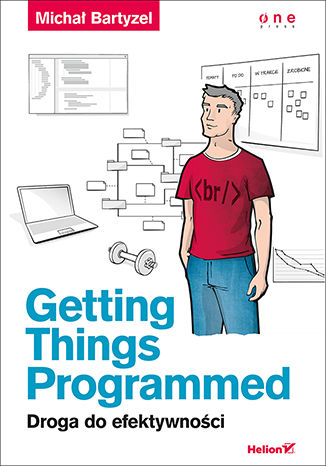
Getting Things Programmed. Droga do efektywności
Michał Bartyzel
Na pracę programisty składa się bardzo wiele zadań. Nawet jeżeli 90% czasu spędzamy na "klepaniu w klawiaturę", to w trakcie tych działań wykonujemy całą gamę najróżniejszych czynności. Sprawne sterowanie swoją uwagą, planowanie zadań czy umiejętność ich oszacowania to wiedza, której brakuje większości programistów. Często nie zdajemy sobie nawet sprawy z istnienia problemów spowalniających naszą pracę. W niniejszej książce Autor przedstawia bogaty wachlarz wyzwań stojących przed świadomym programistą. Nie poprzestaje na tym: wysuwa propozycje samodoskonalenia. Opisuje sprawdzone recepty pomagające zrozumieć codzienne problemy, rozbija je na czynniki pierwsze i przygotowuje do walki o lepszą organizację czasu. Maciej Aniserowicz, Programista i szkoleniowiec, twórca bloga devstyle.pl oraz podcasta devtalk.pl
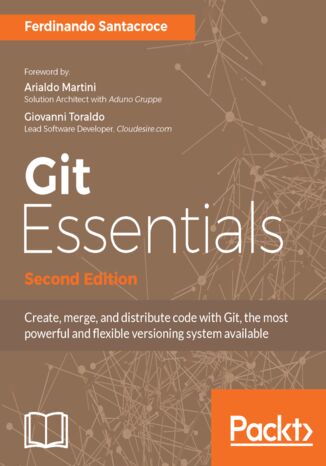
Ferdinando Santacroce
Since its inception, Git has attracted skilled developers due to its robust, powerful, and reliable features. Its incredibly fast branching ability transformed a piece of code from a niche tool for Linux Kernel developers into a mainstream distributed versioning system. Like most powerful tools, Git can be hard to approach since it has a lot of commands, subcommands, and options that easily confuse newcomers.The 2nd edition of this very successful book will help you overcome this fear and become adept in all the basic tasks in Git. Building upon the success of the first book, we start with a brief step-by-step installation guide; after this, you'll delve into the essentials of Git. For those of you who have bought the first edition, this time we go into internals in far greater depth, talking less about theory and using much more practical examples.The book serves as a primer for topics to follow, such as branching and merging, creating and managing a GitHub personal repository, and fork and pull requests. You’ll then learn the art of cherry-picking, taking only the commits you want, followed by Git blame. Finally, we'll see how to interoperate with a Subversion server, covering the concepts and commands needed to convert an SVN repository into a Git repository.To conclude, this is a collection of resources, links, and appendices to satisfy even the most curious.
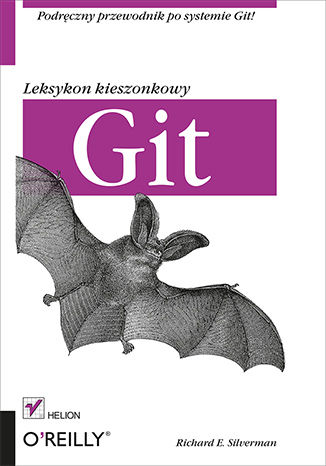
Richard E. Silverman
Podręczny przewodnik po Git! Jeszcze do niedawna wśród systemów kontroli wersję fotel lidera zajmował SVN. Jednak ta sytuacja w ostatnich latach ulega diametralnej zmianie. Rynek systemów kontroli wersji opanowały systemy rozproszone, z Gitem na czele. Czemu zdobyły taką popularność? Dzięki zastosowaniu Gita każdy programista dysponuje swoją lokalną, kompletną kopią całego repozytorium. Pozwala to na błyskawiczne wykonywanie typowych zadań i korzystanie z możliwości kontroli wersji bez wpływu na repozytoria innych osób. Aż do momentu, gdy stwierdzisz, że chcesz podzielić się efektami pracy z innymi. Brzmi interesująco? Jeśli chciałbyś zgłębić system Git, trafiłeś na doskonałą książkę. Dzięki jej niewielkim rozmiarom możesz mieć ją zawsze przy sobie. Zmiana SVN na Git oprócz poznania nowych pojęć wymaga zmiany sposobu myślenia. Ten leksykon pozwoli Ci w każdej chwili sprawdzić, jak stworzyć nowe repozytorium czy gałąź oraz jak wprowadzić zmiany i przesłać je na centralny serwer. Ponadto dowiesz się, jak śledzić zdalne repozytoria, przeglądać historię zmian i scalać wersje. To doskonała lektura dla wszystkich osób chcących błyskawicznie poznać możliwości Gita i zacząć stosować go w codziennej pracy. Dzięki tej książce: poznasz filozofię pracy z Gitem stworzysz repozytorium i zaczniesz z niego korzystać nauczysz się pracować z gałęziami kodu biegle opanujesz system Git Poznaj rozproszony system kontroli wersji!
Git. Rozproszony system kontroli wersji
Włodzimierz Gajda
Git - oszczędź sobie kłopotów z synchronizacją projektu! Praca nad niemal każdym projektem informatycznym wymaga współdziałania wielu osób, często pracujących z dala od siebie. W takich warunkach bardzo łatwo popełnić błąd, nadpisać jakiś ważny plik albo przypadkowo zdublować dane. Mały projekt po takiej wpadce da się jeszcze uratować, ale większy… można wyrzucić do kosza. Chyba że od momentu jego inicjalizacji używamy narzędzia odpowiedzialnego za właściwą synchronizację danych, czyli systemu kontroli wersji, co jest standardem we współczesnej informatyce. Jednym z takich programów jest git, napisany na potrzeby zarządzania kodem źródłowym jądra systemu Linux - taka rekomendacja mówi sama za siebie. Możliwości programu git i sposoby jego praktycznego zastosowania w różnych projektach przedstawione zostały w tej książce. Znajdziesz tu podstawowe informacje o instalacji środowiska i tworzeniu repozytoriów, pracy z plikami, identyfikowaniu rewizji i zmienianiu historii projektu. Dowiesz się, kiedy i jak tworzyć czy łączyć gałęzie oraz całe repozytoria, korzystać z repozytorium lokalnego i zdalnego, a także synchronizować je w odpowiedni sposób. Poznasz możliwe konflikty między wersjami pliku i nauczysz się radzić sobie z nimi. Zrozumiesz, jak wykorzystywać najbardziej znane serwery hostingowe dla projektów git oraz dostępne w nich, wbudowane systemy śledzenia błędów. I wreszcie przestaniesz miewać koszmary, w których tracisz tygodnie na odszukanie zagubionego pliku. Git zrobi to za Ciebie! Instalacja programu git, tworzenie repozytoriów i obszar roboczy Tworzenie rewizji i przywracanie stanu plików Stany plików, ignorowanie plików i znaczniki Identyfikowanie rewizji, skróty komend Modyfikowanie historii projektu oraz tworzenie i usuwanie gałęzi Łączenie gałęzi: operacja merge i operacja rebase Powiązanie repozytorium lokalnego i zdalnego oraz podstawy synchronizacji repozytoriów Praktyczne wykorzystanie git i łączenie oddzielnych repozytoriów Treść pliku: konflikty, badanie różnic, pliki tekstowe i binarne Serwisy github.com i bitbucket.org Praca grupowa w serwisach github.com oraz bitbucket.org i zintegrowany system śledzenia błędów Wypróbuj git - wystarczająco dobry nawet dla jądra Linuksa!
Peter Bell, Brent Beer
Poznaj możliwości Gita i GitHuba! Git zrewolucjonizował świat systemów kontroli wersji. Koncepcja rozproszonego systemu podbiła serca programistów i ustanowiła trendy na kolejna lata. Co powstało z połączenia Gita i serwisu udostępniającego miejsce oraz narzędzia dla programistów korzystających z Gita? To GitHub — najpopularniejsze miejsce w sieci, w którym znajdziesz tysiące projektów. GitHub wytycza dziś ścieżki dla platform ułatwiających pracę z rozproszonymi systemami kontroli wersji. Ta książka została w całości poświęcona właśnie GitHubowi. Sięgnij po nią i przekonaj się, jakie usługi oferuje ten serwis oraz jak wykorzystać jego potencjał w Twoim projekcie. W trakcie lektury dowiesz się, jak przeglądać udostępniony kod, współpracować przy projektach oraz dostarczać poprawki. Ponadto nauczysz się zarządzać zgłoszonymi przez użytkowników problemami w Twoim kodzie oraz opanujesz najlepsze praktyki konfigurowania Twojego repozytorium. Na sam koniec poznasz narzędzia przeznaczone dla systemów MacOS i Windows, a służące do współpracy z serwisem GitHub. Książka ta jest obowiązkową lekturą dla wszystkich czytelników chcących w pełni wykorzystać potencjał drzemiący w tym serwisie. Dowiedz się jak i dlaczego ludzie używają GitHuba do współpracy. Przeglądaj bieżący stan projektu — najnowsze zmiany, prace do wykonania i historię poprawek. Twórz i edytuj pliki w GitHubie bez znajomości systemu Git. Sugeruj zmiany w projektach, w których nie masz uprawnień do bezpośredniego wprowadzania poprawek. Używaj narzędzi do obsługi problemów i zgłoszeń, twórz gałęzie w celu definiowania nowych funkcji i wspólnej pracy nad zmianami. Twórz nowe repozytoria GitHuba, z uwzględnieniem praw dostępu do swojego projektu Zaawansowany system kontroli wersji dla każdego!
GitLab Quick Start Guide. Migrate to GitLab for all your repository management solutions
Adam O'Grady
Gitlab is an open source repository management and version control toolkit with an enterprise offering. This book is the ideal guide to GitLab as a version control system (VCS), issue management tool, and a continuous integration platform.The book starts with an introduction to GitLab, a walkthrough of its features, and explores concepts such as version control systems, continuous integration, and continuous deployment. It then takes you through the process of downloading and installing a local copy of the on-premise version of GitLab in Ubuntu and/or CentOS.You will look at some common work?ows associated with GitLab work?ow and learn about project management in GitLab. You will see tools and techniques for migrating your code base from various version control systems such as GitHub and SVN to GitLab.By the end of the book, you will be using Gitlab for repository management, and be able to migrate projects from other VCSs to GitLab.
Go Cookbook. Build modular, readable, and testable applications in Go
Aaron Torres
Go (a.k.a. Golang) is a statically-typed programming language first developed at Google. It is derived from C with additional features such as garbage collection, type safety, dynamic-typing capabilities, additional built-in types, and a large standard library.This book takes off where basic tutorials on the language leave off. You can immediately put into practice some of the more advanced concepts and libraries offered by the language while avoiding some of the common mistakes for new Go developers. The book covers basic type and error handling. It explores applications that interact with users, such as websites, command-line tools, or via the file system. It demonstrates how to handle advanced topics such as parallelism, distributed systems, and performance tuning. Lastly, it finishes with reactive and serverless programming in Go.
Go Design Patterns. Best practices in software development and CSP
Mario Castro Contreras
Go is a multi-paradigm programming language that has built-in facilities to create concurrent applications. Design patterns allow developers to efficiently address common problems faced during developing applications. Go Design Patterns will provide readers with a reference point to software design patterns and CSP concurrency design patterns to help them build applications in a more idiomatic, robust, and convenient way in Go. The book starts with a brief introduction to Go programming essentials and quickly moves on to explain the idea behind the creation of design patterns and how they appeared in the 90’s as a common language between developers to solve common tasks in object-oriented programming languages. You will then learn how to apply the 23 Gang of Four (GoF) design patterns in Go and also learn about CSP concurrency patterns, the killer feature in Go that has helped Google develop software to maintain thousands of servers. With all of this the book will enable you to understand and apply design patterns in an idiomatic way that will produce concise, readable, and maintainable software.